
Rehabs for Schizophrenia

Showing 20 of 51 Results (filtered)
Featured Rehab Centers

Parkview Health - Decatur Office
Decatur, Indiana
809 High Street, Decatur, IN, 46733

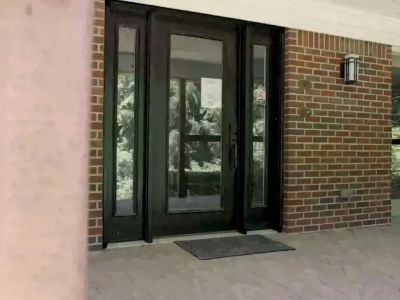
Addiction Rehab Centers - ARC at Fox Hill | Drug & Alcohol Rehab - Mooresville Indiana
Mooresville, Indiana
12168 N Mann Rd, Mooresville, IN 46158
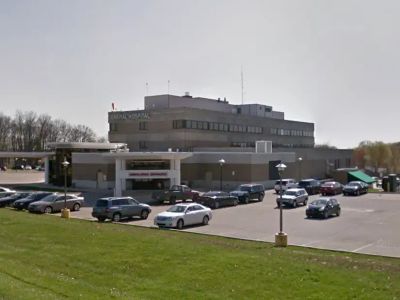
1185 County Rd 1000 W, Linton, IN 47441
Get Personalized Rehab Matches in 60 Seconds
Tell us a few details and we’ll show a personalized shortlist of verified Indiana rehabs, making it simple to compare options and choose your next step with confidence.

Centerstone Recovery Transitional Housing
Columbus, Indiana
1680 Whitney Ct, Columbus, IN 47203

Crossroads Healing Center - Addiction & Mental Health Treatment in Indiana
Connersville, Indiana
450 Erie Ave, Connersville, IN 47331

Foundations Counseling Center
Merrillville, Indiana
8973 Broadway, Merrillville, IN 46410
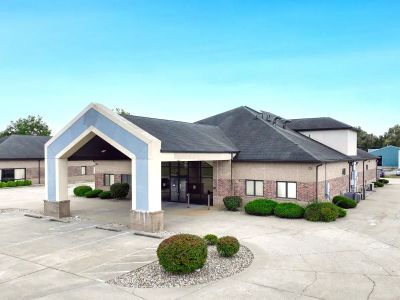
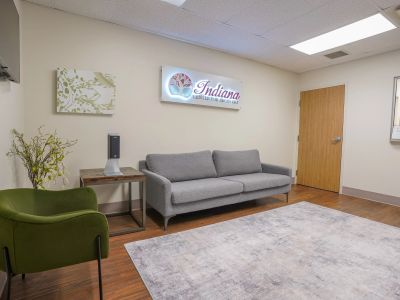
Indiana Center For Recovery- Alcohol & Drug Rehab Terre Haute
Terre Haute, Indiana
135 E Hospital Ln, Terre Haute, IN 47802



Boca Recovery Center - Fort Wayne, Indiana
Fort Wayne, Indiana
111 W Berry St #211, Fort Wayne, IN 46802



Boca Recovery Center - Indiana Drug and Alcohol Rehab
Huntington, Indiana
3040 W Park Dr, Huntington, IN 46750
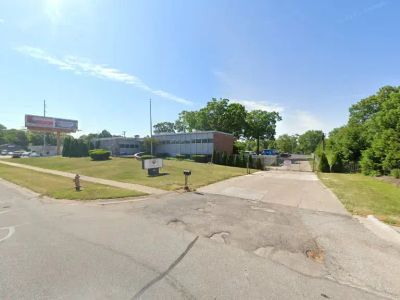

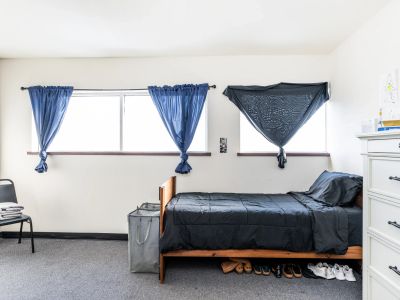
Cardinal Recovery
Franklin, Indiana
1130 West Jefferson St, Franklin, IN, 46131


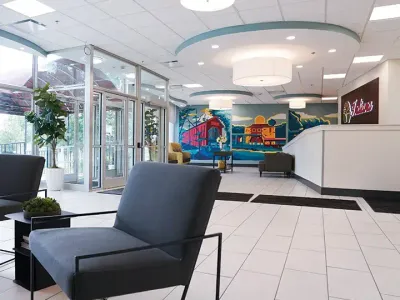
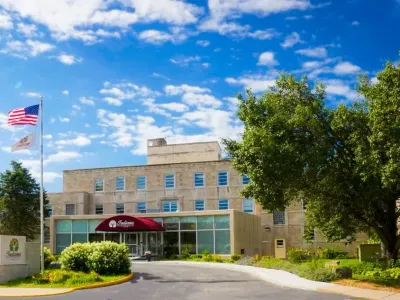
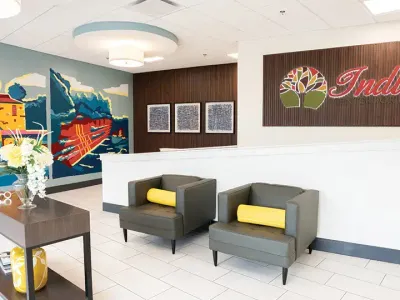
Indiana Center for Recovery - Alcohol & Drug Rehab Center Bedford
Bedford, Indiana
1600 23rd St, Bedford, IN 47421


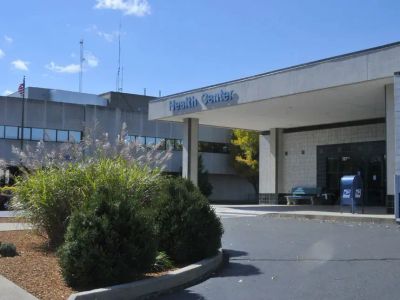
Valley Professionals Community - Health Center
Clinton, Indiana
777 South Main street, Clinton, IN, 47842



Century Villa Health Care & Rehabilitation
Greentown, Indiana
705 N Meridian St, Greentown, IN 46936
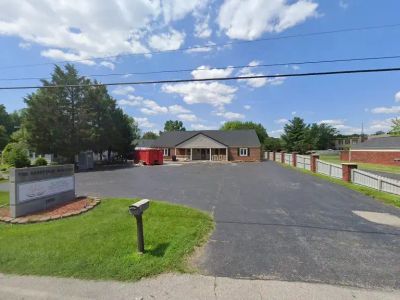
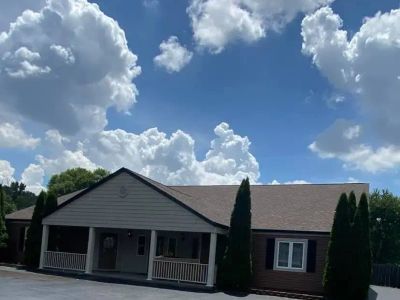
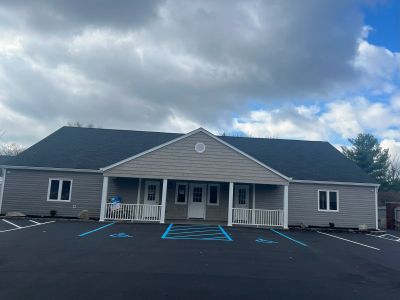
Sunrise Recovery - Drug and Alcohol Outpatient Rehab in Jeffersonville
Jeffersonville, Indiana
1505 Allison Ln, Jeffersonville, IN 47130
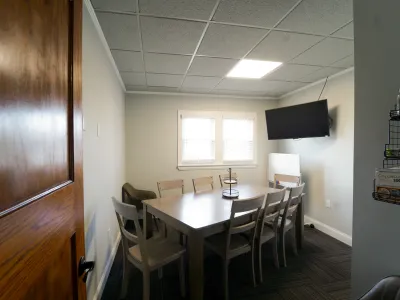
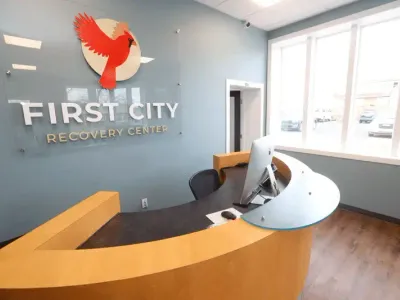
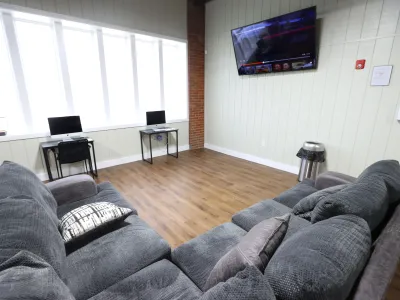
First City Recovery Center
Kokomo, Indiana
317 W Jefferson St, Kokomo, IN, 46901
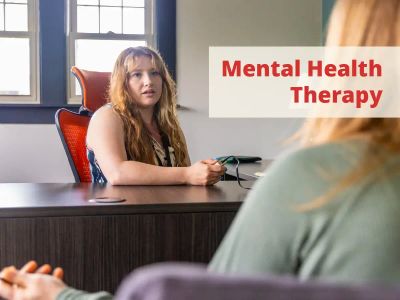


215 W 4th St, Mishawaka, IN 46544



Parkdale Center
Chesterton, Indiana
350 Indian Boundary Rd., Chesterton, IN, 46304



Recovery Centers of America at Indianapolis
Indianapolis, Indiana
8530 Township Line Rd, Indianapolis, IN 46260


Marion VAMC - Evansville Health Care Center
Evansville, Indiana
6211 East Waterford Boulevard, Evansville, IN, 47715
Why Trust Indiana Rehabs
As Hoosiers helping Hoosiers, we understand the unique challenges our communities face. Our team meticulously verifies every Indiana treatment center, ensuring you find trusted, local care that truly understands your journey.
About our listingsLevels of Care
Explore popular treatment options by levels of care, from flexible treatment in Outpatient centers to intensive care in Residential rehabs.
Free · 24/7 · Confidential
Talk to a Treatment Specialist
Call now to get matched with Indiana facilities that accept your insurance.
(888) 568-9930
Free
Ins. check
4.9★
Rating
HIPAA
Protected
Can't travel to a facility?
Licensed Indiana therapists via secure video — same-week appointments, evenings & weekends available.
When someone you care about is diagnosed with schizophrenia, it can feel as if the ground has shifted beneath your feet, leaving you in a world full of questions and worry. But this moment isn’t an ending, it's the start of a path that, while challenging, can be walked with hope and steady support. With the right treatment and the right people at your side, managing schizophrenia becomes possible, and a life filled with meaning and connection is absolutely within reach.
What Is Schizophrenia?
Schizophrenia is a serious mental health condition that affects how a person thinks, feels, and behaves. It’s a chronic disorder, which means it requires lifelong management, but with the right care, it is absolutely treatable. At its core, schizophrenia can cause people to feel like they’ve lost touch with reality, an experience known as psychosis. This can be frightening both for the person experiencing it and for those around them.
One of the most persistent myths about schizophrenia is that it means having a “split personality.” This isn’t true. The condition is a complex brain disorder, not a personality issue. Symptoms often emerge in the late teens to early 30s and can develop gradually. The prevalence of schizophrenia in the U.S. population is estimated to be between 0.6% and 1.9%[1]. While a diagnosis can feel overwhelming, it’s important to remember that recovery is possible. A combination of medication, therapy, and strong support helps individuals manage their symptoms and lead fulfilling lives. Understanding the basics of schizophrenia is the first step toward finding effective help.
Symptoms and Causes
Understanding schizophrenia means getting to know its symptoms and the factors that contribute to it. The condition doesn't have a single cause; rather, it’s believed to result from a complex mix of genetic, biological, and environmental factors. Recognizing the signs is key to seeking early and effective treatment.
Symptoms of schizophrenia
The symptoms of schizophrenia are often grouped into three categories: positive, negative, and cognitive. It’s helpful to think of them not as "good" or "bad," but as symptoms that add behaviors (positive) or take them away (negative).
- Positive Symptoms: These are psychotic behaviors not generally seen in healthy people. They include hallucinations (seeing or hearing things that aren’t there), delusions (strongly held false beliefs), disorganized speech, and unusual body movements.
- Negative Symptoms: These refer to a reduction or absence of normal behaviors. This can look like a flat affect (reduced emotional expression), loss of interest in everyday activities, social withdrawal, and difficulty starting or finishing tasks. These negative symptoms can be particularly challenging because they are sometimes mistaken for depression or laziness.
- Cognitive Symptoms: These symptoms affect thinking processes. A person might struggle with "executive functioning," which includes the ability to pay attention, organize thoughts, and make decisions. They might also have trouble with memory or understanding information.
Schizophrenia causes
There is no single trigger for schizophrenia. Instead, research points to a combination of factors that work together. Brain chemistry plays a significant role, particularly with neurotransmitters like dopamine and glutamate. An imbalance in these chemicals is thought to contribute to the symptoms of psychosis. Genetics are also a key component. While the condition can appear in people with no family history, having a close relative with schizophrenia increases the risk.
Risk factors of schizophrenia
While the exact causes are still being studied, certain risk factors can increase the likelihood of developing schizophrenia. A family history of psychosis is the most significant risk factor. Studies have shown that the risk of illness is approximately 10% for a first-degree relative (like a parent or sibling)[1]. Environmental factors may also play a part, such as exposure to viruses or malnutrition before birth, as well as stressful or traumatic life events. It's important to remember that having a risk factor doesn't mean a person will definitely develop the disorder. Many people with risk factors never develop schizophrenia.
How is schizophrenia treated?
There’s no one-size-fits-all answer, but schizophrenia treatment is most effective when it’s a comprehensive, lifelong approach. The primary goal is to manage symptoms, reduce the likelihood of relapse, and help the person improve their daily functioning so they can live a full and independent life. A successful care plan typically combines medication, therapy, and strong support services.
Consistency is key. Research shows that when a patient stops their treatment, the risk of relapse is high. The incidence of relapse for those receiving ongoing therapy is around 18% to 32%, but it jumps to 60% to 80% for those who don't. This is why building a trusting relationship with a healthcare professional and sticking to the agreed-upon care plan is so important. One of the most effective modern approaches, especially for a first episode of psychosis, is Coordinated Specialty Care (CSC). CSC is a team-based model that wraps multiple services around the patient, including case management, family support, medication management, and therapy[2]. This integrated approach has been shown to produce better outcomes for the patient and their family[3]. You can use SAMHSA's Treatment Locator for Early Psychosis to find these specialized programs.
Antipsychotic medication
Antipsychotic medications are the foundation of schizophrenia treatment. They work by affecting brain chemistry, primarily dopamine, to help control symptoms like hallucinations and delusions. These medications are usually taken daily, though some are available as long-acting injectables given once or twice a month. There are two main types of antipsychotic medications:
- First-generation (typical) antipsychotics: These were the first medications developed and can be very effective, but they have a higher risk of causing movement-related side effects.
- Second-generation (atypical) antipsychotics: These newer medications are generally preferred because they have a lower risk of serious movement side effects. However, they can increase the risk of weight gain and metabolic issues. Common examples include risperidone, olanzapine, and aripiprazole.
Clozapine is a particularly effective second-generation antipsychotic often used for treatment-resistant schizophrenia, but it requires regular blood monitoring due to rare but serious side effects. Finding the right medication and dosage is a collaborative process between the patient and their healthcare professional.
Cognitive behavioural therapy (CBT)
Psychosocial interventions like cognitive behavioral therapy (CBT) are a vital part of treatment. A therapist specializing in CBT can help a person with schizophrenia learn to identify and challenge distressing thoughts. Instead of trying to eliminate psychosis, CBT helps patients develop coping skills to manage their symptoms. For example, a patient might learn techniques to test the reality of their delusional beliefs or reduce the distress caused by hallucinations. This therapy empowers the individual, giving them practical tools to navigate their illness and reduce the risk of relapse.
Family intervention
Schizophrenia doesn't just affect the patient; it impacts the entire family. Family intervention and therapy are designed to provide education and support to everyone involved. In these sessions, family members learn about the illness, its symptoms, and the importance of medication adherence. They also work on improving communication and problem-solving skills, which can lower stress within the home. A supportive family environment is one of the biggest factors in preventing relapse and promoting long-term recovery.
Electroconvulsive therapy
For individuals with treatment-resistant schizophrenia or those experiencing severe symptoms like catatonia, electroconvulsive therapy (ECT) can be a safe and effective option. ECT is a modern medical procedure performed under general anesthesia. It involves passing small, controlled electric currents through the brain to trigger a brief seizure, which can quickly reverse severe symptoms. While it has a complicated history, today’s ECT is a carefully administered treatment that can provide relief when other treatments haven’t worked.

Coping and support
Living with schizophrenia is a journey that requires a strong network of support. This network includes not just family and friends, but also a dedicated care team of healthcare professionals. This team might consist of a psychiatrist, a case manager, a therapist, and peer support specialists. In Indiana, there are numerous resources available to help you build this team and find the right treatment programs.
In Indiana, mental health facilities are held to specific state standards to ensure quality care[4]. With a significant number of residents living with serious mental illness, access to this care is crucial[5]. Peer support groups can also be incredibly valuable, connecting people with others who share similar experiences. These groups offer a safe space to share struggles, celebrate successes, and reduce feelings of isolation. For broader community resources, including crisis services and housing assistance, Indiana 211 is an excellent starting point.
Finding the right help can feel like a daunting task, but our directory is designed to make it easier. You can use it to search for Indiana schizophrenia treatment programs and filter your results by location, insurance, and the specific level of care you need. Whether you’re looking for outpatient services or a residential program, the right support is out there.
What to expect from your doctor
Your relationship with your doctor or healthcare professional is a partnership. It’s built on trust, open communication, and shared decision-making. During your appointment, expect to discuss your symptoms, medications, and overall well-being. This is your time to ask questions and voice concerns about your care plan.
Long-term management of schizophrenia is a journey, not a destination. Recovery focuses on managing symptoms, achieving personal goals, and improving your quality of life[6]. Your care team is there to help you navigate this path. Preparing for your appointment by writing down questions can help you make the most of your time and ensure you feel heard. Remember, taking an active role in your treatment is an empowering step toward a healthier future. You can learn more about how to prepare by exploring resources on the treatment assessment process.
Navigating schizophrenia treatment can feel complex, but it's a journey you don't have to walk alone. With the right combination of medication, therapy, and a strong support system, managing symptoms and living a meaningful life is entirely possible. The key is taking that first step. If you or a loved one needs help finding the right path forward, our team at Indiana Rehabs is here to offer guidance and connect you with the resources you need. Please don't hesitate to call us at (888) 568-9930 or reach out to us online. Hope and help are just a conversation away.
Frequently Asked Questions About Schizophrenia Treatment
Can a person with schizophrenia live a normal life?
How long does schizophrenia treatment last?
How do you deal with a family member with schizophrenia?
What happens if schizophrenia is left untreated?
- National Alliance on Mental Illness. (August, 2020). Schizophrenia. NAMI. nami.org
- Substance Abuse and Mental Health Services Administration. (2023). Coordinated Specialty Care for First Episode Psychosis. SAMHSA. library.samhsa.gov
- Srihari, V. H., et al. (April, 2024). The Academic Community Early Psychosis Intervention Network. National Center for Biotechnology Information. pmc.ncbi.nlm.nih.gov
- Indiana FSSA, Division of Mental Health and Addiction. (07-14-2020). Certification and Licensure Rules and Indiana Code. Indiana Family and Social Services Administration. in.gov
- Land, J. T., et al. (10-13-2023). Economic Burden Associated With Untreated Mental Illness in Indiana. JAMA Health Forum. jamanetwork.com
- U.S. Department of Health & Human Services. (04-30-2021). State Residential Treatment for Behavioral Health Conditions. Assistant Secretary for Planning and Evaluation. aspe.hhs.gov