
Rehabs for Schizotypal Personality

Showing 6 of 6 Results (filtered)
Featured Rehab Centers



Boca Recovery Center - Indiana Drug and Alcohol Rehab
Huntington, Indiana
3040 W Park Dr, Huntington, IN 46750



Indiana Center for Recovery - Alcohol & Drug Rehab Center Bedford
Bedford, Indiana
1600 23rd St, Bedford, IN 47421
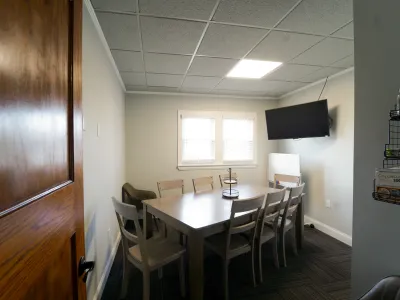


First City Recovery Center
Kokomo, Indiana
317 W Jefferson St, Kokomo, IN, 46901
Get Personalized Rehab Matches in 60 Seconds
Tell us a few details and we’ll show a personalized shortlist of verified Indiana rehabs, making it simple to compare options and choose your next step with confidence.
Ascension Medical Group St Vincent - Kokomo Primary Care
Kokomo, Indiana
188 E Southway Blvd Kokomo, IN 46902
Pinnacle Treatment Centers - 2209 John R Wooden Drive
Martinsville, Indiana
2209 John R Wooden Drive, 3rd Floor Martinsville, IN 46151
Centerstone – Pierson House
Richmond, Indiana
76 S 14th St, Richmond, IN 47374
Why Trust Indiana Rehabs
As Hoosiers helping Hoosiers, we understand the unique challenges our communities face. Our team meticulously verifies every Indiana treatment center, ensuring you find trusted, local care that truly understands your journey.
About our listingsLevels of Care
Explore popular treatment options by levels of care, from flexible treatment in Outpatient centers to intensive care in Residential rehabs.
Free · 24/7 · Confidential
Talk to a Treatment Specialist
Call now to get matched with Indiana facilities that accept your insurance.
(888) 568-9930
Free
Ins. check
4.9★
Rating
HIPAA
Protected
Can't travel to a facility?
Licensed Indiana therapists via secure video — same-week appointments, evenings & weekends available.
Do you ever feel like you’re operating on a different wavelength from everyone else, where social rules seem mysterious and your thoughts twist into unexpected shapes? It can be lonely and disorienting to move through the world this way, especially when you’re not sure how to make sense of it all. But learning what’s really happening is the first step toward finding real understanding and support, and there are practical ways forward that can help you feel more connected and grounded.
What is schizotypal personality disorder?
Schizotypal personality disorder (STPD) is a formal mental health diagnosis, not just a collection of quirks. It describes a long-term pattern of intense discomfort in close relationships and social situations. People with STPD often struggle to form and maintain connections, partly because of a deep-seated social anxiety, and partly because their thoughts and behaviors can seem eccentric to others. This isn't just about being shy or introverted; it's a fundamental challenge in how a person experiences and interacts with the world.
The core of this personality disorder involves cognitive or perceptual distortions, meaning thoughts and perceptions of reality can be skewed. This might include holding unusual beliefs, experiencing odd bodily sensations, or having a sense of suspicion about others' intentions. These symptoms create significant hurdles in day-to-day life, making it hard to navigate school, work, and relationships. It’s a condition that affects an estimated 3% to 5% of people in the United States, yet it remains widely misunderstood[1]. Understanding schizotypal personality disorder is the first step toward finding effective ways to manage its impact.
What are the signs and symptoms of schizotypal personality disorder?
Recognizing the signs and symptoms of schizotypal personality disorder can be tricky because they often overlap with general eccentricity or social anxiety. However, for a diagnosis, these behaviors and thought patterns are persistent, pervasive, and disrupt a person's ability to function. The official diagnostic criteria from the DSM-5 outline several key features, which can be easier to understand with real-world examples[1].

A mental health professional will look for a pattern that includes five or more of the following signs:
- Ideas of reference: This is the belief that random, everyday events have a special, personal meaning. For example, believing that a news report or a song on the radio is delivering a hidden message specifically for you.
- Magical thinking or odd beliefs: This involves beliefs that are inconsistent with cultural norms, such as believing in clairvoyance, telepathy, or superstitions that directly influence behavior.
- Unusual perceptual experiences: This can include bodily illusions, like feeling as if you're floating or that a part of your body is different, or sensing another person's presence when no one is there.
- Odd thinking and speech: Speech may be vague, overly elaborate, or metaphorical, making it hard for others to follow the conversation. The person might jump between topics in a way that seems illogical.
- Suspiciousness or paranoid ideation: This is a persistent feeling of being watched or talked about, leading to a general mistrust of others' intentions without clear reason.
- Inappropriate or constricted affect: Emotional responses may seem flat, limited, or out of sync with the situation. For instance, showing little emotion during a happy event or smiling at a somber moment.
- Odd, eccentric, or peculiar behavior or appearance: This can manifest in unkempt clothing, unusual mannerisms, or peculiar ways of interacting that stand out to others.
- Lack of close friends or confidants: Aside from immediate family members, individuals with STPD often have few or no close relationships, despite sometimes wishing they did.
- Excessive social anxiety: This is an intense and persistent anxiety in social settings that doesn't fade with familiarity. It's often linked to paranoid fears about being judged or harmed rather than just feeling awkward.
A formal diagnosis requires these symptoms to be a long-standing part of a person's personality, not just a temporary reaction to stress.
What causes schizotypal personality disorder?
There isn't a single, straightforward answer to what causes schizotypal personality disorder. Like many mental health conditions, it appears to develop from a complex mix of genetic predispositions and environmental influences. Think of it less like a single switch being flipped and more like a combination of factors that increase a person's risk.
Genetics play a significant role. STPD is known to run in families and is more common in people who have a first-degree relative (like a parent or sibling) with schizophrenia or another disorder on the schizophrenia spectrum[1]. This suggests a shared genetic vulnerability for these conditions. However, having the genes doesn't guarantee the disorder will develop. Environmental factors, especially during childhood, also contribute heavily. Experiences like chronic stress, trauma, neglect, or growing up in a cold or unresponsive family environment can increase the likelihood that these genetic tendencies will express themselves as STPD.
Differential diagnosis
It can be challenging to distinguish schizotypal personality disorder from similar conditions, particularly schizoid personality disorder and schizophrenia, because their symptoms can overlap. A thorough differential diagnosis by a mental health professional is crucial for ensuring the right treatment plan. The key differences lie in social desires, thought patterns, and the severity of symptoms[1]. Here’s a simple breakdown:
| Feature | Schizotypal Personality Disorder | Schizoid Personality Disorder | Schizophrenia |
|---|---|---|---|
| Social Relationships | Experiences intense social anxiety and has few friends, but may still desire relationships. Discomfort is often due to paranoid fears. | Shows a profound lack of interest or desire for social relationships. Genuinely prefers solitude and is emotionally detached. | Social withdrawal is common, but it's usually a consequence of other symptoms like psychosis, paranoia, or disorganized thoughts. |
| Thought Patterns | Characterized by odd, eccentric, or magical thinking (e.g., belief in telepathy). Thoughts are distorted but not typically delusional. | Thought patterns are generally grounded in reality. There is an absence of odd or magical beliefs. | Marked by persistent, overt delusions (false beliefs) and disorganized thinking that severely impairs logic and communication. |
| Perception | May have unusual perceptual experiences, such as bodily illusions, but lacks true, persistent hallucinations. | Perceptions are typically normal, without the distortions or illusions seen in STPD. | Involves frank and persistent psychosis, including hallucinations (seeing or hearing things that aren't there) and delusions. |
| Severity & Functioning | Functioning is impaired, especially socially, but the individual maintains contact with reality. | Often able to function in jobs that require little social interaction. The main feature is emotional and social detachment, not a break with reality. | Represents a more severe mental illness that often involves a significant decline in overall functioning and a clear break from reality. |
While someone with STPD might feel like an outsider due to their odd beliefs and social anxiety, a person with schizoid personality disorder typically doesn't desire to be an insider in the first place. Schizophrenia is distinguished by the presence of sustained psychosis, which is not a core feature of either personality disorder.
How is schizotypal personality disorder treated?
Finding effective schizotypal personality treatment can feel like a huge step, but it’s one that can make a world of difference. Because STPD affects how you think, feel, and relate to others, treatment is highly personalized and focuses on practical goals. The aim isn't to change your entire personality, but to help you develop coping skills, manage distressing symptoms, and improve your ability to connect with others and function in daily life. A combination of therapy and, in some cases, medication is often the most effective approach[1].

Building a trusting relationship with a therapist can be challenging for someone with STPD due to inherent social anxiety and suspicion. However, a skilled and patient professional can create a safe space where you can gradually work on these challenges. The two main pillars of treatment are psychotherapy and medication, each tailored to your specific needs.
Psychotherapy for schizotypal personality disorder
Psychotherapy, or talk therapy, is the cornerstone of treatment for STPD. It provides a supportive environment to explore thought patterns, learn social skills, and build confidence. Several types of therapy have been shown to be helpful:
- cognitive behavioral therapy (CBT): This approach helps you identify and challenge the distorted thoughts and unusual beliefs common in STPD. A therapist can help you learn to "reality test" your thoughts, examining the evidence for and against them, which can reduce paranoia and magical thinking. Learning these skills is a core part of cognitive behavioral therapy.
- dialectical behavior therapy (DBT): While originally developed for another personality disorder, DBT is effective for STPD because it focuses on building crucial life skills. It teaches emotional regulation, distress tolerance, and interpersonal effectiveness, which can directly address the social anxiety and emotional difficulties of STPD.
- Social Skills Training: This is a very practical form of therapy. In a safe and supportive setting, you can learn and practice social cues, conversational skills, and appropriate ways to interact with others. This hands-on approach can make social situations feel less intimidating over time.
- family therapy: Involving family can be incredibly beneficial. Therapy can help relatives understand the disorder, improve communication, and learn how to create a supportive home environment that reduces conflict and stress.
Antipsychotic medication for schizotypal personality disorder
While there are no medications specifically FDA-approved to treat schizotypal personality disorder itself, some are used "off-label" to manage specific symptoms. Medication is typically considered an addition to psychotherapy, not a replacement for it.
- Antipsychotics: Low doses of antipsychotic medications may be prescribed to help reduce some of the more disruptive symptoms, such as paranoid thinking, ideas of reference, or unusual perceptual experiences[1]. These can help ground a person more firmly in reality.
- Antidepressants: It's very common for people with STPD to also experience major depressive disorder. Antidepressants can be effective in treating this comorbid condition, which can in turn improve overall mood, motivation, and functioning.
- Anti-anxiety Medications: Given the intense social anxiety that is a hallmark of STPD, medications that target anxiety can sometimes be used to make social interactions more manageable, especially while someone is building skills in therapy.
What is the prognosis (outlook) for schizotypal personality disorder?
When you're facing a diagnosis like schizotypal personality disorder, it's natural to wonder what the future holds. STPD is considered a chronic, or lifelong, condition. This means the underlying personality traits tend to be stable over time. However, that absolutely does not mean that life can't get better. With consistent and appropriate treatment, the outlook is hopeful.
Many people with STPD can learn to manage their symptoms, reduce their severity, and significantly improve their ability to function in social and work environments[2]. The goal of treatment isn't to erase the personality but to build skills that make life easier and more fulfilling. Early intervention is key, as it can help prevent some of the common complications associated with untreated STPD. These can include other mental health challenges like major depression, anxiety disorders, and an increased risk of substance use disorders as a way to cope with the distress. Seeking help is a proactive step toward a better quality of life and greater stability.
Find Support for Schizotypal Personality Disorder in Indiana
Navigating the world with schizotypal personality disorder can feel isolating, but it's important to remember that effective treatment is available, and a better quality of life is possible. The most crucial step is finding a qualified mental health professional who understands the nuances of personality disorders and can offer compassionate, evidence-based care. Building a trusting relationship with a therapist can open the door to managing symptoms and building the skills needed for more meaningful connections.
Here in Indiana, there are resources available to help you on this journey. Whether you're exploring options for yourself or a loved one, connecting with local, licensed providers is the best way to start. You can browse our directory to find treatment centers in Indiana equipped to support individuals with STPD. For more immediate guidance on state-supported programs, you can explore resources from SAMHSA for Indiana residents. Finding the right support system is a powerful move toward feeling more grounded and understood.
Living with schizotypal personality disorder presents real challenges, but they don't have to define your life. With the right combination of therapy and support, you can learn to navigate social situations with more confidence and manage distressing thoughts. It’s a journey of understanding yourself and finding practical ways to build a more comfortable and fulfilling life. If you're ready to take the next step or just need someone to talk to, our team at Indiana Rehabs is here to help. You can call us anytime at (888) 568-9930 or contact us online to explore your options. You don’t have to figure this out alone.
Frequently Asked Questions About Schizotypal Personality Disorder
Can you have a relationship with a schizotypal person?
How do you deal with a schizotypal person?
Is schizotypal a serious mental illness?
At what age does schizotypal personality disorder appear?
Can schizotypal be cured?
- Rosell, D. R., Futterman, S. E., McMaster, A., & Siever, L. J. (05-07-2024). Schizotypal personality disorder. StatPearls. ncbi.nlm.nih.gov
- Hagen, R. et al. (02-20-2023). A pilot randomized controlled trial comparing a novel compassion-focused...therapy for schizotypal disorder. PMC. pmc.ncbi.nlm.nih.gov