
Rehabs for Sleep Disorders

Showing 5 of 5 Results (filtered)
Featured Rehab Centers



Boca Recovery Center - Indiana Drug and Alcohol Rehab
Huntington, Indiana
3040 W Park Dr, Huntington, IN 46750



Indiana Center for Recovery - Alcohol & Drug Rehab Center Bedford
Bedford, Indiana
1600 23rd St, Bedford, IN 47421
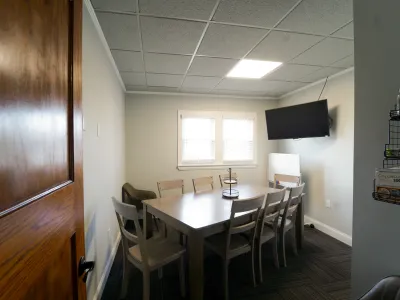

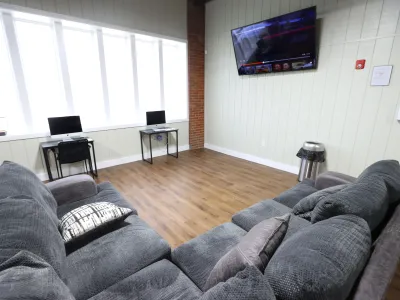
First City Recovery Center
Kokomo, Indiana
317 W Jefferson St, Kokomo, IN, 46901
Get Personalized Rehab Matches in 60 Seconds
Tell us a few details and we’ll show a personalized shortlist of verified Indiana rehabs, making it simple to compare options and choose your next step with confidence.
Pinnacle Treatment Centers - 2209 John R Wooden Drive
Martinsville, Indiana
2209 John R Wooden Drive, 3rd Floor Martinsville, IN 46151
Centerstone – Pierson House
Richmond, Indiana
76 S 14th St, Richmond, IN 47374
Why Trust Indiana Rehabs
As Hoosiers helping Hoosiers, we understand the unique challenges our communities face. Our team meticulously verifies every Indiana treatment center, ensuring you find trusted, local care that truly understands your journey.
About our listingsLevels of Care
Explore popular treatment options by levels of care, from flexible treatment in Outpatient centers to intensive care in Residential rehabs.
Free · 24/7 · Confidential
Talk to a Treatment Specialist
Call now to get matched with Indiana facilities that accept your insurance.
(888) 568-9930
Free
Ins. check
4.9★
Rating
HIPAA
Protected
Can't travel to a facility?
Licensed Indiana therapists via secure video — same-week appointments, evenings & weekends available.
You know those nights when you’re wide awake at two in the morning, staring at the ceiling while thoughts race by and the clock seems to mock you with every minute? The frustration builds, the bed feels colder, and you can already feel the next day’s exhaustion settling in. If this has become more than just the occasional rough night, it could be a sign of something deeper, a sleep disorder that’s quietly draining your energy. The good news is, there are effective treatments out there, and finding the right kind of support in Indiana is more within reach than you might think.

What are sleep disorders?
It’s one thing to have a restless night now and then, but it’s another thing entirely when that becomes your normal. At its core, a sleep disorder is a condition that consistently gets in the way of healthy, restorative sleep[1]. It’s not just about feeling tired; it’s a medical issue that disrupts your daily life, affecting everything from your mood and concentration to your overall physical health. You might be surprised to learn there are over 80 different types of sleep disorders, ranging from the well-known, like insomnia and sleep apnea, to less common conditions such as narcolepsy and restless legs syndrome.
You’re not alone in this struggle. More than one-third of adults in the U.S. don’t get enough sleep, and here in Indiana, the numbers are similar[2]. For many, this isn't just due to a busy schedule but to an underlying disorder. Difficulty falling or staying asleep is a common complaint, with nearly 15% of adults reporting these issues[3]. This guide is here to walk you through the common symptoms, causes, and treatments for various sleep problems. Our goal at Indiana Rehabs is to be a trusted resource, helping you connect with local specialists who can provide a proper diagnosis and guide you toward the right care.
What are the symptoms of sleep disorders?
It can be tough to tell the difference between a string of bad nights and a genuine sleep disorder. The signs aren't always as obvious as just feeling tired. They can show up in your physical health, your mood, and even how you think. Recognizing these symptoms is the first step toward getting help. While only a healthcare provider can give you a diagnosis, knowing what to look for can empower you to start that conversation.
Here are some of the most common symptoms associated with sleep disorders[1]:
- Excessive daytime sleepiness: This is more than just feeling a little drowsy. It’s a powerful urge to sleep during the day, even when you’re supposed to be active.
- Difficulty falling or staying asleep: You might lie in bed for hours waiting for sleep to come, or you might wake up frequently during the night and struggle to get back to sleep. This is a classic sign of insomnia.
- Loud or frequent snoring: While not all snoring is a problem, loud, disruptive snoring, especially when it’s paired with gasping or choking sounds, can be a symptom of sleep apnea.
- Morning headaches: Waking up with a headache regularly can be linked to poor sleep quality or breathing issues during the night.
- Irritability and mood swings: A lack of quality sleep can shorten your fuse, making you feel more irritable, anxious, or even depressed.
- Trouble concentrating: When your brain doesn't get the rest it needs, focusing on tasks, remembering things, and making decisions can feel like a huge effort.
Some symptoms can point toward specific conditions. For example, loud snoring is a hallmark of obstructive sleep apnea, while an irresistible urge to move your legs at night suggests restless legs syndrome. If any of these signs feel familiar, it’s worth talking to a professional. You can use our directory to find providers in Indiana who specialize in diagnosing and treating these exact symptoms, helping you get to the root of the problem.
What causes sleep disorders?
Figuring out what’s disrupting your sleep can feel like solving a puzzle with missing pieces. The truth is, there’s rarely just one single cause. Often, it’s a combination of factors working together to throw your internal clock off balance. Understanding these potential triggers can help you and your healthcare provider narrow down the root of the problem and find the most effective treatment[1].
We can group the common causes into a few key areas:
- Medical Conditions: Sometimes, sleep problems are a side effect of another health issue. Things like chronic pain, asthma, allergies, or acid reflux can make it physically uncomfortable to sleep. Obstructive sleep apnea, a condition where your breathing repeatedly stops and starts, is another major medical cause.
- Psychiatric and Mental Health Issues: There's a strong connection between mental health and sleep. Conditions like anxiety and depression often go hand-in-hand with insomnia[4]. High levels of stress can also keep your mind racing, making it nearly impossible to relax and fall asleep.
- Lifestyle Factors: Our daily habits have a huge impact on our sleep quality. Drinking caffeine or alcohol too close to bedtime can interfere with your sleep cycle. Working irregular hours or having an inconsistent sleep schedule can confuse your body’s natural rhythm. Lack of exercise can also play a role.
- Environmental Factors: Your bedroom environment matters more than you might think. A room that’s too bright, noisy, or warm can make it difficult to get quality rest. An uncomfortable bed or a partner who snores can also be disruptive.
It's important to remember that these factors can overlap and influence each other. That's why a professional evaluation is so crucial. A doctor can help you untangle these threads, identify the primary causes of your sleep issues, and create a plan to address them directly.
How are sleep disorders diagnosed?
If you've been struggling with your sleep for a while, the thought of getting a diagnosis might feel a bit intimidating, but it’s really just a conversation to start. The process is all about understanding what’s happening when you try to rest, and it begins with talking to a healthcare provider. They’ll listen to your experiences and guide you through a few steps to get a clear picture of your sleep health.

Your first visit will likely involve a physical exam and a detailed chat about your sleep patterns, daily routines, and medical history. Your doctor will want to know things like when you go to bed, how long it takes you to fall asleep, and how you feel when you wake up. To help with this, they might ask you to keep a sleep diary for a week or two. This is just a simple log where you jot down your sleep and wake times, any naps, and how you felt during the day. It provides valuable clues about your habits and symptoms.
In some cases, your doctor might recommend a sleep study, also known as polysomnography, to get more detailed information. This isn't as scary as it might sound. For a sleep study, you’ll typically spend the night in a comfortable room at a sleep center. While you sleep, sensors will gently monitor important functions like your brain waves, heart rate, breathing patterns, and body movements[5]. This data helps experts identify specific disorders like sleep apnea with precision. Finding the right place for a diagnosis is a key step, and you can use our directory to locate sleep centers and diagnostic facilities right here in Indiana, connecting you with the professionals who can help you find answers.
How are sleep disorders treated?
Once you have a diagnosis, the next step is finding the right sleep disorder treatment. The great thing is that treatment is not one-size-fits-all. It’s tailored to your specific condition, your lifestyle, and your overall health. Your healthcare provider will work with you to create a personalized plan that addresses the root cause of your sleep problems.
This plan might involve a single approach or a combination of different strategies. For some, simple lifestyle changes make a world of difference. For others, a specific therapy, medical device, or medication might be needed. The goal is always the same: to help you get the restorative sleep you need to feel your best. Let's explore some of the most common and effective treatments available.
Lifestyle and home remedies
Sometimes, the most powerful changes start right at home. Improving your "sleep hygiene", the habits and routines surrounding sleep, can have a huge impact on your sleep quality. These adjustments are often the first things a doctor will recommend because they’re effective, natural, and put you in control. Here are a few practical tips you can start using tonight:
- Stick to a schedule: Try to go to bed and wake up around the same time every day, even on weekends. This helps regulate your body's internal clock.
- Create a relaxing bedtime routine: Wind down for 30-60 minutes before bed. This could mean taking a warm bath, reading a book (not on a screen!), listening to calm music, or practicing gentle stretching.
- Watch what you eat and drink: Avoid large meals, caffeine, and alcohol in the hours leading up to bedtime. They can interfere with your ability to fall and stay asleep.
- Get regular exercise: Physical activity during the day can help you fall asleep more easily at night. Just try to avoid intense workouts too close to bedtime.
- Optimize your bedroom: Make your sleeping space a sanctuary. Keep it dark, quiet, and cool. Consider using blackout curtains, a white noise machine, or earplugs if needed.
Cognitive behavioral therapy for insomnia (CBT-I)
If your sleep problems are linked to anxiety or negative thought patterns about sleep, cognitive behavioral therapy for insomnia (CBT-I) can be incredibly effective. In fact, it's widely considered the gold-standard, first-line treatment for chronic insomnia[6]. CBT-I is a structured program that helps you identify and change the thoughts and behaviors that are sabotaging your sleep[7]. A therapist trained in CBT-I will guide you through techniques like stimulus control (reassociating your bed with sleep) and sleep restriction (limiting your time in bed to improve sleep efficiency). It’s not about just “trying harder” to sleep; it’s about retraining your brain and body for restful nights. Our directory can help you find qualified therapists in Indiana who specialize in this powerful approach.
Medicines to help you fall asleep
In some situations, medications can be a helpful part of a sleep disorder treatment plan, especially for short-term relief. There are several types of medicines a doctor might consider, including sedatives to help you fall asleep, melatonin supplements to adjust your sleep-wake cycle, or even stimulants to promote wakefulness for conditions like narcolepsy. However, it's incredibly important that these are only taken under the strict guidance of a healthcare provider. Sleep medications can have side effects, interact with other drugs, and some carry a risk of dependence. Your doctor will carefully weigh the benefits and risks to decide if medication is a safe and appropriate option for you.
Continuous positive airway pressure (CPAP)
For people diagnosed with obstructive sleep apnea (OSA), a CPAP machine is the most common and effective treatment[1]. It might look a little unusual at first, but it works in a very simple way. The machine delivers a gentle, steady stream of air pressure through a mask that you wear while you sleep. This continuous positive airway pressure keeps your airway open, preventing the pauses in breathing that define sleep apnea. This leads to deeper, more restorative sleep and can eliminate loud snoring. Modern CPAP machines are quieter and more comfortable than ever, with a variety of mask styles available to ensure a good fit.
Oral devices
For those with mild to moderate sleep apnea or chronic snoring, an oral appliance can be a great alternative to CPAP. These custom-fit devices look similar to a sports mouthguard or an orthodontic retainer. They work by gently shifting your lower jaw or tongue forward, which helps keep your airway open while you sleep. An oral device is made and fitted by a dentist with specialized training in sleep medicine. They are portable, easy to use, and non-invasive, making them a popular choice. You can use the Indiana Rehabs directory to search for specialists who provide these appliances.
Surgery for OSA
Surgery for obstructive sleep apnea is typically considered a last resort, reserved for cases where other treatments like CPAP or oral appliances haven't been successful. The goal of surgery is to address the physical obstruction in the throat. This could involve removing excess tissue, like tonsils or parts of the soft palate, or repositioning the jaw to create more space in the airway. This is a significant step that requires a thorough evaluation and consultation with an otolaryngologist (an ear, nose, and throat surgeon) to determine if it's the right path for you.
How to Find the Right Sleep Disorder Treatment in Indiana
Taking that first step to get help can feel like the hardest part, but you don't have to navigate it alone. You might be wondering, "Do I really need to see a sleep specialist?" If you've been experiencing persistent symptoms that affect your daily life, the answer is yes. A specialist has the expertise to accurately diagnose your condition and recommend the most effective treatment[8]. Several types of doctors can help, including neurologists, pulmonologists (lung specialists), and psychiatrists, many of whom are board-certified in sleep medicine.
Finding the right provider in Indiana is straightforward. Here’s a simple guide to using our directory:
- Visit our directory of facilities. This is your starting point for finding local care.
- Enter your city or zip code to see the treatment centers nearest to you.
- Use the filters to narrow your search. You can filter by "Sleep Medicine" to find specialists or by a specific condition like "Insomnia" to find providers who focus on that issue.
Making this search is a proactive step toward reclaiming your nights and improving your overall health. The right care is out there, and with resources like the American Academy of Sleep Medicine (AASM) and our local directory, you can connect with the experts who can help you feel rested and well again.
Tiredness doesn't have to be your normal. Understanding the signs, causes, and treatments for sleep disorders is the first step toward getting the rest you deserve. Whether it’s improving your sleep hygiene, trying therapy like CBT-I, or getting a diagnosis for a condition like sleep apnea, help is available right here in Indiana. Taking care of your sleep is taking care of your health. If you’re ready to find a solution, a compassionate specialist is waiting to help. Give us a call at (888) 568-9930 to speak with a care coordinator, or explore our provider listings at Indiana Rehabs to find the right support near you. You can also reach out through our contact page to begin your journey to better sleep tonight.
Frequently Asked Questions About Sleep Disorder Treatment
When should I see a doctor for a sleep problem?
Can lifestyle changes help with sleep disorders?
What is CBT-I and how does it work?
Are sleeping pills safe to use for insomnia?
Is a CPAP machine the only treatment for sleep apnea?
- Patel, A. K., Reddy, V., & Shum, J. F. (2023-06-11). Sleep disorder. StatPearls Publishing. ncbi.nlm.nih.gov
- Centers for Disease Control and Prevention. (2024-05-15). FastStats: Sleep in adults. Centers for Disease Control and Prevention. cdc.gov
- Centers for Disease Control and Prevention. (2022-06-22). Sleep difficulties in adults: United States, 2020. National Center for Health Statistics. cdc.gov
- Jha, M. K., et al. (2020-06-24). cognitive behavioral therapy for insomnia: A promising treatment for insomnia in patients with diverse psychiatric comorbidities. PMC. pmc.ncbi.nlm.nih.gov
- Centers for Medicare & Medicaid Services. (2019-08-29). Billing and coding: Polysomnography and other sleep studies. Centers for Medicare & Medicaid Services. cms.gov
- American Academy of Sleep Medicine. (2024-08-06). CBTI via telemedicine as effective as face-to-face delivery. American Academy of Sleep Medicine. aasm.org
- Werner-Seidler, A., et al. (2025-01-21). A randomized clinical trial. PLOS Medicine. journals.plos.org
- Wickwire, E. M., et al. (2021-10-01). Incremental health care utilization and expenditures for sleep disorders in the United States. Journal of Clinical Sleep Medicine. pmc.ncbi.nlm.nih.gov