
Rehabs for Trauma Disorders

Showing 20 of 44 Results (filtered)
Featured Rehab Centers

Aspire Indiana Health – Next Step
Indianapolis, Indiana
2456 N Bolton Ave, Indianapolis, IN 46218
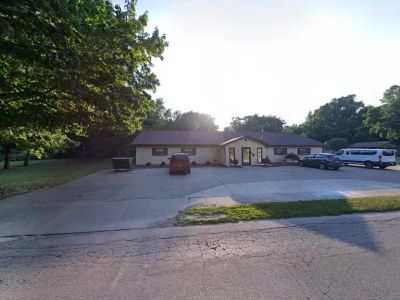


Through The Gate
Crawfordsville, Indiana
811 Whitlock Ave, Crawfordsville, IN 47933

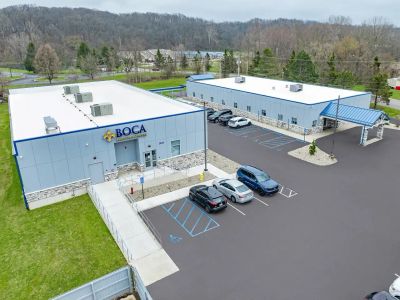

Boca Recovery Center - Fort Wayne, Indiana
Fort Wayne, Indiana
111 W Berry St #211, Fort Wayne, IN 46802
Get Personalized Rehab Matches in 60 Seconds
Tell us a few details and we’ll show a personalized shortlist of verified Indiana rehabs, making it simple to compare options and choose your next step with confidence.
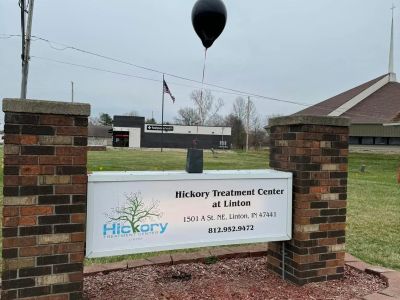
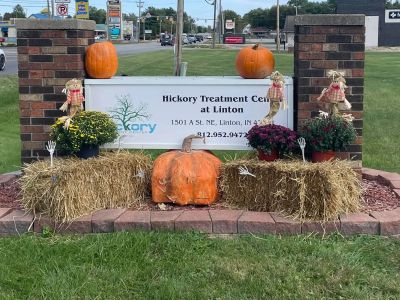
1501 A St NE, Linton, IN 47441

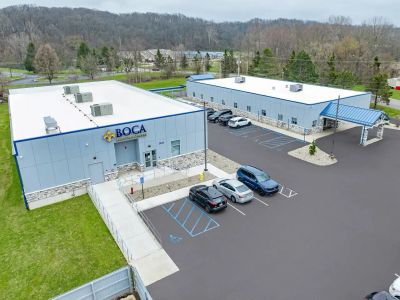
Boca Recovery Center - Indiana Drug and Alcohol Rehab
Huntington, Indiana
3040 W Park Dr, Huntington, IN 46750
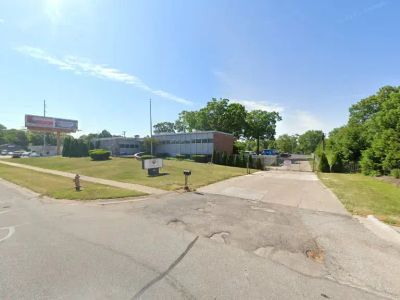


Cardinal Recovery
Franklin, Indiana
1130 West Jefferson St, Franklin, IN, 46131
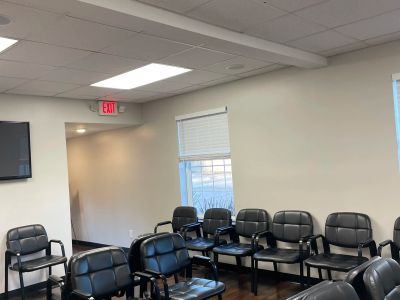
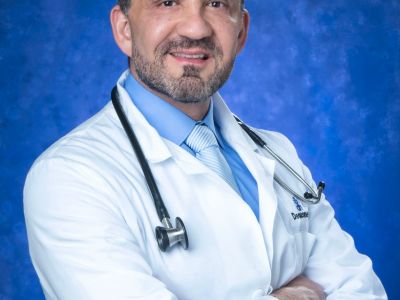
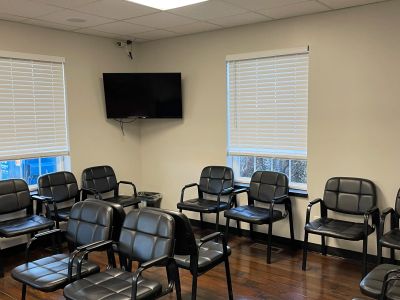
Dr. Malek’s Office – Primary Care, Senior Care & Mental Health
Evansville, Indiana
4972 Lincoln Ave #101, Evansville, IN 47715

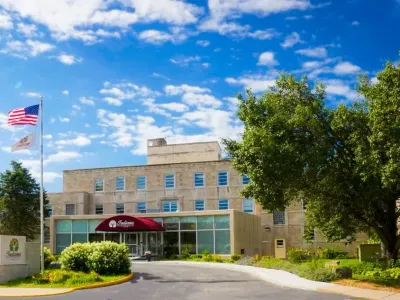

Indiana Center for Recovery - Alcohol & Drug Rehab Center Bedford
Bedford, Indiana
1600 23rd St, Bedford, IN 47421

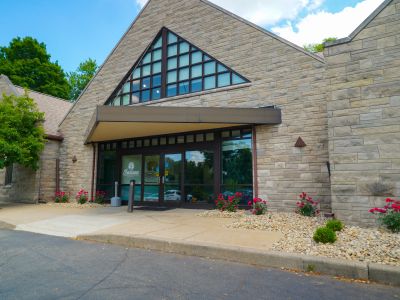

Indiana Center for Recovery
Bloomington, Indiana
1004 West 1st Street, Bloomington, IN, 47403
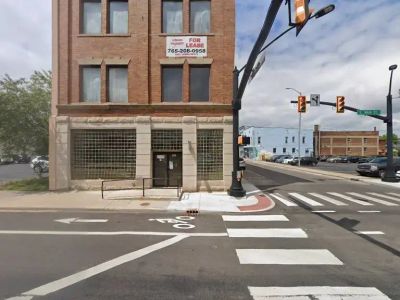
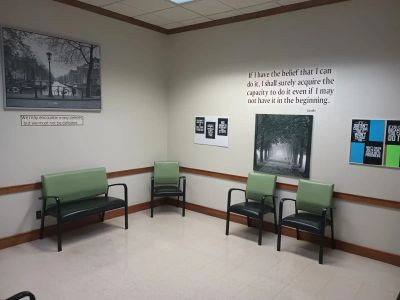
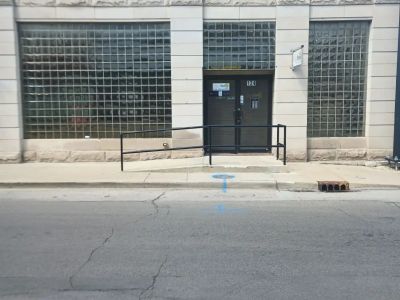
CleanSlate Outpatient Addiction Medicine
Muncie, Indiana
124 E Main St, Muncie, IN 47305


First City Recovery Center
Kokomo, Indiana
317 W Jefferson St, Kokomo, IN, 46901


215 W 4th St, Mishawaka, IN 46544



Addiction Rehab Centers - ARC
Indianapolis, Indiana
7322 Noel Road, Indianapolis, IN, 46278

CleanSlate Outpatient Addiction Medicine
Evansville, Indiana
4411 Washington Ave #105, Evansville, IN 47715

Woodview Psychology Group
Indianapolis, Indiana
70 E 91st Street Suite 210, Indianapolis, IN, 46240

Griffin and Associates, LLC
Terre Haute, Indiana
2901 Ohio Blvd Suite 116-8, Terre Haute, IN 47803
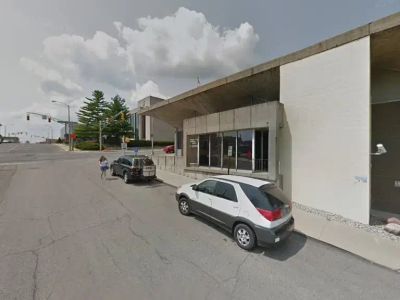
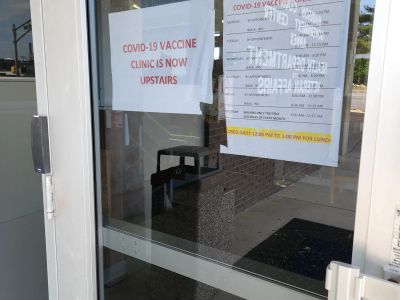
Madison County Community Health Center
Anderson, Indiana
1547 Ohio Avenue, Anderson, IN, 46016
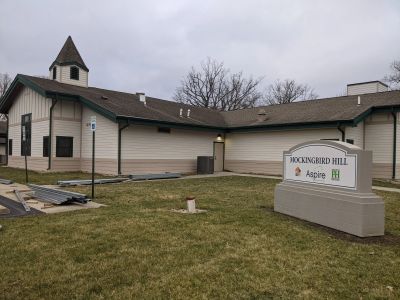
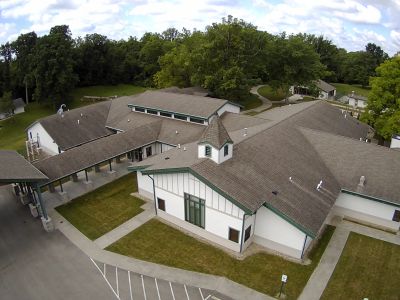
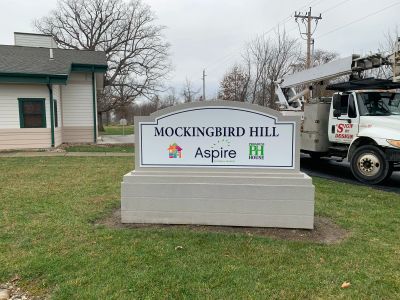
Aspire Indiana Health - Mockingbird Hill Recovery Center
Anderson, Indiana
4038 South Ridgeview Road, Anderson, IN, 46013

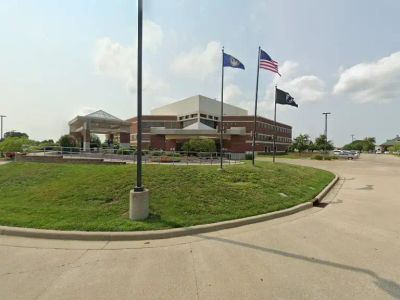
Marion VAMC - Evansville Health Care Center
Evansville, Indiana
6211 East Waterford Boulevard, Evansville, IN, 47715



YWCA of North Central Indiana
South Bend, Indiana
1102 South Fellows Street, South Bend, IN 46601
Why Trust Indiana Rehabs
As Hoosiers helping Hoosiers, we understand the unique challenges our communities face. Our team meticulously verifies every Indiana treatment center, ensuring you find trusted, local care that truly understands your journey.
About our listingsLevels of Care
Explore popular treatment options by levels of care, from flexible treatment in Outpatient centers to intensive care in Residential rehabs.
Free · 24/7 · Confidential
Talk to a Treatment Specialist
Call now to get matched with Indiana facilities that accept your insurance.
(888) 568-9930
Free
Ins. check
4.9★
Rating
HIPAA
Protected
Can't travel to a facility?
Licensed Indiana therapists via secure video — same-week appointments, evenings & weekends available.
You might find yourself flinching at a sudden sound or feeling strangely distant even when you're surrounded by people you love, like your mind can't quite trust that the present is safe. It's exhausting, living with nerves always keyed up, as if your past is still lurking just around the corner. These feelings aren't a personal flaw; they're your mind and body doing their best to cope with lasting echoes of trauma. The hopeful truth is that healing is absolutely possible, with real, effective treatments to help you find solid ground again.

What is PTSD?
Post-traumatic stress disorder, or PTSD, is a mental health condition that can develop after someone goes through a shocking, scary, or dangerous event. It’s a normal reaction to an abnormal experience. When you go through something traumatic, your brain’s alarm system goes into overdrive to protect you. For some people, that alarm system stays on, even when the danger has passed. That lingering feeling of intense fear, stress, and helplessness is the core of this disorder.
A traumatic event is any experience that threatens your life or safety, or that of someone else. It could be something you witness or something that happens directly to you. Examples include combat, a natural disaster, a serious accident, or physical or sexual assault[1]. While most people experience a traumatic event at some point in their lives, not everyone develops PTSD. It's estimated to affect about 5% to 10% of people who have experienced trauma[2]. If you’re struggling with these feelings, know that you’re not alone, and effective PTSD treatment can make a significant difference.
Symptoms and Causes
The symptoms of PTSD can feel overwhelming, touching every part of your life. They usually fall into four main groups. You might find yourself re-living the traumatic event through intrusive memories, flashbacks, or nightmares. You may also actively avoid reminders of the trauma, which could mean staying away from certain places, people, or even thoughts that bring the event to mind. Many people also experience negative changes in their thoughts and mood, leading to feelings of guilt, shame, or detachment from others. Finally, you might feel constantly on edge, irritable, or have trouble sleeping. This heightened state of alert can cause serious anxiety and disrupt your daily life.
Anyone can develop PTSD at any age. It’s caused by experiencing or witnessing a traumatic event, but certain factors can increase the risk. While it affects about 4% of men, it occurs in 8% of women, a difference often linked to women experiencing higher rates of sexual assault[2]. Understanding the causes and symptoms is the first step toward finding the right support.
What are the risk factors for PTSD?
While any traumatic experience can lead to PTSD, some factors might make a person more susceptible. It's not about weakness or a personal failing; it's often a combination of the event itself and the support available afterward. Key risk factors include:
- A history of other mental health conditions like anxiety or depression.
- Lack of a strong support system of friends and family[3].
- Experiencing long-term or repeated trauma, such as ongoing domestic violence.
- Having a job that increases exposure to traumatic events, like being a first responder or serving in the military.
- Dealing with extra stress after the event, such as the loss of a loved one, pain and injury, or loss of a job or home.
Symptoms of PTSD in children
Children can experience PTSD too, but their symptoms often look different from those in adults. Younger children may re-enact parts of the traumatic experience through their play, have frightening dreams that don't seem related to the event, or become unusually clingy with a parent or trusted adult. You might also notice developmental regression, where a child loses skills they've already learned, like talking or being toilet-trained. Understanding these unique signs is crucial for recognizing their distress and getting them the help they need. Learning more about the impact of childhood trauma can provide further insight and support for families.

How is PTSD diagnosed?
Getting a formal diagnosis for PTSD is a critical step toward healing. It’s not something you just have to "get over." A diagnosis is made by a mental health professional, like a psychiatrist or a psychologist, after a thorough evaluation. For a diagnosis of PTSD, the symptoms must last for more than one month and be severe enough to interfere with your daily life, such as your work, school, or relationships.
The diagnostic process typically starts with a conversation about your experiences, symptoms, and health history. Your therapist or doctor will ask about the traumatic event and the specific ways it's affecting you now. This comprehensive evaluation ensures that your symptoms aren't caused by another medical condition, substance use, or a different mental health disorder[4]. This careful approach helps your healthcare professional create a treatment plan that is tailored specifically to you and your needs.
How is PTSD treated?
When it comes to treating PTSD, there is so much reason for hope. The primary and most effective treatments are trauma-focused psychotherapies, often called "talk therapy." These evidence-based approaches are designed to help you process the traumatic event and manage your symptoms. For some people, medications can also be a helpful part of the treatment plan, especially for managing intense anxiety or depression that can go along with PTSD. Research shows that combining different treatment models can be highly effective[5]. Most importantly, treatment is not one-size-fits-all. A good therapist will work with you to find the right approach, ensuring you feel safe and supported throughout your recovery journey. Exploring trauma-focused programs is a great first step toward finding the care that fits you best.
Psychotherapy
Psychotherapy is the cornerstone of effective PTSD treatment. The most successful approaches are "trauma-focused," which means the therapy directly addresses the memory of the traumatic event or the thoughts and feelings connected to it[6]. This might sound intimidating, but it’s done in a safe, controlled way with the guidance of a skilled therapist. The goal is to help you process the experience so that it no longer has the same power over your life. A therapist can help you build coping skills, manage your symptoms, and work through painful memories at a pace that feels right for you.
Cognitive behavioural therapy (CBT)
cognitive behavioral therapy, or CBT, is a type of talk therapy that has been proven to be very effective for PTSD. It helps you become aware of negative or inaccurate thinking patterns so you can view difficult situations more clearly and respond to them in a more effective way. For trauma, a specific type of behavioral therapy called cognitive processing therapy (CPT) is often used. CPT focuses on helping you challenge and change unhelpful beliefs related to the trauma, such as thoughts about safety, trust, and self-blame.
Eye movement desensitisation and reprocessing (EMDR)
eye movement desensitization and reprocessing, or EMDR, is a unique therapy designed to help people heal from the emotional distress of traumatic memories. During an EMDR session, your therapist will guide you to focus on a traumatic memory while also engaging in bilateral stimulation, which often involves watching the therapist's finger move back and forth. This process seems to help the brain reprocess the memory, making it less vivid and emotionally charged. Over time, EMDR can help you think about the traumatic event without feeling the same level of distress.
Prolonged Exposure Therapy
prolonged exposure therapy, or PE, is a type of behavioral therapy that helps you gradually face trauma-related memories and situations you have been avoiding. Avoidance is a common symptom of PTSD, but it can prevent you from healing. With the help of a therapist, you'll learn to approach these reminders in a safe and controlled way. The goal of exposure therapy is to reduce the fear and anxiety associated with the traumatic experience, helping you regain control over your life and realize that you don't have to be afraid of your memories.
Medications
While therapy is the leading treatment for PTSD, medications can play an important supportive role. They can help manage difficult symptoms like severe anxiety, depression, and sleep problems, making it easier to engage in therapy. A healthcare provider will work with you to determine if medicine is a good option. Common medications include:
- Antidepressants: Specific types called SSRIs (like sertraline) and SNRIs (like venlafaxine) are often prescribed to help with symptoms of sadness, worry, and anger.
- Other Medications: Sometimes, other medicines are used to target specific symptoms, such as prazosin for nightmares.
- What to Avoid: Benzodiazepines are generally not recommended for long-term use in treating PTSD. While they might offer short-term relief from anxiety, they can create dependence and do not address the root causes of the disorder.
Finding Hope and Support in Indiana
Living with the weight of trauma is incredibly difficult, but please know that healing is possible. Effective treatments are available, and people recover every single day. Your journey to recovery is personal, and finding the right therapist and treatment plan is a key part of feeling better. In Indiana, state leaders are actively working to improve trauma care systems, ensuring more Hoosiers have access to the support they need[7]. For those in more remote areas, resources like the Rural Mental Health Information Hub can offer valuable guidance. You have the strength to take the next step, whether that's talking to your doctor, reaching out for support, or exploring local treatment options through programs like the Indiana Medicaid Rehabilitation Option.
Taking that first step is often the hardest part, but you don’t have to do it alone. At Indiana Rehabs, we’re here to help you navigate your options and find a path forward. Our team is ready to listen and connect you with the right care, right here in your community. When you’re ready to talk, give us a call at (888) 568-9930 or reach out through our contact page. Healing is within your reach, and we’re here to support you every step of the way.
Frequently Asked Questions About Trauma and PTSD Treatment
What is the difference between trauma and PTSD?
Can PTSD be cured completely?
How long does treatment for PTSD usually take?
What can I do to support a loved one with PTSD?
Is it ever too late to seek treatment for trauma?
- Substance Abuse and Mental Health Services Administration. (2024). Trauma and violence. Substance Abuse and Mental Health Services Administration. samhsa.gov
- U.S. Department of Veterans Affairs. (2007). Epidemiology of PTSD. National Center for PTSD. ptsd.va.gov
- Rural Health Information Hub. (2025). Rural mental health overview. Rural Health Information Hub. ruralhealthinfo.org
- U.S. Department of Health & Human Services. (2021). State residential treatment for behavioral health conditions: Indiana. ASPE. aspe.hhs.gov
- Back, S. E. et al. (2025). Advancing integrated treatment for posttraumatic stress disorder. JAMA Network Open. jamanetwork.com
- de Jongh, A. et al. (2020). Trauma-focused treatment outcome for complex PTSD patients. European Journal of Psychotraumatology. pmc.ncbi.nlm.nih.gov
- Indiana Trauma Care Commission. (2024). 2024 Annual Report. Indiana Department of Health. in.gov