Adventure-Based Program Rehab Programs

Showing 4 of 4 Results (filtered)
Featured Rehab Centers



Indiana Treatment Centers
Columbus, Indiana
1888 Poshard Dr, Columbus, IN 47203
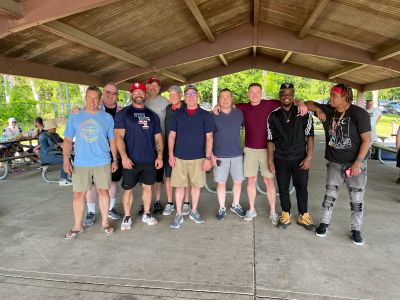


Recovery Centers of America at Indianapolis
Indianapolis, Indiana
8530 Township Line Rd, Indianapolis, IN 46260
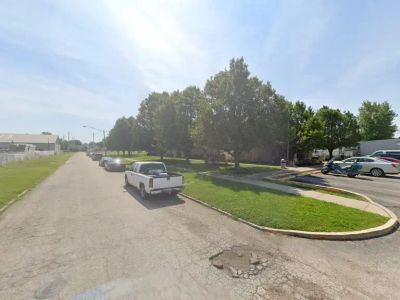
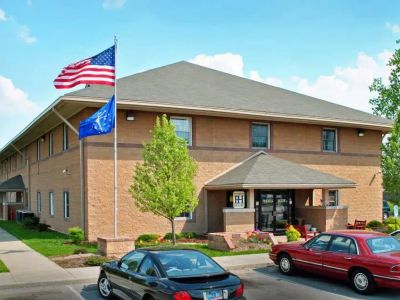

Aspire Indiana Health - Progress House
Indianapolis, Indiana
201 Shelby St., Indianapolis, IN, 46202
Get Personalized Rehab Matches in 60 Seconds
Tell us a few details and we’ll show a personalized shortlist of verified Indiana rehabs, making it simple to compare options and choose your next step with confidence.
Pinnacle Treatment Centers - 2209 John R Wooden Drive
Martinsville, Indiana
2209 John R Wooden Drive, 3rd Floor Martinsville, IN 46151
Why Trust Indiana Rehabs
As Hoosiers helping Hoosiers, we understand the unique challenges our communities face. Our team meticulously verifies every Indiana treatment center, ensuring you find trusted, local care that truly understands your journey.
About our listingsLevels of Care
Explore popular treatment options by levels of care, from flexible treatment in Outpatient centers to intensive care in Residential rehabs.
Free · 24/7 · Confidential
Talk to a Treatment Specialist
Call now to get matched with Indiana facilities that accept your insurance.
(888) 568-9930
Free
Ins. check
4.9★
Rating
HIPAA
Protected
Can't travel to a facility?
Licensed Indiana therapists via secure video — same-week appointments, evenings & weekends available.
Imagine breaking free from the four walls of a typical rehab, stepping outside, and breathing in the sharp, clean air, your feet pressing into solid earth, the sky stretching wide above you. There’s a quiet strength in nature’s embrace, a sense of possibility that’s hard to find indoors. If you’ve ever wished recovery could feel more alive, more hopeful, you’re not alone. Here in Indiana, there are paths to healing that invite you outside, turning your journey into something active, empowering, and deeply connected to the world around you.

What Is Adventure-Based Therapy?
Adventure-based therapy (ABT) is a hands-on approach to healing that uses outdoor activities and carefully designed challenges to help you build skills for recovery. It's a form of experiential therapy, which means you learn by doing rather than just talking. First introduced in the 1960s, this type of counseling moves the hard work of addiction treatment into nature, where every step forward is a real victory.
The core philosophy behind it is "challenge by choice." This isn't about pushing you past your limits; it's about inviting you to step just outside your comfort zone at a pace that feels right for you. Whether you're navigating a trail or working with a team to solve a problem, you are in control of your journey, building confidence and trust in yourself along the way.
How Does Adventure Therapy Work?
You might be wondering how paddling a canoe or hiking a trail helps with addiction. Adventure-based rehab is much more than just recreation, it's a clinically guided process where every activity has a purpose. The physical challenges you face outdoors act as powerful metaphors for the personal obstacles you're working to overcome in your recovery.
When you learn to trust a teammate to hold your rope while climbing, you’re also learning how to build healthy, reliable relationships. When you solve the problem of how to navigate a difficult trail, you're building the resilience and problem-solving skills you need to navigate cravings and triggers. These experiences create new neural pathways and prove to you, in a very real way, that you are capable of handling challenges. It’s in these moments that teamwork, trust, and self-awareness begin to feel less like ideas and more like strengths you truly possess.

Types of Adventure Therapy
adventure therapy programs include a variety of outdoor activities designed to foster personal growth and teamwork. Some common examples you might find in Indiana include:
- Hiking and Backpacking: These activities build endurance and resilience while offering quiet moments for reflection in nature.
- Rock Climbing: Whether indoors or on a natural rock face, climbing is an excellent way to build trust, communication, and problem-solving skills.
- Ropes Courses: High and low ropes courses are designed to challenge you and your group, fostering teamwork and building self-confidence.
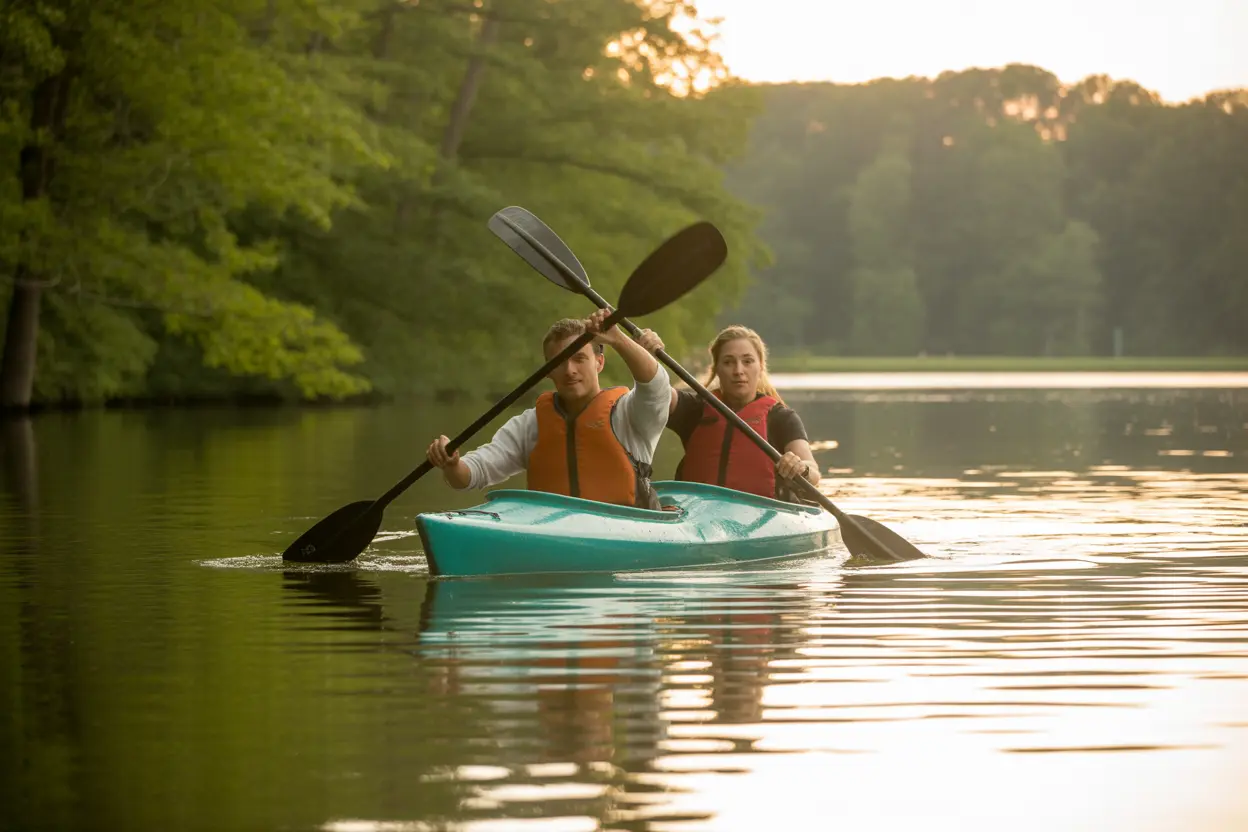
- Kayaking or Canoeing: Paddling with a partner requires synchronization and communication, serving as a direct lesson in working together toward a common goal.
- Team-Building Games: These structured exercises are designed to improve communication, leadership, and cooperation in a fun, supportive setting.
The Role of Therapists and Guides
A legitimate adventure based rehab program is always led by trained professionals. These teams include licensed therapists and certified outdoor guides who play a dual role. First and foremost, they ensure your physical safety during every activity, from checking harnesses to navigating the environment. They are equipped to handle any situation that arises, so you can focus on your healing.
Just as importantly, they facilitate the therapeutic process. After an activity, a therapist will lead group discussions to help you process the experience. This is where the magic happens. They guide you to connect the lessons from the challenge, like trusting others or finding your inner strength, to your own recovery journey. This professional oversight ensures that the experience is not only safe but also deeply therapeutic[1].
Benefits of Adventure-Based Therapy in West Virginia
Engaging in adventure-based therapy offers profound benefits that support lasting recovery. By stepping into nature and tackling real-world challenges, you can experience personal growth that is difficult to achieve in a traditional setting. One of the biggest advantages is the boost in self-esteem and confidence that comes from accomplishing something you may not have thought possible.
This hands-on approach also excels at improving communication and fostering trust among peers, creating a strong support network. The physical activity involved is a natural way to reduce stress, anxiety, and symptoms of depression, promoting mental and emotional healing. Ultimately, these experiences equip you with healthy new coping mechanisms, helping you build a resilient foundation for a life free from addiction.

Who Benefits from Experiential Therapy?
experiential therapy is a powerful option for many individuals, especially those who find it hard to connect with traditional talk therapy. It’s particularly effective for young adults who may be struggling with motivation or engagement in their treatment. People working through trauma can also find immense healing in this approach, as it allows them to rebuild a sense of safety and control in a supportive environment. Anyone looking to build self-confidence, develop better interpersonal skills, and create a stronger sense of self can benefit from this active, engaging form of therapy.

Who Isn't a Good Fit for Outdoor Therapy?
While adventure therapy is transformative for many, it's not the right fit for everyone. Individuals with certain physical disabilities or severe medical conditions might find the activities too strenuous or unsafe. Similarly, someone in an acute psychiatric crisis may need to achieve stabilization before they can fully benefit from this type of treatment. The most important step is a thorough assessment by a treatment center's clinical team. This evaluation, which is a key part of the admissions process, ensures that an adventure-based program is a safe and appropriate choice for your specific needs and physical health.
Integrating ABT with Other Therapies
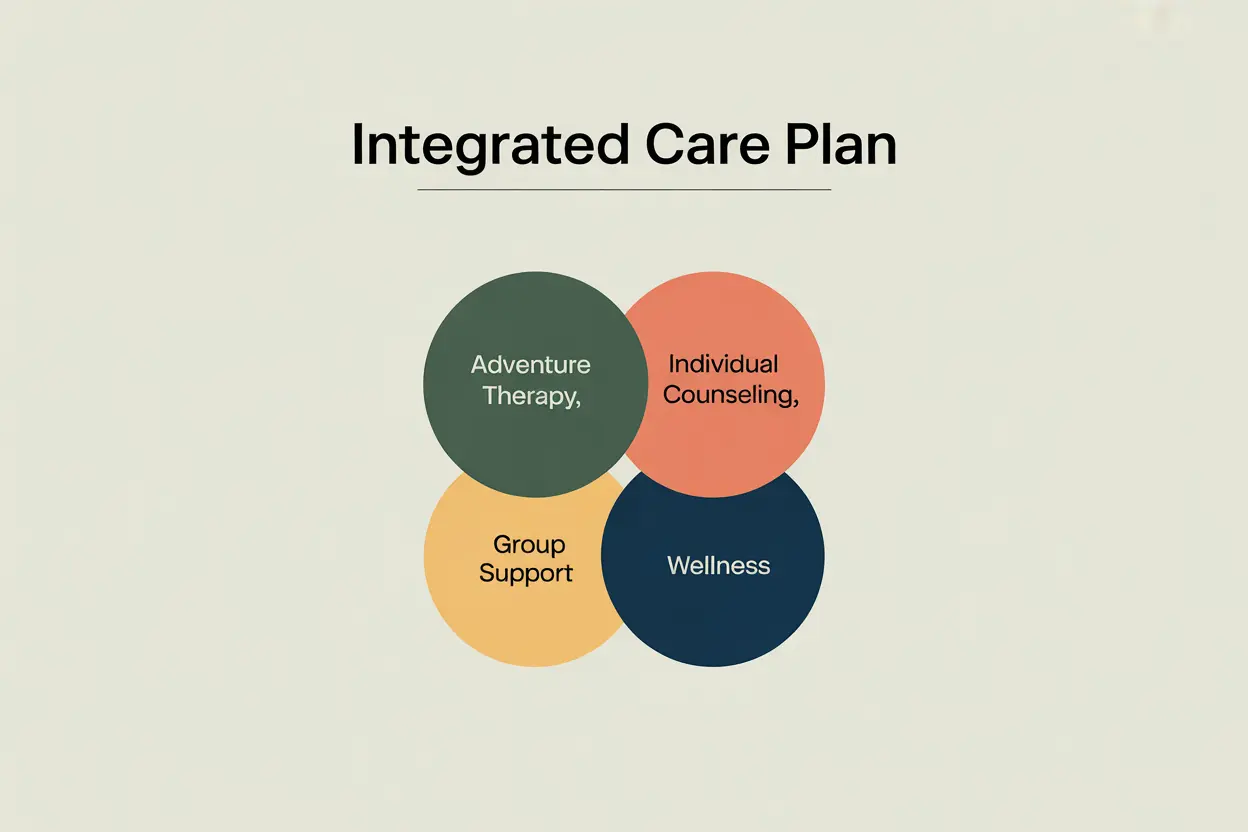
It’s important to remember that adventure-based therapy isn’t a standalone cure. Instead, it’s one powerful component of a comprehensive and holistic treatment plan. The skills and insights gained outdoors are brought back into clinical settings to be explored further. This approach complements evidence-based therapies like cognitive behavioral therapy (CBT) and dialectical behavior therapy (DBT). By integrating ABT with individual counseling and group therapy, treatment centers create a well-rounded program that addresses your mind, body, and spirit, ensuring that all therapies align with recognized clinical standards[2].
Safety Measures in ABT
Your well-being is the top priority in any reputable adventure-based program. To ensure a safe experience, these programs follow strict safety protocols and standards set for all SUD treatment facilities in Indiana[3]. Key safety measures include:
- Thorough Health Screenings: Before you participate, a full assessment ensures you are physically and mentally ready for the activities.
- Appropriate Safety Gear: Programs provide and require the use of all necessary equipment, such as helmets, harnesses, and life jackets.
- High Staff-to-Participant Ratios: Small group sizes ensure that everyone receives adequate supervision and support.
- Certified and Trained Staff: Guides and therapists hold certifications in first-aid, CPR, and emergency response to handle any situation.
Adventure-Based Addiction Treatment in Indiana
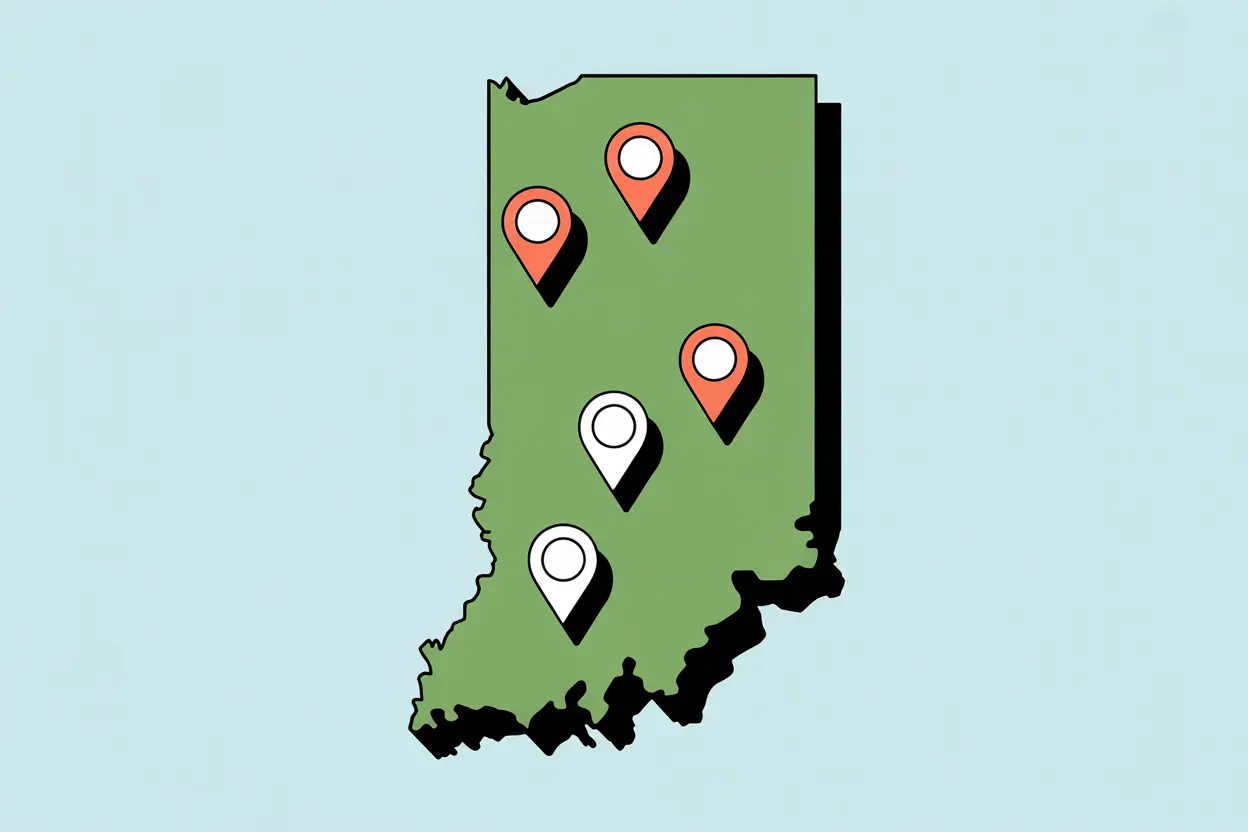
Finding the right treatment program in Indiana that incorporates adventure-based therapy is the first step toward a new kind of recovery. This approach offers a unique path to healing, and there are local centers ready to guide you. As you explore your options, it’s helpful to understand how this therapy compares to others and what to look for in a high-quality program. For a comprehensive list of licensed facilities, you can also use resources like SAMHSA's treatment locator to search for care near you.
How Does Adventure Therapy Compare to Other Addiction Therapies?
The biggest difference between adventure therapy and traditional addiction therapies lies in the approach. Traditional psychotherapy often relies on "talking" through issues in an office setting. adventure therapy, on the other hand, is about "doing." It's an active process where you physically engage with challenges and learn from direct experience. While both are valuable, the hands-on nature of ABT can create breakthroughs for those who find it difficult to open up in a conventional therapy session. Other experiential therapies, like art, music, or equine therapy, also use this 'doing' approach, offering different avenues for self-expression and healing that suit various personalities.
What We Treat At Evolve Indy, Indiana Drug Addiction Treatment Center
When you're evaluating an adventure-based rehab program, asking the right questions is key to finding a safe, effective, and reputable center. Here is a checklist to help guide your conversation with any treatment provider:
- What are the credentials of your adventure therapy staff? Look for licensed therapists and certified outdoor guides who meet state requirements[4].
- How is adventure therapy integrated into my overall clinical treatment plan? It should complement other therapies, not replace them.
- What specific safety measures and protocols do you have in place? They should be able to clearly outline their safety procedures and emergency plans.
- How do you accommodate different physical fitness levels? A good program will meet you where you are and follow the "challenge by choice" principle.
- Can you verify my insurance for this type of program? Understanding your coverage upfront is essential for peace of mind.
Start Your Recovery Journey Today
Choosing to seek help is a brave first step, and adventure-based rehab offers a powerful and effective path to recovery. It’s more than just treatment; it’s an opportunity to rediscover your strength, build lasting skills, and find hope in the great outdoors. Your journey to healing is unique, and it deserves a supportive and empowering environment.
If you’re ready to explore a new beginning, we’re here to help. You can explore programs here in Indiana or call our confidential helpline at (888) 568-9930 for guidance. The team at Indiana Rehabs is ready to support you. Please don't hesitate to get in touch with us to find the right path for you.
Frequently Asked Questions About Adventure Based Rehab in Indiana
Is outdoor therapy the same as adventure therapy?
What does adventure therapy treat?
Is adventure therapy evidence-based?
How much does rehab cost in Indiana?
Can families participate in adventure therapy?
What is the success rate of adventure based therapy?
- State of Indiana. (2014). 440 IAC 9-2-8 - Residential services for adults with addictions. Indiana Administrative Code. law.cornell.edu
- Indiana Family and Social Services Administration. (June, 2021). Substance Use Disorder (SUD)/Serious Mental Illness (SMI) Treatment. in.gov. in.gov
- U.S. Department of Health and Human Services. (August, 2021). State residential treatment for behavioral health: Indiana. ASPE. aspe.hhs.gov
- Indiana Family and Social Services Administration. (July, 2020). Certification and licensure rules and Indiana code. in.gov. in.gov