Buddhist Informed Rehab Programs

Showing 7 of 7 Results (filtered)
Featured Rehab Centers


Addiction Rehab Centers - ARC at Fox Hill | Drug & Alcohol Rehab - Mooresville Indiana
Mooresville, Indiana
12168 N Mann Rd, Mooresville, IN 46158


Recovery Centers of America at Indianapolis
Indianapolis, Indiana
8530 Township Line Rd, Indianapolis, IN 46260
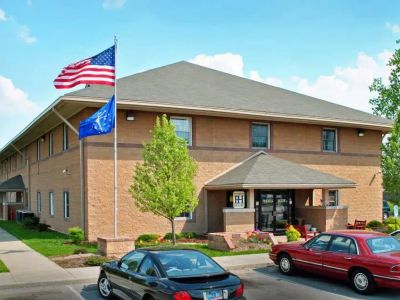

Aspire Indiana Health - Progress House
Indianapolis, Indiana
201 Shelby St., Indianapolis, IN, 46202
Get Personalized Rehab Matches in 60 Seconds
Tell us a few details and we’ll show a personalized shortlist of verified Indiana rehabs, making it simple to compare options and choose your next step with confidence.
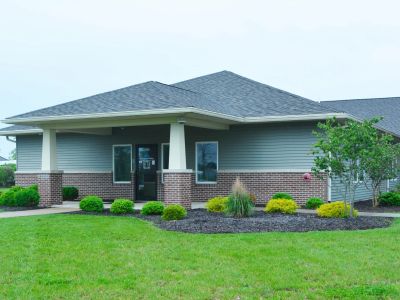

Pinnacle Treatment Centers - Cambridge City
Cambridge City, Indiana
2060 State Road 1 North, Cambridge City, IN, 47327
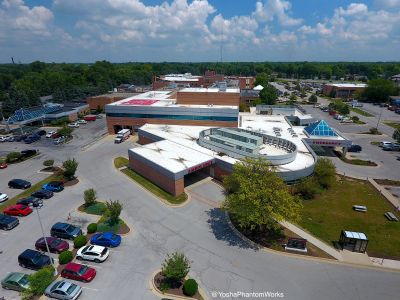
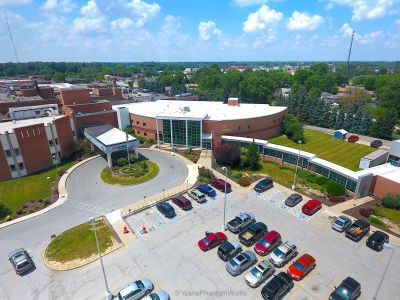

Community Health Network - Community Howard Regional Health
Kokomo, Indiana
3500 South Lafountain Street, Kokomo, IN, 46902
Pinnacle Treatment Centers - 2209 John R Wooden Drive
Martinsville, Indiana
2209 John R Wooden Drive, 3rd Floor Martinsville, IN 46151
Pinnacle Treatment Centers - 581 E. Main Street
Hagerstown, Indiana
581 E. Main Street Hagerstown, IN 47346
Why Trust Indiana Rehabs
As Hoosiers helping Hoosiers, we understand the unique challenges our communities face. Our team meticulously verifies every Indiana treatment center, ensuring you find trusted, local care that truly understands your journey.
About our listingsLevels of Care
Explore popular treatment options by levels of care, from flexible treatment in Outpatient centers to intensive care in Residential rehabs.
Free · 24/7 · Confidential
Talk to a Treatment Specialist
Call now to get matched with Indiana facilities that accept your insurance.
(888) 568-9930
Free
Ins. check
4.9★
Rating
HIPAA
Protected
Can't travel to a facility?
Licensed Indiana therapists via secure video — same-week appointments, evenings & weekends available.
When you’re caught in the cycle of addiction, it can feel like you’re always bracing for the next fight, always trying to outpace pain that never really leaves. But what if recovery wasn’t about fighting at all, what if it could be about finding peace instead? Buddhist-informed approaches offer gentle, real-world tools like mindfulness and self-awareness, showing that healing can start with compassion for yourself and grow from there.

What Are Buddhist Alcohol And Drug Rehab Centers?
A Buddhist-informed rehab isn’t about converting you to a new religion. Instead, it uses the core philosophies of Buddhism as a psychological framework for healing. The main goal is to get to the root of suffering, or what Buddhism calls *dukkha*, which so often fuels addiction. This approach helps you understand why you turn to substances in the first place, offering a path to healing that comes from within.
This type of treatment exists on a spectrum. Some rehab centers might incorporate daily meditation and mindfulness into a more traditional recovery program, while others offer fully immersive experiences that feel more like a modern monastery. No matter the level of immersion, a day in a Buddhist-informed recovery program often includes activities like guided meditation, yoga, group therapy sessions, and talks about core Buddhist concepts. It’s all designed to build self-awareness and provide practical tools for managing life without relying on substances.
What Are Refuge Recovery Programs?
You might also hear about specific programs like Refuge Recovery and Recovery Dharma. Refuge Recovery is a non-theistic, evidence-based program that uses Buddhist principles and meditation as the foundation for its recovery path[1]. Think of it as a peer support community, much like other well-known groups, but with a focus on mindfulness and the Four Noble Truths instead of a higher power. Recovery Dharma is another popular community that offers a similar peer-led path to recovery from addiction using Buddhist practices and principles[2]. Both offer a structured yet gentle approach to healing.
The Four Noble Truths
At the heart of Buddhist philosophy are the Four Noble Truths. In the context of addiction, they offer a clear and compassionate way to understand your experience without judgment. They provide a framework that acknowledges pain while offering a practical, hopeful path forward. Many people in recovery find that these truths help them make sense of their struggles and feel empowered to change[3]. Here’s how they apply:
- The Truth of Suffering: This truth simply states that life includes suffering. Addiction is a profound form of this suffering. Acknowledging this isn't about wallowing in pain; it's about validating your experience and realizing you're not alone.
- The Truth of the Cause of Suffering: This truth explains that suffering comes from craving and attachment. In addiction, this is the intense desire for a substance and the attachment to the feeling it provides, creating a cycle that’s hard to break.
- The Truth of the End of Suffering: This is the truth of hope. It says that you don't have to suffer forever. It is possible to end the cycle of craving and find freedom from addiction.
- The Truth of the Path: This truth lays out the "how." It introduces the Eightfold Path as the practical, step-by-step guide to ending suffering and achieving lasting recovery.
The Eightfold Path of Dharma Recovery
The Eightfold Path is the roadmap for putting the Four Noble Truths into action. It’s not a list of rigid rules but a set of interconnected practices that help you build a more mindful and intentional life. Each step supports the others, creating a foundation for sustainable Dharma Recovery.
- Right Understanding: Seeing things as they really are, which means understanding the nature of addiction and the Four Noble Truths.
- Right Intention: Committing to the path of healing with compassion for yourself and others.
- Right Speech: Speaking truthfully and kindly, which helps rebuild trust in your relationships and with yourself.
- Right Action: Behaving in ways that don't cause harm, like abstaining from substance use and acting with integrity.
- Right Livelihood: Earning a living in a way that is ethical and doesn't contribute to harm.
- Right Effort: Gently but persistently working to let go of unhealthy patterns and cultivate positive ones.
- Right Mindfulness: Paying attention to the present moment without judgment. Using meditation therapies helps you observe cravings without acting on them.
- Right Concentration: Developing the ability to focus your mind, which strengthens your mindfulness practice and inner calm.

Benefits Of A Buddhist-Based Rehab Center
Choosing a Buddhist-based rehab center offers a unique set of benefits that can create deep, lasting change. This approach equips you with practical tools for navigating life’s challenges long after you leave treatment.
- Develop Emotional Regulation: Through mindfulness, you learn to observe your feelings without being overwhelmed by them. This skill is crucial for managing stress and triggers, which improves your ability to stay on the path to recovery[4].
- Reduce Shame and Guilt: By viewing addiction as a form of suffering rather than a moral failure, you can let go of the shame that often holds people back. This shift in perspective allows for true healing.
- Build Self-Compassion: Buddhism teaches kindness and forgiveness toward oneself. Learning to treat yourself with compassion is a powerful antidote to the harsh inner critic that often accompanies addiction.
- Create a Supportive Community: These programs foster a strong sense of community built on shared understanding and mutual respect. Connecting with others on a similar path provides encouragement and reduces feelings of isolation.
- Gain Practical Life Skills: The principles of the Eightfold Path offer a guide for living with integrity, purpose, and peace, helping you build a life that feels authentic and fulfilling. Many find this complements a holistic rehab program focused on whole-person wellness.
Find Substance Abuse Treatment Today
If this compassionate, mindful approach to recovery resonates with you, it’s time to explore your options. Finding the right substance abuse treatment is a personal journey, and there are excellent Buddhist-informed rehab centers right here in Indiana ready to help[5]. Whether you're looking for inpatient care or an outpatient program, you can find a facility that aligns with your values.
You can start by exploring our directory of Buddhist-informed programs below. For those in our community, you can also find support through local peer-led groups like Recovery Dharma Indiana meetings. Many of these programs are covered by insurance, including plans under the Healthy Indiana Plan (HIP)[6]. You can take the first step by using our free and confidential tool to verify your insurance coverage online.
Taking that first step can feel overwhelming, but you don’t have to do it alone. You deserve a recovery path that feels right for you, one that replaces chaos with calm and self-judgment with self-compassion. If you're ready to talk, our team is here to listen without judgment and guide you toward the help you need. We understand, and we’re here to support you. You can call our 24/7 helpline at (888) 568-9930 or get in touch through our contact page. At Indiana Rehabs, we believe that a peaceful recovery is possible, and it can start today.
Frequently Asked Questions About Buddhist-Informed Addiction Treatment
Do you have to be a Buddhist to go to a Buddhist rehab?
What is the difference between Buddhist rehab and AA?
What happens in a Buddhist alcohol and drug rehab center?
How does mindfulness help with addiction?
Is a Buddhist approach to recovery a form of holistic treatment?
- Refuge Recovery World Services. A Buddhist path to recovering from addiction. Refuge Recovery World Services. refugerecovery.org
- Recovery Dharma. Peer-led addiction recovery using Buddhist principles. Recovery Dharma. recoverydharma.org
- Ami, Z. et al. (March, 2023). The role of mindfulness, meditation, and peer support in recovery from substance use disorder: a survey of the Recovery Dharma program. Journal of Substance Use. ncbi.nlm.nih.gov
- Celentano, A. et al. (April, 2024). Emotion regulation predicts recovery capital beyond mindfulness... in a Buddhist-inspired mutual-aid recovery program. Journal of Substance Use. ncbi.nlm.nih.gov
- Indiana FSSA, Division of Mental Health and Addiction. (2020). Find addiction treatment. Indiana Family and Social Services Administration. in.gov
- State of Indiana. (10-19-2023). Healthy Indiana Plan (HIP) substance use disorder (SUD) summative evaluation report. Centers for Medicare & Medicaid Services. medicaid.gov