
Healthcare Professional Program Programs in Indiana



Showing 4 of 4 Results (filtered)
Featured Rehab Centers

Indiana Professionals Recovery Program
Valparaiso, Indiana
13 Lincolnway suite 205, Valparaiso, IN 46383



Recovery Centers of America at Indianapolis
Indianapolis, Indiana
8530 Township Line Rd, Indianapolis, IN 46260
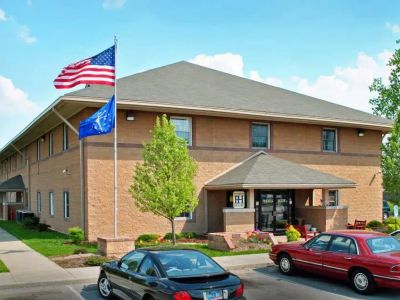

Aspire Indiana Health - Progress House
Indianapolis, Indiana
201 Shelby St., Indianapolis, IN, 46202
Get Personalized Rehab Matches in 60 Seconds
Tell us a few details and we’ll show a personalized shortlist of verified Indiana rehabs, making it simple to compare options and choose your next step with confidence.
Pinnacle Treatment Centers - 2209 John R Wooden Drive
Martinsville, Indiana
2209 John R Wooden Drive, 3rd Floor Martinsville, IN 46151
Why Trust Indiana Rehabs
As Hoosiers helping Hoosiers, we understand the unique challenges our communities face. Our team meticulously verifies every Indiana treatment center, ensuring you find trusted, local care that truly understands your journey.
About our listingsLevels of Care
Explore popular treatment options by levels of care, from flexible treatment in Outpatient centers to intensive care in Residential rehabs.
Free · 24/7 · Confidential
Talk to a Treatment Specialist
Call now to get matched with Indiana facilities that accept your insurance.
(888) 568-9930
Free
Ins. check
4.9★
Rating
HIPAA
Protected
Can't travel to a facility?
Licensed Indiana therapists via secure video — same-week appointments, evenings & weekends available.
Every day, you show up for others, caring for patients with steady hands, all while carrying your own silent worries. The stakes in your world are sky-high, and the fear of risking your career or reputation can make it feel impossible to reach out for help. But you’re not the only one facing these pressures, and you deserve a safe way through. In Indiana, there are confidential support programs created just for healthcare professionals like you, offering real help without putting your future on the line.

What are the Iowa Professional Health Programs?
In Indiana, a healthcare professional program serves as a confidential resource for practitioners facing challenges that could impact their ability to practice safely. Often called impaired practitioner or professional monitoring programs, these services are designed to be supportive, not punitive. They provide a private path to recovery for health care professionals dealing with substance abuse, mental health conditions, or other personal impairments. The primary goal is to help a licensee get the treatment they need so they can return to their practice safely and effectively, without facing immediate disciplinary action.
These programs are available to a wide range of professionals, including:
- Physicians
- Nurses
- Dentists
- Pharmacists
- Therapists and Counselors
- Veterinarians
By offering a structured framework for recovery, these programs help you navigate challenges while protecting the career you’ve worked so hard to build. Indiana offers specialized support for healthcare workers, ensuring you have access to resources that understand the unique pressures of your field. Many facilities also provide a dedicated professional track for treatment tailored to your specific needs.
Why Use the Iowa Professional Health Programs?
Choosing to participate in an Indiana healthcare professional program is a proactive step toward protecting both your well-being and your career. The most significant benefit is that it offers a confidential alternative to disciplinary action from licensing boards. Instead of facing potential sanctions or the loss of your license, you’re given a structured, supportive path toward recovery. This approach prioritizes your health and helps ensure you can continue to practice safely, which also protects the public.
Key advantages of participating in these programs include:
- Confidentiality: Your participation is kept private from the public and your licensing board, as long as you maintain compliance with the program.
- Structured Support: You receive a comprehensive plan that includes treatment, monitoring, and guidance to help you manage your recovery effectively.
- Advocacy: The program can act as a positive advocate on your behalf with your licensing board, demonstrating your commitment to safe practice.
- Public Safety: By seeking help, you are taking a responsible step that promotes safety for your patients and community.
Confidentiality
Confidentiality is a cornerstone of these programs. When you voluntarily participate and follow the agreed-upon monitoring plan, your involvement is not typically reported to your licensing board or released as a public record. This layer of privacy allows you to focus entirely on your recovery without the fear of immediate professional backlash. However, it's important to understand that this protection depends on your compliance. Confidentiality may be broken if you fail to adhere to your contract, drop out of the program, or if your impairment poses a direct and immediate threat to public safety.

IPHP Process
Navigating the path to recovery through an Indiana healthcare professional program, sometimes known as an HPSP or IPHP, involves a clear, structured process designed to support you every step of the way. It begins when you either self-report or are referred by a colleague, employer, or your licensing board. From there, the steps are straightforward and focused on creating a personalized plan for your success.
The typical process includes:
- Initial Contact & Intake: A confidential call to the program to discuss your situation and determine eligibility.
- Comprehensive Evaluation: A thorough assessment by qualified clinicians to understand the nature of the impairment and recommend appropriate treatment.
- Monitoring Contract: If treatment is recommended, you'll work with the program to develop a formal agreement. This contract outlines the specific requirements for your recovery, which may include therapy, support group attendance, and regular check-ins.
- Ongoing Monitoring: You’ll receive continuous support and monitoring to ensure you’re meeting the terms of your contract and making steady progress in your recovery.
Self-Report
Making the decision to self-report is one of the most powerful steps a licensee can take. Voluntarily seeking assistance is viewed as a sign of insight and strength, and it is the most common and confidential way to enter a program. When you reach out for help yourself, you take control of the situation and begin the process on your own terms. This proactive approach often provides the highest level of confidentiality and avoids the potential complications of a formal investigation that could arise from being reported by a colleague, patient, or employer.
Taking the Next Step for Your Health and Career
Reaching out for help isn't a sign of weakness; it's a demonstration of strength, integrity, and commitment to your patients and your career. Indiana’s healthcare professional programs are built on the belief that good people sometimes face difficult challenges, and they deserve a chance to heal. These programs provide the confidential support and structure needed to navigate recovery while protecting the future you've worked so hard to create. You don't have to carry this burden alone. The right assistance is available to help you get back on track safely and confidently.
Taking this step can feel overwhelming, but a confidential conversation is the best place to start. If you’re ready to learn more about how these programs can provide support for your health and career, call our helpline at (888) 568-9930. Our team at Indiana Rehabs is here to listen without judgment and help you explore your options. You can also find more helpful resources on our site or contact us to find the right path forward.