Medical Model Rehab Programs

Showing 14 of 14 Results (filtered)
Featured Rehab Centers


Addiction Rehab Centers - ARC at Fox Hill | Drug & Alcohol Rehab - Mooresville Indiana
Mooresville, Indiana
12168 N Mann Rd, Mooresville, IN 46158


Spero Health
Richmond, Indiana
18 SW 5th St, Richmond, IN 47374



Addiction Rehab Centers - ARC | Drug & Alcohol Rehab - Addiction Treatment in Indianapolis, IN
Indianapolis, Indiana
7322 Noel Rd, Indianapolis, IN 46278
Get Personalized Rehab Matches in 60 Seconds
Tell us a few details and we’ll show a personalized shortlist of verified Indiana rehabs, making it simple to compare options and choose your next step with confidence.

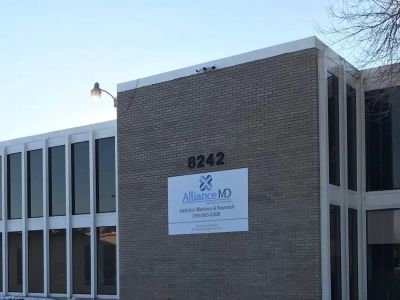

Alliance MD
Michigan City, Indiana
10176 W 400 N c, Michigan City, IN 46360

CleanSlate Outpatient Addiction Medicine
Noblesville, Indiana
18051 River Rd Suite 101, Noblesville, IN 46062

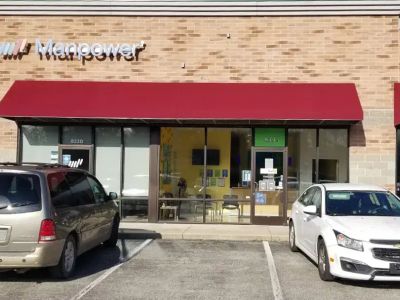
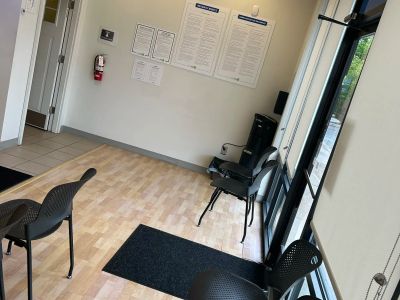
CleanSlate Outpatient Addiction Medicine
Greencastle, Indiana
833 Indianapolis Rd Suite E, Greencastle, IN 46135
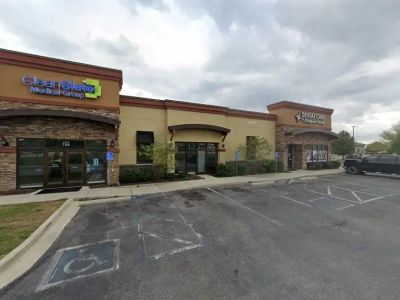
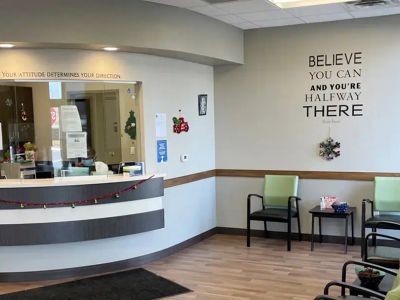
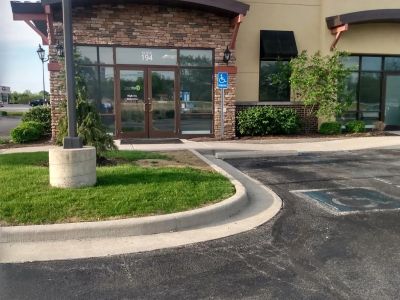
CleanSlate Outpatient Addiction Medicine
Plainfield, Indiana
2455 E Main St Suite #194, Plainfield, IN 46168


First City Recovery Center
Kokomo, Indiana
317 W Jefferson St, Kokomo, IN, 46901
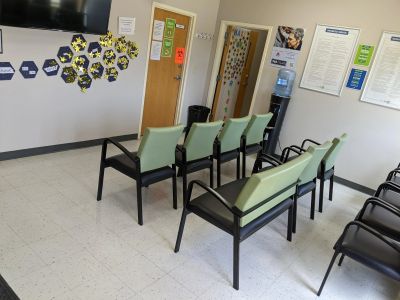
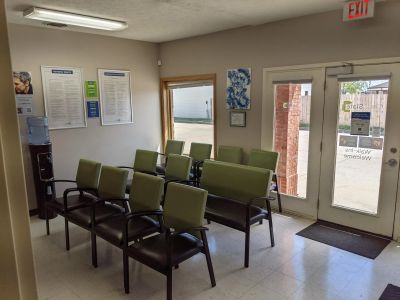

CleanSlate Outpatient Addiction Medicine
Lafayette, Indiana
30 Professional Ct #2A, Lafayette, IN 47905



Recovery Centers of America at Indianapolis
Indianapolis, Indiana
8530 Township Line Rd, Indianapolis, IN 46260

Aspire Indiana Health - Progress House
Indianapolis, Indiana
201 Shelby St., Indianapolis, IN, 46202

Pinnacle Treatment Centers - Cambridge City
Cambridge City, Indiana
2060 State Road 1 North, Cambridge City, IN, 47327
Pinnacle Treatment Centers - 2209 John R Wooden Drive
Martinsville, Indiana
2209 John R Wooden Drive, 3rd Floor Martinsville, IN 46151
Centerstone - Foster Care Services
New Castle, Indiana
3337 South State Rd 3 New Castle, IN 47362
Why Trust Indiana Rehabs
As Hoosiers helping Hoosiers, we understand the unique challenges our communities face. Our team meticulously verifies every Indiana treatment center, ensuring you find trusted, local care that truly understands your journey.
About our listingsLevels of Care
Explore popular treatment options by levels of care, from flexible treatment in Outpatient centers to intensive care in Residential rehabs.
Free · 24/7 · Confidential
Talk to a Treatment Specialist
Call now to get matched with Indiana facilities that accept your insurance.
(888) 568-9930
Free
Ins. check
4.9★
Rating
HIPAA
Protected
Can't travel to a facility?
Licensed Indiana therapists via secure video — same-week appointments, evenings & weekends available.
When you start searching for addiction or mental health support, it’s easy to get lost in a sea of options, words like holistic, social, and medical seem to pop up everywhere. One term you’ll hear a lot is the “medical model,” but what does that actually mean for your recovery and your everyday life? It’s completely normal to feel confused or overwhelmed. By understanding what the medical model really offers and how it compares to other approaches, you’ll be better equipped to find clear, practical, and evidence-based care right here in Indiana.

The medical model
At its heart, the medical model views addiction and mental health conditions as a disease, not a personal or moral failure. Think of it like managing a chronic illness such as diabetes or high blood pressure. You wouldn't blame someone for having diabetes, right? Instead, you’d focus on getting a proper diagnosis and following a treatment plan to manage the symptoms. The medical model applies this same logic to substance use and mental health disorders.
This perspective, sometimes called the biomedical model, centers on the idea that these conditions stem from biological and physiological factors. The focus is on identifying the underlying sickness to create an effective treatment strategy. It removes blame and shame from the equation and frames recovery as a healthcare issue. By seeing addiction as a treatable illness, this approach opens the door to evidence-based medical interventions that can help manage symptoms and support long-term healing.
Features of the medical model of disability
In a rehab setting, the medical model has several distinct features that shape the patient experience. Understanding these can help you know what to expect from a program that follows this approach.
- A Disease-Centered Approach: The core belief is that addiction is a chronic, treatable brain disease. This view guides all aspects of care, from diagnosis to long-term management.
- Focus on Diagnosis and Treatment: A thorough assessment is the first step. Healthcare professionals work to understand the specific biological and neurological factors contributing to the illness, leading to a clear diagnosis.
- Care from a Professional Healthcare Team: Your treatment is led by licensed medical professionals, including doctors, nurses, and psychiatrists. This ensures your physical health is monitored and cared for throughout recovery, especially during detox.
- Use of Medication-Assisted Treatment (MAT): Programs often use FDA-approved medications to manage withdrawal symptoms, reduce cravings, and support recovery.[1] This is a key part of many evidence-based treatment plans.
- Individualized Treatment Plans: Based on your unique diagnosis and health needs, the medical team creates a personalized treatment plan.[2] This plan outlines the specific medical interventions, therapies, and medications that will be used to help you heal.
A brief overview of disability models
It’s helpful to know that the medical model isn’t the only way to understand health conditions. Two other common perspectives are the social model and the biopsychosocial model. Each one offers a different lens through which to view disability and recovery, and many modern treatment centers blend elements from all three.
The social model, for example, argues that society creates barriers that "disable" people. From this perspective, the problem isn't the individual's condition but rather the lack of accommodations, like buildings without ramps or workplaces that don't support mental health needs. The biopsychosocial model acts as a bridge, suggesting that a combination of biological (genes, chemistry), psychological (thoughts, emotions), and social (family, culture) factors all contribute to a person's health.[3]
Here’s a simple breakdown of how these three models compare:
| Model | Core Belief | Focus of Treatment |
|---|---|---|
| Medical Model | The problem is the individual's impairment or illness. | Medical diagnosis, medication, and professional intervention to "fix" the problem. |
| Social Model | The problem is the physical and social environment that creates barriers. | Removing societal barriers, advocating for inclusion, and making systemic changes. |
| Biopsychosocial Model | The problem arises from a mix of biological, psychological, and social factors. | An integrated approach that includes medical care, therapy, and social support. |
Limitations of the social model
While discussing different perspectives, it's important to recognize that no single model is perfect. A common critique of the medical model is that it can be reductionist, meaning it might focus so much on the biological aspects of an illness that it overlooks important psychological and social factors. For example, treating a substance use disorder with medication alone might ignore the environmental triggers or past trauma that contribute to the patient's condition. This can sometimes create a dynamic where the patient feels like a passive recipient of care rather than an active partner in their own recovery.
On the other hand, a purely social model can have its own limitations. By focusing only on societal barriers, it might downplay the very real physical and emotional pain that an individual experiences. The most effective approach, and the one many dual diagnosis treatment programs now use, is one that integrates the strengths of each model to provide comprehensive, whole-person care.
Do biomedical models of illness make for good healthcare systems?
So, does a biomedical view lead to good healthcare? In many ways, yes. The medical model provides a clear, structured framework for care that is grounded in scientific evidence. It excels at managing acute medical crises, such as the dangerous symptoms of alcohol or drug withdrawal, making medically supervised detox programs incredibly valuable. By treating addiction as a chronic brain disease and using medications to address chemical imbalances in mental illness, this approach has helped countless individuals stabilize their health and begin recovery.
In Indiana, expanding access to these medical interventions has been shown to improve how many people engage with and stay in treatment.[4] This has led to practical benefits like having more treatment providers available across the state.[5]

However, the primary drawback is that a purely biomedical approach can be incomplete. Lasting recovery often requires more than just medical treatment. For a whole-person approach, these medical treatments need to be supplemented with psychological therapies, family counseling, and social support systems. The goal is to address not just the physical illness but also the emotional, mental, and environmental factors that play a role in a person's well-being.
How to Find a Medical Model Rehab in Indiana
Finding a rehab facility in Indiana that aligns with the medical model is straightforward when you know what to look for. These programs are often licensed and certified by the state, ensuring they meet specific standards for clinical care.[6] You can start your search by exploring a directory of rehabilitation centers in Indiana and filtering by the treatment approach or level of care you need.
When you're looking at a facility's website or speaking with an admissions counselor, here are a few key questions to ask to determine if they follow a medical model:
- Do you have medical doctors and licensed nurses on staff 24/7?
- Is the treatment program overseen by a clinical director with medical credentials?
- Do you offer FDA-approved Medication-Assisted Treatment (MAT) for opioid or alcohol use disorders?
- Does the intake process include a comprehensive medical and psychiatric evaluation?
- Are individualized treatment plans developed and regularly reviewed by a medical team?
Asking these questions will help you find a program that provides the evidence-based, clinical care central to this approach. You can learn more about the state's requirements by reviewing the Indiana DMHA Certification Rules for addiction treatment providers.[7]
Take the Next Step Toward Recovery
Understanding the different approaches to treatment is a huge first step toward making an empowered choice for yourself or a loved one. The medical model offers a structured, evidence-based path that can be incredibly effective, especially in the early stages of recovery. It treats addiction and mental illness with the seriousness they deserve, as legitimate health conditions requiring expert care. While the best long-term results often come from an integrated approach that also addresses your emotional and social well-being, a strong medical foundation can provide the stability needed to begin healing.
You don't have to navigate this journey alone. If you’re ready to find clear, compassionate, and effective treatment, we’re here to help. Call us at (888) 568-9930 to speak with a care coordinator, or explore our resources to find the right path for you. At Indiana Rehabs, we're committed to connecting you with the care you need to build a healthier life. If you have questions about the process, don't hesitate to reach out to us today.
Frequently Asked Questions About Medical Model Rehab in Indiana
What are the main benefits of a medical model rehab program?
What is Medication-Assisted Treatment (MAT)?
Does the medical model mean I’ll only receive medication?
What happens during detox in a medical model program?
Does the medical model address a person's mental and social needs?
How can I decide if a medical model rehab is the right fit for me?
- Substance Abuse and Mental Health Services Administration. (2021). National Survey of Substance Abuse Treatment Services (N-SSATS), 2020. Substance Abuse and Mental Health Services Administration. samhsa.gov
- National Academies of Sciences, Engineering, and Medicine. (2020). Tracking the quality of addiction treatment over time and across modalities. National Academies Press. ncbi.nlm.nih.gov
- American Society of Addiction Medicine. (n.d.). About The ASAM Criteria. American Society of Addiction Medicine. asam.org
- Indiana Family and Social Services Administration. (10-19-2023). Indiana Healthy Indiana Plan SUD demonstration summative evaluation report. Centers for Medicare & Medicaid Services. medicaid.gov
- Indiana Family and Social Services Administration. (November, 2024). Next Level Recovery progress report. State of Indiana. in.gov
- U.S. Department of Health and Human Services. (August, 2021). State residential treatment for behavioral health conditions: Indiana. Office of the Assistant Secretary for Planning and Evaluation. aspe.hhs.gov
- Indiana FSSA, Division of Mental Health and Addiction. (n.d.). For addiction providers. Indiana Family and Social Services Administration. in.gov