Non-12-Step Rehab Programs

Showing 12 of 12 Results (filtered)
Featured Rehab Centers

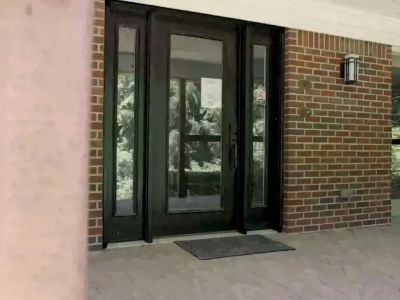
Addiction Rehab Centers - ARC at Fox Hill | Drug & Alcohol Rehab - Mooresville Indiana
Mooresville, Indiana
12168 N Mann Rd, Mooresville, IN 46158
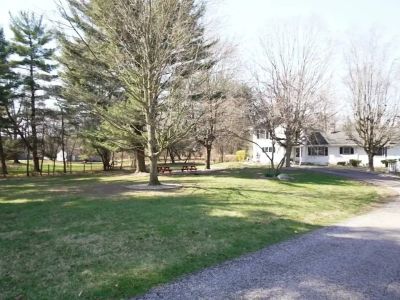
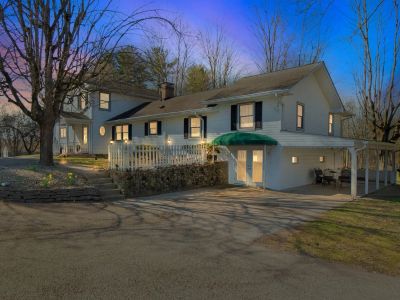
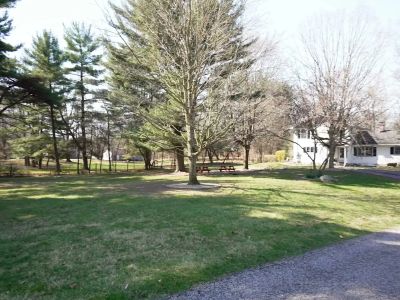
Addiction Rehab Centers - ARC | Drug & Alcohol Rehab - Addiction Treatment in Indianapolis, IN
Indianapolis, Indiana
7322 Noel Rd, Indianapolis, IN 46278
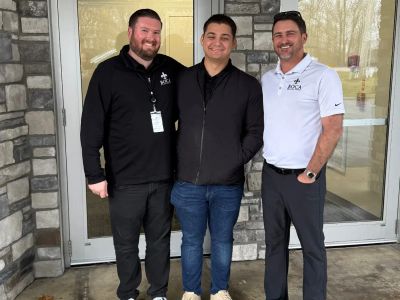
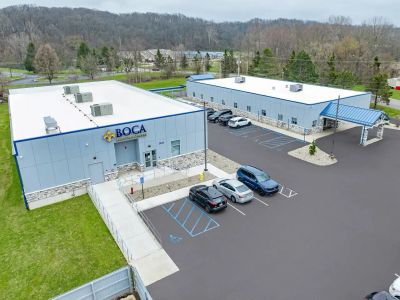
Boca Recovery Center - Indiana Drug and Alcohol Rehab
Huntington, Indiana
3040 W Park Dr, Huntington, IN 46750
Get Personalized Rehab Matches in 60 Seconds
Tell us a few details and we’ll show a personalized shortlist of verified Indiana rehabs, making it simple to compare options and choose your next step with confidence.
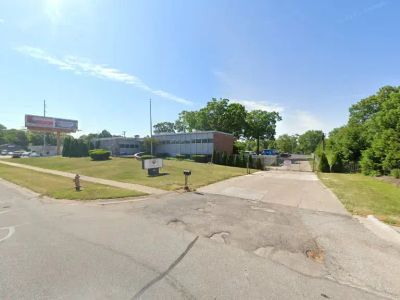
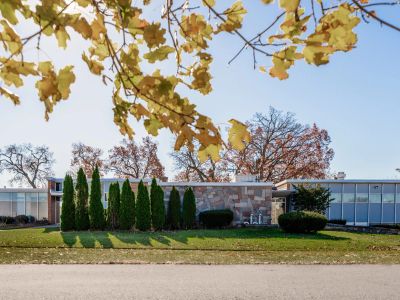
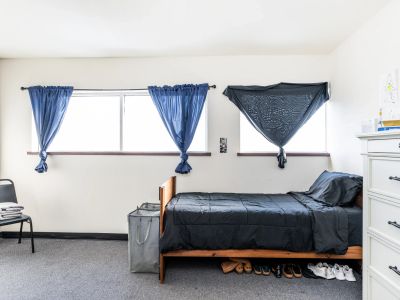
Cardinal Recovery
Franklin, Indiana
1130 West Jefferson St, Franklin, IN, 46131
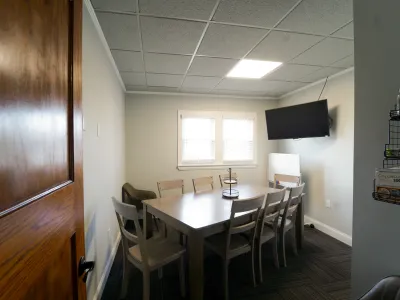
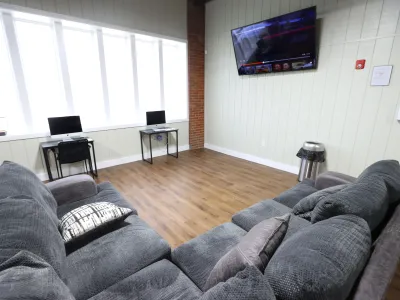
First City Recovery Center
Kokomo, Indiana
317 W Jefferson St, Kokomo, IN, 46901
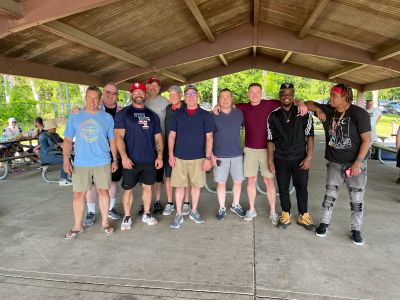


Recovery Centers of America at Indianapolis
Indianapolis, Indiana
8530 Township Line Rd, Indianapolis, IN 46260
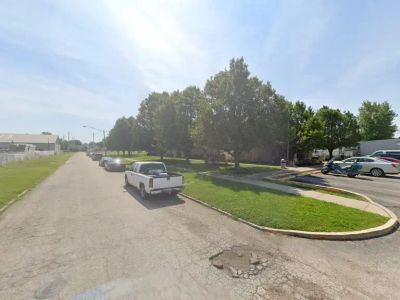
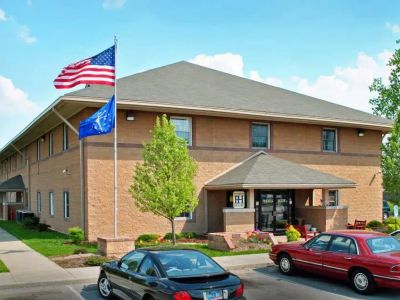
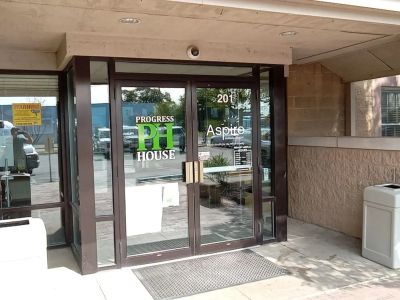
Aspire Indiana Health - Progress House
Indianapolis, Indiana
201 Shelby St., Indianapolis, IN, 46202
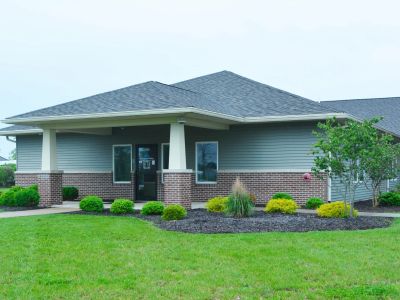

Pinnacle Treatment Centers - Cambridge City
Cambridge City, Indiana
2060 State Road 1 North, Cambridge City, IN, 47327
Recover Together - Connersville
Connersville, Indiana
2508 Western Ave Ste D Connersville, IN 47331
Pinnacle Treatment Centers - 2209 John R Wooden Drive
Martinsville, Indiana
2209 John R Wooden Drive, 3rd Floor Martinsville, IN 46151
Centerstone - Foster Care Services
New Castle, Indiana
3337 South State Rd 3 New Castle, IN 47362
Pinnacle Treatment Centers - 581 E. Main Street
Hagerstown, Indiana
581 E. Main Street Hagerstown, IN 47346
Why Trust Indiana Rehabs
As Hoosiers helping Hoosiers, we understand the unique challenges our communities face. Our team meticulously verifies every Indiana treatment center, ensuring you find trusted, local care that truly understands your journey.
About our listingsLevels of Care
Explore popular treatment options by levels of care, from flexible treatment in Outpatient centers to intensive care in Residential rehabs.
Free · 24/7 · Confidential
Talk to a Treatment Specialist
Call now to get matched with Indiana facilities that accept your insurance.
(888) 568-9930
Free
Ins. check
4.9★
Rating
HIPAA
Protected
Can't travel to a facility?
Licensed Indiana therapists via secure video — same-week appointments, evenings & weekends available.
What if the most well-known path to sobriety doesn't align with your personal beliefs or the way you see the world? It's easy to feel out of place or even left behind when traditional 12-step programs don't quite fit who you are or what you need. The truth is, there are other routes, ones that focus on evidence, individuality, and real connection, waiting for you right here in Indiana. Recovery can be tailored to you, and it can start with a choice that finally feels right.

What Are Non-12-Step Programs?
When you think of addiction recovery, the first thing that often comes to mind is Alcoholics Anonymous (AA) and its 12-step model. For decades, it has been a cornerstone of support for many. At its core, the 12-step process involves admitting powerlessness over addiction and turning to a higher power for strength. But for some, this approach doesn't resonate, and that’s completely okay.
A non 12 step rehab offers a different perspective. These programs are secular, science-based alternatives that focus on empowerment rather than powerlessness. Instead of asking you to surrender control, they aim to equip you with the psychological tools and coping skills needed to manage your own recovery journey. The focus shifts from external guidance to internal strength, using evidence-based therapies to help you understand and change the behaviors tied to addiction. It’s a path that honors your ability to heal from within, providing practical strategies for real-world challenges. For those seeking secular recovery options, this approach provides a framework built on self-reliance and proven therapeutic methods.
Types of Recovery Meetings and Programs
One of the greatest strengths of non-12-step recovery is its diversity. There isn't just one alternative path; there are many. This variety allows you to find a program that truly aligns with your personality, beliefs, and specific needs. From behavioral therapies that rewire thought patterns to peer groups that foster connection without dogma, you have options. Let's explore some of the most common and effective approaches you’ll find in Indiana.
Evidence-Based Behavioral Therapy for Addiction
The foundation of most non-12-step rehab centers is evidence-based treatment, meaning the methods used are backed by scientific research. Chief among these is cognitive behavioral therapy (CBT), a practical approach that helps you identify and change destructive thinking patterns and behaviors related to substance use. It teaches you to recognize triggers, manage cravings, and develop healthier coping mechanisms. Other therapies, like dialectical behavior therapy (DBT), are often used to help individuals struggling with co-occurring mental health conditions by teaching skills in emotional regulation and mindfulness. These behavioral therapy techniques empower you with lifelong tools for maintaining sobriety.
Secular Peer Support Groups
Connection with others who understand your journey is a vital part of recovery, and it doesn’t require a spiritual framework. Secular peer support groups offer a sense of community based on shared experiences and mutual empowerment.
- SMART Recovery: This popular alternative uses a 4-Point Program that focuses on building and maintaining motivation, coping with urges, managing thoughts and feelings, and living a balanced life. The meetings are more like workshops, using tools from CBT and other evidence-based practices. You can learn more about SMART Recovery programs in Indiana to see if it’s the right fit for you.
- LifeRing Secular Recovery: LifeRing emphasizes personal empowerment with a simple philosophy: you are the best person to design your own recovery plan. Meetings are positive, confidential conversations where members share insights and strategies for staying sober.
- Secular Organizations for Sobriety (S.O.S.): S.O.S. is a network of autonomous groups that respect individuality and all paths to recovery. The core principle is taking responsibility for one's own sobriety, one day at a time.
Holistic and Alternative Therapies
Addiction affects your mind, body, and spirit. Holistic treatments recognize this connection and aim to heal the whole person, not just the symptoms of substance use. These therapies are often used alongside clinical care to reduce stress, improve self-awareness, and support overall well-being. Examples include mindfulness and meditation, which can help you stay grounded in the present moment, as well as yoga, which connects physical movement with mental clarity. art therapy, nutritional counseling, and adventure therapy are other common offerings that help you rediscover healthy passions and build a fulfilling life in recovery.
Who Can Benefit from Non-12-Step Programs?
Non-12-step programs offer a welcoming and effective path for many people. While anyone can find success in this model, it may be especially beneficial for certain individuals. You might thrive in a non-12-step environment if you are:
- Uncomfortable with religious or spiritual elements: If the concept of a "higher power" feels like a barrier, a secular, evidence-based program provides a comfortable alternative.
- Dealing with a co-occurring mental health condition: Many non-12-step programs are specifically designed to address dual diagnosis, integrating mental health care with addiction treatment from day one. You can find dual diagnosis treatment centers that specialize in this integrated approach.
- Someone who prefers a scientific approach: If you feel more confident with strategies backed by data and psychological research, the focus on CBT and other evidence-based therapies will align with your values.
- Wanting an empowered role in your recovery: These programs are built on the belief that you have the internal resources to achieve sobriety. They focus on teaching you skills rather than asking you to surrender control.
Finding a program that you genuinely connect with is key to long-term success. Studies show that individuals who remain abstinent for five or more years have a relapse rate of less than 15%. A personalized approach can help you build the foundation for that lasting recovery.
Finding Non-12 Step and AA Alternatives
Finding the right help right here in Indiana is easier than you might think. The key is to know what to look for and what questions to ask. When you start your search for a non-12-step treatment center, focus on finding a program that feels right for you. Look for facilities with proper accreditation, such as from The Joint Commission, which signals a high standard of care. Ensure their staff includes licensed therapists and medical professionals who specialize in addiction.
Consider whether an inpatient or outpatient program would work best for your life and needs. Don’t hesitate to ask practical questions about insurance coverage and cost. Many rehab centers can help you verify your insurance benefits online or over the phone and may offer flexible payment options. Your journey starts with finding a place where you feel seen, heard, and respected.
Take the Next Step on Your Recovery Journey
Remember, your recovery journey is yours alone. There is no one-size-fits-all solution, and the most effective addiction treatment is the one that aligns with your personal beliefs, values, and needs. Empowering, evidence-based alternatives to 12-step programs are available right here in Indiana, offering a path to healing that puts you in the driver's seat. You have the strength to make a change, and you don’t have to do it alone.
Choosing to seek help is a sign of incredible courage. If you're ready to explore a recovery program that feels right for you, we're here to offer support without judgment. You can call our confidential helpline at (888) 568-9930 to speak with a compassionate specialist or browse our resources to find the care you deserve. At Indiana Rehabs, we believe in your power to build a healthier, more fulfilling life. Please contact us today to start your journey.