Chronic Pain Recovery Rehab Programs

Showing 5 of 5 Results (filtered)
Featured Rehab Centers
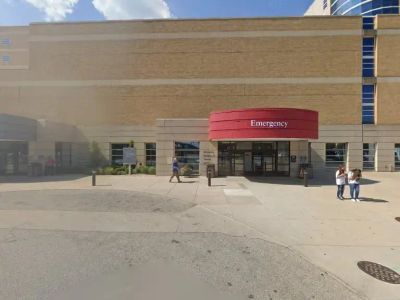
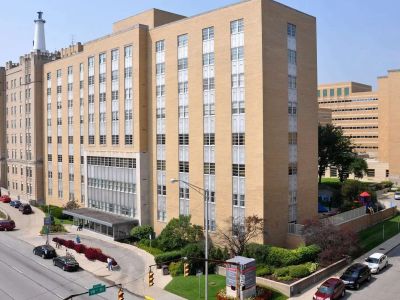
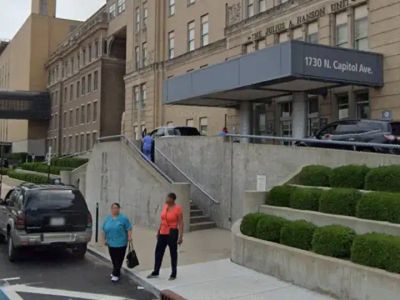
IU Health Addiction Treatment & Recovery Center
Indianapolis, Indiana
1701 N Senate Ave STE C-3, Indianapolis, IN 46202
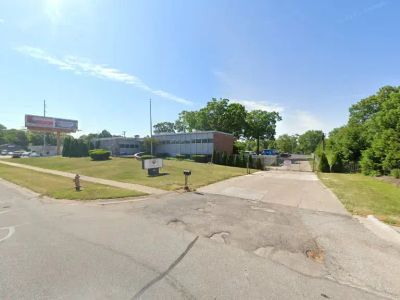
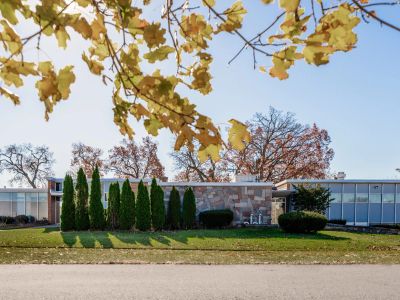
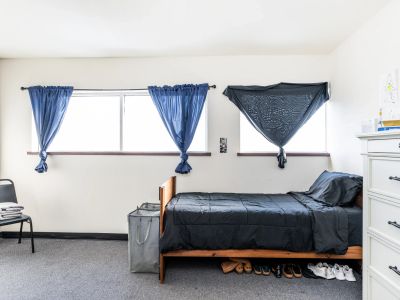
Cardinal Recovery
Franklin, Indiana
1130 West Jefferson St, Franklin, IN, 46131


Recovery Centers of America at Indianapolis
Indianapolis, Indiana
8530 Township Line Rd, Indianapolis, IN 46260
Get Personalized Rehab Matches in 60 Seconds
Tell us a few details and we’ll show a personalized shortlist of verified Indiana rehabs, making it simple to compare options and choose your next step with confidence.
Aspire Indiana Health - Progress House
Indianapolis, Indiana
201 Shelby St., Indianapolis, IN, 46202
Pinnacle Treatment Centers - 2209 John R Wooden Drive
Martinsville, Indiana
2209 John R Wooden Drive, 3rd Floor Martinsville, IN 46151
Why Trust Indiana Rehabs
As Hoosiers helping Hoosiers, we understand the unique challenges our communities face. Our team meticulously verifies every Indiana treatment center, ensuring you find trusted, local care that truly understands your journey.
About our listingsLevels of Care
Explore popular treatment options by levels of care, from flexible treatment in Outpatient centers to intensive care in Residential rehabs.
Free · 24/7 · Confidential
Talk to a Treatment Specialist
Call now to get matched with Indiana facilities that accept your insurance.
(888) 568-9930
Free
Ins. check
4.9★
Rating
HIPAA
Protected
Can't travel to a facility?
Licensed Indiana therapists via secure video — same-week appointments, evenings & weekends available.
Does it feel like chronic pain is dictating the terms of your life, shaping every plan and taking the joy out of even the simplest moments, like rain on a picnic you’d looked forward to? When pain becomes the background noise that drowns out hope, it’s easy to feel stuck and alone. But there’s a real way forward. In Indiana, thoughtful and structured recovery programs can help you reclaim a sense of control, restore what pain has taken, and make room in your life for possibility once more.
What is a Chronic Pain Rehabilitation Program?
A chronic pain recovery program is a structured, team-based approach designed to help you manage your pain and, most importantly, get your life back. Unlike treatments that focus only on reducing pain, this kind of rehabilitation aims to restore your ability to function in daily life, improve your overall quality of life, and give you the skills to manage your symptoms long-term. Think of it less as a cure for pain and more as a way to turn down its volume so you can focus on living again.
The core of this approach is understanding that chronic pain, which is pain that lasts longer than three to six months, affects every part of your life, from your physical health to your emotional well-being[1]. That’s why these programs bring together a multidisciplinary care team. This team works together to create a personalized pain management plan just for you, recognizing that your journey is unique[2]. It's a comprehensive strategy for healing that addresses the whole person, not just the pain itself.
Who could benefit from the Pain Rehabilitation Program?
A pain rehabilitation program can be a lifeline for many different patients. If you feel like your world has shrunk because of persistent pain, this kind of treatment might be the right fit. You could be an ideal candidate if you:
- Feel that your life is controlled by chronic pain and its limitations.
- Have tried other treatments like medications, injections, or even surgery without finding lasting relief.
- Are experiencing depression, anxiety, or frustration related to your pain.
- Rely heavily on pain medications to get through the day and want to find other ways to manage your symptoms.
Program Goals
The main goal of a chronic pain recovery program is to improve your quality of life, even if the pain doesn't disappear completely. It’s about helping you do more, feel better, and regain a sense of hope. Key objectives often include:
- Reducing your pain levels. On average, patients can achieve a 40% reduction in pain.
- Decreasing your reliance on pain medications, especially opioids.
- Improving your physical ability to handle daily tasks, work, and hobbies.
- Helping you return to a fulfilling life. Studies show that 50% of patients who complete a program go back to work, compared to just 20-36% for those who undergo spine surgery.
Our Approach
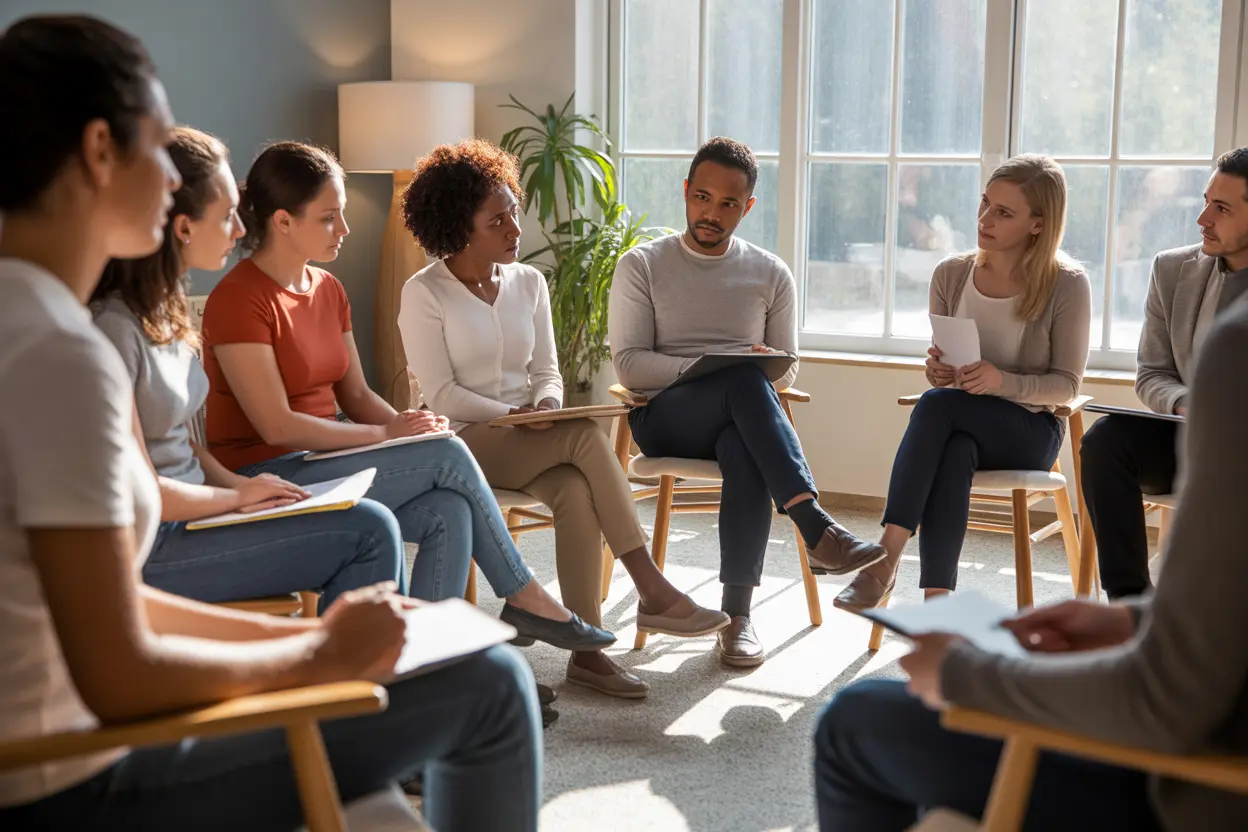
True healing from chronic pain requires a "whole-person" approach that addresses its physical, emotional, and psychological sides. Instead of focusing on a single solution, our approach uses a multidisciplinary care team that collaborates on a personalized plan tailored to your specific needs and goals[3]. This integrated treatment ensures every aspect of your well-being is supported.
Your team will likely include experts in different fields working together. Core components of your rehabilitation may include:
- Physical and Occupational Therapy: Gentle, guided exercises help improve your strength, flexibility, and movement. An occupational therapist can teach you new ways to perform daily tasks to minimize strain and conserve energy.
- Psychological Treatment: Pain isn't just a physical sensation; it has a huge emotional impact. Therapies like cognitive behavioral therapy (CBT) provide powerful tools to reframe your relationship with pain, manage stress, and cope with feelings of anxiety or depression that often accompany it.
- Medication Consultation: Your care team will review your current medications to ensure they are safe and effective. The goal is often to reduce reliance on powerful pain relievers through a thoughtful medication management plan, exploring non-opioid alternatives and other pain-control strategies[4].
How to Get Started
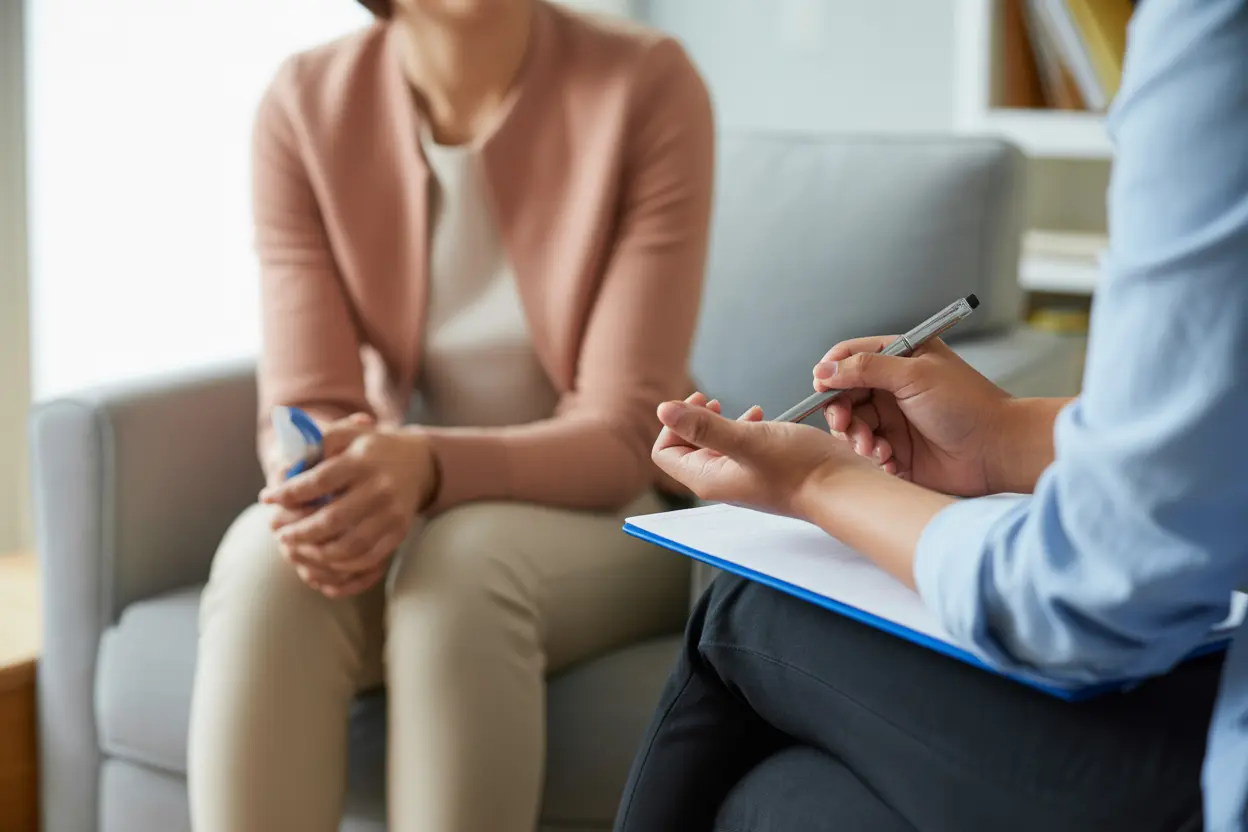
Taking the first step toward recovery can feel overwhelming, but it’s simpler than you might think. Here’s a clear path to getting the help you need:
- Talk to Your Doctor: Your primary care doctor or specialist is a great starting point. They can assess your situation, confirm that a pain rehabilitation program is a good fit, and provide a referral if needed.
- Find Providers and Verify Insurance: The next step is to find programs in your area and see if they accept your insurance. State programs like Medicaid may offer coverage for chronic pain management[5]. You can find more information in resources like the Indiana Medicaid Eligibility Policy Manual. This is where a directory like ours can be incredibly helpful. We can help you find local Indiana providers and guide you through the process to verify your insurance coverage.
- Schedule an Initial Assessment: Once you've found a potential program, you'll participate in an initial evaluation. This is a conversation where the care team gets to know you, your history with pain, and your goals. It’s a chance for you to ask questions and make sure the program feels right. Be prepared to discuss your medical history and any past treatments[6].
Find Your Path to Recovery in Indiana
Living with chronic pain is exhausting, but you don't have to navigate it alone. A chronic pain recovery program in Indiana offers a comprehensive, supportive path toward reclaiming your life. By focusing on restoring function, improving your quality of life, and empowering you with self-management skills, these programs offer a message of hope. The goal isn't just to survive, it's to thrive again.
If you’re ready to take an active role in your rehabilitation and find a treatment that sees you as a whole person, help is available right here in your community. You can start exploring your options today. To find a program that fits your needs, browse our directory of local providers or call us at (888) 568-9930 to speak with a caring specialist. At Indiana Rehabs, we're here to help you take that first step toward a brighter, more comfortable future. You can also reach out to us directly to learn more.
Frequently Asked Questions About Chronic Pain Recovery in Indiana
What's the difference between chronic pain and acute pain?
Is a chronic pain recovery program the same as a detox program?
Will I have to stop all my pain medications?
Can I still work while attending a pain recovery program?
How do I know if my insurance will cover a pain recovery program?
- Centers for Disease Control and Prevention. (11-21-2024). Chronic Pain and High-impact Chronic Pain in U.S. Adults, 2023. National Center for Health Statistics. cdc.gov
- (04-10-2025). Patient and health service factors associated with enrollment in a multidisciplinary pain rehabilitation program. IU Indianapolis ScholarWorks. scholarworks.indianapolis.iu.edu
- Department of Veterans Affairs. (04-13-2015). Pain Management, Opioid Safety, and PDMP (PMOP). U.S. Department of Veterans Affairs. va.gov
- (08-08-2025). A spatiotemporal analysis of opioid prescriptions in Indiana from 2015 to 2019. PubMed Central. pmc.ncbi.nlm.nih.gov
- Indiana General Assembly. (2023). IC 12-15: Medicaid. Indiana General Assembly. iga.in.gov
- State of Indiana. (11-12-2020). NextLevel Recovery: Indiana Initiatives. in.gov. in.gov