Refuge Recovery Rehab Programs

Showing 6 of 6 Results (filtered)
Featured Rehab Centers

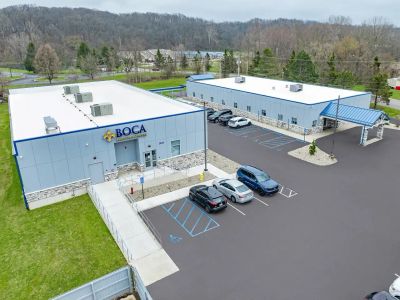

Boca Recovery Center - Fort Wayne, Indiana
Fort Wayne, Indiana
111 W Berry St #211, Fort Wayne, IN 46802



Elevate Recovery
Kokomo, Indiana
209 N Webster St, Kokomo, IN 46901
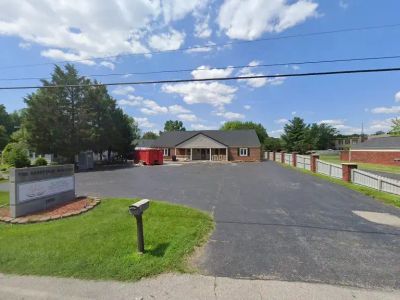
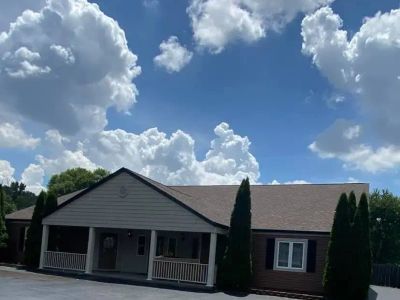
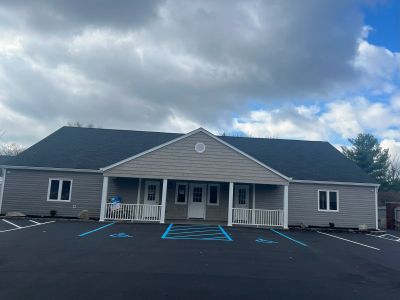
Sunrise Recovery - Drug and Alcohol Outpatient Rehab in Jeffersonville
Jeffersonville, Indiana
1505 Allison Ln, Jeffersonville, IN 47130
Get Personalized Rehab Matches in 60 Seconds
Tell us a few details and we’ll show a personalized shortlist of verified Indiana rehabs, making it simple to compare options and choose your next step with confidence.


Recovery Centers of America at Indianapolis
Indianapolis, Indiana
8530 Township Line Rd, Indianapolis, IN 46260
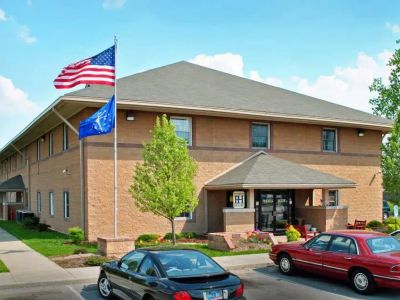

Aspire Indiana Health - Progress House
Indianapolis, Indiana
201 Shelby St., Indianapolis, IN, 46202
Pinnacle Treatment Centers - 2209 John R Wooden Drive
Martinsville, Indiana
2209 John R Wooden Drive, 3rd Floor Martinsville, IN 46151
Why Trust Indiana Rehabs
As Hoosiers helping Hoosiers, we understand the unique challenges our communities face. Our team meticulously verifies every Indiana treatment center, ensuring you find trusted, local care that truly understands your journey.
About our listingsLevels of Care
Explore popular treatment options by levels of care, from flexible treatment in Outpatient centers to intensive care in Residential rehabs.
Free · 24/7 · Confidential
Talk to a Treatment Specialist
Call now to get matched with Indiana facilities that accept your insurance.
(888) 568-9930
Free
Ins. check
4.9★
Rating
HIPAA
Protected
Can't travel to a facility?
Licensed Indiana therapists via secure video — same-week appointments, evenings & weekends available.
` tags. 3. **Process each section sequentially:** For each section in the `outline`, I will: * **Section 1: Welcome to Refuge Recovery** * Create an `
` with the exact `heading_title` and `heading_id`.
* Write the content based on the `content_brief`. I'll introduce Refuge Recovery as a mindfulness-based, non-theistic, peer-led community founded on Buddhist philosophy. I'll position it as an alternative or complement to 12-step programs.
* Naturally weave in the keywords: `Refuge Recovery`, `recovery`, `addiction`, `program`, `Buddhist`, `community`.
* Integrate internal links. The recommendations for this section are `https://indianarehabs.com/programs/refuge-recovery/` and `https://indianarehabs.com/programs/buddhist-informed/`. I'll link "Refuge Recovery" to the first URL and a phrase about its foundation to the second.
* **Section 2: A Buddhist Path to Recovering from Addiction**
* Create an `` with the exact `heading_title` and `heading_id`.
* Call the `Generate_Image_Tool` with the provided prompt for the image in this section. I will place the generated image *after* the opening paragraph of this section, not directly under the heading.
* Write the main paragraph, explaining that the program is based on the Four Noble Truths and the Eightfold Path. I'll emphasize meditation and mindfulness as practical tools.
* Keywords to use: `Buddhist`, `meditation`, `mindfulness`, `Dharma`, `practice`, `Buddhist teachings`, `Eightfold Path`, `suffering`.
* **Sub-section 2.1: The Four Noble Truths**
* Create an `` with the exact `heading_title` and `heading_id`.
* Use a `` to list and explain the four truths as they relate to addiction, per the `content_brief`.
* Keywords: `Buddhist teachings`, `suffering`, `craving`, `recovery from addiction`.
* Internal link: `https://indianarehabs.com/programs/buddhist-informed/` is recommended. I'll link a phrase about Buddhist wisdom to this URL.
* **Sub-section 2.2: The Eightfold Path**
* Create an `` with the exact `heading_title` and `heading_id`.
* Use a `` to list the eight components, grouped as suggested, with brief explanations.
* Keywords: `Eightfold Path`, `process of recovery`, `wisdom`, `actions`.
* Internal links: `https://indianarehabs.com/programs/buddhist-informed/` and `https://indianarehabs.com/therapies/meditation/` are recommended. I will link "Eightfold Path" and a phrase about meditation/discipline.
* **Sub-section 2.3: The Role of Meditation**
* Create an `` with the exact `heading_title` and `heading_id`.
* Write a paragraph explaining meditation as a core practice, focusing on how it helps manage cravings.
* Keywords: `mindfulness`, `meditation`, `practice of meditation`, `silent meditation`.
* Internal links: `https://indianarehabs.com/therapies/meditation/` and `https://indianarehabs.com/programs/mindfulness-based/` are recommended. I'll link "practicing formal mindfulness meditation" and a phrase about developing awareness.
* **Section 3: How Refuge Recovery Compares to Other Programs**
* Create an `` with the exact `heading_title` and `heading_id`.
* Write an introductory paragraph.
* Create a `
` comparing Refuge Recovery, 12-Step, and SMART Recovery on key points from the `content_brief`. I must follow the specific table formatting rules: ``, `` in ``, and `` wrappers in the second and third ` `s.
* Mention Recovery Dharma as a similar program.
* Keywords: `step`, `step programs`, `Recovery Dharma`, `AA`, `approach`, `non-theistic approach`.
* Internal links: `https://indianarehabs.com/programs/refuge-recovery/`, `https://indianarehabs.com/programs/all-recovery-meetings/`, `https://indianarehabs.com/programs/smart-based/` are recommended. I will try to fit one or two of these in the intro paragraph or the table itself, perhaps linking the program names. Given the `target_relevant` list, I will prioritize `https://indianarehabs.com/programs/refuge-recovery/` and `https://indianarehabs.com/programs/all-recovery-meetings/`. I'll link `Refuge Recovery` in the table. I'll aim to use `all-recovery-meetings` somewhere appropriate in the article.
* **Section 4: Addiction Recovery Stories: My First Refuge Recovery Meeting**
* Create an `` with the exact `heading_title` and `heading_id`. The heading is a bit narrative, but I must use it verbatim. I'll write the content to match the `heading_id` (`what-to-expect-at-your-first-meeting`).
* Call the `Generate_Image_Tool` with the provided prompt. I will place the generated image *after* the opening paragraph.
* Walk the reader through a typical meeting: opening, meditation, reading, sharing.
* Emphasize the welcoming, non-judgmental, and confidential atmosphere.
* Keywords: `meeting`, `discussion`, `sharing`, `community`, `meditation`, `meeting format`.
* Internal link: `https://indianarehabs.com/programs/refuge-recovery/` is recommended. I'll link a phrase like "structure of a Refuge Recovery meeting".
* **Section 5: How to Find Refuge Recovery Meetings in Indiana**
* Create an `` with the exact `heading_title` and `heading_id`.
* Provide actionable instructions. I will suggest checking the official website.
* Discuss online/Zoom meetings.
* Use a `` for clarity.
* Keywords: `meeting`, `location`, `Zoom`, `person`, `online meetings`.
* External links: I need to select 2-3 for the entire article. The provided external links JSON seems malformed or is about JSON schema, which is irrelevant. I will ignore it as it seems to be placeholder data and focus on writing the article without external links, as per the rule "No external links in the introduction or outro" and the lack of relevant links. I will not invent any.
* Internal links: `https://indianarehabs.com/facilities/` and `https://indianarehabs.com/cities/` are recommended. I can link to them when talking about finding local resources.
* **Section 6: Meeting Resources**
* Create an `` with the exact `heading_title` and `heading_id`.
* Use a `` to list resources: the official website, Buddhist Recovery Network, Recovery Dharma, and the book by Noah Levine.
* Keywords: `resources`, `book`, `Noah Levine`, `literature`, `Buddhist Recovery Network`.
* I will not be able to link to these external resources as per the instructions on external linking and the provided (irrelevant) link list. I will list them by name.
* **Section 7: Your Path Forward on the Journey to Recovery**
* Create an `` with the exact `heading_title` and `heading_id`.
* Write a summary paragraph that is encouraging and hopeful. I will avoid the word "conclusion".
* Recap key themes: compassion, practical tools (meditation, mindfulness), community.
* Keywords: `recovery`, `hope`, `community`, `life`, `journey`, `path`.
* Internal link: `https://indianarehabs.com/programs/all-recovery-meetings/` seems like a good fit here to encourage exploring community support.
4. **Conclusion Paragraph (as part of the final section's content):**
* I will not create a separate heading for this.
* It will flow from the final section's summary.
* It will include a call to action with the phone number: `(888) 568-9930`.
* It will link to the homepage: `Indiana Rehabs`.
* It will link to the contact page in a helpful way.
* It will end with a supportive message.
5. **Review and Finalize:**
* Check for adherence to all rules: verbatim headings, no bolding, person-first language, 8th-grade reading level, conversational tone, etc.
* Ensure 3-5 total internal links are used. Let's count my plan:
* Sec 1: 2 links
* Sec 2: 1 link in the first sub-section, maybe 1 in the second. That's 4 total. This is a good number. I'll be careful not to add too many more.
* I'll aim for 4-5 total to be safe. I'll definitely use the target_relevant ones.
* Verify no blacklisted URLs are linked.
* Check table formatting.
* Confirm no FAQ section exists.
* Ensure image placement is correct (not directly under a heading).
* Check for citation integration. The provided `citations_input` is about JSON schema, just like the external links. This is clearly placeholder/incorrect data for this article topic. Therefore, I cannot add any `` citations. I will proceed without them, as per the rule "Use only the provided research and citations" and "Never add your own citations or invent URLs." The input is empty of relevant citations, so the output will have none.
This detailed plan covers every requirement from the prompt. I'm ready to start writing.
Maybe you’ve tried the usual recovery routes, but deep down, you sense something’s missing, a piece that just doesn’t fit for you. Imagine if healing could draw from the strength already inside you, guided by mindfulness and ancient wisdom rather than reliance on a higher power. That quiet question, what if there’s another way, deserves an answer rooted in real hope. Refuge Recovery is there to meet you where you are, offering a grounded, accessible approach to support and healing, whether you’re in Indiana or searching for connection online.
Welcome to Refuge Recovery
If you're looking for a path to recovery that feels different, you've found a welcoming place. Refuge Recovery is a community built on the belief that every person has the power to heal from addiction. It’s a mindfulness-based program that offers a non-theistic approach to recovery, meaning it doesn't require a belief in a higher power. Instead, it draws from the practical and compassionate teachings of Buddhism to guide you toward lasting freedom from all forms of addiction, from substances to behaviors.
This program was founded by Noah Levine, who saw a need for an approach rooted in the Buddhist principles he found so effective in his own recovery. The core mission is to provide a supportive, peer-led community where people can share their experiences and learn to navigate the challenges of recovery together. Think of it less as a rigid set of rules and more as a toolkit for understanding your own mind. It can serve as a powerful alternative to traditional 12-step programs or act as a meaningful complement, offering another layer of support on your journey. The focus is always on empowerment, compassion, and the practice of wisdom to overcome suffering.
A Buddhist Path to Recovering from Addiction
At its heart, Refuge Recovery is a journey of self-discovery, guided by ancient wisdom tailored for modern life. It doesn't ask you to become a Buddhist, but it does invite you to explore powerful Buddhist teachings as a framework for healing. The entire program is built upon two core pillars of the Dharma: the Four Noble Truths and the Eightfold Path. These aren't abstract religious concepts; they are a practical map for understanding the nature of addiction and the clear steps you can take to find your way out.

This path uses mindfulness and meditation not as buzzwords, but as essential tools. Through consistent practice, you learn to observe your thoughts, feelings, and cravings without being controlled by them. It's about creating a small pocket of space between an impulse and an action, and in that space, you find the freedom to choose a different response. This practice helps you get to the root of your suffering, allowing you to heal from the inside out.
Refuge Recovery follows the traditional Buddhist system of the Four Noble Truths, which begin with four actions.
The Four Noble Truths offer a straightforward diagnosis of addiction and a clear prognosis for recovery. They are presented as a practical way to understand our experience and see that a solution is within reach.
- Addiction Creates Suffering: The first truth is about honesty. We acknowledge that addiction, in all its forms, is a source of pain, struggle, and dissatisfaction in our lives. It’s the cycle of craving, using, and experiencing negative consequences.
- The Cause of Addiction Is Repetitive Craving: The second truth helps us understand the root cause. We see that our suffering comes from a cycle of craving and attachment, a constant wanting of things to be different than they are. This craving fuels our addictive behaviors.
- Recovery Is Possible: The third truth is a message of profound hope. It assures us that we don't have to live in this cycle forever. Freedom from craving and an end to the suffering of addiction is possible for anyone.
- The Path to Recovery Is the Eightfold Path: The fourth truth presents the solution. It lays out a clear, actionable set of practices, the Eightfold Path, that serves as the practical guide to achieving and maintaining recovery from addiction.
We engage in the process of the Eightfold Path that leads to recovery.
If the Four Noble Truths are the "what," the Eightfold Path is the "how." It's a set of eight interconnected practices that guide our thoughts, actions, and efforts toward a life of wellness and recovery. These aren't steps to be completed and checked off, but rather ongoing practices to cultivate.
- Wisdom: This includes Right Understanding (seeing things as they are) and Right Intention (committing to compassion and kindness).
- Ethical Conduct: This involves Right Speech (speaking truthfully and kindly), Right Action (acting in ways that don't cause harm), and Right Livelihood (engaging in work that aligns with our values).
- Mental Discipline: This covers Right Effort (diligently practicing the path), Right Mindfulness (developing present-moment awareness), and Right Concentration (training the mind through meditation).
We develop wisdom through practicing formal mindfulness meditation.
In Refuge Recovery, meditation isn't just a relaxation technique; it's a core practice for building the awareness needed for recovery. The practice of meditation helps you train your mind to stay in the present moment. So much of addiction is driven by anxieties about the future or regrets about the past. Mindfulness brings you back to the here and now, which is the only place you have the power to make a change.
Through the regular practice of meditation, you learn to watch your thoughts and cravings arise without immediately reacting to them. You see them for what they are: temporary mental events. This creates a crucial pause between feeling an urge and acting on it. Meetings almost always include a period of guided or silent meditation, giving everyone a chance to strengthen this skill in a supportive community setting. This isn't about emptying your mind, but about understanding it with compassion and clarity.
How Refuge Recovery Compares to Other Programs
Finding the right recovery program is a personal choice, and it helps to understand the landscape of what’s available. While many paths can lead to healing, they often have different philosophies and approaches. Refuge Recovery offers a distinct non-theistic approach that resonates with many who are looking for an alternative or a supplement to traditional step programs. It shares common ground with some, like the goal of sobriety and the importance of community, but its core principles set it apart.
Below is a simple comparison to help you see how Refuge Recovery stands alongside other well-known programs like Alcoholics Anonymous (AA) and SMART Recovery. It's also worth noting that Recovery Dharma is another program with a similar Buddhist-inspired foundation. The goal here isn’t to say one is better than another, but to help you find the approach that best fits your personal beliefs and needs.
Feature
Refuge Recovery
12-Step (AA/NA)
SMART Recovery
Core Philosophy
Based on: Buddhist teachings (Four Noble Truths & Eightfold Path)
Based on: Spiritual principles and the 12 Steps
Based on: cognitive behavioral therapy (CBT) and motivational tools
Higher Power
Stance: Non-theistic; no higher power required. Focus is on inner strength and wisdom.
Stance: Central concept; relies on a "Higher Power" as understood by the individual.
Stance: Secular; focuses on self-empowerment and scientific principles.
Meeting Format
Includes: Guided meditation, book readings, and group sharing.
Includes: Prayers, literature readings, and personal sharing centered on the steps.
Includes: Group discussion, problem-solving exercises, and tool-based check-ins.
Core Literature
Primary Text: "Refuge Recovery" by Noah Levine
Primary Text: The Big Book (AA) or Basic Text (NA)
Primary Text: SMART Recovery Handbook
Addiction Recovery Stories: My First Refuge Recovery Meeting
Walking into any new environment can be intimidating, especially when you’re feeling vulnerable. A Refuge Recovery meeting is designed to be a safe, welcoming, and confidential space for everyone. You won’t be met with judgment or pressure, only with a community of people who understand what you’re going through because they’re on a similar path. You don't need to have any experience with Buddhism or meditation to attend; just bring an open mind.

While each meeting may vary slightly, they generally follow a consistent format. It typically begins with a welcome and an opening reading that explains the program's principles. This is followed by a period of guided mindfulness meditation, usually lasting about 15-20 minutes. This is a time to settle your mind and connect with the present moment. After the meditation, there might be a reading from the book "Refuge Recovery" or another relevant text. The majority of the meeting is then dedicated to group sharing and discussion. This is your opportunity to speak about your challenges and successes, or simply to listen to others. Sharing is always voluntary, so there's never any pressure to speak until you feel ready. The meeting closes with another short reading or dedication, leaving you with a sense of connection and hope.
How to Find Refuge Recovery Meetings in Indiana
Connecting with a community is a vital step in the recovery process. Whether you're looking for an in-person meeting or the flexibility of an online group, there are resources available to help you find your footing in Indiana. Here’s how you can get started:
- Official Meeting Finder: The most reliable resource is the official Refuge Recovery World Services website. They maintain an up-to-date directory of registered meetings. You can easily search for meetings in person by filtering for Indiana or entering your zip code.
- Online and Zoom Meetings: The digital landscape has made recovery more accessible than ever. There are numerous online meetings held via Zoom that welcome participants from anywhere. These can be a great option if there isn't a meeting in your immediate location or if your schedule makes it difficult to attend in person. The official website lists many of these online options.
- Use Local Directories: Here at Indiana Rehabs, we are committed to connecting you with local resources. You can explore our listings to find addiction recovery facilities or search for support services available in various Indiana cities that may host or have information about local peer support groups.
Meeting Resources
As you explore Refuge Recovery, having access to the right materials can deepen your understanding and support your practice. These resources provide the foundation for the program and connect you with the wider community. Here are some key resources to get you started:
- Refuge Recovery World Services: This is the official website for the program. It contains meeting finders, downloadable literature, and information about the organization as a whole.
- "Refuge Recovery: A Buddhist Path to Recovering from Addiction": This book, written by founder Noah Levine, is the core text of the program. It lays out the philosophy, teachings, and practices in detail and is read from in most meetings.
- Buddhist Recovery Network: This organization supports the use of Buddhist teachings and practices to help people recover from the suffering of addiction. It offers resources and promotes connection between different Buddhist-inspired recovery groups.
- Recovery Dharma: A separate but similar peer-led program that also uses Buddhist practices and principles to support recovery. Many people explore both communities to find the best fit.
Your Path Forward on the Journey to Recovery
Your journey to recovery is yours alone, but you don't have to walk it by yourself. Refuge Recovery offers a path built on compassion, empowerment, and the belief that you have an innate capacity for healing. It provides practical, accessible tools like meditation and mindfulness to help you navigate life's challenges and a welcoming community to share the journey with. This approach isn't about becoming someone new; it's about rediscovering the wisdom and peace that are already within you.
Recovery is possible, and there is so much hope for a life free from the suffering of addiction. Taking that first step, whether it's reading the book, finding an online meeting, or simply learning more, is an act of courage. If you're ready to explore your options or need help finding the right support in Indiana, our team at Indiana Rehabs is here for you. You can call us at (888) 568-9930 or use our online tools to find the help you deserve. Your path forward begins with the next right step.
Frequently Asked Questions About Refuge Recovery
Do I have to be a Buddhist to attend Refuge Recovery meetings?
No, you absolutely don't have to be a Buddhist. Refuge Recovery is open to people of all beliefs, including those with no spiritual or religious affiliation. The program uses Buddhist principles and mindfulness as practical tools for healing, but you're not asked to adopt any new beliefs. The focus is on the practice and the community, not on becoming a Buddhist. How is Refuge Recovery different from AA?
The main difference is the core philosophy. Refuge Recovery is a non-theistic program based on Buddhist teachings, so it doesn't require belief in a Higher Power. AA (Alcoholics Anonymous) is a spiritual program where members are encouraged to rely on a Higher Power as they work the 12 Steps. Refuge Recovery meetings also include guided meditation as a central practice, which is not typically part of a traditional AA meeting. Is there a book for Refuge Recovery?
Yes, the main text for the program is a book called 'Refuge Recovery: A Buddhist Path to Recovering from Addiction,' written by founder Noah Levine. This book outlines the core teachings, principles, and practices of the program. Meetings often include readings from this book, and many people find it helpful to read on their own to deepen their understanding of the path. What does it cost to attend a Refuge Recovery meeting?
Refuge Recovery meetings are free to attend. The groups are peer-led and self-supporting, following the Buddhist tradition of 'dana,' which means generosity. During a meeting, a basket might be passed for voluntary donations to help cover costs like room rent or literature, but there is never any obligation to contribute. No one is ever turned away for not being able to donate.
Free • Confidential • No Obligation
Find the Right Treatment Program
Answer a few questions and we'll match you with Indiana treatment centers that fit your needs, insurance, and schedule.
Prefer to call?
(888) 568-9930
— Free • 24/7 • Confidential
` with the exact `heading_title` and `heading_id`.
* Use a `` to list and explain the four truths as they relate to addiction, per the `content_brief`.
* Keywords: `Buddhist teachings`, `suffering`, `craving`, `recovery from addiction`.
* Internal link: `https://indianarehabs.com/programs/buddhist-informed/` is recommended. I'll link a phrase about Buddhist wisdom to this URL.
* **Sub-section 2.2: The Eightfold Path**
* Create an `` with the exact `heading_title` and `heading_id`.
* Use a `` to list the eight components, grouped as suggested, with brief explanations.
* Keywords: `Eightfold Path`, `process of recovery`, `wisdom`, `actions`.
* Internal links: `https://indianarehabs.com/programs/buddhist-informed/` and `https://indianarehabs.com/therapies/meditation/` are recommended. I will link "Eightfold Path" and a phrase about meditation/discipline.
* **Sub-section 2.3: The Role of Meditation**
* Create an `` with the exact `heading_title` and `heading_id`.
* Write a paragraph explaining meditation as a core practice, focusing on how it helps manage cravings.
* Keywords: `mindfulness`, `meditation`, `practice of meditation`, `silent meditation`.
* Internal links: `https://indianarehabs.com/therapies/meditation/` and `https://indianarehabs.com/programs/mindfulness-based/` are recommended. I'll link "practicing formal mindfulness meditation" and a phrase about developing awareness.
* **Section 3: How Refuge Recovery Compares to Other Programs**
* Create an `` with the exact `heading_title` and `heading_id`.
* Write an introductory paragraph.
* Create a `
` comparing Refuge Recovery, 12-Step, and SMART Recovery on key points from the `content_brief`. I must follow the specific table formatting rules: ``, `` in ``, and `` wrappers in the second and third ` `s.
* Mention Recovery Dharma as a similar program.
* Keywords: `step`, `step programs`, `Recovery Dharma`, `AA`, `approach`, `non-theistic approach`.
* Internal links: `https://indianarehabs.com/programs/refuge-recovery/`, `https://indianarehabs.com/programs/all-recovery-meetings/`, `https://indianarehabs.com/programs/smart-based/` are recommended. I will try to fit one or two of these in the intro paragraph or the table itself, perhaps linking the program names. Given the `target_relevant` list, I will prioritize `https://indianarehabs.com/programs/refuge-recovery/` and `https://indianarehabs.com/programs/all-recovery-meetings/`. I'll link `Refuge Recovery` in the table. I'll aim to use `all-recovery-meetings` somewhere appropriate in the article.
* **Section 4: Addiction Recovery Stories: My First Refuge Recovery Meeting**
* Create an `` with the exact `heading_title` and `heading_id`. The heading is a bit narrative, but I must use it verbatim. I'll write the content to match the `heading_id` (`what-to-expect-at-your-first-meeting`).
* Call the `Generate_Image_Tool` with the provided prompt. I will place the generated image *after* the opening paragraph.
* Walk the reader through a typical meeting: opening, meditation, reading, sharing.
* Emphasize the welcoming, non-judgmental, and confidential atmosphere.
* Keywords: `meeting`, `discussion`, `sharing`, `community`, `meditation`, `meeting format`.
* Internal link: `https://indianarehabs.com/programs/refuge-recovery/` is recommended. I'll link a phrase like "structure of a Refuge Recovery meeting".
* **Section 5: How to Find Refuge Recovery Meetings in Indiana**
* Create an `` with the exact `heading_title` and `heading_id`.
* Provide actionable instructions. I will suggest checking the official website.
* Discuss online/Zoom meetings.
* Use a `` for clarity.
* Keywords: `meeting`, `location`, `Zoom`, `person`, `online meetings`.
* External links: I need to select 2-3 for the entire article. The provided external links JSON seems malformed or is about JSON schema, which is irrelevant. I will ignore it as it seems to be placeholder data and focus on writing the article without external links, as per the rule "No external links in the introduction or outro" and the lack of relevant links. I will not invent any.
* Internal links: `https://indianarehabs.com/facilities/` and `https://indianarehabs.com/cities/` are recommended. I can link to them when talking about finding local resources.
* **Section 6: Meeting Resources**
* Create an `` with the exact `heading_title` and `heading_id`.
* Use a `` to list resources: the official website, Buddhist Recovery Network, Recovery Dharma, and the book by Noah Levine.
* Keywords: `resources`, `book`, `Noah Levine`, `literature`, `Buddhist Recovery Network`.
* I will not be able to link to these external resources as per the instructions on external linking and the provided (irrelevant) link list. I will list them by name.
* **Section 7: Your Path Forward on the Journey to Recovery**
* Create an `` with the exact `heading_title` and `heading_id`.
* Write a summary paragraph that is encouraging and hopeful. I will avoid the word "conclusion".
* Recap key themes: compassion, practical tools (meditation, mindfulness), community.
* Keywords: `recovery`, `hope`, `community`, `life`, `journey`, `path`.
* Internal link: `https://indianarehabs.com/programs/all-recovery-meetings/` seems like a good fit here to encourage exploring community support.
4. **Conclusion Paragraph (as part of the final section's content):**
* I will not create a separate heading for this.
* It will flow from the final section's summary.
* It will include a call to action with the phone number: `(888) 568-9930`.
* It will link to the homepage: `Indiana Rehabs`.
* It will link to the contact page in a helpful way.
* It will end with a supportive message.
5. **Review and Finalize:**
* Check for adherence to all rules: verbatim headings, no bolding, person-first language, 8th-grade reading level, conversational tone, etc.
* Ensure 3-5 total internal links are used. Let's count my plan:
* Sec 1: 2 links
* Sec 2: 1 link in the first sub-section, maybe 1 in the second. That's 4 total. This is a good number. I'll be careful not to add too many more.
* I'll aim for 4-5 total to be safe. I'll definitely use the target_relevant ones.
* Verify no blacklisted URLs are linked.
* Check table formatting.
* Confirm no FAQ section exists.
* Ensure image placement is correct (not directly under a heading).
* Check for citation integration. The provided `citations_input` is about JSON schema, just like the external links. This is clearly placeholder/incorrect data for this article topic. Therefore, I cannot add any `` citations. I will proceed without them, as per the rule "Use only the provided research and citations" and "Never add your own citations or invent URLs." The input is empty of relevant citations, so the output will have none.
This detailed plan covers every requirement from the prompt. I'm ready to start writing.
Maybe you’ve tried the usual recovery routes, but deep down, you sense something’s missing, a piece that just doesn’t fit for you. Imagine if healing could draw from the strength already inside you, guided by mindfulness and ancient wisdom rather than reliance on a higher power. That quiet question, what if there’s another way, deserves an answer rooted in real hope. Refuge Recovery is there to meet you where you are, offering a grounded, accessible approach to support and healing, whether you’re in Indiana or searching for connection online.
Welcome to Refuge Recovery
If you're looking for a path to recovery that feels different, you've found a welcoming place. Refuge Recovery is a community built on the belief that every person has the power to heal from addiction. It’s a mindfulness-based program that offers a non-theistic approach to recovery, meaning it doesn't require a belief in a higher power. Instead, it draws from the practical and compassionate teachings of Buddhism to guide you toward lasting freedom from all forms of addiction, from substances to behaviors.
This program was founded by Noah Levine, who saw a need for an approach rooted in the Buddhist principles he found so effective in his own recovery. The core mission is to provide a supportive, peer-led community where people can share their experiences and learn to navigate the challenges of recovery together. Think of it less as a rigid set of rules and more as a toolkit for understanding your own mind. It can serve as a powerful alternative to traditional 12-step programs or act as a meaningful complement, offering another layer of support on your journey. The focus is always on empowerment, compassion, and the practice of wisdom to overcome suffering.
A Buddhist Path to Recovering from Addiction
At its heart, Refuge Recovery is a journey of self-discovery, guided by ancient wisdom tailored for modern life. It doesn't ask you to become a Buddhist, but it does invite you to explore powerful Buddhist teachings as a framework for healing. The entire program is built upon two core pillars of the Dharma: the Four Noble Truths and the Eightfold Path. These aren't abstract religious concepts; they are a practical map for understanding the nature of addiction and the clear steps you can take to find your way out.
This path uses mindfulness and meditation not as buzzwords, but as essential tools. Through consistent practice, you learn to observe your thoughts, feelings, and cravings without being controlled by them. It's about creating a small pocket of space between an impulse and an action, and in that space, you find the freedom to choose a different response. This practice helps you get to the root of your suffering, allowing you to heal from the inside out.
Refuge Recovery follows the traditional Buddhist system of the Four Noble Truths, which begin with four actions.
The Four Noble Truths offer a straightforward diagnosis of addiction and a clear prognosis for recovery. They are presented as a practical way to understand our experience and see that a solution is within reach.
- Addiction Creates Suffering: The first truth is about honesty. We acknowledge that addiction, in all its forms, is a source of pain, struggle, and dissatisfaction in our lives. It’s the cycle of craving, using, and experiencing negative consequences.
- The Cause of Addiction Is Repetitive Craving: The second truth helps us understand the root cause. We see that our suffering comes from a cycle of craving and attachment, a constant wanting of things to be different than they are. This craving fuels our addictive behaviors.
- Recovery Is Possible: The third truth is a message of profound hope. It assures us that we don't have to live in this cycle forever. Freedom from craving and an end to the suffering of addiction is possible for anyone.
- The Path to Recovery Is the Eightfold Path: The fourth truth presents the solution. It lays out a clear, actionable set of practices, the Eightfold Path, that serves as the practical guide to achieving and maintaining recovery from addiction.
We engage in the process of the Eightfold Path that leads to recovery.
If the Four Noble Truths are the "what," the Eightfold Path is the "how." It's a set of eight interconnected practices that guide our thoughts, actions, and efforts toward a life of wellness and recovery. These aren't steps to be completed and checked off, but rather ongoing practices to cultivate.
- Wisdom: This includes Right Understanding (seeing things as they are) and Right Intention (committing to compassion and kindness).
- Ethical Conduct: This involves Right Speech (speaking truthfully and kindly), Right Action (acting in ways that don't cause harm), and Right Livelihood (engaging in work that aligns with our values).
- Mental Discipline: This covers Right Effort (diligently practicing the path), Right Mindfulness (developing present-moment awareness), and Right Concentration (training the mind through meditation).
We develop wisdom through practicing formal mindfulness meditation.
In Refuge Recovery, meditation isn't just a relaxation technique; it's a core practice for building the awareness needed for recovery. The practice of meditation helps you train your mind to stay in the present moment. So much of addiction is driven by anxieties about the future or regrets about the past. Mindfulness brings you back to the here and now, which is the only place you have the power to make a change.
Through the regular practice of meditation, you learn to watch your thoughts and cravings arise without immediately reacting to them. You see them for what they are: temporary mental events. This creates a crucial pause between feeling an urge and acting on it. Meetings almost always include a period of guided or silent meditation, giving everyone a chance to strengthen this skill in a supportive community setting. This isn't about emptying your mind, but about understanding it with compassion and clarity.
How Refuge Recovery Compares to Other Programs
Finding the right recovery program is a personal choice, and it helps to understand the landscape of what’s available. While many paths can lead to healing, they often have different philosophies and approaches. Refuge Recovery offers a distinct non-theistic approach that resonates with many who are looking for an alternative or a supplement to traditional step programs. It shares common ground with some, like the goal of sobriety and the importance of community, but its core principles set it apart.
Below is a simple comparison to help you see how Refuge Recovery stands alongside other well-known programs like Alcoholics Anonymous (AA) and SMART Recovery. It's also worth noting that Recovery Dharma is another program with a similar Buddhist-inspired foundation. The goal here isn’t to say one is better than another, but to help you find the approach that best fits your personal beliefs and needs.
Feature
Refuge Recovery
12-Step (AA/NA)
SMART Recovery
Core Philosophy
Based on: Buddhist teachings (Four Noble Truths & Eightfold Path)
Based on: Spiritual principles and the 12 Steps
Based on: cognitive behavioral therapy (CBT) and motivational tools
Higher Power
Stance: Non-theistic; no higher power required. Focus is on inner strength and wisdom.
Stance: Central concept; relies on a "Higher Power" as understood by the individual.
Stance: Secular; focuses on self-empowerment and scientific principles.
Meeting Format
Includes: Guided meditation, book readings, and group sharing.
Includes: Prayers, literature readings, and personal sharing centered on the steps.
Includes: Group discussion, problem-solving exercises, and tool-based check-ins.
Core Literature
Primary Text: "Refuge Recovery" by Noah Levine
Primary Text: The Big Book (AA) or Basic Text (NA)
Primary Text: SMART Recovery Handbook
Addiction Recovery Stories: My First Refuge Recovery Meeting
Walking into any new environment can be intimidating, especially when you’re feeling vulnerable. A Refuge Recovery meeting is designed to be a safe, welcoming, and confidential space for everyone. You won’t be met with judgment or pressure, only with a community of people who understand what you’re going through because they’re on a similar path. You don't need to have any experience with Buddhism or meditation to attend; just bring an open mind.
While each meeting may vary slightly, they generally follow a consistent format. It typically begins with a welcome and an opening reading that explains the program's principles. This is followed by a period of guided mindfulness meditation, usually lasting about 15-20 minutes. This is a time to settle your mind and connect with the present moment. After the meditation, there might be a reading from the book "Refuge Recovery" or another relevant text. The majority of the meeting is then dedicated to group sharing and discussion. This is your opportunity to speak about your challenges and successes, or simply to listen to others. Sharing is always voluntary, so there's never any pressure to speak until you feel ready. The meeting closes with another short reading or dedication, leaving you with a sense of connection and hope.
How to Find Refuge Recovery Meetings in Indiana
Connecting with a community is a vital step in the recovery process. Whether you're looking for an in-person meeting or the flexibility of an online group, there are resources available to help you find your footing in Indiana. Here’s how you can get started:
- Official Meeting Finder: The most reliable resource is the official Refuge Recovery World Services website. They maintain an up-to-date directory of registered meetings. You can easily search for meetings in person by filtering for Indiana or entering your zip code.
- Online and Zoom Meetings: The digital landscape has made recovery more accessible than ever. There are numerous online meetings held via Zoom that welcome participants from anywhere. These can be a great option if there isn't a meeting in your immediate location or if your schedule makes it difficult to attend in person. The official website lists many of these online options.
- Use Local Directories: Here at Indiana Rehabs, we are committed to connecting you with local resources. You can explore our listings to find addiction recovery facilities or search for support services available in various Indiana cities that may host or have information about local peer support groups.
Meeting Resources
As you explore Refuge Recovery, having access to the right materials can deepen your understanding and support your practice. These resources provide the foundation for the program and connect you with the wider community. Here are some key resources to get you started:
- Refuge Recovery World Services: This is the official website for the program. It contains meeting finders, downloadable literature, and information about the organization as a whole.
- "Refuge Recovery: A Buddhist Path to Recovering from Addiction": This book, written by founder Noah Levine, is the core text of the program. It lays out the philosophy, teachings, and practices in detail and is read from in most meetings.
- Buddhist Recovery Network: This organization supports the use of Buddhist teachings and practices to help people recover from the suffering of addiction. It offers resources and promotes connection between different Buddhist-inspired recovery groups.
- Recovery Dharma: A separate but similar peer-led program that also uses Buddhist practices and principles to support recovery. Many people explore both communities to find the best fit.
Your Path Forward on the Journey to Recovery
Your journey to recovery is yours alone, but you don't have to walk it by yourself. Refuge Recovery offers a path built on compassion, empowerment, and the belief that you have an innate capacity for healing. It provides practical, accessible tools like meditation and mindfulness to help you navigate life's challenges and a welcoming community to share the journey with. This approach isn't about becoming someone new; it's about rediscovering the wisdom and peace that are already within you.
Recovery is possible, and there is so much hope for a life free from the suffering of addiction. Taking that first step, whether it's reading the book, finding an online meeting, or simply learning more, is an act of courage. If you're ready to explore your options or need help finding the right support in Indiana, our team at Indiana Rehabs is here for you. You can call us at (888) 568-9930 or use our online tools to find the help you deserve. Your path forward begins with the next right step.
Frequently Asked Questions About Refuge Recovery
Do I have to be a Buddhist to attend Refuge Recovery meetings?
No, you absolutely don't have to be a Buddhist. Refuge Recovery is open to people of all beliefs, including those with no spiritual or religious affiliation. The program uses Buddhist principles and mindfulness as practical tools for healing, but you're not asked to adopt any new beliefs. The focus is on the practice and the community, not on becoming a Buddhist. How is Refuge Recovery different from AA?
The main difference is the core philosophy. Refuge Recovery is a non-theistic program based on Buddhist teachings, so it doesn't require belief in a Higher Power. AA (Alcoholics Anonymous) is a spiritual program where members are encouraged to rely on a Higher Power as they work the 12 Steps. Refuge Recovery meetings also include guided meditation as a central practice, which is not typically part of a traditional AA meeting. Is there a book for Refuge Recovery?
Yes, the main text for the program is a book called 'Refuge Recovery: A Buddhist Path to Recovering from Addiction,' written by founder Noah Levine. This book outlines the core teachings, principles, and practices of the program. Meetings often include readings from this book, and many people find it helpful to read on their own to deepen their understanding of the path. What does it cost to attend a Refuge Recovery meeting?
Refuge Recovery meetings are free to attend. The groups are peer-led and self-supporting, following the Buddhist tradition of 'dana,' which means generosity. During a meeting, a basket might be passed for voluntary donations to help cover costs like room rent or literature, but there is never any obligation to contribute. No one is ever turned away for not being able to donate.
Free • Confidential • No Obligation
Find the Right Treatment Program
Answer a few questions and we'll match you with Indiana treatment centers that fit your needs, insurance, and schedule.
Prefer to call?
(888) 568-9930
— Free • 24/7 • Confidential
` with the exact `heading_title` and `heading_id`.
* Use a `` to list the eight components, grouped as suggested, with brief explanations.
* Keywords: `Eightfold Path`, `process of recovery`, `wisdom`, `actions`.
* Internal links: `https://indianarehabs.com/programs/buddhist-informed/` and `https://indianarehabs.com/therapies/meditation/` are recommended. I will link "Eightfold Path" and a phrase about meditation/discipline.
* **Sub-section 2.3: The Role of Meditation**
* Create an `` with the exact `heading_title` and `heading_id`.
* Write a paragraph explaining meditation as a core practice, focusing on how it helps manage cravings.
* Keywords: `mindfulness`, `meditation`, `practice of meditation`, `silent meditation`.
* Internal links: `https://indianarehabs.com/therapies/meditation/` and `https://indianarehabs.com/programs/mindfulness-based/` are recommended. I'll link "practicing formal mindfulness meditation" and a phrase about developing awareness.
* **Section 3: How Refuge Recovery Compares to Other Programs**
* Create an `` with the exact `heading_title` and `heading_id`.
* Write an introductory paragraph.
* Create a `
` comparing Refuge Recovery, 12-Step, and SMART Recovery on key points from the `content_brief`. I must follow the specific table formatting rules: ``, `` in ``, and `` wrappers in the second and third ` `s.
* Mention Recovery Dharma as a similar program.
* Keywords: `step`, `step programs`, `Recovery Dharma`, `AA`, `approach`, `non-theistic approach`.
* Internal links: `https://indianarehabs.com/programs/refuge-recovery/`, `https://indianarehabs.com/programs/all-recovery-meetings/`, `https://indianarehabs.com/programs/smart-based/` are recommended. I will try to fit one or two of these in the intro paragraph or the table itself, perhaps linking the program names. Given the `target_relevant` list, I will prioritize `https://indianarehabs.com/programs/refuge-recovery/` and `https://indianarehabs.com/programs/all-recovery-meetings/`. I'll link `Refuge Recovery` in the table. I'll aim to use `all-recovery-meetings` somewhere appropriate in the article.
* **Section 4: Addiction Recovery Stories: My First Refuge Recovery Meeting**
* Create an `` with the exact `heading_title` and `heading_id`. The heading is a bit narrative, but I must use it verbatim. I'll write the content to match the `heading_id` (`what-to-expect-at-your-first-meeting`).
* Call the `Generate_Image_Tool` with the provided prompt. I will place the generated image *after* the opening paragraph.
* Walk the reader through a typical meeting: opening, meditation, reading, sharing.
* Emphasize the welcoming, non-judgmental, and confidential atmosphere.
* Keywords: `meeting`, `discussion`, `sharing`, `community`, `meditation`, `meeting format`.
* Internal link: `https://indianarehabs.com/programs/refuge-recovery/` is recommended. I'll link a phrase like "structure of a Refuge Recovery meeting".
* **Section 5: How to Find Refuge Recovery Meetings in Indiana**
* Create an `` with the exact `heading_title` and `heading_id`.
* Provide actionable instructions. I will suggest checking the official website.
* Discuss online/Zoom meetings.
* Use a `` for clarity.
* Keywords: `meeting`, `location`, `Zoom`, `person`, `online meetings`.
* External links: I need to select 2-3 for the entire article. The provided external links JSON seems malformed or is about JSON schema, which is irrelevant. I will ignore it as it seems to be placeholder data and focus on writing the article without external links, as per the rule "No external links in the introduction or outro" and the lack of relevant links. I will not invent any.
* Internal links: `https://indianarehabs.com/facilities/` and `https://indianarehabs.com/cities/` are recommended. I can link to them when talking about finding local resources.
* **Section 6: Meeting Resources**
* Create an `` with the exact `heading_title` and `heading_id`.
* Use a `` to list resources: the official website, Buddhist Recovery Network, Recovery Dharma, and the book by Noah Levine.
* Keywords: `resources`, `book`, `Noah Levine`, `literature`, `Buddhist Recovery Network`.
* I will not be able to link to these external resources as per the instructions on external linking and the provided (irrelevant) link list. I will list them by name.
* **Section 7: Your Path Forward on the Journey to Recovery**
* Create an `` with the exact `heading_title` and `heading_id`.
* Write a summary paragraph that is encouraging and hopeful. I will avoid the word "conclusion".
* Recap key themes: compassion, practical tools (meditation, mindfulness), community.
* Keywords: `recovery`, `hope`, `community`, `life`, `journey`, `path`.
* Internal link: `https://indianarehabs.com/programs/all-recovery-meetings/` seems like a good fit here to encourage exploring community support.
4. **Conclusion Paragraph (as part of the final section's content):**
* I will not create a separate heading for this.
* It will flow from the final section's summary.
* It will include a call to action with the phone number: `(888) 568-9930`.
* It will link to the homepage: `Indiana Rehabs`.
* It will link to the contact page in a helpful way.
* It will end with a supportive message.
5. **Review and Finalize:**
* Check for adherence to all rules: verbatim headings, no bolding, person-first language, 8th-grade reading level, conversational tone, etc.
* Ensure 3-5 total internal links are used. Let's count my plan:
* Sec 1: 2 links
* Sec 2: 1 link in the first sub-section, maybe 1 in the second. That's 4 total. This is a good number. I'll be careful not to add too many more.
* I'll aim for 4-5 total to be safe. I'll definitely use the target_relevant ones.
* Verify no blacklisted URLs are linked.
* Check table formatting.
* Confirm no FAQ section exists.
* Ensure image placement is correct (not directly under a heading).
* Check for citation integration. The provided `citations_input` is about JSON schema, just like the external links. This is clearly placeholder/incorrect data for this article topic. Therefore, I cannot add any `` citations. I will proceed without them, as per the rule "Use only the provided research and citations" and "Never add your own citations or invent URLs." The input is empty of relevant citations, so the output will have none.
This detailed plan covers every requirement from the prompt. I'm ready to start writing.
Maybe you’ve tried the usual recovery routes, but deep down, you sense something’s missing, a piece that just doesn’t fit for you. Imagine if healing could draw from the strength already inside you, guided by mindfulness and ancient wisdom rather than reliance on a higher power. That quiet question, what if there’s another way, deserves an answer rooted in real hope. Refuge Recovery is there to meet you where you are, offering a grounded, accessible approach to support and healing, whether you’re in Indiana or searching for connection online.
Welcome to Refuge Recovery
If you're looking for a path to recovery that feels different, you've found a welcoming place. Refuge Recovery is a community built on the belief that every person has the power to heal from addiction. It’s a mindfulness-based program that offers a non-theistic approach to recovery, meaning it doesn't require a belief in a higher power. Instead, it draws from the practical and compassionate teachings of Buddhism to guide you toward lasting freedom from all forms of addiction, from substances to behaviors.
This program was founded by Noah Levine, who saw a need for an approach rooted in the Buddhist principles he found so effective in his own recovery. The core mission is to provide a supportive, peer-led community where people can share their experiences and learn to navigate the challenges of recovery together. Think of it less as a rigid set of rules and more as a toolkit for understanding your own mind. It can serve as a powerful alternative to traditional 12-step programs or act as a meaningful complement, offering another layer of support on your journey. The focus is always on empowerment, compassion, and the practice of wisdom to overcome suffering.
A Buddhist Path to Recovering from Addiction
At its heart, Refuge Recovery is a journey of self-discovery, guided by ancient wisdom tailored for modern life. It doesn't ask you to become a Buddhist, but it does invite you to explore powerful Buddhist teachings as a framework for healing. The entire program is built upon two core pillars of the Dharma: the Four Noble Truths and the Eightfold Path. These aren't abstract religious concepts; they are a practical map for understanding the nature of addiction and the clear steps you can take to find your way out.
This path uses mindfulness and meditation not as buzzwords, but as essential tools. Through consistent practice, you learn to observe your thoughts, feelings, and cravings without being controlled by them. It's about creating a small pocket of space between an impulse and an action, and in that space, you find the freedom to choose a different response. This practice helps you get to the root of your suffering, allowing you to heal from the inside out.
Refuge Recovery follows the traditional Buddhist system of the Four Noble Truths, which begin with four actions.
The Four Noble Truths offer a straightforward diagnosis of addiction and a clear prognosis for recovery. They are presented as a practical way to understand our experience and see that a solution is within reach.
- Addiction Creates Suffering: The first truth is about honesty. We acknowledge that addiction, in all its forms, is a source of pain, struggle, and dissatisfaction in our lives. It’s the cycle of craving, using, and experiencing negative consequences.
- The Cause of Addiction Is Repetitive Craving: The second truth helps us understand the root cause. We see that our suffering comes from a cycle of craving and attachment, a constant wanting of things to be different than they are. This craving fuels our addictive behaviors.
- Recovery Is Possible: The third truth is a message of profound hope. It assures us that we don't have to live in this cycle forever. Freedom from craving and an end to the suffering of addiction is possible for anyone.
- The Path to Recovery Is the Eightfold Path: The fourth truth presents the solution. It lays out a clear, actionable set of practices, the Eightfold Path, that serves as the practical guide to achieving and maintaining recovery from addiction.
We engage in the process of the Eightfold Path that leads to recovery.
If the Four Noble Truths are the "what," the Eightfold Path is the "how." It's a set of eight interconnected practices that guide our thoughts, actions, and efforts toward a life of wellness and recovery. These aren't steps to be completed and checked off, but rather ongoing practices to cultivate.
- Wisdom: This includes Right Understanding (seeing things as they are) and Right Intention (committing to compassion and kindness).
- Ethical Conduct: This involves Right Speech (speaking truthfully and kindly), Right Action (acting in ways that don't cause harm), and Right Livelihood (engaging in work that aligns with our values).
- Mental Discipline: This covers Right Effort (diligently practicing the path), Right Mindfulness (developing present-moment awareness), and Right Concentration (training the mind through meditation).
We develop wisdom through practicing formal mindfulness meditation.
In Refuge Recovery, meditation isn't just a relaxation technique; it's a core practice for building the awareness needed for recovery. The practice of meditation helps you train your mind to stay in the present moment. So much of addiction is driven by anxieties about the future or regrets about the past. Mindfulness brings you back to the here and now, which is the only place you have the power to make a change.
Through the regular practice of meditation, you learn to watch your thoughts and cravings arise without immediately reacting to them. You see them for what they are: temporary mental events. This creates a crucial pause between feeling an urge and acting on it. Meetings almost always include a period of guided or silent meditation, giving everyone a chance to strengthen this skill in a supportive community setting. This isn't about emptying your mind, but about understanding it with compassion and clarity.
How Refuge Recovery Compares to Other Programs
Finding the right recovery program is a personal choice, and it helps to understand the landscape of what’s available. While many paths can lead to healing, they often have different philosophies and approaches. Refuge Recovery offers a distinct non-theistic approach that resonates with many who are looking for an alternative or a supplement to traditional step programs. It shares common ground with some, like the goal of sobriety and the importance of community, but its core principles set it apart.
Below is a simple comparison to help you see how Refuge Recovery stands alongside other well-known programs like Alcoholics Anonymous (AA) and SMART Recovery. It's also worth noting that Recovery Dharma is another program with a similar Buddhist-inspired foundation. The goal here isn’t to say one is better than another, but to help you find the approach that best fits your personal beliefs and needs.
Feature
Refuge Recovery
12-Step (AA/NA)
SMART Recovery
Core Philosophy
Based on: Buddhist teachings (Four Noble Truths & Eightfold Path)
Based on: Spiritual principles and the 12 Steps
Based on: cognitive behavioral therapy (CBT) and motivational tools
Higher Power
Stance: Non-theistic; no higher power required. Focus is on inner strength and wisdom.
Stance: Central concept; relies on a "Higher Power" as understood by the individual.
Stance: Secular; focuses on self-empowerment and scientific principles.
Meeting Format
Includes: Guided meditation, book readings, and group sharing.
Includes: Prayers, literature readings, and personal sharing centered on the steps.
Includes: Group discussion, problem-solving exercises, and tool-based check-ins.
Core Literature
Primary Text: "Refuge Recovery" by Noah Levine
Primary Text: The Big Book (AA) or Basic Text (NA)
Primary Text: SMART Recovery Handbook
Addiction Recovery Stories: My First Refuge Recovery Meeting
Walking into any new environment can be intimidating, especially when you’re feeling vulnerable. A Refuge Recovery meeting is designed to be a safe, welcoming, and confidential space for everyone. You won’t be met with judgment or pressure, only with a community of people who understand what you’re going through because they’re on a similar path. You don't need to have any experience with Buddhism or meditation to attend; just bring an open mind.
While each meeting may vary slightly, they generally follow a consistent format. It typically begins with a welcome and an opening reading that explains the program's principles. This is followed by a period of guided mindfulness meditation, usually lasting about 15-20 minutes. This is a time to settle your mind and connect with the present moment. After the meditation, there might be a reading from the book "Refuge Recovery" or another relevant text. The majority of the meeting is then dedicated to group sharing and discussion. This is your opportunity to speak about your challenges and successes, or simply to listen to others. Sharing is always voluntary, so there's never any pressure to speak until you feel ready. The meeting closes with another short reading or dedication, leaving you with a sense of connection and hope.
How to Find Refuge Recovery Meetings in Indiana
Connecting with a community is a vital step in the recovery process. Whether you're looking for an in-person meeting or the flexibility of an online group, there are resources available to help you find your footing in Indiana. Here’s how you can get started:
- Official Meeting Finder: The most reliable resource is the official Refuge Recovery World Services website. They maintain an up-to-date directory of registered meetings. You can easily search for meetings in person by filtering for Indiana or entering your zip code.
- Online and Zoom Meetings: The digital landscape has made recovery more accessible than ever. There are numerous online meetings held via Zoom that welcome participants from anywhere. These can be a great option if there isn't a meeting in your immediate location or if your schedule makes it difficult to attend in person. The official website lists many of these online options.
- Use Local Directories: Here at Indiana Rehabs, we are committed to connecting you with local resources. You can explore our listings to find addiction recovery facilities or search for support services available in various Indiana cities that may host or have information about local peer support groups.
Meeting Resources
As you explore Refuge Recovery, having access to the right materials can deepen your understanding and support your practice. These resources provide the foundation for the program and connect you with the wider community. Here are some key resources to get you started:
- Refuge Recovery World Services: This is the official website for the program. It contains meeting finders, downloadable literature, and information about the organization as a whole.
- "Refuge Recovery: A Buddhist Path to Recovering from Addiction": This book, written by founder Noah Levine, is the core text of the program. It lays out the philosophy, teachings, and practices in detail and is read from in most meetings.
- Buddhist Recovery Network: This organization supports the use of Buddhist teachings and practices to help people recover from the suffering of addiction. It offers resources and promotes connection between different Buddhist-inspired recovery groups.
- Recovery Dharma: A separate but similar peer-led program that also uses Buddhist practices and principles to support recovery. Many people explore both communities to find the best fit.
Your Path Forward on the Journey to Recovery
Your journey to recovery is yours alone, but you don't have to walk it by yourself. Refuge Recovery offers a path built on compassion, empowerment, and the belief that you have an innate capacity for healing. It provides practical, accessible tools like meditation and mindfulness to help you navigate life's challenges and a welcoming community to share the journey with. This approach isn't about becoming someone new; it's about rediscovering the wisdom and peace that are already within you.
Recovery is possible, and there is so much hope for a life free from the suffering of addiction. Taking that first step, whether it's reading the book, finding an online meeting, or simply learning more, is an act of courage. If you're ready to explore your options or need help finding the right support in Indiana, our team at Indiana Rehabs is here for you. You can call us at (888) 568-9930 or use our online tools to find the help you deserve. Your path forward begins with the next right step.
Frequently Asked Questions About Refuge Recovery
Do I have to be a Buddhist to attend Refuge Recovery meetings?
No, you absolutely don't have to be a Buddhist. Refuge Recovery is open to people of all beliefs, including those with no spiritual or religious affiliation. The program uses Buddhist principles and mindfulness as practical tools for healing, but you're not asked to adopt any new beliefs. The focus is on the practice and the community, not on becoming a Buddhist. How is Refuge Recovery different from AA?
The main difference is the core philosophy. Refuge Recovery is a non-theistic program based on Buddhist teachings, so it doesn't require belief in a Higher Power. AA (Alcoholics Anonymous) is a spiritual program where members are encouraged to rely on a Higher Power as they work the 12 Steps. Refuge Recovery meetings also include guided meditation as a central practice, which is not typically part of a traditional AA meeting. Is there a book for Refuge Recovery?
Yes, the main text for the program is a book called 'Refuge Recovery: A Buddhist Path to Recovering from Addiction,' written by founder Noah Levine. This book outlines the core teachings, principles, and practices of the program. Meetings often include readings from this book, and many people find it helpful to read on their own to deepen their understanding of the path. What does it cost to attend a Refuge Recovery meeting?
Refuge Recovery meetings are free to attend. The groups are peer-led and self-supporting, following the Buddhist tradition of 'dana,' which means generosity. During a meeting, a basket might be passed for voluntary donations to help cover costs like room rent or literature, but there is never any obligation to contribute. No one is ever turned away for not being able to donate.
Free • Confidential • No Obligation
Find the Right Treatment Program
Answer a few questions and we'll match you with Indiana treatment centers that fit your needs, insurance, and schedule.
Prefer to call?
(888) 568-9930
— Free • 24/7 • Confidential
` with the exact `heading_title` and `heading_id`.
* Write a paragraph explaining meditation as a core practice, focusing on how it helps manage cravings.
* Keywords: `mindfulness`, `meditation`, `practice of meditation`, `silent meditation`.
* Internal links: `https://indianarehabs.com/therapies/meditation/` and `https://indianarehabs.com/programs/mindfulness-based/` are recommended. I'll link "practicing formal mindfulness meditation" and a phrase about developing awareness.
* **Section 3: How Refuge Recovery Compares to Other Programs**
* Create an `` with the exact `heading_title` and `heading_id`.
* Write an introductory paragraph.
* Create a `
| `, and `` wrappers in the second and third ` | `s.
* Mention Recovery Dharma as a similar program.
* Keywords: `step`, `step programs`, `Recovery Dharma`, `AA`, `approach`, `non-theistic approach`.
* Internal links: `https://indianarehabs.com/programs/refuge-recovery/`, `https://indianarehabs.com/programs/all-recovery-meetings/`, `https://indianarehabs.com/programs/smart-based/` are recommended. I will try to fit one or two of these in the intro paragraph or the table itself, perhaps linking the program names. Given the `target_relevant` list, I will prioritize `https://indianarehabs.com/programs/refuge-recovery/` and `https://indianarehabs.com/programs/all-recovery-meetings/`. I'll link `Refuge Recovery` in the table. I'll aim to use `all-recovery-meetings` somewhere appropriate in the article.
* **Section 4: Addiction Recovery Stories: My First Refuge Recovery Meeting**
* Create an `` with the exact `heading_title` and `heading_id`. The heading is a bit narrative, but I must use it verbatim. I'll write the content to match the `heading_id` (`what-to-expect-at-your-first-meeting`).
* Call the `Generate_Image_Tool` with the provided prompt. I will place the generated image *after* the opening paragraph.
* Walk the reader through a typical meeting: opening, meditation, reading, sharing.
* Emphasize the welcoming, non-judgmental, and confidential atmosphere.
* Keywords: `meeting`, `discussion`, `sharing`, `community`, `meditation`, `meeting format`.
* Internal link: `https://indianarehabs.com/programs/refuge-recovery/` is recommended. I'll link a phrase like "structure of a Refuge Recovery meeting".
* **Section 5: How to Find Refuge Recovery Meetings in Indiana**
* Create an `
` with the exact `heading_title` and `heading_id`.
* Use a `` with the exact `heading_title` and `heading_id`.
* Write a summary paragraph that is encouraging and hopeful. I will avoid the word "conclusion".
* Recap key themes: compassion, practical tools (meditation, mindfulness), community.
* Keywords: `recovery`, `hope`, `community`, `life`, `journey`, `path`.
* Internal link: `https://indianarehabs.com/programs/all-recovery-meetings/` seems like a good fit here to encourage exploring community support.
4. **Conclusion Paragraph (as part of the final section's content):**
* I will not create a separate heading for this.
* It will flow from the final section's summary.
* It will include a call to action with the phone number: `(888) 568-9930`.
* It will link to the homepage: `Indiana Rehabs`.
* It will link to the contact page in a helpful way.
* It will end with a supportive message.
5. **Review and Finalize:**
* Check for adherence to all rules: verbatim headings, no bolding, person-first language, 8th-grade reading level, conversational tone, etc.
* Ensure 3-5 total internal links are used. Let's count my plan:
* Sec 1: 2 links
* Sec 2: 1 link in the first sub-section, maybe 1 in the second. That's 4 total. This is a good number. I'll be careful not to add too many more.
* I'll aim for 4-5 total to be safe. I'll definitely use the target_relevant ones.
* Verify no blacklisted URLs are linked.
* Check table formatting.
* Confirm no FAQ section exists.
* Ensure image placement is correct (not directly under a heading).
* Check for citation integration. The provided `citations_input` is about JSON schema, just like the external links. This is clearly placeholder/incorrect data for this article topic. Therefore, I cannot add any `` citations. I will proceed without them, as per the rule "Use only the provided research and citations" and "Never add your own citations or invent URLs." The input is empty of relevant citations, so the output will have none.
This detailed plan covers every requirement from the prompt. I'm ready to start writing.
Maybe you’ve tried the usual recovery routes, but deep down, you sense something’s missing, a piece that just doesn’t fit for you. Imagine if healing could draw from the strength already inside you, guided by mindfulness and ancient wisdom rather than reliance on a higher power. That quiet question, what if there’s another way, deserves an answer rooted in real hope. Refuge Recovery is there to meet you where you are, offering a grounded, accessible approach to support and healing, whether you’re in Indiana or searching for connection online. Welcome to Refuge RecoveryIf you're looking for a path to recovery that feels different, you've found a welcoming place. Refuge Recovery is a community built on the belief that every person has the power to heal from addiction. It’s a mindfulness-based program that offers a non-theistic approach to recovery, meaning it doesn't require a belief in a higher power. Instead, it draws from the practical and compassionate teachings of Buddhism to guide you toward lasting freedom from all forms of addiction, from substances to behaviors. This program was founded by Noah Levine, who saw a need for an approach rooted in the Buddhist principles he found so effective in his own recovery. The core mission is to provide a supportive, peer-led community where people can share their experiences and learn to navigate the challenges of recovery together. Think of it less as a rigid set of rules and more as a toolkit for understanding your own mind. It can serve as a powerful alternative to traditional 12-step programs or act as a meaningful complement, offering another layer of support on your journey. The focus is always on empowerment, compassion, and the practice of wisdom to overcome suffering. A Buddhist Path to Recovering from AddictionAt its heart, Refuge Recovery is a journey of self-discovery, guided by ancient wisdom tailored for modern life. It doesn't ask you to become a Buddhist, but it does invite you to explore powerful Buddhist teachings as a framework for healing. The entire program is built upon two core pillars of the Dharma: the Four Noble Truths and the Eightfold Path. These aren't abstract religious concepts; they are a practical map for understanding the nature of addiction and the clear steps you can take to find your way out.
This path uses mindfulness and meditation not as buzzwords, but as essential tools. Through consistent practice, you learn to observe your thoughts, feelings, and cravings without being controlled by them. It's about creating a small pocket of space between an impulse and an action, and in that space, you find the freedom to choose a different response. This practice helps you get to the root of your suffering, allowing you to heal from the inside out. Refuge Recovery follows the traditional Buddhist system of the Four Noble Truths, which begin with four actions.The Four Noble Truths offer a straightforward diagnosis of addiction and a clear prognosis for recovery. They are presented as a practical way to understand our experience and see that a solution is within reach. We engage in the process of the Eightfold Path that leads to recovery.If the Four Noble Truths are the "what," the Eightfold Path is the "how." It's a set of eight interconnected practices that guide our thoughts, actions, and efforts toward a life of wellness and recovery. These aren't steps to be completed and checked off, but rather ongoing practices to cultivate. We develop wisdom through practicing formal mindfulness meditation.In Refuge Recovery, meditation isn't just a relaxation technique; it's a core practice for building the awareness needed for recovery. The practice of meditation helps you train your mind to stay in the present moment. So much of addiction is driven by anxieties about the future or regrets about the past. Mindfulness brings you back to the here and now, which is the only place you have the power to make a change. Through the regular practice of meditation, you learn to watch your thoughts and cravings arise without immediately reacting to them. You see them for what they are: temporary mental events. This creates a crucial pause between feeling an urge and acting on it. Meetings almost always include a period of guided or silent meditation, giving everyone a chance to strengthen this skill in a supportive community setting. This isn't about emptying your mind, but about understanding it with compassion and clarity. How Refuge Recovery Compares to Other ProgramsFinding the right recovery program is a personal choice, and it helps to understand the landscape of what’s available. While many paths can lead to healing, they often have different philosophies and approaches. Refuge Recovery offers a distinct non-theistic approach that resonates with many who are looking for an alternative or a supplement to traditional step programs. It shares common ground with some, like the goal of sobriety and the importance of community, but its core principles set it apart. Below is a simple comparison to help you see how Refuge Recovery stands alongside other well-known programs like Alcoholics Anonymous (AA) and SMART Recovery. It's also worth noting that Recovery Dharma is another program with a similar Buddhist-inspired foundation. The goal here isn’t to say one is better than another, but to help you find the approach that best fits your personal beliefs and needs.
Addiction Recovery Stories: My First Refuge Recovery MeetingWalking into any new environment can be intimidating, especially when you’re feeling vulnerable. A Refuge Recovery meeting is designed to be a safe, welcoming, and confidential space for everyone. You won’t be met with judgment or pressure, only with a community of people who understand what you’re going through because they’re on a similar path. You don't need to have any experience with Buddhism or meditation to attend; just bring an open mind.
While each meeting may vary slightly, they generally follow a consistent format. It typically begins with a welcome and an opening reading that explains the program's principles. This is followed by a period of guided mindfulness meditation, usually lasting about 15-20 minutes. This is a time to settle your mind and connect with the present moment. After the meditation, there might be a reading from the book "Refuge Recovery" or another relevant text. The majority of the meeting is then dedicated to group sharing and discussion. This is your opportunity to speak about your challenges and successes, or simply to listen to others. Sharing is always voluntary, so there's never any pressure to speak until you feel ready. The meeting closes with another short reading or dedication, leaving you with a sense of connection and hope. How to Find Refuge Recovery Meetings in IndianaConnecting with a community is a vital step in the recovery process. Whether you're looking for an in-person meeting or the flexibility of an online group, there are resources available to help you find your footing in Indiana. Here’s how you can get started: Meeting ResourcesAs you explore Refuge Recovery, having access to the right materials can deepen your understanding and support your practice. These resources provide the foundation for the program and connect you with the wider community. Here are some key resources to get you started: Your Path Forward on the Journey to RecoveryYour journey to recovery is yours alone, but you don't have to walk it by yourself. Refuge Recovery offers a path built on compassion, empowerment, and the belief that you have an innate capacity for healing. It provides practical, accessible tools like meditation and mindfulness to help you navigate life's challenges and a welcoming community to share the journey with. This approach isn't about becoming someone new; it's about rediscovering the wisdom and peace that are already within you. Recovery is possible, and there is so much hope for a life free from the suffering of addiction. Taking that first step, whether it's reading the book, finding an online meeting, or simply learning more, is an act of courage. If you're ready to explore your options or need help finding the right support in Indiana, our team at Indiana Rehabs is here for you. You can call us at (888) 568-9930 or use our online tools to find the help you deserve. Your path forward begins with the next right step. Frequently Asked Questions About Refuge RecoveryDo I have to be a Buddhist to attend Refuge Recovery meetings?No, you absolutely don't have to be a Buddhist. Refuge Recovery is open to people of all beliefs, including those with no spiritual or religious affiliation. The program uses Buddhist principles and mindfulness as practical tools for healing, but you're not asked to adopt any new beliefs. The focus is on the practice and the community, not on becoming a Buddhist. How is Refuge Recovery different from AA?The main difference is the core philosophy. Refuge Recovery is a non-theistic program based on Buddhist teachings, so it doesn't require belief in a Higher Power. AA (Alcoholics Anonymous) is a spiritual program where members are encouraged to rely on a Higher Power as they work the 12 Steps. Refuge Recovery meetings also include guided meditation as a central practice, which is not typically part of a traditional AA meeting. Is there a book for Refuge Recovery?Yes, the main text for the program is a book called 'Refuge Recovery: A Buddhist Path to Recovering from Addiction,' written by founder Noah Levine. This book outlines the core teachings, principles, and practices of the program. Meetings often include readings from this book, and many people find it helpful to read on their own to deepen their understanding of the path. What does it cost to attend a Refuge Recovery meeting?Refuge Recovery meetings are free to attend. The groups are peer-led and self-supporting, following the Buddhist tradition of 'dana,' which means generosity. During a meeting, a basket might be passed for voluntary donations to help cover costs like room rent or literature, but there is never any obligation to contribute. No one is ever turned away for not being able to donate. Free • Confidential • No Obligation Find the Right Treatment ProgramAnswer a few questions and we'll match you with Indiana treatment centers that fit your needs, insurance, and schedule. Prefer to call? (888) 568-9930 — Free • 24/7 • Confidential |
|---|