Secular/Non-Religious Rehab Programs

Showing 15 of 15 Results (filtered)
Featured Rehab Centers

Addiction Rehab Centers - ARC at Fox Hill | Drug & Alcohol Rehab - Mooresville Indiana
Mooresville, Indiana
12168 N Mann Rd, Mooresville, IN 46158


Recover Together - Martinsville
Martinsville, Indiana
225 Morton Ave Martinsville, IN 46151
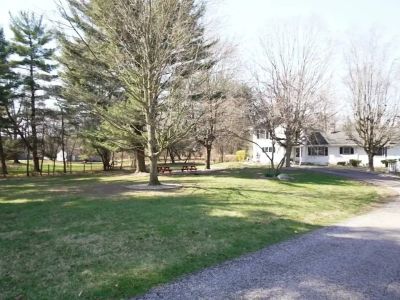
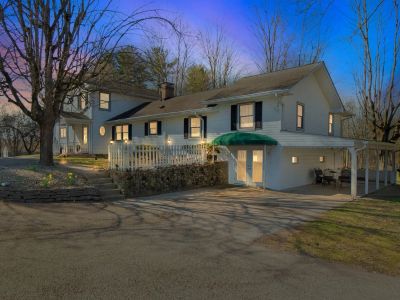

Addiction Rehab Centers - ARC | Drug & Alcohol Rehab - Addiction Treatment in Indianapolis, IN
Indianapolis, Indiana
7322 Noel Rd, Indianapolis, IN 46278
Get Personalized Rehab Matches in 60 Seconds
Tell us a few details and we’ll show a personalized shortlist of verified Indiana rehabs, making it simple to compare options and choose your next step with confidence.
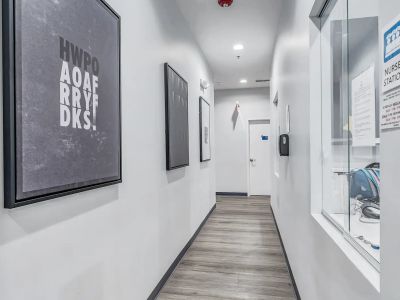
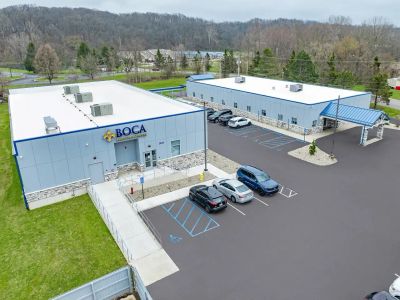
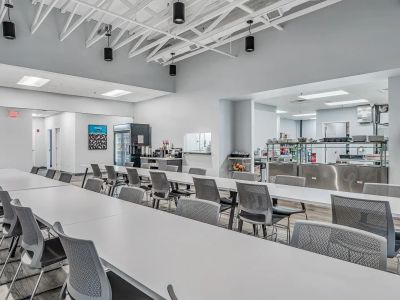
Boca Recovery Center - Fort Wayne, Indiana
Fort Wayne, Indiana
111 W Berry St #211, Fort Wayne, IN 46802

CleanSlate Outpatient Addiction Medicine
Noblesville, Indiana
18051 River Rd Suite 101, Noblesville, IN 46062
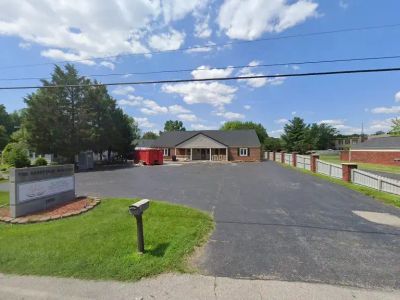
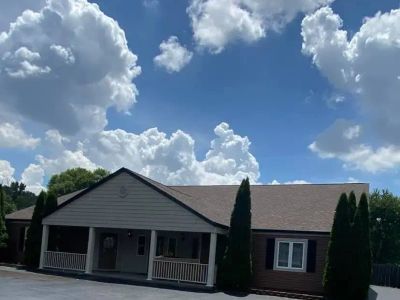
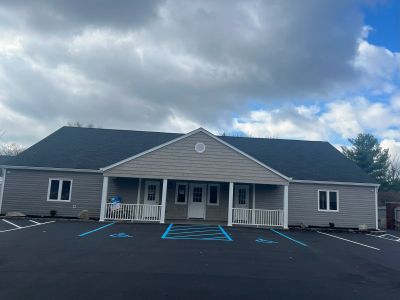
Sunrise Recovery - Drug and Alcohol Outpatient Rehab in Jeffersonville
Jeffersonville, Indiana
1505 Allison Ln, Jeffersonville, IN 47130
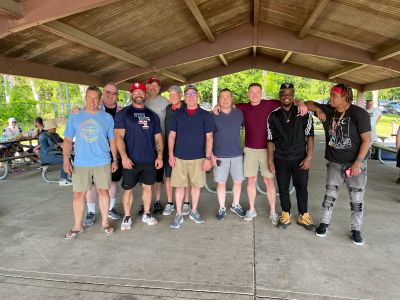


Recovery Centers of America at Indianapolis
Indianapolis, Indiana
8530 Township Line Rd, Indianapolis, IN 46260
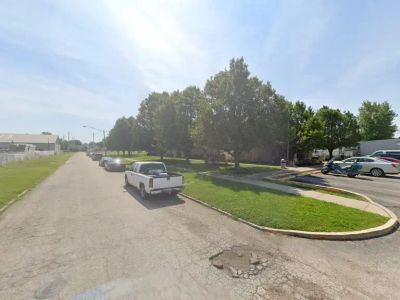
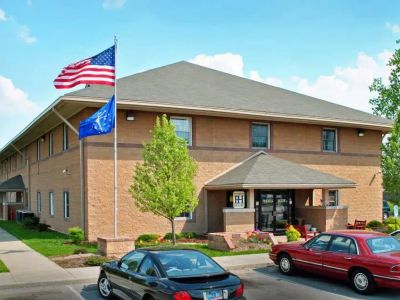
Aspire Indiana Health - Progress House
Indianapolis, Indiana
201 Shelby St., Indianapolis, IN, 46202
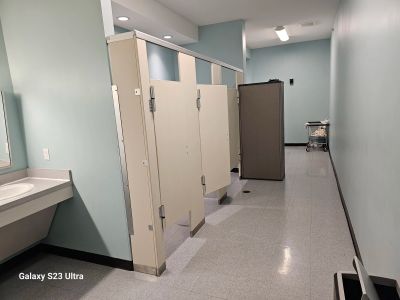
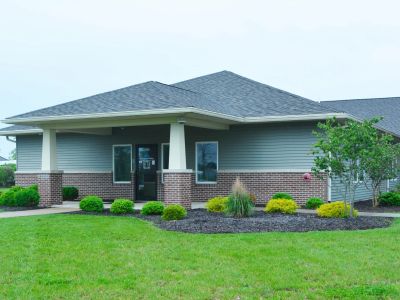

Pinnacle Treatment Centers - Cambridge City
Cambridge City, Indiana
2060 State Road 1 North, Cambridge City, IN, 47327
Recover Together - Franklin
Franklin, Indiana
590 Ironwood Drive 590 & 592 Franklin, IN 46131
Recover Together - Connersville
Connersville, Indiana
2508 Western Ave Ste D Connersville, IN 47331
Pinnacle Treatment Centers - 2209 John R Wooden Drive
Martinsville, Indiana
2209 John R Wooden Drive, 3rd Floor Martinsville, IN 46151
Centerstone - Foster Care Services
New Castle, Indiana
3337 South State Rd 3 New Castle, IN 47362
Oxford House - Autumn Ridge
Lafayette, Indiana
700 S. 10th Street, Lafayette, IN 47905
Pinnacle Treatment Centers - 581 E. Main Street
Hagerstown, Indiana
581 E. Main Street Hagerstown, IN 47346
Why Trust Indiana Rehabs
As Hoosiers helping Hoosiers, we understand the unique challenges our communities face. Our team meticulously verifies every Indiana treatment center, ensuring you find trusted, local care that truly understands your journey.
About our listingsLevels of Care
Explore popular treatment options by levels of care, from flexible treatment in Outpatient centers to intensive care in Residential rehabs.
Free · 24/7 · Confidential
Talk to a Treatment Specialist
Call now to get matched with Indiana facilities that accept your insurance.
(888) 568-9930
Free
Ins. check
4.9★
Rating
HIPAA
Protected
Can't travel to a facility?
Licensed Indiana therapists via secure video — same-week appointments, evenings & weekends available.
Does the idea of relying on a “higher power” for addiction recovery not sit right with your personal beliefs? If you’re searching for a path to sobriety that’s rooted in science and your own strength, you’re far from alone. In Indiana, there are real, effective secular rehab programs designed to support your recovery with practical tools and proven methods, helping you find a fit that respects who you are and what you believe.

What is a secular drug and alcohol rehab?
A secular rehab is a type of addiction treatment that builds its programs on scientific research and psychological principles, without any religious or spiritual requirements. Unlike faith-based programs that may encourage surrender to a higher power, the goal of secular treatment is to empower you with evidence-based tools to take control of your own recovery journey. In Indiana, all certified addiction treatment must be grounded in these kinds of proven, scientific models[1].
These non-religious recovery programs are designed for anyone, whether you identify as an atheist, agnostic, or simply prefer a practical, evidence-based approach. The focus is on understanding the psychological and physiological aspects of addiction and developing coping skills that work for you. A secular rehab program provides a framework for healing that is based on what has been scientifically shown to be effective, respecting your personal beliefs every step of the way.
What Are the Main Differences Between Faith-Based and Secular Rehab Programs?
Choosing between a faith-based and a secular rehab program is a deeply personal decision. While both share the goal of helping you achieve sobriety, their core philosophies and methods are quite different. Faith-based programs often see addiction as a spiritual issue, encouraging recovery through reliance on a higher power. In contrast, secular programs view addiction through a scientific lens, focusing on empowering you with psychological tools and evidence-based treatment.
While a majority of treatment programs in the U.S. incorporate some spiritual elements like the 12-steps, many Indiana facilities prioritize secular therapies like cognitive-behavioral therapy[2][3]. Understanding the key differences can help you find the approach that best aligns with your values. Here’s a clear comparison:
| Feature | Secular Rehab | Faith-Based Rehab |
|---|---|---|
| Core Philosophy | Focuses on: Internal empowerment and self-reliance. Recovery is driven by the individual's actions and choices. | Focuses on: Surrendering to a higher power. Recovery is guided by spiritual principles and faith. |
| Treatment Methods | Relies on: Evidence-based therapies like CBT, DBT, and motivational interviewing. | Relies on: Prayer, scripture study, and spiritual counseling alongside traditional therapy. |
| Support Groups | Promotes: Groups like SMART Recovery or LifeRing, which use cognitive tools and peer support. | Promotes: 12-step programs like Alcoholics Anonymous (AA) or Narcotics Anonymous (NA). |
What Behavioral Therapies Are Used In Non-Religious Treatment?
Secular rehabs don't rely on guesswork; they use behavioral therapies that have been rigorously tested and proven effective for addiction treatment. Behavioral therapy is a hands-on approach that helps you understand the connection between your thoughts, feelings, and actions. The goal is to identify the root causes of substance use and develop practical skills to manage triggers, cope with stress, and build a healthier life.
These therapies are the foundation of non-religious treatment because they empower you with real-world strategies. Instead of asking you to rely on faith, they teach you how your own mind works and how you can change your behavior for lasting recovery. It’s important to find a program that addresses all aspects of your health, especially since about one in four people with a serious mental illness also struggles with a substance use disorder[4].

Cognitive Behavioral Therapy (CBT)
cognitive behavioral therapy (CBT) is a cornerstone of secular treatment. It operates on a simple but powerful idea: our thoughts, feelings, and behaviors are all connected. CBT helps you identify the negative thinking patterns that fuel substance use and replace them with healthier ones. For example, instead of thinking, "I need a drink to handle this stress," you might learn to reframe it as, "I can go for a walk or call a friend to manage this stress." This therapy gives you practical tools to change your behavior from the inside out.
Dialectical behavior therapy
dialectical behavior therapy (DBT) is especially helpful for people who feel overwhelmed by intense emotions. It teaches concrete skills in four key areas: mindfulness, distress tolerance, emotion regulation, and interpersonal effectiveness. For those struggling with co-occurring disorders like anxiety or trauma alongside addiction, DBT provides a toolbox for managing painful feelings without turning to substances. It helps you learn to navigate difficult situations and build more stable, positive relationships.
Motivational interviewing
Sometimes, the biggest hurdle to recovery is feeling unsure about making a change. motivational interviewing is a collaborative, non-judgmental conversation between you and a therapist designed to explore and resolve that uncertainty. Instead of telling you what to do, the therapist helps you find your own motivation for change. This respectful approach strengthens your commitment to treatment and empowers you to take ownership of your recovery journey.
Types of Non-Religious and Non-12-Step Addiction Recovery Programs
Just like any other form of addiction treatment, secular rehab is not a one-size-fits-all solution. It's available across various levels of care, ensuring you can find a program that fits the intensity of your needs and the realities of your life. From 24/7 residential care to flexible outpatient schedules, Indiana offers a range of evidence-based programs designed to support your recovery[5]. You can choose the setting that provides the right amount of structure and support for you.
Inpatient or Residential Treatment
Inpatient or residential treatment offers the highest level of care. In this setting, you live at the facility, which provides a safe, structured, and substance-free environment. With 24-hour care and support, this option is ideal for individuals with severe addiction, those with co-occurring health issues, or anyone who needs to step away from a challenging home environment to focus completely on their recovery.
Outpatient Treatment
Outpatient treatment programs offer more flexibility, allowing you to live at home and continue with work, school, or family responsibilities while attending therapy sessions at a clinic. These programs vary in intensity, from a few hours a week to more structured intensive outpatient programs (IOP). This option is well-suited for people with less severe addiction or those who have a strong, stable support system at home.
Dual Diagnosis
Addiction often goes hand-in-hand with mental health conditions like depression, anxiety, or PTSD. Dual diagnosis programs are designed to treat both a substance use disorder and a co-occurring mental health disorder at the same time. This integrated approach is crucial because treating one issue without addressing the other can undermine recovery. Secular centers that offer dual diagnosis treatment use evidence-based therapies to help you heal completely.
Non-Religious Alternatives To AA
For many, peer support is a vital part of recovery, but the spiritual focus of 12-step groups like AA isn't the right fit. Thankfully, there are several excellent non-religious alternatives that emphasize self-empowerment and scientific principles.
- SMART Recovery: (Self-Management and Recovery Training) This program uses tools from therapies like CBT to help you manage your thoughts, feelings, and behaviors. It focuses on a 4-Point Program: building and maintaining motivation, coping with urges, managing thoughts and behaviors, and living a balanced life.
- LifeRing Secular Recovery: LifeRing is an organization of people who share practical experiences and sobriety support. The core principle is that each individual must find their own path to recovery, with the group's role being to offer encouragement and a safe space.
- Secular Organizations for Sobriety (SOS): SOS is a network of autonomous, non-professional local groups dedicated to helping individuals achieve and maintain sobriety. The program stresses personal responsibility and credits the individual for their own recovery.
Does Health Insurance Cover Secular-Based Rehab Programs?
Yes, the good news is that most health insurance plans do cover secular-based rehab programs. When it comes to coverage, insurance companies aren't concerned with a program's religious affiliation. What matters is whether the treatment is medically necessary and uses evidence-based therapies, which are the hallmarks of quality secular rehab. Your insurance will cover treatments like CBT, detox, and counseling, regardless of the program's philosophy.
Thanks to the Mental Health Parity and Addiction Equity Act (MHPAEA), most insurers are required to provide the same level of coverage for addiction and mental health treatment as they do for other medical conditions[6]. The easiest way to know for sure what your plan covers is to call the number on the back of your insurance card or use an online verification tool. If cost is a concern, some centers offer sliding scale fees or can connect you with state-funded options.

How to Select a Non-Religious Addiction Treatment Center?
Choosing the right non-religious addiction treatment center is a critical step in your recovery. To find a quality program that aligns with your values, it helps to know what to look for. Think of it as a checklist to ensure you're getting effective, professional care that respects your beliefs. Don't hesitate to call different facilities and ask questions, your comfort and confidence in the program are key.
- Check for Licensing and Accreditation: Ensure the facility is certified by the Indiana Division of Mental Health and Addiction (DMHA)[1]. Look for accreditations from respected organizations like The Joint Commission or CARF accreditation, which signal a high standard of care.
- Ask About Specific Therapies: Inquire about the evidence-based therapies they use. Do they offer CBT, DBT, or other modalities that fit your needs? A quality program will have a structured curriculum based on proven methods.
- Inquire About Staff Credentials: Ask about the qualifications and experience of the clinical staff, including therapists, counselors, and medical personnel. Experienced, licensed professionals are essential for effective treatment.
- Understand Their Aftercare Plan: Recovery doesn't end when you leave the treatment center. Ask what kind of aftercare support they offer, such as alumni groups, sober living arrangements, or connections to outpatient therapy and non-12-step support groups like SMART Recovery.
Finding a path to recovery that feels true to who you are is possible. Secular rehab programs in Indiana offer a powerful, evidence-based alternative that honors your beliefs and empowers you to build a lasting, sober future. Taking that first step can feel overwhelming, but you don't have to do it alone. If you're ready to explore your options, our team is here to help you find the right fit. Give us a call at (888) 568-9930 or visit us at Indiana Rehabs to learn more. You can also contact us through our website to start the conversation. The right help is available, and a healthier future is within your reach.
Frequently Asked Questions About Secular Rehab in Indiana
How is secular rehab different from 12-Step programs?
What are the benefits of choosing a non-religious rehab?
How long does a secular rehab program last?
Is a secular recovery program right for me?
- U.S. Department of Health and Human Services. (August, 2021). State residential treatment for behavioral health conditions: Indiana. Office of the Assistant Secretary for Planning and Evaluation. aspe.hhs.gov
- Johnson, B. R. (2019). Belief, behavior, and belonging: How faith is indispensable in modern-day addiction recovery. Religions. pmc.ncbi.nlm.nih.gov
- Substance Abuse and Mental Health Services Administration. (2019). National Survey of Substance Abuse Treatment Services (N-SSATS): Indiana. U.S. Department of Health and Human Services. samhsa.gov
- Indiana Health Coverage Programs. (06-16-2021). Substance Use Disorder (SUD)/Serious Mental Illness (SMI) treatment. State of Indiana. in.gov
- Indiana Commission to Combat Substance Use Disorder. (2024). Progress on Indiana's drug crisis. State of Indiana. in.gov
- ParityTrack. (09-24-2020). Indiana statutes. ParityTrack. paritytrack.org