Rehabs Offering Buprenorphine/Suboxone

Showing 20 of 86 Results (filtered)
Featured Rehab Centers
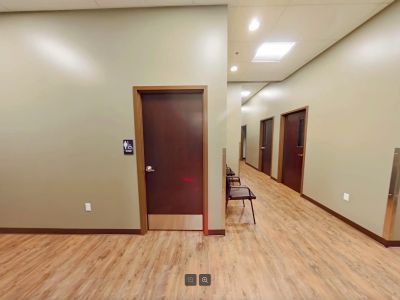
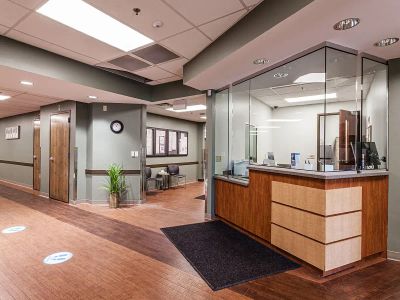
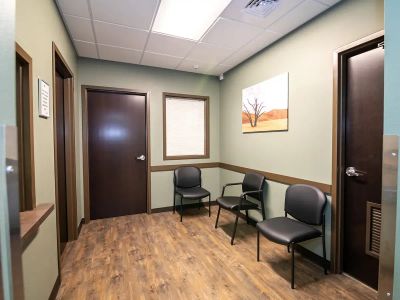
Comprehensive Treatment Centers - Evansville
Evansville, Indiana
1510 West Franklin Street, Evansville, IN 47710
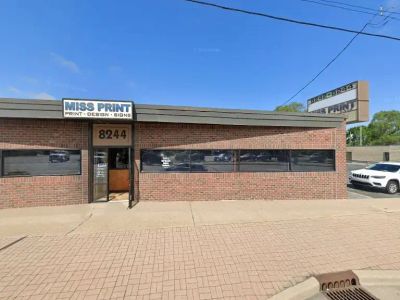

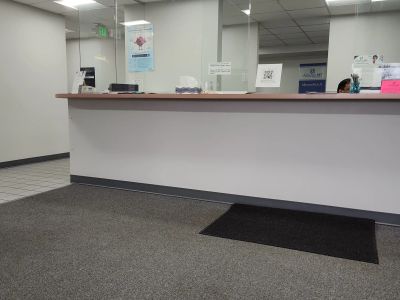
Alliance MD
Munster, Indiana
8242 Calumet Ave, Munster, IN 46321
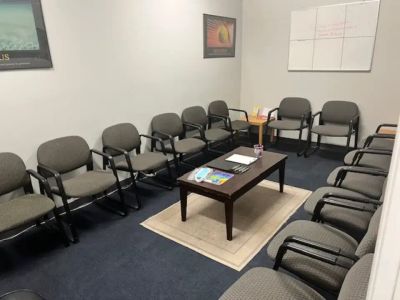
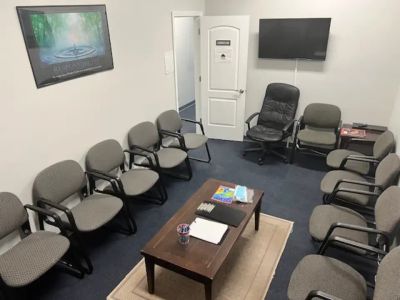
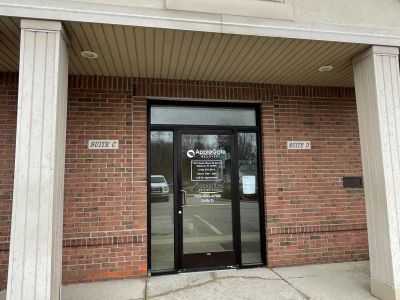
AppleGate Recovery Kokomo
Kokomo, Indiana
1542 S Dixon Rd STE C, Kokomo, IN 46902
Get Personalized Rehab Matches in 60 Seconds
Tell us a few details and we’ll show a personalized shortlist of verified Indiana rehabs, making it simple to compare options and choose your next step with confidence.
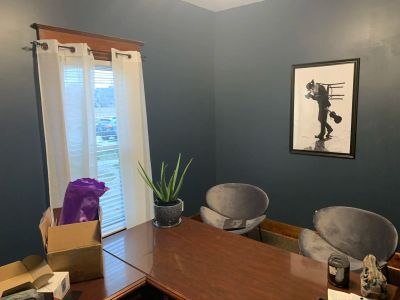
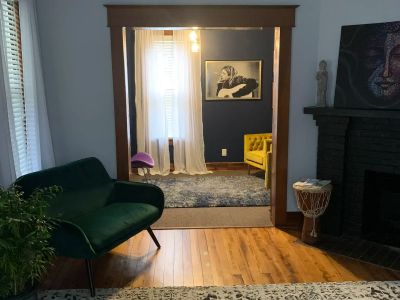
Lotus Treatment Center
Columbus, Indiana
1207 Washington St, Columbus, IN 47201


Recover Together - Martinsville
Martinsville, Indiana
225 Morton Ave Martinsville, IN 46151
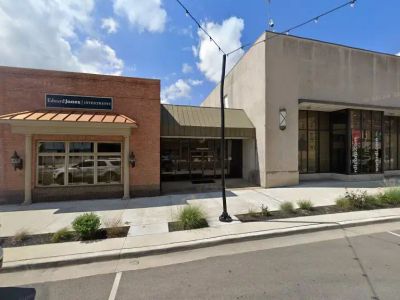
Spero Health
Richmond, Indiana
18 SW 5th St, Richmond, IN 47374
Spero Health - Connersville
Connersville, Indiana
531 North Central Avenue Suite 6, Connersville, IN 47331

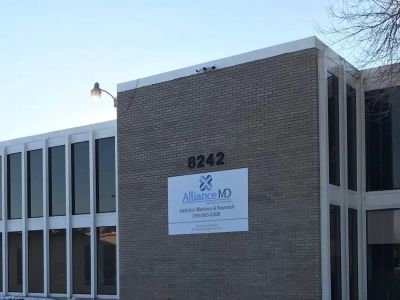

Alliance MD
Michigan City, Indiana
10176 W 400 N c, Michigan City, IN 46360
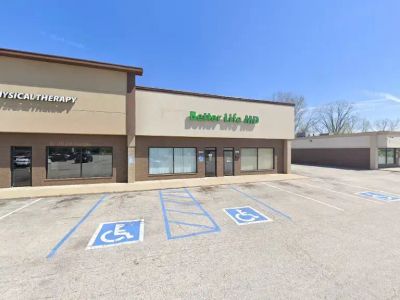

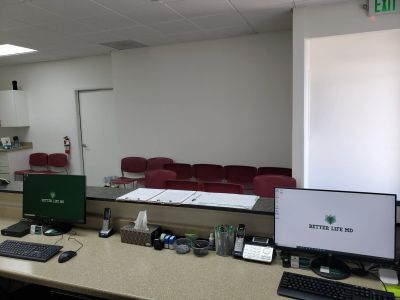
Better Life MD
Portage, Indiana
3325 Willowcreek Rd, Portage, IN, 46368
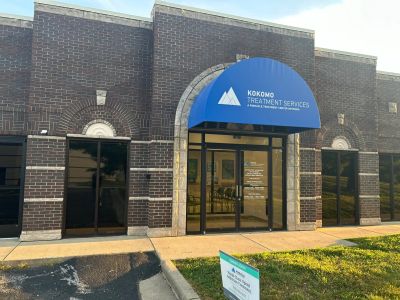
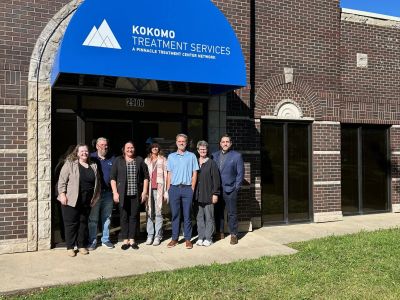
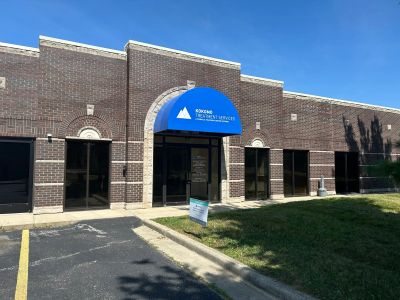
Pinnacle Treatment Centers - Kokomo
Kokomo, Indiana
2906 S. Reed Rd. Kokomo, IN 46902
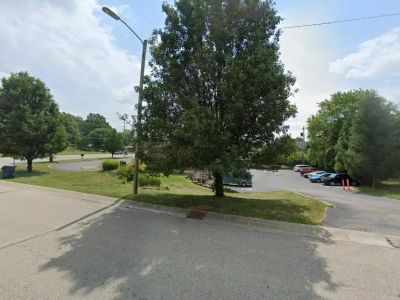


Recover Together - Aurora
Aurora, Indiana
706 Green Blvd., Aurora, IN, 47001
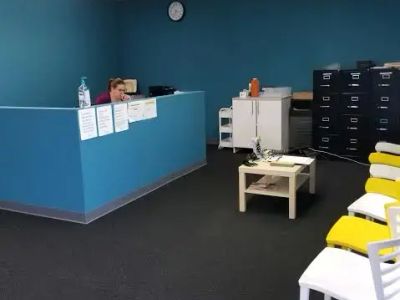

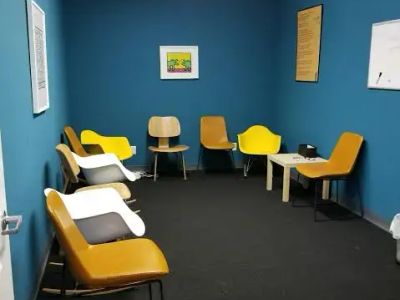
Recover Together - Connersville
Connersville, Indiana
2110 N Park Rd, Connersville, IN, 47331
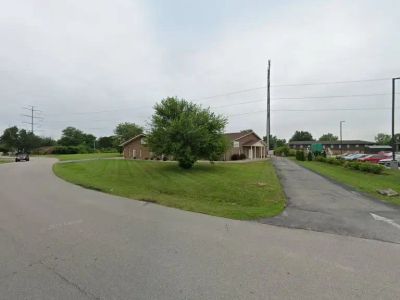
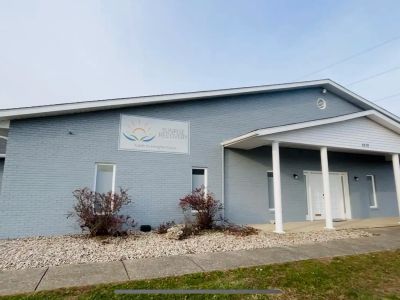
Sunrise Recovery - Drug and Alcohol Women's Rehab in Clarksville
Clarksville, Indiana
1610 Blackiston View Dr, Clarksville, IN 47129
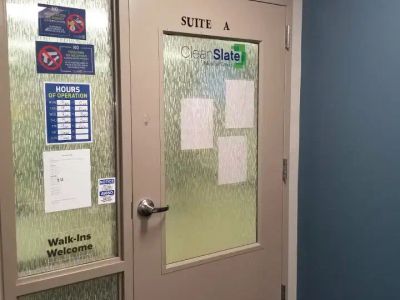
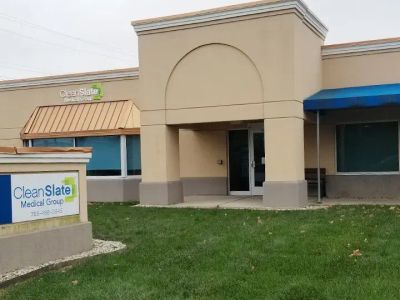
CleanSlate Outpatient Addiction Medicine
Richmond, Indiana
2302 Chester Blvd A, Richmond, IN 47374
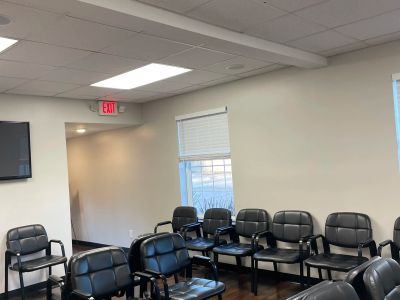

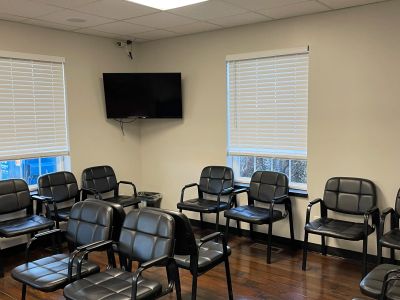
Dr. Malek’s Office – Primary Care, Senior Care & Mental Health
Evansville, Indiana
4972 Lincoln Ave #101, Evansville, IN 47715

Groups Recover Together
Washington, Indiana
100 A Cherry Tree Plaza, Washington, IN 47501
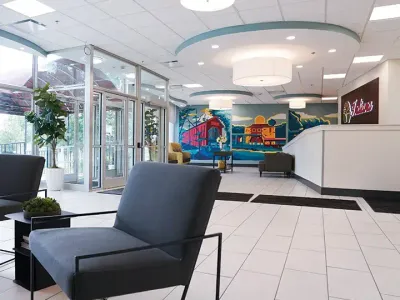
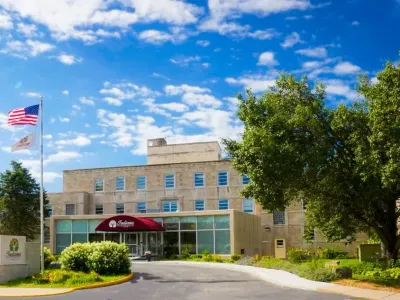
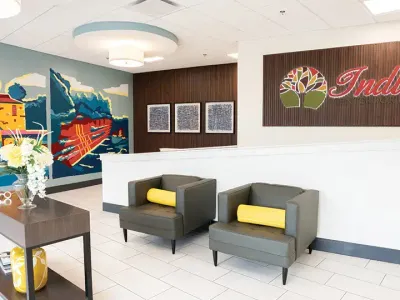
Indiana Center for Recovery - Alcohol & Drug Rehab Center Bedford
Bedford, Indiana
1600 23rd St, Bedford, IN 47421
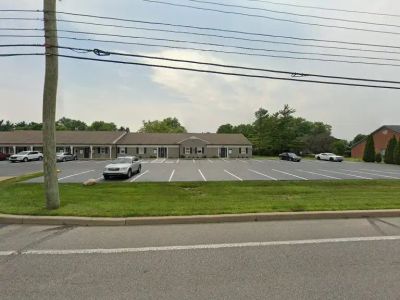
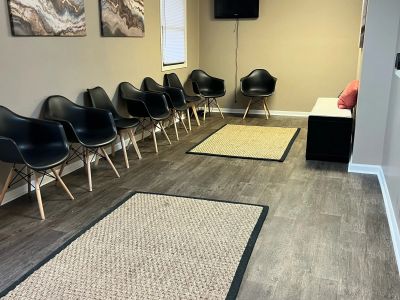
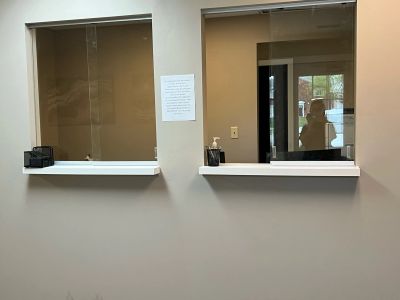
Journey Road Treatment Center - South
Indianapolis, Indiana
8106 Madison Ave, Indianapolis, IN 46227
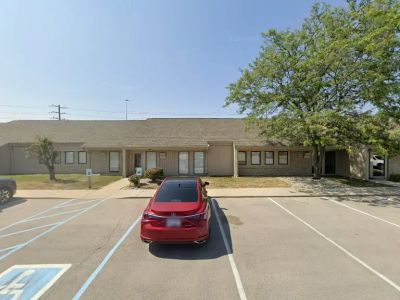
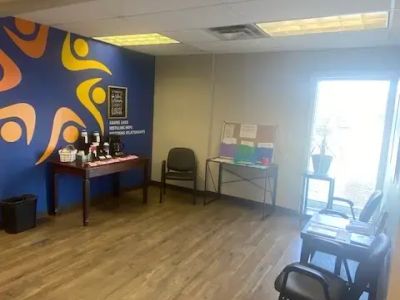
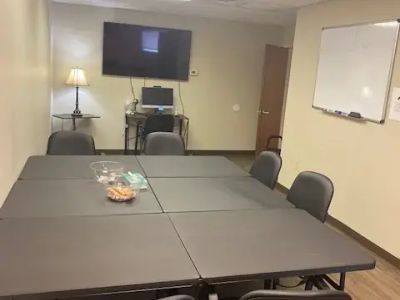
Spero Health - Indianapolis
Indianapolis, Indiana
8202 Clearvista Parkway, Suite 6D, Indianapolis, IN 46256
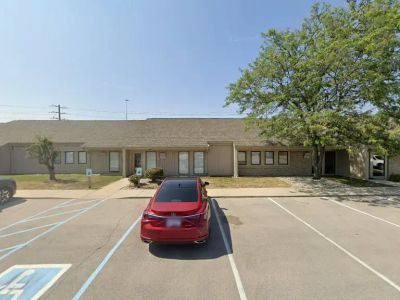
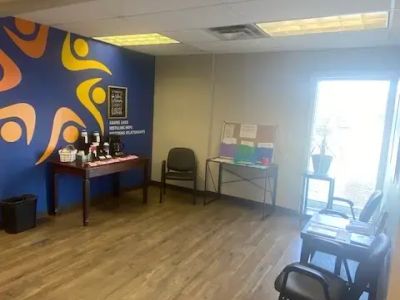
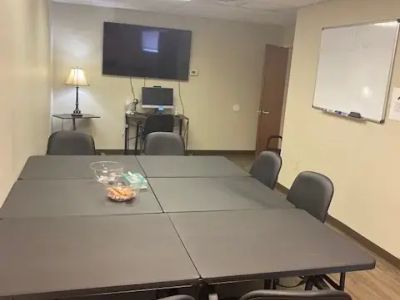
SperoHealth - Indianapolis
Indianapolis, Indiana
8202 Clearvista Parkway, Indianapolis, IN, 46256
Why Trust Indiana Rehabs
As Hoosiers helping Hoosiers, we understand the unique challenges our communities face. Our team meticulously verifies every Indiana treatment center, ensuring you find trusted, local care that truly understands your journey.
About our listingsLevels of Care
Explore popular treatment options by levels of care, from flexible treatment in Outpatient centers to intensive care in Residential rehabs.
Free · 24/7 · Confidential
Talk to a Treatment Specialist
Call now to get matched with Indiana facilities that accept your insurance.
(888) 568-9930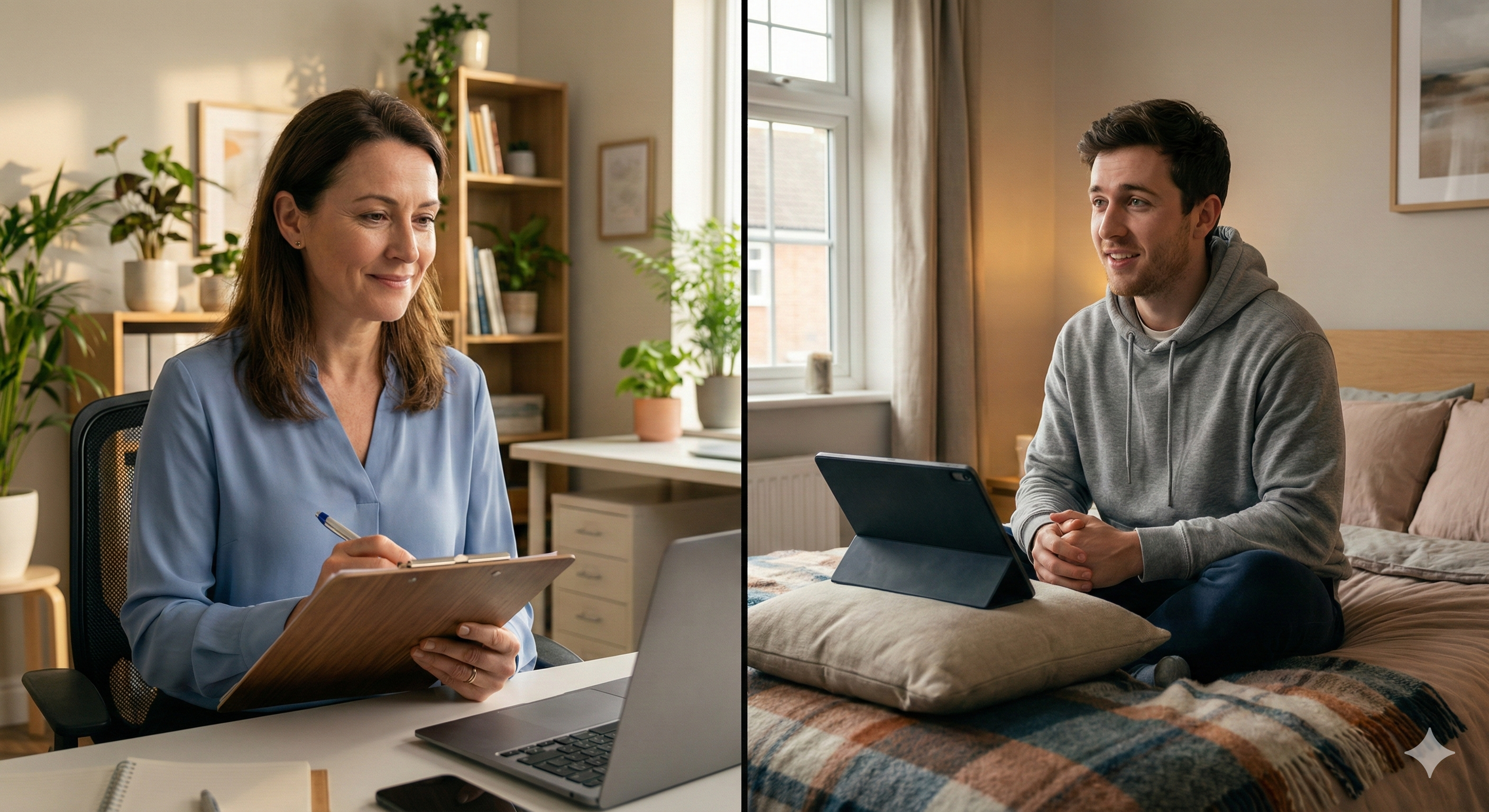
Free
Ins. check
4.9★
Rating
HIPAA
Protected
Can't travel to a facility?
Licensed Indiana therapists via secure video — same-week appointments, evenings & weekends available.
You're ready for recovery, but the options feel overwhelming. Suboxone? Sublocade? It's easy to feel lost in all the names and choices when what you really want is a clear path forward. Understanding the differences between these two proven treatments is the first step in finding what truly fits your life and goals, so you can move ahead with confidence and hope.
What Is Suboxone/Sublocade?
It helps to think of Suboxone and Sublocade not as cures for opioid use disorder (OUD), but as powerful tools that can give you the stability to heal. Both are FDA-approved medications used in Medication-Assisted Treatment (MAT), an approach that combines medication with counseling to support the whole person[1]. They share the same active ingredient, buprenorphine, which gently occupies the opioid receptors in your brain. This helps ease withdrawal symptoms and reduce cravings for opioids without producing a high[2]. This stability allows you to focus on your counseling and build a strong foundation for long-term recovery. Many people find success through MAT-focused programs that offer a structured path forward.
Facts About Suboxone & Sublocade
While both medications share the goal of supporting your recovery, they work in different ways. Understanding these key facts can help you and your healthcare provider decide which option might be a better fit for your life and treatment plan.
Fact #1: Sublocade consists of buprenorphine, while Suboxone blends buprenorphine and naloxone to prevent opioid overdose.
Sublocade is a pure buprenorphine formula, designed for a slow, steady release. Suboxone treatment, on the other hand, combines buprenorphine with naloxone. Naloxone is an opioid antagonist, which means it blocks the effects of opioids. It’s included specifically to discourage misuse; if someone tries to inject Suboxone, the naloxone can cause immediate withdrawal symptoms. When taken as prescribed by dissolving it under the tongue, the naloxone has very little effect, allowing the buprenorphine to work as intended. You can learn more about the active ingredient in both by exploring buprenorphine addiction and treatment.
Fact #2: Sublocade is administered once a month, while Suboxone is a daily sublingual film.
One of the biggest differences is how you take them. Sublocade is a monthly injection given by a healthcare provider. This can be a huge relief for patients who want to focus on their recovery without thinking about daily medication. Suboxone is a thin film that you dissolve under your tongue every day. This daily routine requires more personal responsibility but also allows your doctor to make quicker, more precise adjustments to your dose if needed.
Fact #3: A doctor must inject Sublocade under the skin, but Suboxone can be taken at home.
Because Sublocade is an injection, it must be administered by a trained healthcare provider in a clinic or office[3]. This ensures it's given correctly and safely. Suboxone offers more personal freedom. After your initial appointments and getting a prescription, you can take your daily dose in the privacy of your own home, which many patients find convenient.
Myths About Suboxone & Sublocade
There's a lot of stigma and misinformation surrounding MAT, and it can be discouraging. Let's clear up a few common myths. The idea that using Suboxone or Sublocade is "trading one addiction for another" is false. This is a medical treatment for a chronic disease, just like using an inhaler for asthma. These medications work to stabilize your brain, which can significantly reduce the risk of relapse and overdose[4]. True recovery isn't about avoiding medication; it's about using every tool available to heal and build a life you love. Research shows that MAT is highly effective at helping people stay in treatment and succeed in their long-term recovery goals[5].
IMPORTANT SAFETY INFORMATION
Suboxone and Sublocade are powerful, effective medications, but they must be used correctly and under the care of a healthcare provider[6]. Your safety is the top priority, so it’s important to be aware of the following:

- Talk to your provider about all potential effects. Common side effects can include constipation, headache, nausea, fatigue, and pain at the injection site for Sublocade.
- Never mix these medications with alcohol, benzodiazepines (like Xanax or Valium), or other sedatives. Combining them can lead to severe breathing problems, overdose, or death.
- Sublocade comes with an FDA BOXED WARNING, its most serious alert. It must never be administered intravenously (into a vein). The medication forms a solid mass after injection and could cause serious harm or death if it travels through your bloodstream.
How to Find Suboxone & Sublocade Providers in Indiana
Finding a qualified healthcare provider in Indiana is the next step. Our directory is designed to connect you with local treatment providers who can help. You can also use national resources like SAMHSA's buprenorphine Practitioner Locator to find a doctor near you. When you reach out, don't hesitate to ask about their programs, what to expect, and which medication might be right for you.
Your Path to Recovery Starts Here
Choosing between Suboxone and Sublocade is a personal decision you'll make with your doctor, based on your health, lifestyle, and recovery goals. Both are proven paths away from opioid addiction and toward a place of hope and stability. In Indiana, access to MAT has contributed to a real decline in overdose deaths, showing just how effective this treatment can be[7]. Your path to recovery is unique, and taking this step is a sign of incredible strength.
Making an informed choice is a powerful first step toward reclaiming your life. Whether Suboxone or Sublocade is the right tool for you, the most important thing is that help is available. If you're ready to talk to someone who understands, our compassionate team is here to listen. You can call us at (888) 568-9930 to discuss your options or let us help you find a treatment center that feels right. At Indiana Rehabs, we believe in your recovery, and we're here to support you every step of the way.
Frequently Asked Questions About Suboxone and Sublocade Treatment
Which is better, Sublocade or Suboxone?
Neither option is officially 'better' than the other; the best choice depends on your personal health, lifestyle, and recovery goals. Your doctor will help you decide.
Sublocade can be ideal if you want the convenience of a once-monthly injection. Suboxone, a daily film, allows for more flexible dose adjustments and can be taken at home. Talking with a provider is the best way to weigh the pros and cons for your situation.
How long does Suboxone or Sublocade treatment last?
The duration of treatment is personalized and depends on your unique recovery journey. There's no set timeline, but many people benefit from at least several months of support to build a strong foundation for recovery.
The goal is to provide stability while you develop new coping skills in therapy. Your healthcare provider will work with you to create a plan that helps prevent relapse and can be adjusted as your needs change.
Do I have to be in withdrawal to start Suboxone or Sublocade?
Yes, you must be in a state of mild to moderate opioid withdrawal before starting Suboxone. Taking it too soon can cause precipitated withdrawal, which is a rapid and intense onset of symptoms.
To start Sublocade, you must first be on a stable dose of an oral buprenorphine product (like Suboxone) for at least seven days. Your doctor will provide specific instructions to ensure your treatment begins safely.
What happens if I miss a dose of Suboxone or a Sublocade injection?
If you miss a daily dose of Suboxone, contact your provider's office for instructions. It's important not to take an extra dose to 'catch up' without medical advice.
Because Sublocade is a monthly injection, there is more flexibility. If you have to miss your appointment, just call the clinic as soon as possible to reschedule. Clear communication with your treatment team is the best way to stay on track and safe.
Can I switch from Suboxone to Sublocade?
Yes, switching from Suboxone to Sublocade is a very common treatment path. In fact, you are required to be on a stable dose of oral buprenorphine (like Suboxone) for at least a week before receiving your first Sublocade injection.
This process allows your healthcare provider to confirm you're on the right dose before transitioning you to the long-acting monthly formula. It helps ensure your treatment remains consistent and effective.
- Substance Abuse and Mental Health Services Administration. (03-28-2024). buprenorphine for opioid use disorder. Substance Abuse and Mental Health Services Administration. samhsa.gov
- National Institute on Drug Abuse. (03-20-2025). Medications for opioid use disorder. National Institute on Drug Abuse. nida.nih.gov
- Substance Abuse and Mental Health Services Administration. (07-04-2025). Waiver elimination (MAT Act). Substance Abuse and Mental Health Services Administration. samhsa.gov
- Centers for Disease Control and Prevention. (06-27-2024). Treatment for opioid use disorder: Population estimates. Centers for Disease Control and Prevention. cdc.gov
- (2022-06-13). Expanding buprenorphine use in primary care: Changing the culture. National Library of Medicine. pmc.ncbi.nlm.nih.gov
- Substance Abuse and Mental Health Services Administration. (02-02-2024). Substance use disorders - statutes, regulations, and guidelines. Substance Abuse and Mental Health Services Administration. samhsa.gov
- State of Indiana. (2024). Progress report November 2024. in.gov