Benzodiazepines Rehabs

Showing 20 of 39 Results (filtered)
Featured Rehab Centers

1411 W County Line Rd, Suite 1411A, Greenwood, IN 46142
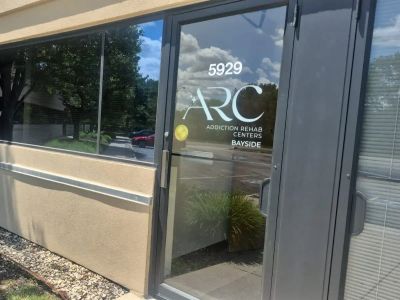

Addiction Rehab Centers - ARC At Bayside | Indianapolis Drug & Alcohol Rehab
Indianapolis, Indiana
5929 Lakeside Blvd, Indianapolis, IN 46278

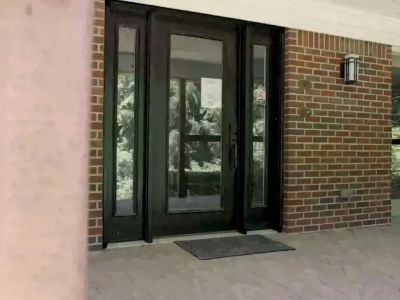
Addiction Rehab Centers - ARC at Fox Hill | Drug & Alcohol Rehab - Mooresville Indiana
Mooresville, Indiana
12168 N Mann Rd, Mooresville, IN 46158
Get Personalized Rehab Matches in 60 Seconds
Tell us a few details and we’ll show a personalized shortlist of verified Indiana rehabs, making it simple to compare options and choose your next step with confidence.
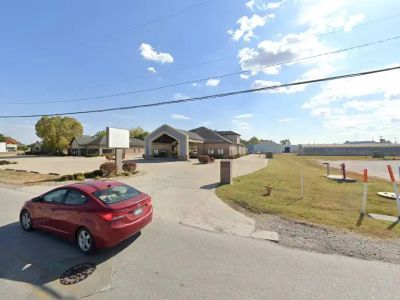
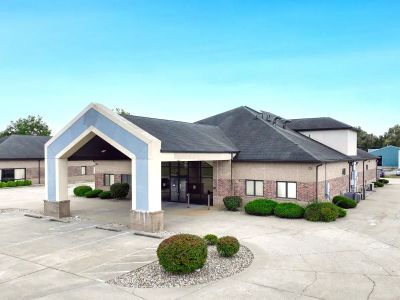
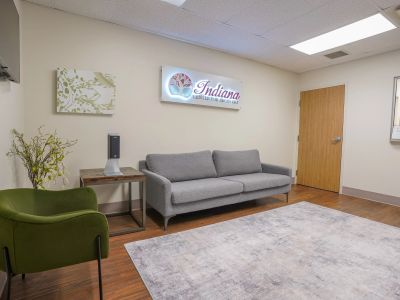
Indiana Center For Recovery- Alcohol & Drug Rehab Terre Haute
Terre Haute, Indiana
135 E Hospital Ln, Terre Haute, IN 47802



Indiana Treatment Centers
Columbus, Indiana
1888 Poshard Dr, Columbus, IN 47203
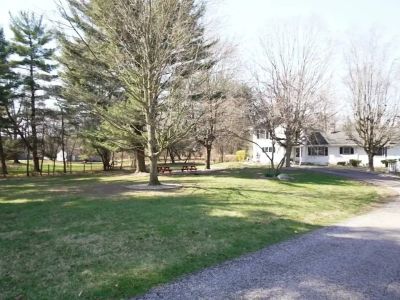

Addiction Rehab Centers - ARC | Drug & Alcohol Rehab - Addiction Treatment in Indianapolis, IN
Indianapolis, Indiana
7322 Noel Rd, Indianapolis, IN 46278
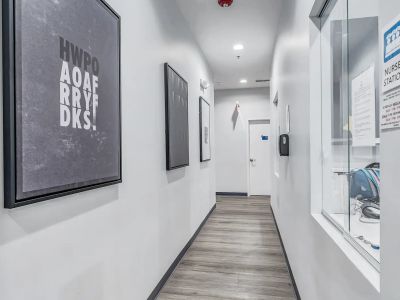
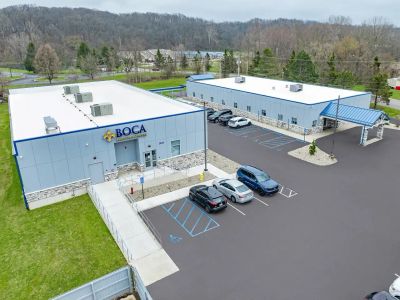

Boca Recovery Center - Fort Wayne, Indiana
Fort Wayne, Indiana
111 W Berry St #211, Fort Wayne, IN 46802

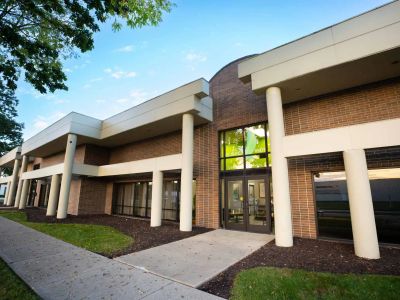

Evolve Indy
Indianapolis, Indiana
8770 Guion Rd, Indianapolis, IN, 46268
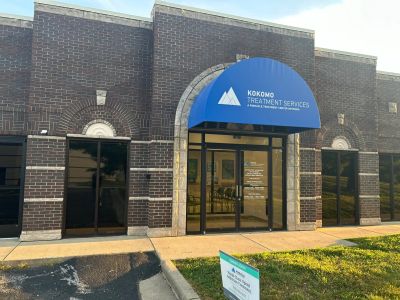
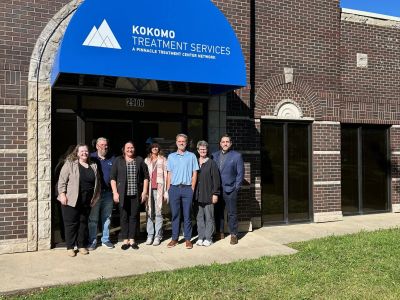
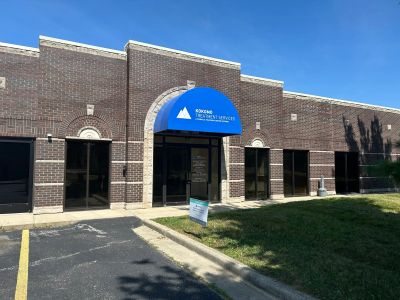
Pinnacle Treatment Centers - Kokomo
Kokomo, Indiana
2906 S. Reed Rd. Kokomo, IN 46902
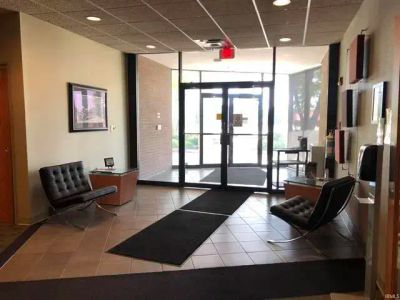
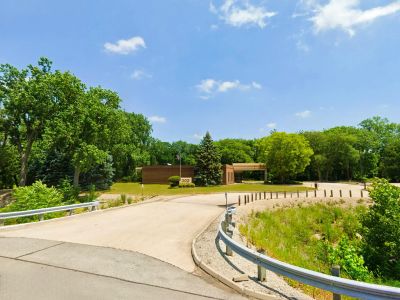
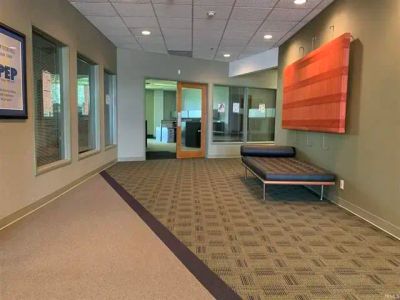
Restored Life Continuum of Care
Kokomo, Indiana
302 S Reed Rd, Kokomo, IN 46901
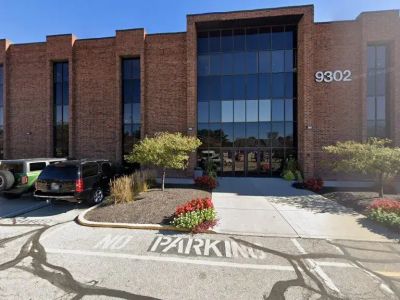


Spark Recovery - Outpatient Drug Addiction Treatment Indianapolis
Indianapolis, Indiana
9302 N Meridian St Ste 101, Indianapolis, IN 46260

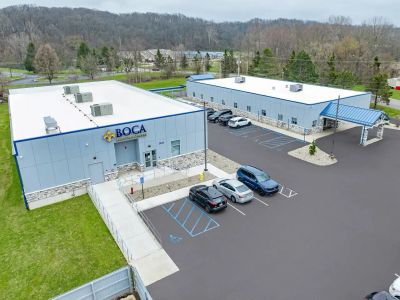
Boca Recovery Center - Indiana Drug and Alcohol Rehab
Huntington, Indiana
3040 W Park Dr, Huntington, IN 46750
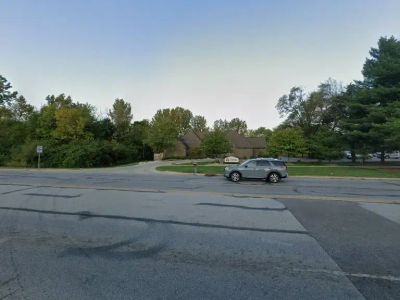
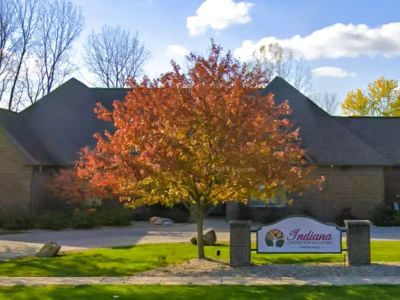

Indiana Center for Recovery - Alcohol & Drug Rehab Center Indianapolis
Indianapolis, Indiana
5510 S Emerson Ave, Indianapolis, IN 46237


Avenues Recovery Center at Indianapolis
Indianapolis, Indiana
7960 Shadeland Ave, Indianapolis, IN 46250

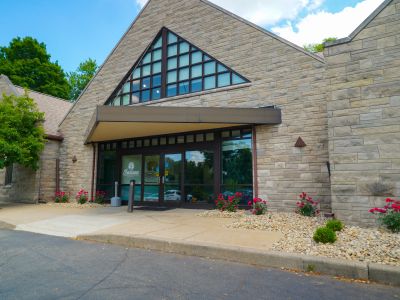

Indiana Center for Recovery
Bloomington, Indiana
1004 West 1st Street, Bloomington, IN, 47403
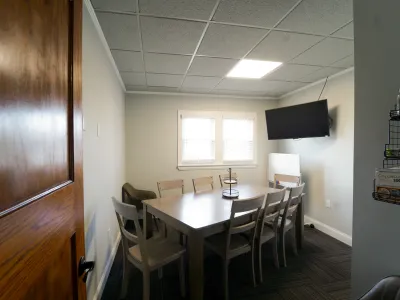
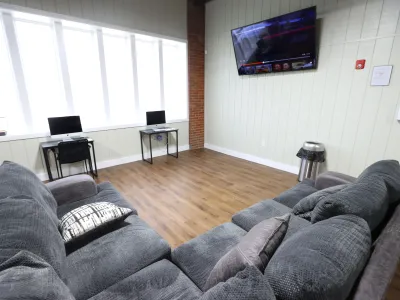
First City Recovery Center
Kokomo, Indiana
317 W Jefferson St, Kokomo, IN, 46901
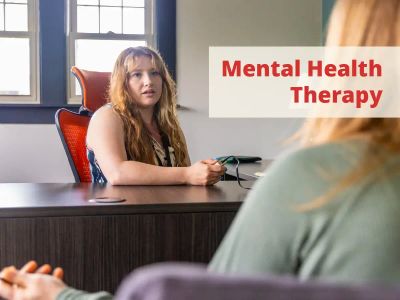


215 W 4th St, Mishawaka, IN 46544



Addiction Rehab Centers - ARC
Indianapolis, Indiana
7322 Noel Road, Indianapolis, IN, 46278

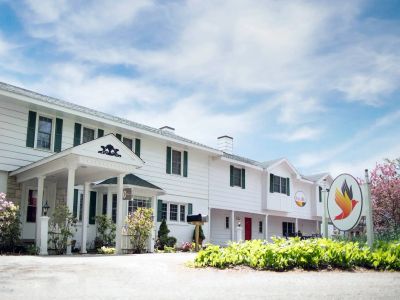

Parkdale Center
Chesterton, Indiana
350 Indian Boundary Rd., Chesterton, IN, 46304



Recovery Centers of America at Indianapolis
Indianapolis, Indiana
8530 Township Line Rd, Indianapolis, IN 46260
Why Trust Indiana Rehabs
As Hoosiers helping Hoosiers, we understand the unique challenges our communities face. Our team meticulously verifies every Indiana treatment center, ensuring you find trusted, local care that truly understands your journey.
About our listingsLevels of Care
Explore popular treatment options by levels of care, from flexible treatment in Outpatient centers to intensive care in Residential rehabs.
Free · 24/7 · Confidential
Talk to a Treatment Specialist
Call now to get matched with Indiana facilities that accept your insurance.
(888) 568-9930
Free
Ins. check
4.9★
Rating
HIPAA
Protected
Can't travel to a facility?
Licensed Indiana therapists via secure video — same-week appointments, evenings & weekends available.
It often begins so simply, a prescription meant to quiet anxious thoughts or ease restless nights. But over time, the relief benzodiazepines offer can shift, leaving you feeling caught in a cycle where the pills you trusted now feel impossible to let go. That sense of being trapped, watching your need grow as your relief fades, can be isolating and heavy. But there’s a way out: recovery is absolutely possible, and here in Indiana, there are real, proven treatments that can help you reclaim your life, step by step.

What are Benzodiazepines?
Benzodiazepines, often called "benzos," are a class of medication prescribed as sedatives, hypnotics, or anxiolytics.[1] Doctors typically provide these prescriptions for the short-term management of conditions like anxiety, panic disorders, insomnia, and seizures. They work by enhancing the effects of a natural chemical in the brain called gamma-aminobutyric acid (GABA), which is responsible for calming nerve activity. This action slows down the central nervous system, producing a sense of calm and relaxation.
While effective when used as directed for a short period, their powerful calming effects also carry a significant risk for dependence. Some of the most commonly prescribed benzodiazepines include:
- Alprazolam (Xanax)
- Clonazepam (Klonopin)
- Diazepam (Valium)
- Lorazepam (Ativan)
- Temazepam (Restoril)
Benzodiazepine Addiction and Abuse
When you take benzodiazepines over time, your body can build a tolerance, meaning you need higher doses to achieve the same effect. This can quickly lead to physical dependence, where your body adapts to the presence of the drug and experiences withdrawal symptoms if you stop. It’s important to understand that dependence isn't the same as addiction, but it's a stepping stone. Dependence can happen even when you’re taking the medication exactly as your doctor prescribed.
Addiction, or substance use disorder, involves compulsive drug-seeking behavior despite negative consequences. Misuse, such as taking more than prescribed, using someone else's prescription, or taking them to get high, dramatically increases the risk of developing an addiction. Statistics show that about 17% of individuals who misuse benzodiazepines develop an addiction.[1] Combining benzos with other substances like alcohol or opioids is especially dangerous, as it can lead to severe respiratory depression and overdose.
Are benzodiazepines addictive?
Yes, benzodiazepines are addictive and have a high potential for creating dependence, especially with long-term use. This risk is why they are classified as Schedule IV controlled substances. While they are safe for short-term treatment, using them for longer than a few weeks significantly increases the likelihood of both physical and psychological dependence. The brain starts to rely on the medication to produce GABA's calming effects, making it incredibly difficult to stop without professional help.
Recognizing Benzodiazepine Addiction
Recognizing the signs and symptoms of benzodiazepine addiction can be challenging, as they often start subtly and grow over time. The changes can be physical, behavioral, or psychological. If you’re worried about yourself or someone you care about, knowing these signs can help you understand when it’s time to seek support. What might start as simply taking the medication can evolve into a pattern of misuse that affects every area of a person's life.
Physical signs of benzodiazepine addiction include:
- Persistent drowsiness or lethargy
- Slurred speech
- Impaired coordination and unsteadiness
- Muscle weakness
- Blurred vision
- Changes in sleep patterns, such as sleeping more or less than usual
Behavioral signs of benzodiazepine addiction include:
- "Doctor shopping" to get multiple prescriptions
- Running out of prescriptions early or forging them
- Hiding or being secretive about medication use
- Withdrawing from social activities and hobbies
- Neglecting work, school, or family responsibilities
- Continuing to use benzos despite relationship or financial problems
Psychological signs of benzodiazepine addiction include:
- Increased anxiety or panic attacks when not using the drug
- Mood swings, irritability, or hostility
- Memory problems and difficulty concentrating
- Strong cravings or a constant preoccupation with getting and using the medication
- Loss of interest in activities you once enjoyed
Benzodiazepine Withdrawal

One of the most dangerous aspects of benzodiazepine dependence is the withdrawal process. Stopping "cold turkey" after prolonged use can be life-threatening. The brain, accustomed to the drug's calming effects, can rebound into a state of over-excitement, leading to severe complications. Any patient who has taken a benzodiazepine for longer than 3–4 weeks is likely to have withdrawal symptoms if the drug is stopped abruptly.[2]
For this reason, you should never attempt to detox from benzodiazepines on your own. A medically supervised detox is essential for safety. This process almost always involves a slow, gradual taper, where the dosage is carefully reduced over weeks or months. Sometimes, a doctor may switch you to a long-acting benzodiazepine, like diazepam, to make the taper smoother and more manageable.
Benzodiazepine withdrawal symptoms
The withdrawal symptoms from benzodiazepines can range from uncomfortable to severe. They can appear within hours or days of the last dose and may include:
- Rebound anxiety and insomnia
- Irritability and agitation
- Tremors and muscle spasms
- Headaches, sweating, and nausea
- Heart palpitations
- Heightened sensory perception (sensitivity to light and sound)
- In severe cases, hallucinations and grand mal seizures
Benzodiazepine Addiction Treatment
If you're struggling with benzodiazepine dependence, please know that recovery is entirely possible with the right support. Comprehensive benzodiazepine addiction treatment addresses both the physical dependence and the underlying psychological reasons for the addiction. Treatment isn't a one-size-fits-all solution; it's tailored to your unique needs, history, and goals.
The length and intensity of treatment can vary. Some people may need a residential program for focused care, while others might succeed in an outpatient program that allows them to maintain daily responsibilities. All addiction treatment providers in Indiana require certification by the Division of Mental Health and Addiction (DMHA), ensuring they meet specific standards of care.[3] These facilities must also be designated to offer specific ASAM Levels of care, which helps match patients to the right intensity of treatment.[4]
Medical detoxification
The first and most critical step is always medical detoxification. This is done in a safe, supervised environment where medical professionals can monitor your vital signs and manage withdrawal symptoms. They can administer medications as needed to keep you comfortable and prevent dangerous complications like seizures. A slow, controlled taper under medical care is the safest way to rid your body of the substance and prepare for the next stage of recovery.
Therapy and counseling
Once you are physically stable, the real work of recovery begins with therapy. Counseling helps you explore the root causes of your addiction, whether it’s underlying anxiety, trauma, or other stressors. Evidence-based approaches like cognitive-behavioral therapy (CBT) are highly effective. CBT helps you identify and change the negative thought patterns and behaviors that led to substance use. Therapy can take place in individual, group, or family settings, providing a strong support system to build a foundation for lasting recovery.
Find The Right Benzodiazepine Addiction Treatment in Indiana
Feeling trapped by benzodiazepine dependence is a heavy burden, but you don’t have to carry it alone. Recovery is within reach, and here in Indiana, a network of compassionate professionals is ready to help you find your way back. The first step, and often the hardest, is simply reaching out.
When you call, you’ll speak with a caring professional who will conduct a confidential assessment to understand your situation and needs. This conversation is a judgment-free space for you to ask questions and learn about the treatment options available. You can use resources like the SAMHSA National Treatment Locator to explore licensed programs. It's time to take that first step toward reclaiming your health and peace of mind. Professional help is available right here in Indiana, ready to support you on your journey to a better life.
Breaking free from benzodiazepine addiction is a journey, not a single event. It requires courage, support, and a commitment to healing one day at a time. With professional guidance, you can safely navigate withdrawal, address the reasons behind the addiction, and build a new life rooted in health and hope. If you’re ready to start, we’re here to help. You can call us at (888) 568-9930 to speak with a specialist, or explore our resources at Indiana Rehabs. Please don't hesitate to contact us to take the first, most important step toward your recovery.
Frequently Asked Questions About Benzodiazepine Treatment in Indiana
Can I get addicted to benzodiazepines if I have a prescription?
Why is it dangerous to quit benzos on your own?
What types of addiction treatment are available for benzodiazepine misuse?
How long do benzodiazepine rehab programs last?
How does therapy for benzo addiction work?
What is the difference between brand-name and generic benzodiazepines?
- (01-22-2025). Nationwide trends in diagnosed sedative, hypnotic or anxiolytic use. National Center for Biotechnology Information. pmc.ncbi.nlm.nih.gov
- (12-20-2023). Benzodiazepine Discontinuation and Mortality Among Patients. JAMA Network Open. jamanetwork.com
- U.S. Department of Health & Human Services. (n.d.). INDIANA | State Residential Treatment for Behavioral Health. U.S. Department of Health & Human Services. aspe.hhs.gov
- Indiana Family and Social Services Administration. (06-16-2021). Substance Use Disorder (SUD)/Serious Mental Illness (SMI) Treatment. Indiana Family and Social Services Administration. in.gov