Cannabis Rehabs

Showing 20 of 38 Results (filtered)
Featured Rehab Centers

1411 W County Line Rd, Suite 1411A, Greenwood, IN 46142

91 West Mound Street, Nashville, IN 47448
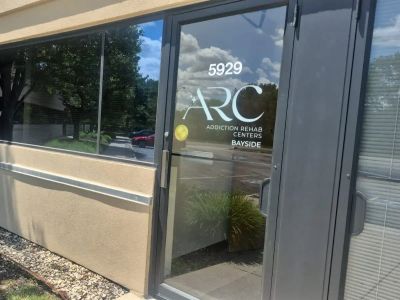

Addiction Rehab Centers - ARC At Bayside | Indianapolis Drug & Alcohol Rehab
Indianapolis, Indiana
5929 Lakeside Blvd, Indianapolis, IN 46278
Get Personalized Rehab Matches in 60 Seconds
Tell us a few details and we’ll show a personalized shortlist of verified Indiana rehabs, making it simple to compare options and choose your next step with confidence.

Addiction Rehab Centers - ARC at Fox Hill | Drug & Alcohol Rehab - Mooresville Indiana
Mooresville, Indiana
12168 N Mann Rd, Mooresville, IN 46158
Centerstone - New Castle
New Castle, Indiana
3221 S Memorial Dr, New Castle, IN 47362
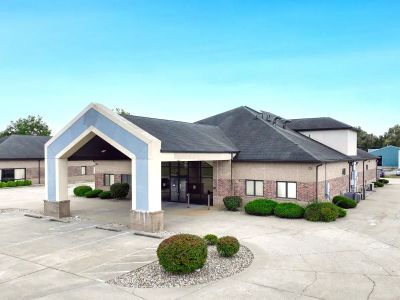
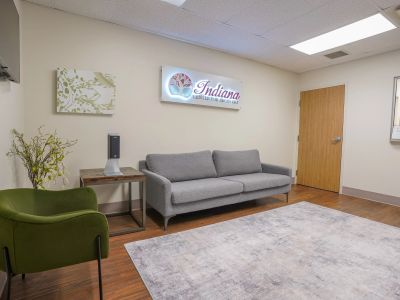
Indiana Center For Recovery- Alcohol & Drug Rehab Terre Haute
Terre Haute, Indiana
135 E Hospital Ln, Terre Haute, IN 47802
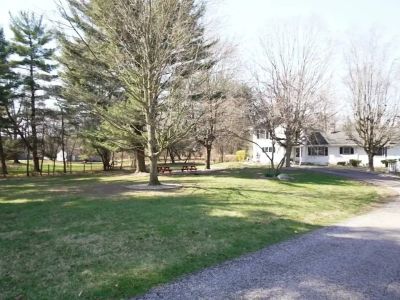

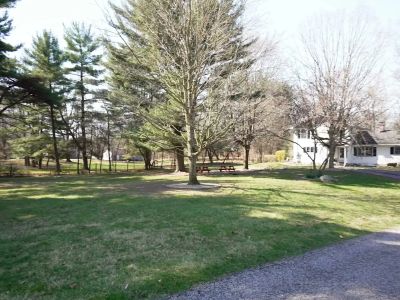
Addiction Rehab Centers - ARC | Drug & Alcohol Rehab - Addiction Treatment in Indianapolis, IN
Indianapolis, Indiana
7322 Noel Rd, Indianapolis, IN 46278
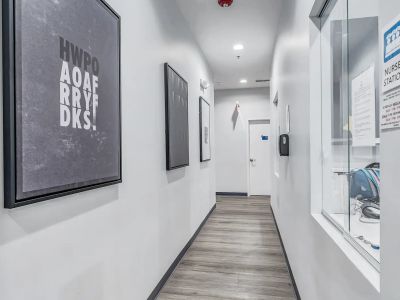
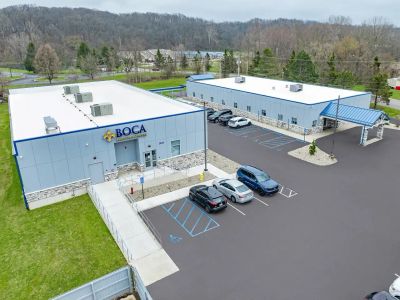
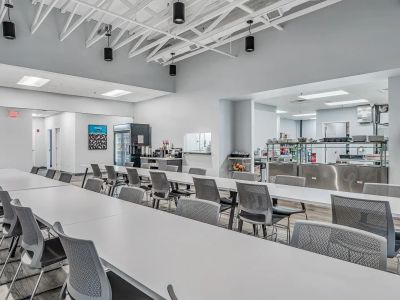
Boca Recovery Center - Fort Wayne, Indiana
Fort Wayne, Indiana
111 W Berry St #211, Fort Wayne, IN 46802
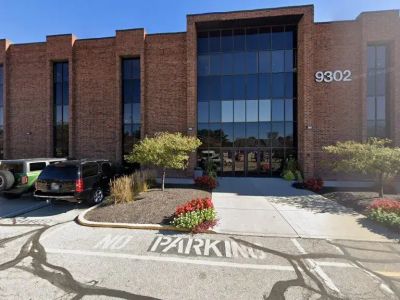

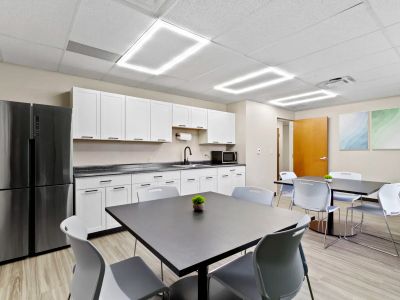
Spark Recovery - Outpatient Drug Addiction Treatment Indianapolis
Indianapolis, Indiana
9302 N Meridian St Ste 101, Indianapolis, IN 46260
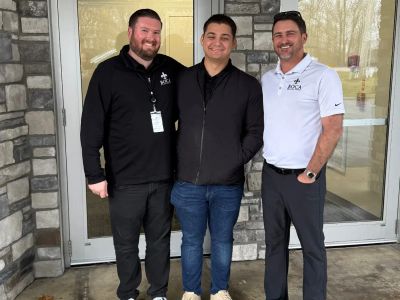
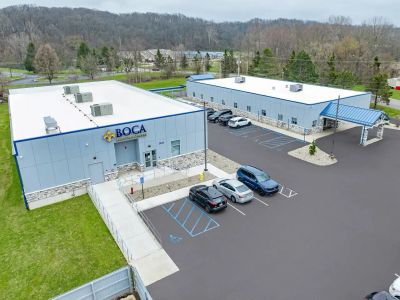

Boca Recovery Center - Indiana Drug and Alcohol Rehab
Huntington, Indiana
3040 W Park Dr, Huntington, IN 46750
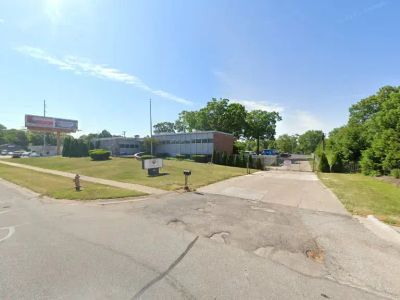
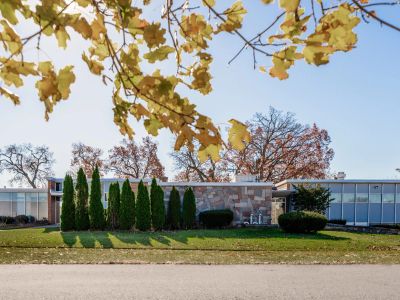
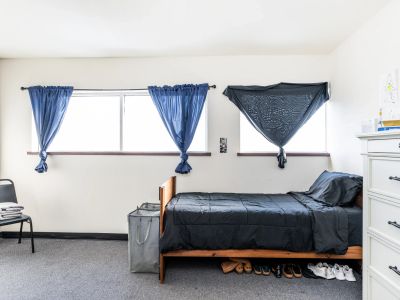
Cardinal Recovery
Franklin, Indiana
1130 West Jefferson St, Franklin, IN, 46131

Indiana Center for Recovery - Alcohol & Drug Rehab Center Indianapolis
Indianapolis, Indiana
5510 S Emerson Ave, Indianapolis, IN 46237


Avenues Recovery Center at Indianapolis
Indianapolis, Indiana
7960 Shadeland Ave, Indianapolis, IN 46250
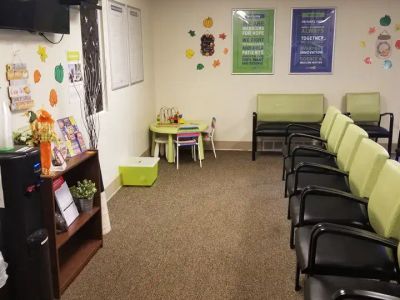
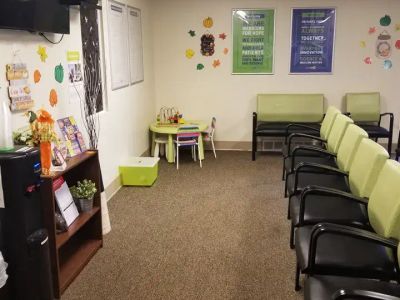
CleanSlate Outpatient Addiction Medicine Merrillville
Merrillville, Indiana
8601 Connecticut St, Merrillville, IN 46410

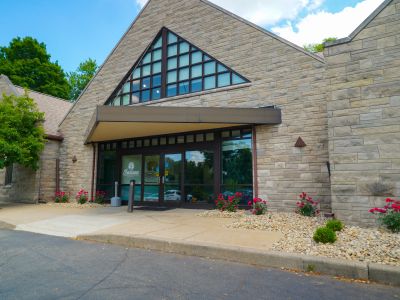

Indiana Center for Recovery
Bloomington, Indiana
1004 West 1st Street, Bloomington, IN, 47403
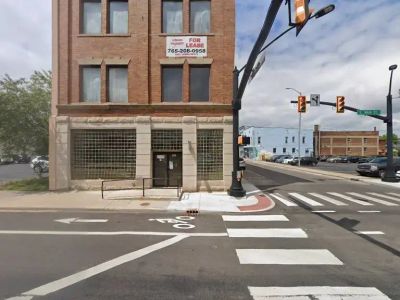
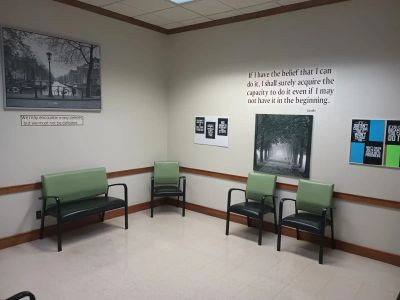
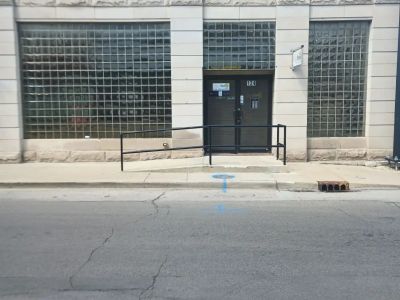
CleanSlate Outpatient Addiction Medicine
Muncie, Indiana
124 E Main St, Muncie, IN 47305
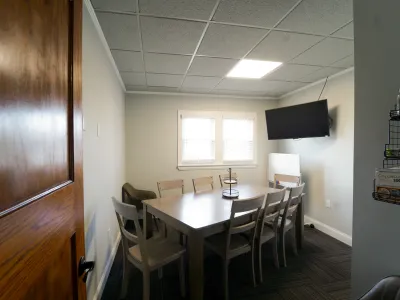
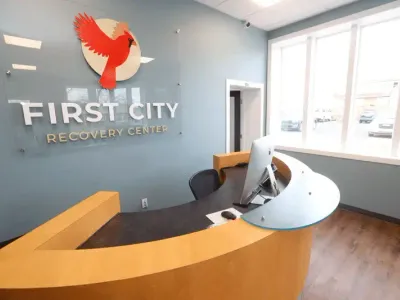
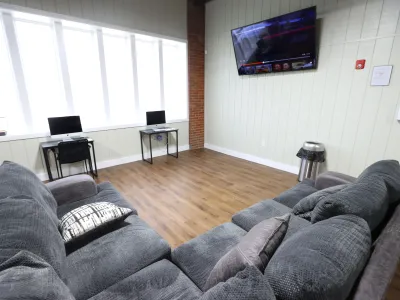
First City Recovery Center
Kokomo, Indiana
317 W Jefferson St, Kokomo, IN, 46901
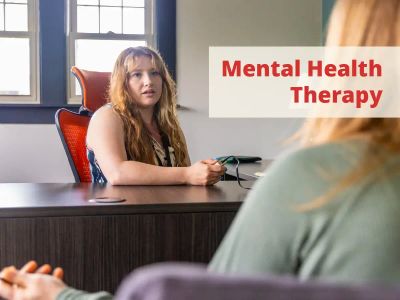


215 W 4th St, Mishawaka, IN 46544



Addiction Rehab Centers - ARC
Indianapolis, Indiana
7322 Noel Road, Indianapolis, IN, 46278
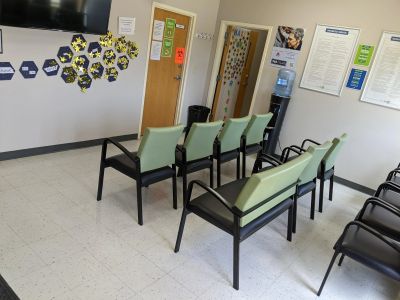
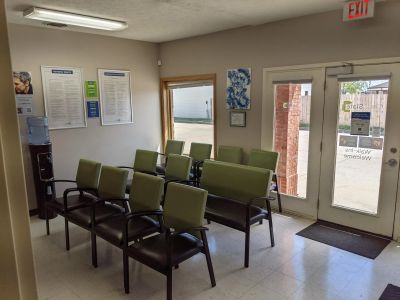
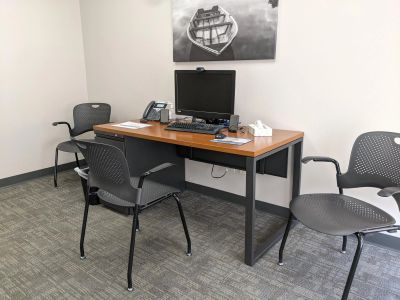
CleanSlate Outpatient Addiction Medicine
Lafayette, Indiana
30 Professional Ct #2A, Lafayette, IN 47905
Why Trust Indiana Rehabs
As Hoosiers helping Hoosiers, we understand the unique challenges our communities face. Our team meticulously verifies every Indiana treatment center, ensuring you find trusted, local care that truly understands your journey.
About our listingsLevels of Care
Explore popular treatment options by levels of care, from flexible treatment in Outpatient centers to intensive care in Residential rehabs.
Free · 24/7 · Confidential
Talk to a Treatment Specialist
Call now to get matched with Indiana facilities that accept your insurance.
(888) 568-9930
Free
Ins. check
4.9★
Rating
HIPAA
Protected
Can't travel to a facility?
Licensed Indiana therapists via secure video — same-week appointments, evenings & weekends available.
If you’re wondering whether your marijuana use has crossed a line from casual to compulsive, you’re not alone. It might surprise you to know that up to 30 percent of people who use cannabis can develop a real dependence, something that often gets missed or misunderstood. There’s no shame in questioning where you stand or in seeking a change, and there are practical, welcoming paths to recovery right here in Indiana to help you take that first step.
Signs of Marijuana Addiction
It can be tough to tell when marijuana use shifts from a habit to something more serious. Clinically, this is known as Cannabis Use Disorder (CUD), and it’s a recognized medical condition, not a personal failing. The core of the issue is dependence, where your body and mind start to rely on cannabis to feel normal. Recognizing the signs of addiction is the first, most important step toward getting support for your health and well-being. Many people who experience these symptoms find that learning about cannabis use disorder helps them understand what's happening and what to do next.
Here are some common signs that might indicate a problem:
- Behavioral Signs: This is about what you do. You might find yourself using more marijuana than you intended or for longer than you planned. Maybe you’ve tried to cut back or quit but couldn’t. A big sign is when use starts interfering with life’s responsibilities, like work, school, or family commitments. You might also give up hobbies or activities you once enjoyed because you’d rather use marijuana.
- Psychological Signs: This covers what you think and feel. A major sign is spending a lot of time thinking about using cannabis, how to get it, when you’ll use it, and how it will make you feel. You might feel anxious, irritable, or restless when you’re not using it. Cravings can become intense, making it hard to focus on anything else.
- Physical Signs: This relates to your body. Over time, you might build a tolerance, meaning you need more and more marijuana to get the same effect. Some people continue to use it even when they know it’s causing or worsening physical or mental health problems. In the U.S., about 1 in 10 people who use cannabis will develop a substance use disorder[1].
Short and Long Term Effects of Marijuana Addiction

Understanding the effects of long-term cannabis abuse is crucial, especially because the marijuana available today is often far more potent than it was a few decades ago. While THC concentrations used to be in the single digits, many modern products contain 15-20% THC, and concentrates can reach levels from 60-99%. This increased potency can intensify the effects on your physical and mental health, both right away and over time. In Indiana, the connection between substance use and other health issues is a growing concern, highlighting the importance of awareness and care[2]. This connection is also seen in broader research, which shows links between cannabis use and mental health challenges[3].
Short-Term Effects
When someone uses marijuana, the immediate effects can feel relaxing, but they also come with significant downsides that impact daily functioning. These can include:
- Altered senses, such as seeing brighter colors
- Changes in mood, from feeling euphoric to anxious or paranoid
- Impaired body movement and poor coordination
- Difficulty with thinking, problem-solving, and memory
- Increased heart rate
Long-Term Effects
When marijuana use becomes a long-term habit, the risks to your health become more serious. Chronic abuse can lead to lasting consequences, especially for your brain and mental well-being. For adolescents, whose brains are still developing, the impact can be particularly significant, potentially affecting cognitive function, memory, and learning. Long-term use is also linked to a higher risk of developing certain mental health conditions, such as temporary psychosis or anxiety. For those who smoke marijuana frequently, there’s also a risk of respiratory infections and issues similar to those caused by tobacco smoke, like chronic bronchitis.
Marijuana Withdrawal
One of the biggest myths about marijuana is that it’s not physically addictive. The reality is, if you’ve been using it heavily for a long time, stopping can trigger a set of very real and uncomfortable withdrawal symptoms. This happens because your body has adapted to the presence of THC and needs time to readjust. For many in Indiana, dependence is a significant barrier to quitting[2]. These symptoms are a sign that your body is healing, but they can make it incredibly difficult to stay on the path to recovery without support.
Common symptoms of marijuana withdrawal include:
- Irritability, anger, or aggression
- Nervousness or anxiety
- Sleep difficulties, including insomnia or disturbing dreams
- Decreased appetite or weight loss
- Restlessness and general feelings of discomfort
- Intense cravings for marijuana
These symptoms can make it tempting to relapse just to find relief. A medically supervised detox program can provide a safe and supportive environment to manage these challenges, helping you get through the toughest part of the process.
Types of Treatment Available for Marijuana Addiction

When it comes to cannabis rehab, there’s no one-size-fits-all solution. The right path for you depends on your personal circumstances, like the severity of the addiction, your home environment, and whether you’re dealing with other mental health conditions. Indiana offers a range of treatment programs designed to meet you where you are. For those needing something between the two main types of care, options like Partial Hospitalization Programs (PHP) and Intensive Outpatient Programs (IOP) offer a step-down level of support.
Inpatient Treatment
Inpatient (or residential) rehab provides a structured, 24/7 environment where you can focus entirely on your recovery without the distractions or triggers of everyday life. This level of care is often best for individuals with a more severe addiction, those who also have co-occurring mental health disorders, or anyone whose home environment isn’t supportive of recovery. In an inpatient setting, you’ll receive intensive therapy, medical supervision, and build connections with peers who understand what you’re going through. It’s a chance to build a strong foundation for lasting change.
Outpatient Treatment
Outpatient rehab offers more flexibility, allowing you to live at home and continue with work, school, or family responsibilities while attending therapy sessions at a facility. This option is ideal for those with a less severe addiction and a strong, stable support system at home. Outpatient programs are a great way to practice the coping skills you learn in therapy in real-world situations. It empowers you to build a new life in recovery while still staying connected to your community.
Therapies Used in Marijuana Addiction Treatment
Effective marijuana addiction treatment goes beyond just stopping use; it’s about learning new ways to think, behave, and cope with life’s challenges. Behavioral therapies are the cornerstone of this process, helping you build the skills needed for long-term recovery. In Indiana, these evidence-based approaches are a key part of substance use disorder care[4]. Treatment plans often include a mix of individual, group, and family counseling to address all aspects of your life.
Some of the most common therapies include:
- Cognitive-Behavioral Therapy (CBT): This therapy helps you identify and change the negative thought patterns and behaviors that lead to marijuana use. You’ll learn practical coping skills to manage cravings and avoid high-risk situations.
- motivational enhancement therapy (MET): MET is designed to help you explore and resolve any ambivalence you might feel about quitting. It focuses on strengthening your own motivation to make a change.
- contingency management (CM): This approach uses positive reinforcement, like small rewards, to help you stay on track with your recovery goals and celebrate your progress.
Marijuana Rehab Cost and Insurance Coverage
It’s completely normal to worry about the cost of treatment. The good news is that thanks to laws like the Affordable Care Act (ACA), most health insurance plans are required to provide coverage for substance abuse treatment. This means your plan likely covers services like detox, therapy, and counseling. Indiana has also worked to expand access to care through programs like Medicaid, ensuring more people can get the help they need[5][6]. For general information on federal programs, you can visit Medicaid.gov.
Every insurance plan is different, so it’s important to check the specifics of your coverage, including any co-pays or deductibles you might have. The easiest way to find out what your plan covers is to verify your insurance. You can do this through a confidential form online or by making a quick phone call. Our team can help you understand your benefits and find a treatment center that works with your insurance.
How to Choose the Best Marijuana Addiction Treatment Program
Finding the right rehab program is a personal decision, and what works for one person might not be the best fit for another. Taking the time to find a facility that aligns with your needs will give you the best chance at a successful recovery. To make an informed choice, consider using a resource like SAMHSA's Treatment Locator to see licensed options near you.
Here are a few key factors to consider when comparing different marijuana addiction treatment programs in Indiana:
- Levels of Care: Does the center offer the right intensity for your needs, whether it's inpatient, outpatient, or another level of care?
- Therapies Offered: Look for programs that use evidence-based therapies like CBT or MET.
- Specializations: If you're dealing with a co-occurring condition like anxiety or depression, find a facility that specializes in dual diagnosis.
- Insurance Accepted: Confirm that the program is in-network with your insurance provider to keep costs manageable.
- Location: Decide if you’d prefer to be close to home or in a new environment, away from potential triggers.
Start on the Path To Recovery Today
Remember, recognizing that you might need help is a sign of strength. Cannabis addiction is a treatable condition, and you don’t have to go through it alone. Recovery is a journey, not a destination, and it starts with the simple decision to reach out. There are supportive and effective treatment programs right here in Indiana ready to help you build a healthier, more fulfilling life. Take that first step today and start exploring your options.
You can begin by exploring local rehab facilities, verifying your insurance, or calling our confidential helpline for guidance. Taking action is the first step toward a brighter future. We are here to help you find the right path forward. For immediate, personalized support, don’t hesitate to call us at (888) 568-9930. Our team at Indiana Rehabs is ready to answer your questions and help you get started. If you're not ready to call, you can also contact us online for confidential assistance.
Frequently Asked Questions About Cannabis Rehab in Indiana
How long is rehab for marijuana addiction?
Is detox necessary for marijuana withdrawal?
Can I keep my job while in cannabis rehab?
What is a dual diagnosis, and how is it treated?
What happens after marijuana rehab ends?
What if I can't afford marijuana rehab in Indiana?
- Substance Abuse and Mental Health Services Administration. (2022). National Survey on Drug Use and Health (NSDUH). U.S. Department of Health and Human Services. samhsa.gov
- Indiana Family and Social Services Administration. (2022). Indiana 2022 SEOW report on substance use, mental health, and associated problems. State of Indiana. in.gov
- (2024-09-05). Cannabis Laws and Utilization of Medications for Mental Health Disorders Among US Adults. JAMA Network Open. jamanetwork.com
- Indiana Family and Social Services Administration. (06-16-2021). Substance Use Disorder (SUD)/Serious Mental Illness (SMI) Treatment. State of Indiana. in.gov
- Centers for Medicare & Medicaid Services. (10-19-2023). Healthy Indiana Plan SUD summative evaluation report. Medicaid.gov. medicaid.gov
- Indiana Family and Social Services Administration. (06-16-2021). Substance Use Disorder (SUD)/Serious Mental Illness (SMI) Treatment. State of Indiana. in.gov