Dissociatives Rehabs

Showing 4 of 4 Results (filtered)
Featured Rehab Centers

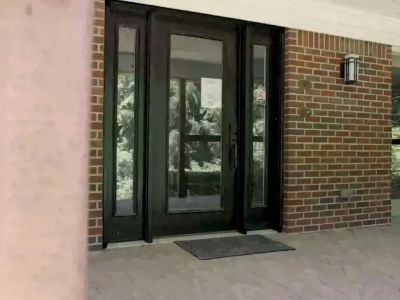
Addiction Rehab Centers - ARC at Fox Hill | Drug & Alcohol Rehab - Mooresville Indiana
Mooresville, Indiana
12168 N Mann Rd, Mooresville, IN 46158

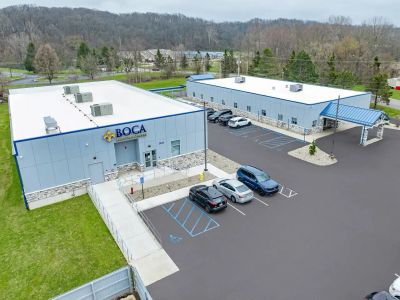

Boca Recovery Center - Indiana Drug and Alcohol Rehab
Huntington, Indiana
3040 W Park Dr, Huntington, IN 46750



Bethel Pointe Health and Rehabilitation Center
Muncie, Indiana
3400 W Community Dr, Muncie, IN 47304
Get Personalized Rehab Matches in 60 Seconds
Tell us a few details and we’ll show a personalized shortlist of verified Indiana rehabs, making it simple to compare options and choose your next step with confidence.
Pinnacle Treatment Centers - 2209 John R Wooden Drive
Martinsville, Indiana
2209 John R Wooden Drive, 3rd Floor Martinsville, IN 46151
Why Trust Indiana Rehabs
As Hoosiers helping Hoosiers, we understand the unique challenges our communities face. Our team meticulously verifies every Indiana treatment center, ensuring you find trusted, local care that truly understands your journey.
About our listingsLevels of Care
Explore popular treatment options by levels of care, from flexible treatment in Outpatient centers to intensive care in Residential rehabs.
Free · 24/7 · Confidential
Talk to a Treatment Specialist
Call now to get matched with Indiana facilities that accept your insurance.
(888) 568-9930
Free
Ins. check
4.9★
Rating
HIPAA
Protected
Can't travel to a facility?
Licensed Indiana therapists via secure video — same-week appointments, evenings & weekends available.
Maybe lately it feels like the world around you is slipping out of focus, or you’re floating just outside your own life, trapped in a haze where sounds are muffled and nothing feels quite real. That sense of disconnection can be unsettling and deeply lonely, making it hard to know where to turn. If this sounds familiar, you’re not broken or beyond hope. Understanding what’s happening is the first step to finding your way back, and compassionate, expert support is available right here in Indiana to help you reclaim a sense of control and belonging.

What Are Dissociative Drugs?
Dissociative drugs are a class of hallucinogenic substances that change your perception of sight, sound, and your connection to the world around you. As the name suggests, their primary effect is dissociation, which is a feeling of detachment from your body or your environment. It can feel like you’re watching yourself in a movie rather than living your own life. According to the National Institute on Drug Abuse (NIDA), these drugs work by disrupting the brain’s communication system, specifically by interfering with a neurotransmitter called glutamate[1]. Glutamate plays a vital role in how we learn, manage emotions, and perceive pain, so when its function is disturbed, it can lead to a profound sense of disconnection.
This "out-of-body" experience is what defines the effects of these powerful substances. While they can produce feelings of euphoria or calm, they can also cause confusion, anxiety, and a frightening loss of control. Nationally, hundreds of thousands of people report using hallucinogens, including dissociative drugs, each year, highlighting the importance of understanding their risks[2]. Understanding the different types of substances that fall into this category is the first step toward recognizing the potential for harm and the need for support.
Types of Dissociative Drugs
While all dissociative drugs create a sense of detachment, they aren't all the same. These substances vary widely in their chemical makeup, strength, and the specific risks they carry. Some are synthesized in labs, while others are derived from plants or found in common household products. Gaining a clearer picture of these different drugs can help you understand the specific challenges and dangers associated with each one. The most well-known types include Phencyclidine (PCP), ketamine, Dextromethorphan (DXM), and Salvia divinorum.
Phencyclidine (PCP)
Phencyclidine, commonly known as PCP, is a powerful synthetic drug originally developed as a surgical anesthetic. It was later discontinued for human medical use due to its severe side effects. PCP can be found as a white crystalline powder, a liquid, or in pill form, and it's often sold under street names like "angel dust." The risk associated with PCP is incredibly high; it can cause aggressive or violent behavior, severe paranoia, and terrifying hallucinations. Its effects are unpredictable and can lead to serious psychological distress and dangerous situations for the person using it and those around them. You can learn more about PCP addiction and its risks to better understand this substance.
Ketamine
Ketamine is another dissociative anesthetic, but unlike PCP, it is still used in medical settings for anesthesia and, more recently, for treatment-resistant depression. However, it's also diverted for recreational abuse. On the street, it's often sold as a white powder or a clear liquid. At high doses, recreational ketamine can induce a state of extreme detachment and sensory deprivation known as a "K-hole," where a person may feel completely paralyzed and unable to interact with their surroundings. This experience can be deeply frightening and disorienting. Given its dual nature as both a medical tool and a substance of abuse, understanding the dangers of recreational ketamine use is crucial.
Dextromethorphan (DXM)
Dextromethorphan (DXM) is a common active ingredient in over-the-counter cough and cold medicines. When taken in large quantities, far exceeding the recommended therapeutic dose, it produces dissociative and hallucinogenic effects similar to PCP or ketamine[3]. Abusing these cough syrups is particularly dangerous because they often contain other active ingredients, like acetaminophen or antihistamines. Taking massive doses of these combination products can lead to liver failure, heart problems, or a fatal overdose. The accessibility of these medicines makes DXM a significant substance of abuse, especially among younger individuals. Recognizing the signs of dextromethorphan abuse is a key step in preventing serious harm.
Salvia Divinorum
Salvia divinorum, or simply salvia, is an herb in the mint family that is native to southern Mexico. Unlike the other substances mentioned, it is a plant-based dissociative. The leaves of the plant can be chewed or smoked to produce intense but very short-lived hallucinations and out-of-body experiences. The effects come on quickly and can be overwhelming, often causing a complete loss of touch with reality. While its effects don't last long, the intensity of the experience can be disorienting and cause people to put themselves in unsafe situations.
Effects of Dissociative Drugs
The experience of using dissociative drugs can be unpredictable, ranging from mild feelings of floating and disorientation to severe, frightening, and dangerous psychological states. The specific effects depend on many factors, including the type of drug, the dose, the environment, and the individual's mental and physical health. It’s important to understand both the immediate, short-term impacts and the lasting damage that can occur with long-term abuse. Recognizing these signs is the first step toward acknowledging a problem and seeking help.
Short-Term Effects of Dissociative Drugs
When someone uses a dissociative drug, the effects can be felt almost immediately and can be both physical and psychological. These short-term effects are often what a person is seeking, but they come with significant risks.
- Physical Effects: Numbness in the extremities, loss of coordination, slurred speech, and a significant increase in heart rate, blood pressure, and body temperature.
- Psychological Effects: A sense of detachment from reality or oneself, disorientation, confusion, hallucinations (both visual and auditory), anxiety, panic, and short-term memory loss[4].
Long-Term Effects of Dissociative Drugs
With repeated use, dissociative drugs can cause serious and sometimes permanent damage to your health and well-being. Over time, the brain and body begin to change in response to the constant disruption of their normal functions. Chronic abuse often leads to tolerance, meaning you need more of the drug to achieve the same effects, which in turn can lead to physical dependence and addiction. Long-term effects can include persistent speech problems, lasting memory loss, chronic anxiety and severe depression, and even suicidal thoughts. The journey from occasional use to addiction can be gradual, but the health consequences can be profound.
Signs of Dissociative Drug Addiction
It can be hard to know when use has crossed the line into addiction. If you're worried about yourself or someone you care about, looking for specific behavioral and physical signs can help provide clarity. This isn't about judgment; it's about recognizing when it's time to reach out for support.
- Pulling away from friends, family, and hobbies you once enjoyed.
- Failing to keep up with responsibilities at work, school, or home.
- Continuing to use dissociative drugs despite experiencing negative consequences, like health problems or relationship issues.
- Spending a great deal of time and energy obtaining, using, and recovering from the effects of the drug.
- Experiencing withdrawal symptoms like headaches, sweating, or cravings when you try to stop.
- Trying to quit or cut back on your own but being unable to do so.
Treatment for Dissociative Drug Addiction

If you recognize yourself or a loved one in the signs of addiction, please know that recovery is entirely possible. Stepping away from dissociative drug abuse isn't a journey you have to take alone. Professional support provides the safety, structure, and therapeutic guidance needed to heal and build a new foundation for your life. Effective dissociative drug rehab is available right here in Indiana, offering a path back to connection and well-being.
Treatment typically begins with a medical detox, where you can safely manage withdrawal symptoms under the care of medical professionals. This step is crucial because withdrawal can be uncomfortable and sometimes complicated. After detox, the core of treatment involves evidence-based therapies designed to address the root causes of addiction. These therapies help you develop healthy coping skills, understand your triggers, and heal from the emotional pain that may have fueled your substance use in the first place.
Care is offered in different settings to meet you where you are. Inpatient or residential programs provide 24/7 support in a structured, immersive environment, which is ideal for those who need to step away from their daily lives to focus completely on recovery. Outpatient programs offer more flexibility, allowing you to attend therapy sessions while still living at home and managing work or family responsibilities. Many people also benefit from sober living homes, which offer a supportive, substance-free environment to transition back into everyday life. Since substance use often co-occurs with mental health conditions like anxiety or depression, many Indiana programs offer dual diagnosis treatment to address both issues simultaneously for the best chance at lasting recovery. Finding the right programs is a key first step, and resources are available to help you explore the various addiction treatment facilities in Indiana that fit your needs.
Find Effective Addiction Treatment Today
The feeling of disconnection caused by dissociative drugs can make you feel lost and alone, but recovery is about finding your way back, to yourself, to your loved ones, and to a life that feels real and fulfilling again. Taking that first step toward getting help is the most powerful thing you can do. You don’t have to have all the answers right now. All you need is the willingness to start, and there are compassionate people ready to guide you through the process.
Here in Indiana, a network of support is available to help you heal. Whether you're just beginning to explore your options or you're ready to commit to a program, professional help is essential and accessible. You can begin by browsing our directory to find local treatment centers that specialize in your needs, or if you need to understand payment options, you can learn more about Indiana Medicaid SUD treatment. There are also many other statewide initiatives and Indiana state recovery resources to guide you.
You’ve already taken a courageous step by seeking out this information. The path to reconnection is real, and it starts with a simple choice. When you’re ready, we’re here to help you navigate what comes next. For immediate, confidential support, you can call our 24/7 helpline at (888) 568-9930 to speak with a caring admissions navigator. At Indiana Rehabs, we believe in your strength to heal. If you prefer to reach out online, you can contact us through our website. A healthier, more connected future is waiting for you.
Frequently Asked Questions About Dissociative Drug Rehab in Indiana
How long is rehab for dissociative drug addiction?
What is the difference between dissociative and psychedelic drugs?
Is dissociative drug use common in Indiana?
What kind of therapy is used for dissociative drug addiction?
How can I help a family member with a dissociative disorder?
- National Institute on Drug Abuse. (2025). Dissociative Drugs. National Institute on Drug Abuse. nida.nih.gov
- Substance Abuse and Mental Health Services Administration. (2023). Results from the 2021 National Survey on Drug Use and Health. U.S. Department of Health and Human Services. samhsa.gov
- Drug Enforcement Administration. (2025). 2025 National Drug Threat Assessment. U.S. Department of Justice. dea.gov
- National Institute on Drug Abuse. (2025). Hallucinogens and Dissociative Drugs Research Report. National Institute on Drug Abuse. nida.nih.gov