Food Addiction Rehabs

Showing 7 of 7 Results (filtered)
Featured Rehab Centers


Addiction Rehab Centers - ARC at Fox Hill | Drug & Alcohol Rehab - Mooresville Indiana
Mooresville, Indiana
12168 N Mann Rd, Mooresville, IN 46158


Serenity House Inc
Clarksville, Indiana
200 Homestead Ave, Clarksville, IN 47129



Selah House
Anderson, Indiana
1106 Meridian Street, Anderson, IN, 46016
Get Personalized Rehab Matches in 60 Seconds
Tell us a few details and we’ll show a personalized shortlist of verified Indiana rehabs, making it simple to compare options and choose your next step with confidence.



Bethel Pointe Health and Rehabilitation Center
Muncie, Indiana
3400 W Community Dr, Muncie, IN 47304

Parkview Health - Carew Street
Fort Wayne, Indiana
1909 Carew Street, Fort Wayne, IN, 46805

Bowen Center - Cummins Mental Health Center
Avon, Indiana
6655 E US Hwy 36, Avon, IN 46123
Pinnacle Treatment Centers - 2209 John R Wooden Drive
Martinsville, Indiana
2209 John R Wooden Drive, 3rd Floor Martinsville, IN 46151
Why Trust Indiana Rehabs
As Hoosiers helping Hoosiers, we understand the unique challenges our communities face. Our team meticulously verifies every Indiana treatment center, ensuring you find trusted, local care that truly understands your journey.
About our listingsLevels of Care
Explore popular treatment options by levels of care, from flexible treatment in Outpatient centers to intensive care in Residential rehabs.
Free · 24/7 · Confidential
Talk to a Treatment Specialist
Call now to get matched with Indiana facilities that accept your insurance.
(888) 568-9930
Free
Ins. check
4.9★
Rating
HIPAA
Protected
Can't travel to a facility?
Licensed Indiana therapists via secure video — same-week appointments, evenings & weekends available.
Does it ever feel like your thoughts are constantly pulled toward food, wondering what you’ll eat next, agonizing over what you should avoid, or feeling waves of guilt after giving in to a craving? If so, you’re not alone, and that kind of “food noise” can be both exhausting and isolating. The truth is, this struggle isn’t just about having more willpower or stricter rules. Real healing comes from understanding what’s driving these patterns and finding gentle, evidence-based support to help you build a healthier, more peaceful relationship with food.
What is Food Addiction?
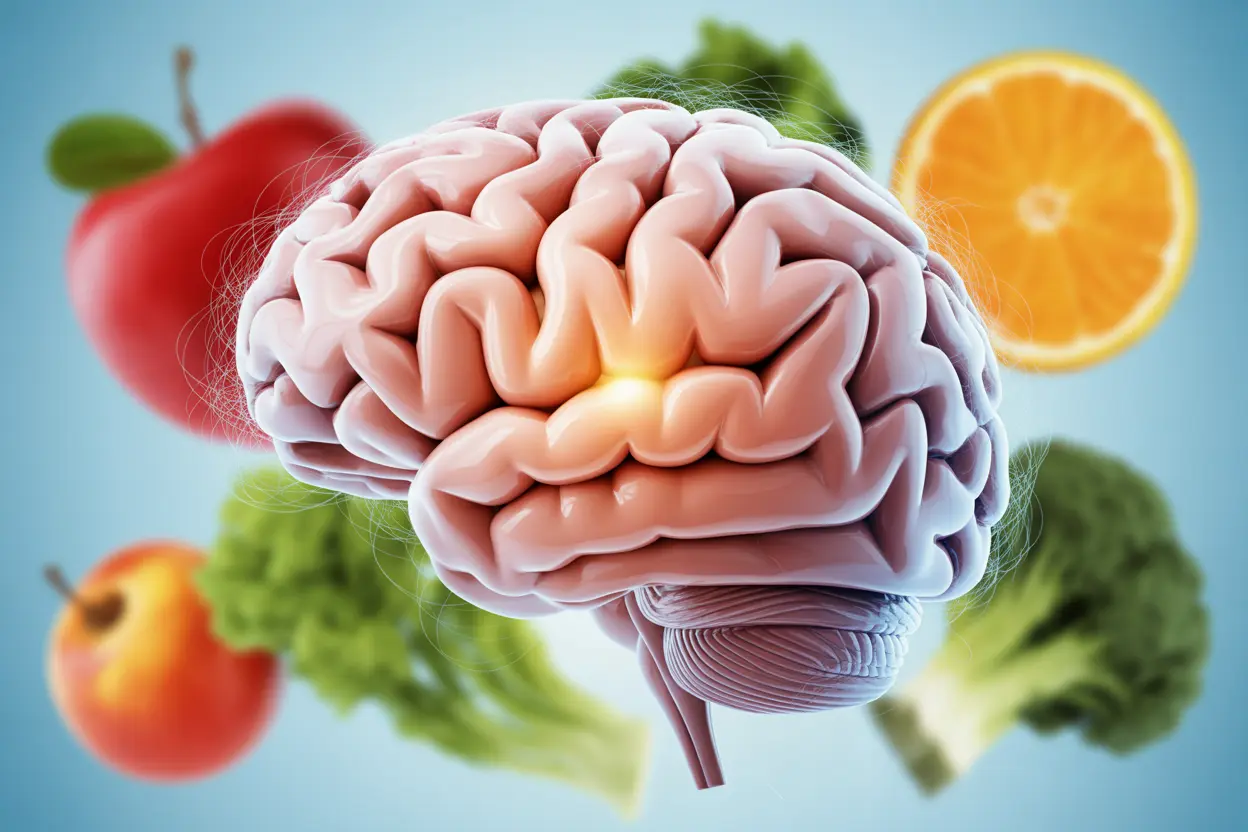
The term “food addiction” can feel a little confusing, partly because it isn’t an official diagnosis in the Diagnostic and Statistical Manual of Mental Disorders (DSM-5), the guide mental health professionals use. However, the experience it describes is very real for many people. It refers to a situation where someone develops an addiction-like dependency on certain foods, especially those high in sugar, fat, and salt. Think of it less as a formal diagnosis and more as a way to describe a specific, challenging relationship with food.
This pattern of behavior often mirrors what’s seen in substance use disorders. For instance, the brain’s reward system, which is powered by a chemical called dopamine, gets activated by these highly palatable foods in a way that’s similar to how it reacts to addictive drugs[1]. This can lead to a powerful cycle of craving and consumption that feels incredibly difficult to break. People often experience a loss of control, find themselves eating more than they planned, and continue these behaviors despite knowing they might lead to negative consequences for their health or well-being.
It’s also important to understand how food addiction differs from a diagnosed eating disorder. There can be a lot of overlap, especially with binge-eating disorder (BED), which involves recurrent episodes of eating large quantities of food, often very quickly and to the point of discomfort[2]. The key difference is the focus. With many eating disorders, the primary driver is often related to body image, weight, and shape. While those concerns can certainly be present with food addiction, the core issue is the perceived addictive quality of the food itself, the feeling of being “hooked” on the substance of food in a way that feels beyond your control.
What are the signs of food addiction?
Recognizing the signs of food addiction is the first step toward understanding what’s going on and finding a path forward. These symptoms aren't about a lack of willpower; they are signals that your relationship with food has become complicated and is causing you distress. The signs often fall into a few key areas, reflecting patterns that look a lot like those used to diagnose substance use disorders[1].
Here are some common symptoms you might experience:
- Behavioral Signs:
- Eating more than intended: You might start with a small portion but find yourself unable to stop, continuing to eat long after you’re full.
- Unsuccessful attempts to cut down: You’ve tried to set rules for yourself around certain foods or eating habits, but you consistently find yourself unable to stick to them for long.
- Hiding your eating: You might eat in secret or conceal the amount or types of food you’re consuming out of fear of judgment.
- Spending a lot of time on food-related activities: A significant portion of your day might be spent thinking about food, obtaining it, eating it, or recovering from overeating.
- Emotional Signs:
- Intense cravings: You experience powerful urges for specific foods that feel overwhelming and difficult to ignore.
- Eating to cope with emotions: You turn to food to soothe yourself when you’re feeling stressed, anxious, sad, or bored, rather than because you’re hungry.
- Feelings of guilt and shame: After eating, you’re often left with a heavy sense of guilt, shame, or self-loathing.
- Social and Physical Signs:
- Avoiding social situations: You might turn down invitations to parties, dinners, or events where food is present because you’re worried about losing control. This is a form of social impairment.
- Continuing despite negative consequences: Your eating habits persist even though they are causing problems with your health, relationships, or overall well-being.
- Experiencing withdrawal-like symptoms: When you try to cut out certain foods (like sugar or highly processed items), you might feel irritable, anxious, or even experience physical symptoms like headaches.
If these signs resonate with you, please know that you’re not alone and that what you’re experiencing is valid. It's not a personal failing but a complex issue that deserves compassionate support.

What are the causes of food addiction?
There’s rarely a single reason why someone develops a challenging relationship with food. Instead, it’s usually a mix of biological, psychological, and environmental factors that come together to create this struggle. Understanding these underlying causes can be a powerful step toward healing because it helps shift the focus from self-blame to self-compassion.
Biological Factors:
Your brain chemistry plays a huge role. As we touched on earlier, highly palatable foods can trigger the release of dopamine in the brain's reward center, creating a powerful feeling of pleasure. Over time, your brain can start to crave that feeling, driving you to seek out those foods again and again. Genetics can also make some people more vulnerable. For example, some studies suggest that variations in certain genes can affect dopamine receptors, potentially making it harder for some individuals to feel satisfied and more likely to seek rewards from food[2].
Psychological Factors:
For many, food becomes a way to cope with difficult emotions. If you never learned other ways to manage stress, anxiety, or sadness, turning to food can become an automatic response. It provides a temporary distraction and comfort. Past trauma is also a significant risk factor. When you’ve been through painful experiences, food can feel like a safe and reliable source of soothing when nothing else does. Co-occurring mental health conditions like depression and anxiety are also closely linked to disordered eating patterns.
Environmental Factors:
We live in a world that makes it incredibly easy to develop an unhealthy relationship with food. We’re constantly surrounded by advertising for highly processed, hyper-palatable foods. They’re cheap, convenient, and engineered to be irresistible. This constant exposure can make it incredibly difficult to manage cravings and make mindful choices. Social and cultural messages about dieting, body image, and "good" versus "bad" foods can also create a cycle of restriction and overeating, further complicating your relationship with food.
The Top 4 Treatment Options for Food Addiction
Finding your way to a healthier relationship with food is a deeply personal journey, and there’s no one-size-fits-all solution. Effective food addiction treatment often involves a blend of different approaches tailored to your unique needs and experiences. The goal isn’t about achieving perfection or following a rigid diet; it’s about healing the underlying issues, developing new coping skills, and building a sustainable, peaceful way of eating. This often involves care at various levels, from outpatient therapy to more structured residential programs[3]. Here are four key avenues of support that can help you on your path to recovery.
Talk therapy
Working with a mental health professional is a cornerstone of recovery. Therapy provides a safe, confidential space to explore the emotional and psychological drivers behind your eating behaviors. A therapist can help you untangle the thoughts, feelings, and experiences that are contributing to your struggle. One of the most effective approaches is cognitive behavioral therapy (CBT). CBT helps you identify the negative thought patterns that trigger overeating and replace them with more balanced, helpful ones. For example, you might work on challenging all-or-nothing thinking like, "I already had one cookie, so I might as well finish the box."
Other therapies can also be incredibly beneficial. dialectical behavior therapy (DBT) is excellent for developing skills in emotional regulation, distress tolerance, and mindfulness, which are crucial for managing cravings and responding to stress in healthier ways. The right therapist will partner with you to find the approach that best fits your needs.
Medications
While there are no medications specifically approved to treat "food addiction," some can be helpful for managing related conditions or symptoms. It's essential to remember that medication is almost always used alongside therapy and other supportive measures, not as a standalone cure. A qualified healthcare professional, like a psychiatrist, can help determine if medication is a good option for you.
For example, some medications are FDA-approved for treating binge-eating disorder, such as lisdexamfetamine (Vyvanse), which can help reduce the number of binge episodes[2]. Other medications, like naltrexone, which is used for alcohol and opioid use disorders, are sometimes used off-label to help reduce food cravings. Medications for underlying conditions like depression or anxiety may also be prescribed, as improving your overall mental health can have a positive impact on your eating behaviors.
Coping and support
Feeling like you’re the only one going through this can be incredibly isolating, which is why peer support is so powerful. Connecting with others who truly understand what you’re experiencing can reduce feelings of shame and provide a sense of community and hope. There are many support groups dedicated to helping people with food-related struggles.
Many people find comfort and structure in 12-step programs like Overeaters Anonymous (OA) or Food Addicts in Recovery Anonymous (FA). These groups offer regular meetings, a structured program for recovery, and the guidance of a sponsor who can support you through the process. There are also non-12-step support groups available, both online and in person, that offer a safe space to share experiences and coping strategies. Finding a community where you feel seen and understood can be a transformative part of your recovery.
Lifestyle and home remedies
Alongside professional treatment, there are many practical steps you can take in your daily life to support your well-being. These strategies focus on self-care and building a foundation of healthy habits. One powerful practice is mindful eating. This involves paying full attention to the experience of eating, noticing the tastes, textures, and smells of your food, and listening to your body's hunger and fullness cues. It helps you slow down and reconnect with your body’s natural signals.
Finding non-food-related ways to cope with stress is also crucial. This could be anything from going for a walk, journaling, or practicing meditation to listening to music or calling a friend. It’s about building a toolkit of strategies to turn to when you’re feeling overwhelmed. Ensuring you get enough sleep and building a supportive social network are also key. Finally, consider working with a registered dietitian who specializes in disordered eating. They can help you develop a balanced, non-restrictive eating plan that nourishes your body without triggering the cycle of guilt and shame.

Finding Help for Food Addiction in Indiana
Taking that first step to seek help is an incredible act of strength. It’s an acknowledgment that you deserve to feel better, and it opens the door to a more peaceful and fulfilling life. Recovery is a journey, not a destination, and finding the right support here in Indiana can make all the difference. You don’t have to navigate this alone.
Here at Indiana Rehabs, our entire purpose is to connect you with qualified, compassionate local providers who understand what you’re going through. The state of Indiana has clear standards for certifying and licensing addiction treatment providers, ensuring you have access to quality care[4]. Your path to recovery might involve working with several types of professionals.
You might look for:
- A licensed therapist or counselor who specializes in eating disorders or addiction.
- A registered dietitian who can help you heal your relationship with food and develop a nourishing eating plan.
- Outpatient or inpatient eating disorder programs that offer a structured and supportive environment for recovery.
We encourage you to use our directory to explore treatment centers and find a therapist near you. You can browse options, learn about their approaches, and find a provider that feels like the right fit. Reaching out for support is an empowering step toward reclaiming your well-being. For guidance on navigating your options, consider exploring resources from the official Indiana state division for addiction treatment.
Remember, healing your relationship with food is not about willpower, it's about getting the right support. You can break free from the cycle of craving and guilt and build a life where food is a source of nourishment and enjoyment, not distress. If you’re ready to take the next step, our team is here to help. You can call us at (888) 568-9930 to discuss your options or use our resources at Indiana Rehabs to find the care you deserve. Please don't hesitate to contact us today to start your journey.
Frequently Asked Questions About Food Addiction Treatment
Is food addiction a real medical diagnosis?
What’s the difference between food addiction and an eating disorder?
Will treatment for food addiction require me to stop eating certain foods forever?
Do I have to go to an inpatient rehab for food addiction?
What is the main goal of food addiction treatment?
Can medication cure food addiction?
- Gordon, E. L. et al. (2019). Food Addiction: Implications for the Diagnosis and Treatment of Overeating. Current addiction reports. pmc.ncbi.nlm.nih.gov
- Guerdjikova, A. I., Mori, N., & Casuto, L. L. (2024). Binge Eating Disorder. StatPearls Publishing. ncbi.nlm.nih.gov
- U.S. Department of Health & Human Services. (2021). State Residential Treatment for Behavioral Health Conditions: Indiana. ASPE. aspe.hhs.gov
- Indiana Division of Mental Health and Addiction. (2020). Certification and Licensure Rules and Indiana Code. Indiana Family and Social Services Administration. in.gov