Heroin Rehabs

Showing 20 of 59 Results (filtered)
Featured Rehab Centers

1411 W County Line Rd, Suite 1411A, Greenwood, IN 46142
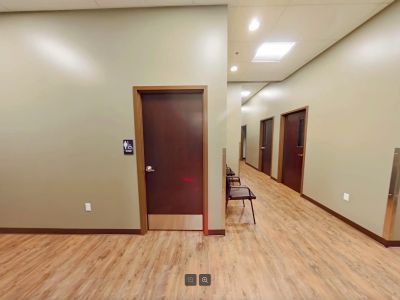
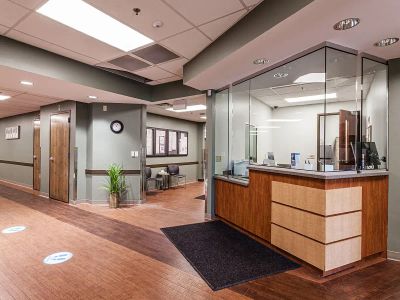
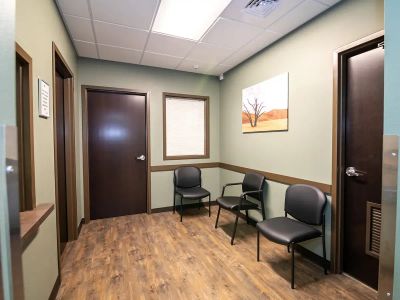
Comprehensive Treatment Centers - Evansville
Evansville, Indiana
1510 West Franklin Street, Evansville, IN 47710

91 West Mound Street, Nashville, IN 47448
Get Personalized Rehab Matches in 60 Seconds
Tell us a few details and we’ll show a personalized shortlist of verified Indiana rehabs, making it simple to compare options and choose your next step with confidence.

Addiction Rehab Centers - ARC at Fox Hill | Drug & Alcohol Rehab - Mooresville Indiana
Mooresville, Indiana
12168 N Mann Rd, Mooresville, IN 46158
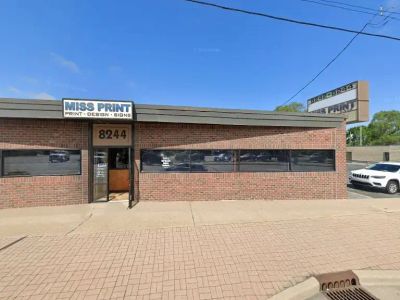
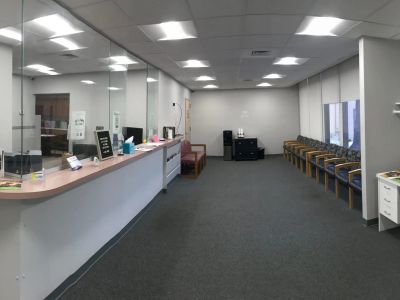
Alliance MD
Munster, Indiana
8242 Calumet Ave, Munster, IN 46321
Alliance MD - Addiction Treatment Center
Merrillville, Indiana
8102 Georgia St, Merrillville, IN 46410
Centerstone - New Castle
New Castle, Indiana
3221 S Memorial Dr, New Castle, IN 47362
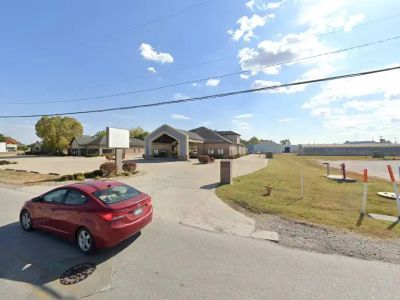
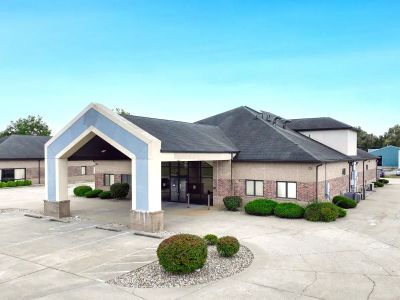
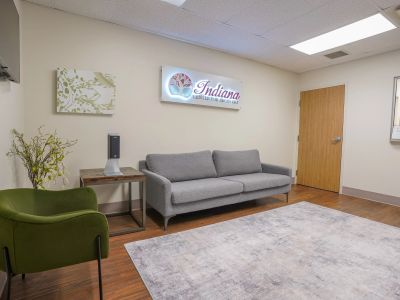
Indiana Center For Recovery- Alcohol & Drug Rehab Terre Haute
Terre Haute, Indiana
135 E Hospital Ln, Terre Haute, IN 47802


Recover Together - Martinsville
Martinsville, Indiana
225 Morton Ave Martinsville, IN 46151
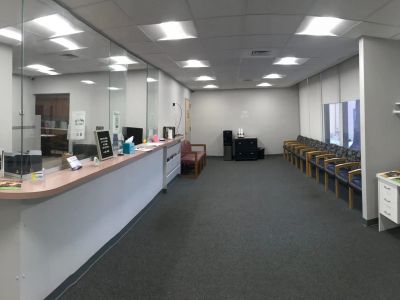
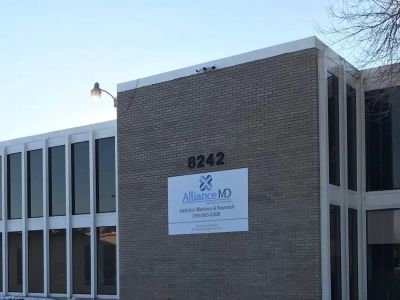

Alliance MD
Michigan City, Indiana
10176 W 400 N c, Michigan City, IN 46360

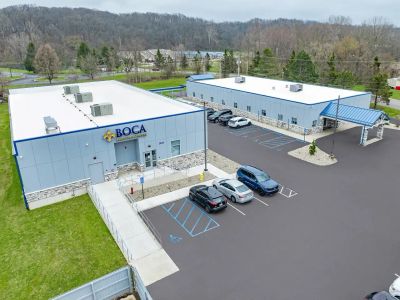
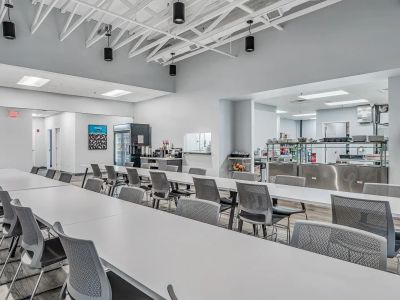
Boca Recovery Center - Fort Wayne, Indiana
Fort Wayne, Indiana
111 W Berry St #211, Fort Wayne, IN 46802

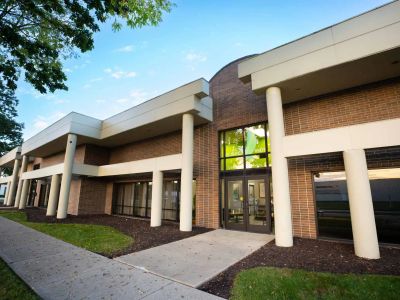
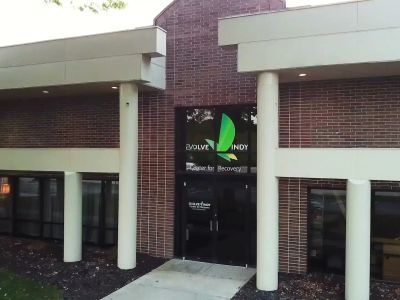
Evolve Indy
Indianapolis, Indiana
8770 Guion Rd, Indianapolis, IN, 46268
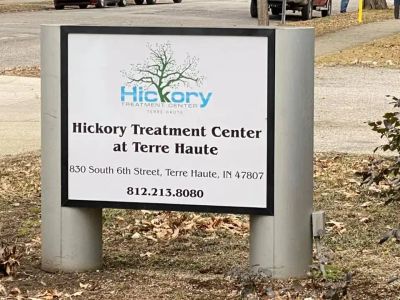
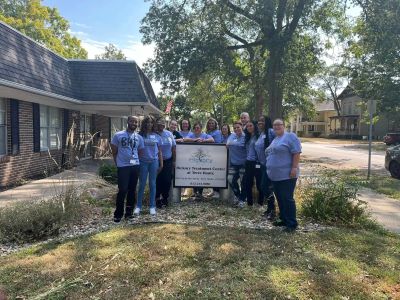
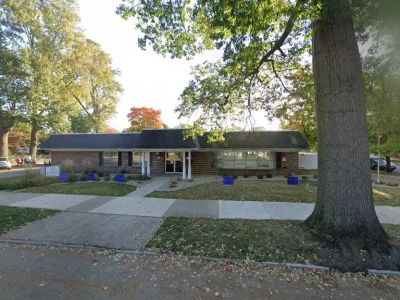
Hickory Treatment Center at Terre Haute
Terre Haute, Indiana
830 S 6th St, Terre Haute, IN 47807
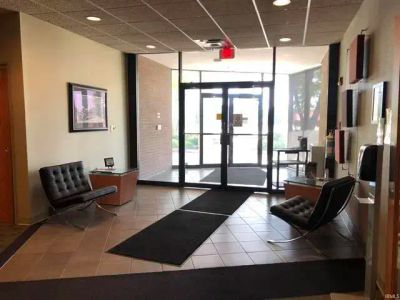
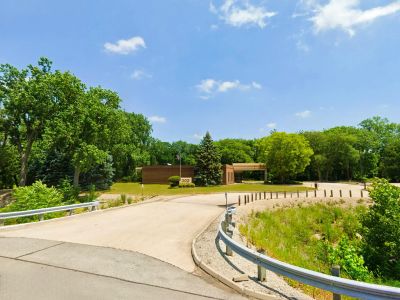
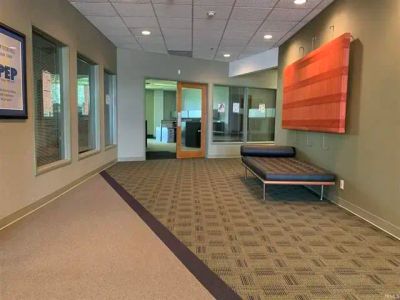
Restored Life Continuum of Care
Kokomo, Indiana
302 S Reed Rd, Kokomo, IN 46901



See Purpose Addiction Treatment Center Indiana
Bloomfield, Indiana
3237 IN-157, Bloomfield, IN 47424
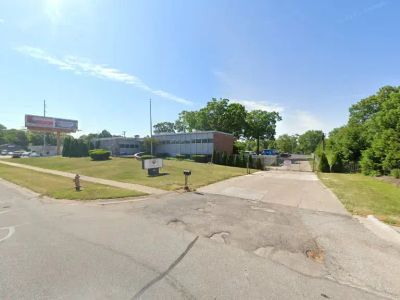
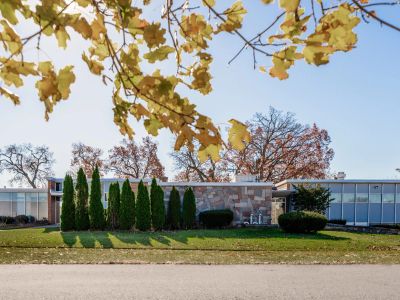

Cardinal Recovery
Franklin, Indiana
1130 West Jefferson St, Franklin, IN, 46131

Groups Recover Together
Washington, Indiana
100 A Cherry Tree Plaza, Washington, IN 47501
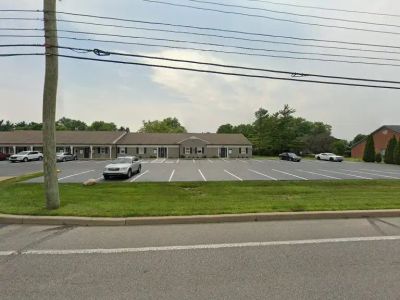
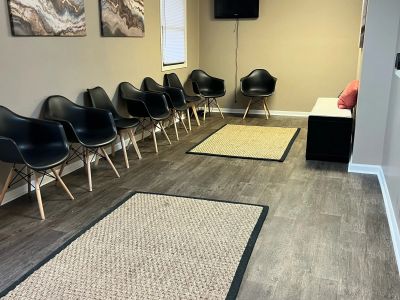
Journey Road Treatment Center - South
Indianapolis, Indiana
8106 Madison Ave, Indianapolis, IN 46227


Avenues Recovery Center at Indianapolis
Indianapolis, Indiana
7960 Shadeland Ave, Indianapolis, IN 46250

Groups Recover Together
La Porte, Indiana
614 Andrew Ave, La Porte, IN 46350
Why Trust Indiana Rehabs
As Hoosiers helping Hoosiers, we understand the unique challenges our communities face. Our team meticulously verifies every Indiana treatment center, ensuring you find trusted, local care that truly understands your journey.
About our listingsLevels of Care
Explore popular treatment options by levels of care, from flexible treatment in Outpatient centers to intensive care in Residential rehabs.
Free · 24/7 · Confidential
Talk to a Treatment Specialist
Call now to get matched with Indiana facilities that accept your insurance.
(888) 568-9930
Free
Ins. check
4.9★
Rating
HIPAA
Protected
Can't travel to a facility?
Licensed Indiana therapists via secure video — same-week appointments, evenings & weekends available.
Maybe you’re lying awake at night, tangled in worry, feeling the weight of not knowing what to do next—whether it’s for you or someone you love who’s caught in the grip of heroin. The fear, the questions, the searching for the right words or the right place to start—it all feels so heavy, and sometimes hopeless. But even in the darkest moments, there are real, effective ways forward. Here in Indiana, you’ll find proven options for recovery, and there’s a clear, step-by-step way to get the support and answers you need.
Understanding Heroin Addiction
Heroin is a powerful, fast-acting opioid that comes from the morphine in poppy plants. When someone uses it, the drug travels quickly to the brain and binds to opioid receptors—the parts of your brain that manage pain and pleasure. This creates a rush of good feelings, but it's a deceptive calm. The brain starts to crave that feeling again and again, and soon, it needs more of the drug just to feel normal. This is how tolerance builds, leading to physical dependence and, eventually, addiction.[1] It’s a cycle that can quietly take over someone’s life, making it feel impossible to stop. Here in Indiana, thousands of families are grappling with the effects of opioids.[2] Recognizing the signs of heroin addiction is the first step toward getting help.
If you’re asking yourself if you or a loved one might have a problem, see if any of these signs feel familiar:
- Changes in appearance: Neglecting personal hygiene, significant weight loss, or having tiny pupils.
- Behavioral shifts: Lying about drug use, withdrawing from friends and family, or losing interest in hobbies.
- Health issues: Constant runny nose or sniffles, infections from injections, or periods of nodding off.
- Financial problems: Suddenly needing money without a clear reason, selling possessions, or having trouble keeping a job.
- Finding paraphernalia: Discovering needles, burnt spoons, small bags, or pipes.
Heroin Withdrawal Symptoms
When your body becomes dependent on heroin, it panics when the drug is taken away. This reaction is called withdrawal, and the symptoms can be incredibly intense. It’s the main reason why stopping on your own feels almost impossible. Many people wonder if they can detox from heroin at home, but it's not just difficult—it can be dangerous. Severe symptoms like vomiting and diarrhea can lead to dehydration, and the intense cravings make the risk of relapse extremely high. The safest first step is always a medically supervised detox where professionals can help manage your symptoms and keep you comfortable.[1]

Early Symptoms
Within the first 6 to 12 hours after the last dose, the first wave of withdrawal symptoms usually begins. You might experience:
- Agitation and anxiety
- Muscle aches and pains
- Runny nose and watery eyes
- Excessive sweating
- Insomnia and frequent yawning
Severe Symptoms
The symptoms of heroin withdrawal tend to peak around two to three days in. This is often the most challenging phase, with symptoms that can include:
- Abdominal cramping and diarrhea
- Nausea and vomiting
- Goosebumps and shivers
- High blood pressure and rapid heart rate
- Intense and overwhelming cravings for the drug
What is Heroin Addiction Treatment?
Real, lasting recovery from heroin addiction is about more than just stopping the drug. It’s about healing the whole person. The most effective treatment for heroin addiction uses evidence-based methods that address both the physical dependence and the underlying emotional reasons for using. This comprehensive approach often combines medication with therapy to give you the best chance at building a new life free from opioids.[3] It’s not about a quick fix; it’s about learning new skills, healing relationships, and finding hope again.
FDA-Approved Medications to Treat Heroin Addiction
Medication-assisted treatment (MAT) is a key part of modern heroin rehab. It uses specific, FDA-approved medications to ease withdrawal symptoms and reduce cravings, which helps you focus on your recovery without battling intense physical discomfort.[4] The primary medications used in MAT programs include:
- Buprenorphine (often in Suboxone): This medication reduces cravings and withdrawal symptoms without producing the same high as heroin.
- Methadone: A long-acting opioid, methadone helps stabilize people by preventing withdrawal and cravings. It's provided in a structured clinic setting.
- Naltrexone: This medication blocks the effects of opioids, which means if you use heroin while on it, you won't feel the high. It's best for those who have already completed detox.
Behavior Therapies for Heroin Addiction
While medications help manage the physical side of addiction, therapy is where the emotional healing happens. Behavioral therapies help you understand the thoughts and feelings that led to drug use and teach you healthier ways to cope with life's challenges. It's about building a strong foundation for long-term relapse prevention. Some of the most effective therapies include:
- Cognitive-behavioral therapy (CBT): CBT helps you identify and change negative thinking patterns and behaviors associated with heroin use.
- Contingency Management: This approach uses positive reinforcement, like vouchers or small rewards, to encourage you to stay sober.
- Family Therapy: Addiction affects the whole family. This therapy helps repair relationships and builds a stronger support system at home.
Options For Heroin Rehab
When you hear the word "rehab," you might picture one specific thing, but treatment isn't one-size-fits-all. Heroin rehab in Indiana offers a continuum of care, which means there are different levels of support tailored to your unique needs. The right path for you depends on factors like how long you’ve been using, your home environment, and whether you have other health conditions. The goal is to find the right fit that gives you the support you need to build a foundation for lasting sobriety. The length of treatment also varies; it’s not about a set timeline, but about what works for you.

Heroin Detoxification
Medical detox is almost always the first step in the treatment journey. It’s a safe, controlled environment where medical professionals help you manage withdrawal symptoms 24/7. The focus is on keeping you stable and comfortable as your body clears the drugs from its system. It’s important to remember that detox is just the beginning—it stabilizes you physically so you can move on to the psychological work of therapy and treatment.
Inpatient Heroin Treatment
Inpatient or residential treatment provides a highly structured, 24/7 environment where you live at the facility. This level of care is ideal if you're dealing with a severe addiction, have an unstable living situation, or need to step away from daily triggers and stressors. You'll receive a combination of medical care, therapy, and support in a community focused on recovery.[5]
Outpatient Heroin Rehab
Outpatient programs offer more flexibility, allowing you to live at home and continue with work or family responsibilities while attending treatment sessions several times a week. There are different intensities, from partial hospitalization programs (PHP) to intensive outpatient programs (IOP) and standard outpatient. This option works best when you have a strong, supportive home environment and need to integrate recovery into your daily life.
Ongoing Treatment And Relapse Prevention
Recovery doesn't end when you leave a treatment program. It's a lifelong journey, and aftercare is crucial for long-term success. Ongoing treatment and relapse prevention strategies provide the support you need as you navigate life in sobriety. This can include sober living homes, attending support groups like Narcotics Anonymous (NA), continuing with individual therapy, or participating in alumni programs. These resources help you stay connected to a supportive community and reinforce the skills you learned in treatment.
Find Heroin Addiction Treatment Near You
Taking that first step to find help can feel overwhelming, but you don't have to do it alone. Here in Indiana, there are resources available to guide you. If you’re worried about the cost of heroin rehab, know that many treatment centers accept insurance, and there are state-funded programs and financing options that can make treatment affordable.[6] Tools like the SAMHSA's National Helpline and Treatment Locator can help you find licensed providers in your area. You can search our directory of Indiana treatment centers to find a facility that fits your specific needs, whether it's for you or someone you care about. Recovery is possible, and help is closer than you think.
The journey out of addiction can feel lonely, but it’s a path you don’t have to walk by yourself. Effective, compassionate treatment for heroin addiction is available right here in Indiana, and it can help you or your loved one rediscover a life of hope and purpose. The most important thing is to take that first brave step and ask for help. If you're ready to talk, our team at Indiana Rehabs is here to listen without judgment and guide you toward the right care. You can call us anytime at (888) 568-9930 or get in touch through our contact page. A better future is waiting.
- Gullick, G. B. & Khanderia, M. A. (01-17-2024). Opioid use disorder: evaluation and management. StatPearls. ncbi.nlm.nih.gov
- Indiana Department of Health. (03-31-2021). Indiana drug overdose dashboard. Indiana Department of Health. in.gov
- American Psychiatric Association. (December, 2024). Opioid use disorder. Psychiatry.org. psychiatry.org
- Medicaid.gov. (09-01-2021). Substance use disorder prevention that promotes opioid recovery and treatment. Medicaid.gov. medicaid.gov
- Wayne State University. (04-22-2025). Evidence based treatment for justice-involved populations in Allen County. Center for Behavioral Health and Justice. behaviorhealthjustice.wayne.edu
- Indiana Family and Social Services Administration. (November, 2024). Indiana's progress in combating the drug crisis. IN.gov. in.gov