Ketamine Rehabs

Showing 7 of 7 Results (filtered)
Featured Rehab Centers

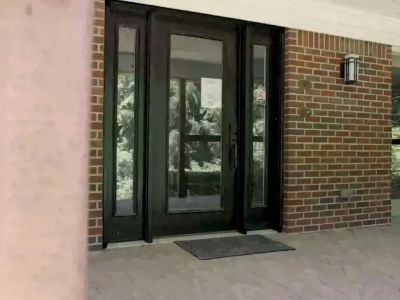
Addiction Rehab Centers - ARC at Fox Hill | Drug & Alcohol Rehab - Mooresville Indiana
Mooresville, Indiana
12168 N Mann Rd, Mooresville, IN 46158
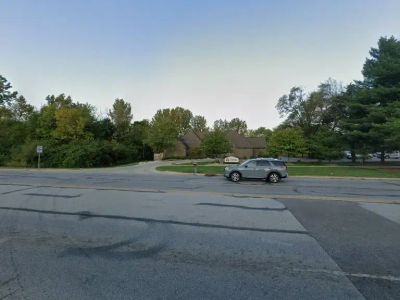
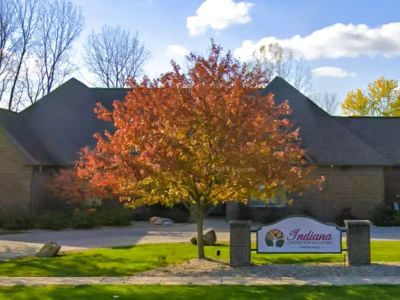

Indiana Center for Recovery - Alcohol & Drug Rehab Center Indianapolis
Indianapolis, Indiana
5510 S Emerson Ave, Indianapolis, IN 46237



Avenues Recovery Center at Indianapolis
Indianapolis, Indiana
7960 Shadeland Ave, Indianapolis, IN 46250
Get Personalized Rehab Matches in 60 Seconds
Tell us a few details and we’ll show a personalized shortlist of verified Indiana rehabs, making it simple to compare options and choose your next step with confidence.


215 W 4th St, Mishawaka, IN 46544

CleanSlate Outpatient Addiction Medicine
Lafayette, Indiana
30 Professional Ct #2A, Lafayette, IN 47905


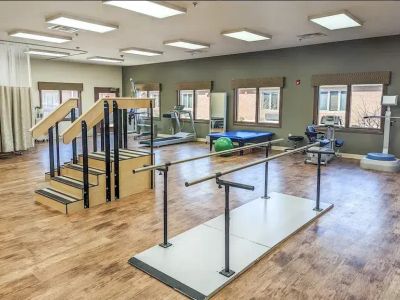
Bethel Pointe Health and Rehabilitation Center
Muncie, Indiana
3400 W Community Dr, Muncie, IN 47304
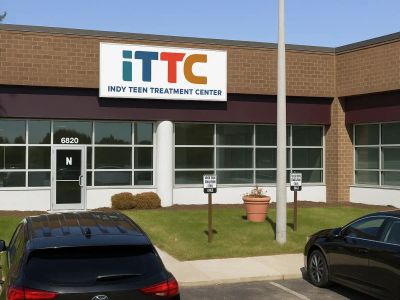
Indy Teen Treatment Center: Addiction and Mental Health Services
Indianapolis, Indiana
6620 Parkdale Pl ste n, Indianapolis, IN 46254
Why Trust Indiana Rehabs
As Hoosiers helping Hoosiers, we understand the unique challenges our communities face. Our team meticulously verifies every Indiana treatment center, ensuring you find trusted, local care that truly understands your journey.
About our listingsLevels of Care
Explore popular treatment options by levels of care, from flexible treatment in Outpatient centers to intensive care in Residential rehabs.
Free · 24/7 · Confidential
Talk to a Treatment Specialist
Call now to get matched with Indiana facilities that accept your insurance.
(888) 568-9930
Free
Ins. check
4.9★
Rating
HIPAA
Protected
Can't travel to a facility?
Licensed Indiana therapists via secure video — same-week appointments, evenings & weekends available.
Ketamine is a name you’ve probably heard in more than one way, once as a groundbreaking medical tool and again whispered about as a party drug with hidden dangers. It’s easy to feel lost in this confusing landscape, especially if you or someone you care about is struggling. When does a substance used for healing cross the line and start causing harm? The truth is, finding your way out is possible, and there are compassionate professionals across Indiana ready to help you take steady, practical steps toward hope and recovery.
What Is Ketamine?
Originally, ketamine was developed as a dissociative anesthetic for medical procedures, meaning it makes patients feel detached from their pain and environment. Because of these powerful effects, it has legitimate uses in hospitals and clinics. However, it has also become a popular drug in party scenes, often referred to as one of the "club drugs." In these settings, it's typically sold as a white powder that can be snorted or a liquid that can be injected[1]. The drug creates a profound sense of disconnection from reality, which is what some people seek for recreation but can quickly become a source of distress and danger.
What Are the Effects of Ketamine?
The experience of using ketamine can change dramatically depending on the dose, but its effects are always powerful and unpredictable. Understanding the potential risks is a critical step in recognizing when it's time to seek help.

Some of the most common short-term effects include:
- Dissociation: A feeling of being detached from your body and surroundings, as if you're watching a movie of yourself.
- Hallucinations: Seeing, hearing, or feeling things that aren't there, which can be disorienting and frightening.
- Confusion and disorientation: Difficulty thinking clearly, speaking, or moving can make you feel helpless and vulnerable.
- The "K-hole": At higher doses, users can experience an intense, terrifying state of sensory detachment that feels like a near-death experience.
Over time, the long-term consequences can be severe. Chronic use can lead to serious health problems, including painful bladder ulcers and other urinary tract issues[2]. Other long-term risks involve significant memory loss and cognitive problems that affect daily life. Sadly, ketamine has also been detected in a growing number of overdose deaths, often when mixed with other substances[3].
Signs You Need Help For Ketamine Addiction
It can be tough to admit when drug use has become a problem. If you’re worried about yourself or someone you love, it helps to know the signs. Ketamine addiction isn't just about how often you use it; it's about the impact it has on your life. Many people who develop a substance use disorder find themselves taking more of the drug over time than they first intended[2]. This is often linked to tolerance, where you need more to get the same effect, and dependence, where your body feels like it needs the drug to function, leading to withdrawal symptoms if you stop.
Here are a few signs that it's time to consider getting help:
- Intense Cravings: You spend a lot of time thinking about using ketamine and feel a strong, distracting urge to use it.
- Loss of Control: You've tried to cut down or stop using but haven't been able to.
- Neglecting Responsibilities: Your use is getting in the way of work, school, or family commitments.
- Continued Use Despite Harm: You keep using even though you know it's causing physical or mental health problems.
- Withdrawal Symptoms: When you try to stop, you feel anxious, shaky, or depressed.
If these signs feel familiar, please know you’re not alone. Recognizing them is the first step toward finding compassionate, professional addiction treatment options that can help you heal.
Treatment For Ketamine Addiction
Starting the journey to recovery from ketamine addiction is a brave step, and it’s important to know that help is structured to support you at every stage. The process often begins with medical detox, which provides a safe and supervised environment to manage withdrawal symptoms comfortably. Once you’re medically stable, the real work of healing begins. Lasting recovery is built on therapy that addresses the root causes of addiction, helping you develop healthier ways to cope with life's challenges. Different levels of care are available to meet you where you are.

Inpatient Treatment
Inpatient rehab, also known as residential treatment, is a level of care where you live at the treatment facility. This provides a structured, trigger-free environment where you can focus entirely on your recovery. It’s an excellent option if you need 24-hour medical and emotional support. Inpatient treatment is often recommended for those with a severe addiction or for individuals who also struggle with co-occurring mental health disorders, a situation often referred to as a dual diagnosis. The constant support and intensive therapy help build a strong foundation for lasting sobriety.
Outpatient Treatment
Outpatient treatment offers more flexibility, allowing you to live at home while attending therapy sessions at a facility. This can be a great fit if you have work, school, or family responsibilities that you need to maintain. There are different levels of care, such as partial hospitalization programs (PHP), which are more intensive, and intensive outpatient programs (IOP), which offer a step-down level of support. Outpatient programs focus on counseling and therapy sessions to help you build coping skills while you continue to navigate your daily life.
Find A Rehab That Treats Ketamine Addiction
Finding the right ketamine rehab in Indiana can feel overwhelming, but you can narrow it down by focusing on a few key things. It's crucial to choose a licensed facility with experience treating addiction to hallucinogens and dissociative drugs. When you start your search, consider practical factors like location and the types of therapy they offer. It’s also important to think about your insurance coverage. Our tools can help you filter your search to find treatment centers in Indiana that match your needs. For additional resources, the SAMHSA treatment locator is a trusted national tool, and you can also find state-certified providers through Indiana's Division of Mental Health and Addiction (DMHA).
Your Path To Healing Starts Now
Ketamine addiction is a serious challenge, but it is absolutely treatable. Recovery is not just about stopping drug use; it's about reclaiming your life and building a future you feel good about. The journey might seem daunting, but you don't have to walk it alone. Taking that first step, whether it's learning more, talking to someone you trust, or reaching out for professional help, is the most important one you can take. Healing is possible, and the support you need is available right here in Indiana. When you're ready, we're here to provide confidential, compassionate guidance to help you find the right treatment.
The path to recovery is different for everyone, but it always starts with a single step. Understanding ketamine, recognizing the signs of addiction, and exploring treatment options are powerful first moves toward healing. If you feel lost or overwhelmed, please know that hope is real and help is available. You can reclaim your life from addiction. To find a treatment center that fits your needs or to speak with someone who understands, call us at (888) 568-9930. Our team at Indiana Rehabs is here to help you navigate your options. You can also get in touch through our contact page for confidential support today.
Frequently Asked Questions About Ketamine Rehab in Indiana
Is ketamine rehab only for illegal use?
What happens during ketamine detox?
What therapies are used in ketamine addiction treatment?
Can I use insurance for ketamine rehab in Indiana?
How long does ketamine stay in your system?
- Drug Enforcement Administration. (n.d.). 2025 National Drug Threat Assessment. Drug Enforcement Administration. dea.gov
- National Institute on Drug Abuse. (2024). Ketamine. National Institute on Drug Abuse. nida.nih.gov
- Centers for Disease Control and Prevention. (2024). Notes from the Field: Ketamine Detection and Involvement in Drug Overdose Deaths. Centers for Disease Control and Prevention. cdc.gov