Methadone Rehabs

Showing 5 of 5 Results (filtered)
Featured Rehab Centers

Addiction Rehab Centers - ARC at Fox Hill | Drug & Alcohol Rehab - Mooresville Indiana
Mooresville, Indiana
12168 N Mann Rd, Mooresville, IN 46158

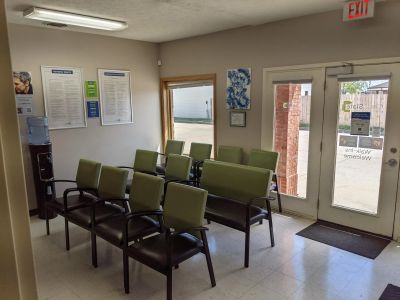

CleanSlate Outpatient Addiction Medicine
Lafayette, Indiana
30 Professional Ct #2A, Lafayette, IN 47905



Recovery Centers of America at Indianapolis
Indianapolis, Indiana
8530 Township Line Rd, Indianapolis, IN 46260
Get Personalized Rehab Matches in 60 Seconds
Tell us a few details and we’ll show a personalized shortlist of verified Indiana rehabs, making it simple to compare options and choose your next step with confidence.


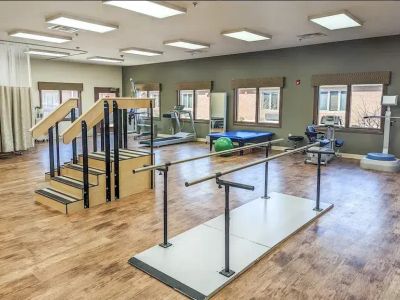
Bethel Pointe Health and Rehabilitation Center
Muncie, Indiana
3400 W Community Dr, Muncie, IN 47304



Madison State Hospital
Madison, Indiana
711 Green Road, Madison, IN, 47250
Why Trust Indiana Rehabs
As Hoosiers helping Hoosiers, we understand the unique challenges our communities face. Our team meticulously verifies every Indiana treatment center, ensuring you find trusted, local care that truly understands your journey.
About our listingsLevels of Care
Explore popular treatment options by levels of care, from flexible treatment in Outpatient centers to intensive care in Residential rehabs.
Free · 24/7 · Confidential
Talk to a Treatment Specialist
Call now to get matched with Indiana facilities that accept your insurance.
(888) 568-9930
Free
Ins. check
4.9★
Rating
HIPAA
Protected
Can't travel to a facility?
Licensed Indiana therapists via secure video — same-week appointments, evenings & weekends available.
For many Hoosiers, the journey away from opioid addiction can feel lonely, with hope sometimes flickering like a distant light. When every day brings a mix of struggle and uncertainty, it’s hard to imagine a way forward that truly fits your needs. Methadone rehab offers a proven, medically guided path, and in Indiana, finding real, supportive treatment is not only possible, it’s closer and more welcoming than you might think.
What Is Methadone?
Methadone is a long-acting synthetic opioid medication that has been used for decades to help people overcome addiction to other opioids, like heroin or prescription painkillers. Unlike the fast-acting opioids that create a powerful high, methadone is designed to work slowly and steadily in your system. Think of it not as a cure, but as a tool, a stable foundation that allows you to rebuild your life without the constant chaos of cravings and withdrawal.
So, what is methadone used for? Its two primary uses are for treating opioid use disorder (OUD) and, in some cases, managing severe, chronic pain. When used for OUD, it's provided as part of a comprehensive treatment plan. It isn't a drug you can get on the street; it’s a highly regulated medication prescribed by a doctor in a structured program.[1] This approach helps ensure your safety and gives you the best chance at a lasting recovery. Understanding the role of methadone in addiction treatment is the first step toward seeing if it's the right path for you.
How Does Methadone Work?
To understand how methadone works, it helps to first picture how opioids affect the brain. Opioids like heroin or fentanyl attach to special places in your brain called opioid receptors. When they do, they trigger a flood of feel-good chemicals, creating a powerful sense of euphoria or a "high." The problem is, your brain quickly gets used to this and starts needing more of the drug just to feel normal, leading to intense cravings and painful withdrawal symptoms when you try to stop.
Methadone works by binding to these very same opioid receptors. But here's the key difference: it does so much more slowly and for a much longer time. Imagine your opioid receptors are like a lock. Heroin is like a key that jolts the lock open, giving you a rush. Methadone is like a key that fits perfectly but turns slowly and gently, keeping the lock engaged without the jolt. This steady action helps stabilize your brain chemistry. It effectively stops cravings and prevents the awful feelings of withdrawal, but it doesn't produce the same high. This gives you the mental and physical space to focus on your recovery.
Because it's taken orally and absorbed slowly, methadone is highly effective. It has a bioavailability of nearly 80%, meaning most of the dose gets used by your body. This stability is what allows someone to break free from the cycle of chasing a high and begin the healing process. It's a key part of managing opioid addiction and getting back on solid ground.
Methadone Treatment And Rehab
Methadone isn't just a medication you take; it's one part of a larger, more comprehensive approach called Medication-Assisted Treatment (MAT). Think of it this way: methadone helps quiet the physical storm of addiction, but it doesn't fix the things that led you there. That's where rehab and counseling come in. The most effective methadone treatment combines the medication with therapy to address the emotional and psychological sides of addiction.
In a methadone rehab program, you're not just getting a daily dose. You're getting a support system. You'll work with counselors who understand what you're going through and can teach you new ways to cope with stress, triggers, and life's challenges. This combination of medication and therapy is the gold standard for treating opioid use disorder because it addresses the whole person, not just the symptoms. For many in Indiana, finding a MAT-focused program is the turning point where true healing begins.[2]
What Is Methadone Maintenance?
methadone maintenance treatment (MMT) is a long-term strategy designed to help you manage opioid use disorder so you can get back to living your life. In MMT, you receive a stable, daily dose of methadone that keeps withdrawal symptoms and cravings at bay. This isn't about trading one addiction for another; it's about using a prescribed medication to achieve stabilization. With the physical side of addiction managed, you can focus on your job, your family, and your personal growth. At first, this often involves daily visits to a certified Opioid Treatment Program (OTP) clinic to receive your medication, ensuring you're safe and supported as you begin your recovery journey.
Methadone Use in Detox Programs
While MMT is a long-term approach, methadone can also be used for short-term medical withdrawal management, often called detox. In a detox program, methadone is used to make the withdrawal process safer and much more comfortable. Instead of stopping other opioids cold turkey, which can be incredibly painful and even dangerous, a doctor will give you a carefully managed methadone dose. Over a period of several days or weeks, this dose is gradually reduced, or tapered, allowing your body to adjust slowly. This process minimizes the severe symptoms of withdrawal and provides a bridge to the next stage of your recovery, whether that's transitioning to another medication or a drug-free treatment plan.
Addiction Rehab Settings that Use Methadone
In Indiana, you can find methadone treatment in different settings, depending on the level of care you need. Inpatient or residential treatment offers a highly structured environment where you live at the facility 24/7. This is often the best choice if you need round-the-clock support to get stable. Outpatient treatment, on the other hand, provides more flexibility. You live at home and visit the clinic for your medication and counseling sessions, allowing you to continue with work, school, or family responsibilities. Both inpatient and outpatient rehab centers are available across Indiana, so you can find a program that fits your life and gives you the support you need to succeed.
What Are the Side Effects of Methadone?
Like any medication, methadone can have side effects. It’s important to talk openly with your doctor about what you’re experiencing so they can adjust your dose and make sure you’re safe. Most side effects are mild and tend to lessen as your body gets used to the medication.

Some of the most common side effects include:
- Drowsiness or feeling sleepy
- Lightheadedness
- Constipation
- Dry mouth
- Sweating
- Nausea or vomiting
While these are usually manageable, there are more serious risks to be aware of. The most significant is respiratory depression, which is when your breathing becomes dangerously slow. This risk is highest when methadone is misused, taken in higher doses than prescribed, or combined with other substances that slow down the central nervous system, like alcohol or benzodiazepines (such as Xanax or Valium). This is why it’s so important to be completely honest with your doctor about any other drugs or medications you are taking.
So, is methadone dangerous? When taken exactly as prescribed under medical supervision, methadone is a safe and effective medication. The danger comes from misuse.[3] Following your doctor's instructions and attending a certified clinic ensures that you are using it safely to support your recovery, not to put yourself at risk.
Find Treatment and Methadone Clinics Near Me
If you're ready to find help, you might be wondering, "Where can I find methadone clinics near me?" In Indiana, methadone treatment is provided at specialized facilities called Opioid Treatment Programs, or OTPs. These clinics are certified and regulated to ensure they provide safe, high-quality care.[4] You can't get a methadone prescription from just any doctor; it has to be through one of these licensed programs.
A common worry is about the cost of treatment. So, does insurance cover rehabs that use methadone treatment? The good news is that yes, it often does. Many private insurance plans cover MAT, and Indiana Medicaid also provides coverage for services at OTPs.[5] Don’t let fear about the cost stop you from reaching out. Most clinics have staff who can help you understand your benefits and figure out the financial side of things.
The easiest way to start is to find a methadone clinic in Indiana. You can use our directory to search for local options or look at the official Indiana Opioid Treatment Programs Directory. If you feel overwhelmed, you can always call our confidential helpline. A caring specialist can answer your questions and guide you toward a program that feels right for you.
Taking the Next Step Toward Recovery
Deciding to seek help for opioid addiction is a huge step, and it takes incredible courage. Methadone treatment is a scientifically-backed, life-saving option that has helped thousands of people find stability and reclaim their lives. It’s not a crutch or a substitute, it’s a medical tool that gives you the breathing room you need to work on the underlying causes of addiction and build a future you can be proud of.
Recovery is a journey, not a destination. There will be good days and tough days, but with the right support, you never have to walk that path alone. Help is available and accessible right here for all Hoosiers, and you deserve to get the care that can turn your hope for a better life into a reality.[6]
You’ve already taken the first step by being here. When you’re ready to take the next one, give us a call at (888) 568-9930. The team at Indiana Rehabs is here to listen without judgment and help you find the right path forward. You can also contact us online to get started. A brighter future is possible, and it starts today.
Frequently Asked Questions About Methadone Treatment in Indiana
What is the difference between methadone and Suboxone?
Will I have to be on methadone for the rest of my life?
How do I start treatment at a methadone clinic in Indiana?
What is methadone withdrawal like?
Can I still work or go to school while on methadone?
- Substance Abuse and Mental Health Services Administration. (02-05-2025). Substance use disorders - statutes, regulations, and guidelines. Substance Abuse and Mental Health Services Administration. samhsa.gov
- (2024). Drug fact sheet: Substance use in Indiana, SFY 2024. Indiana Division of Mental Health and Addiction. in.gov
- (08-16-2024). Methadone take-home policies and associated mortality. JAMA Psychiatry. pmc.ncbi.nlm.nih.gov
- Indiana Family and Social Services Administration. (07-14-2020). Certification and licensure rules and Indiana code. Indiana Division of Mental Health and Addiction. in.gov
- Indiana Health Coverage Programs. (06-01-2023). Upcoming changes for opioid use disorder services provided in an opioid treatment program. Indiana Health Coverage Programs. in.gov
- Substance Abuse and Mental Health Services Administration. National survey of substance abuse treatment services (N-SSATS): Indiana, 2019. Substance Abuse and Mental Health Services Administration. samhsa.gov