Psilocybin Rehabs

Showing 4 of 4 Results (filtered)
Featured Rehab Centers

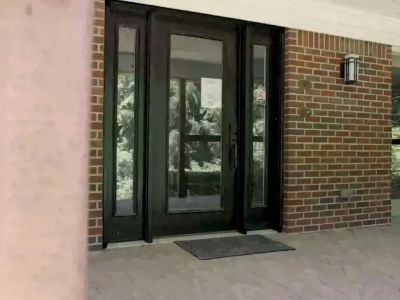
Addiction Rehab Centers - ARC at Fox Hill | Drug & Alcohol Rehab - Mooresville Indiana
Mooresville, Indiana
12168 N Mann Rd, Mooresville, IN 46158

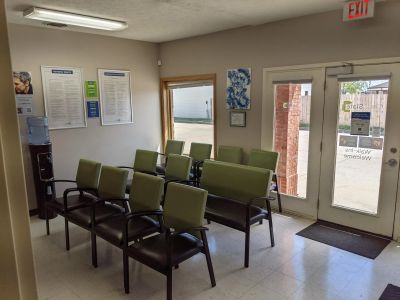

CleanSlate Outpatient Addiction Medicine
Lafayette, Indiana
30 Professional Ct #2A, Lafayette, IN 47905


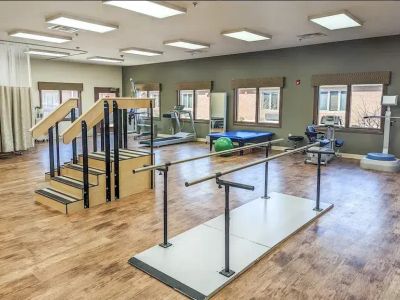
Bethel Pointe Health and Rehabilitation Center
Muncie, Indiana
3400 W Community Dr, Muncie, IN 47304
Get Personalized Rehab Matches in 60 Seconds
Tell us a few details and we’ll show a personalized shortlist of verified Indiana rehabs, making it simple to compare options and choose your next step with confidence.
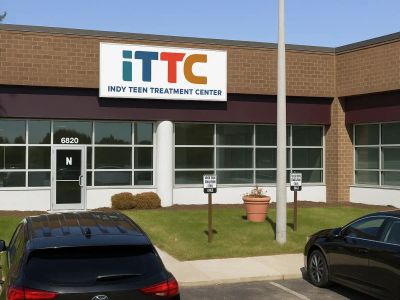
Indy Teen Treatment Center: Addiction and Mental Health Services
Indianapolis, Indiana
6620 Parkdale Pl ste n, Indianapolis, IN 46254
Why Trust Indiana Rehabs
As Hoosiers helping Hoosiers, we understand the unique challenges our communities face. Our team meticulously verifies every Indiana treatment center, ensuring you find trusted, local care that truly understands your journey.
About our listingsLevels of Care
Explore popular treatment options by levels of care, from flexible treatment in Outpatient centers to intensive care in Residential rehabs.
Free · 24/7 · Confidential
Talk to a Treatment Specialist
Call now to get matched with Indiana facilities that accept your insurance.
(888) 568-9930
Free
Ins. check
4.9★
Rating
HIPAA
Protected
Can't travel to a facility?
Licensed Indiana therapists via secure video — same-week appointments, evenings & weekends available.
It seems like everyone’s talking about magic mushrooms these days, about how psilocybin can open minds, ease old wounds, or spark creativity. But what happens when casual use starts to feel like a necessity, something you can’t easily put down? Even if physical addiction isn’t common, the grip of psychological dependence and the weight of deeper struggles are real and worthy of compassion. If you’re worried about your relationship with psilocybin, know that there are caring, judgment-free options for finding balance and support right here in Indiana.
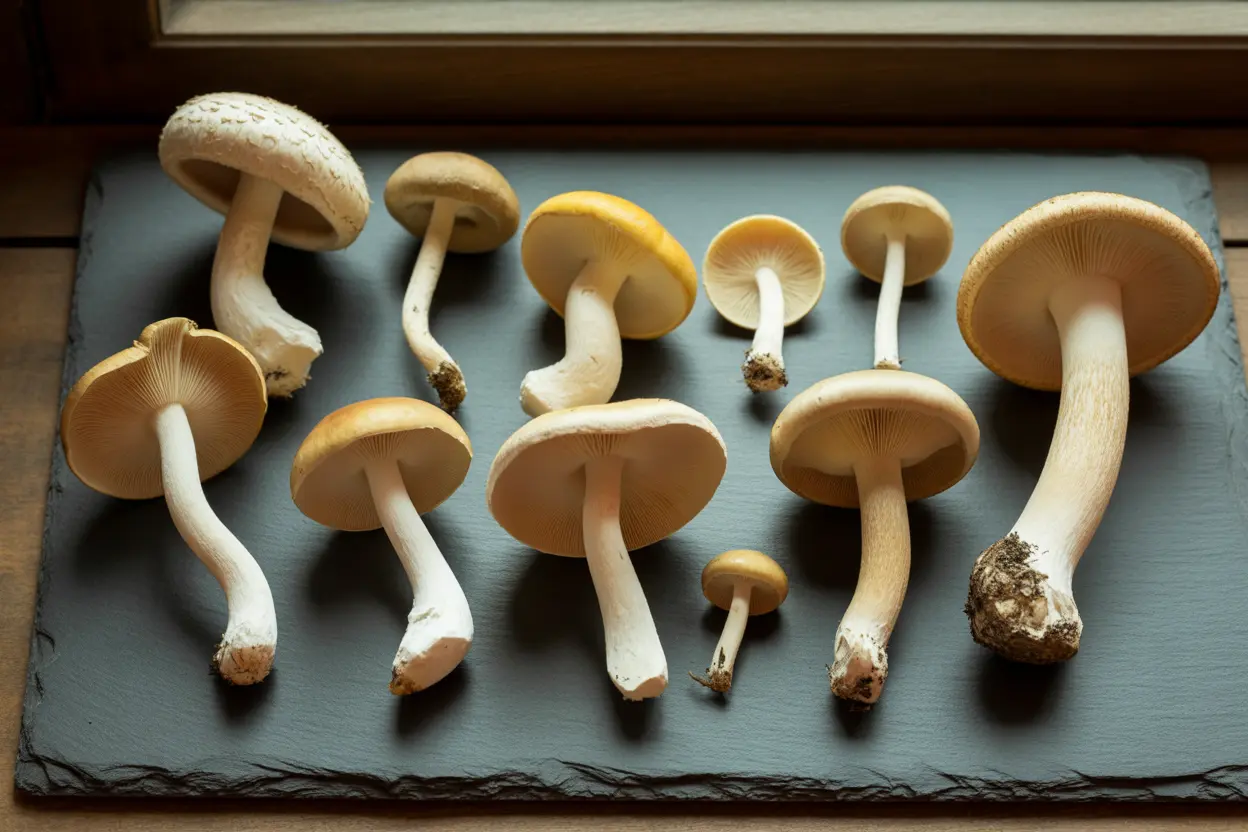
What Are Psilocybin Mushrooms?
Psilocybin mushrooms, often called “magic mushrooms” or “shrooms,” are a type of fungi containing psychedelic compounds. The main active ingredients are psilocybin and psilocin, which are naturally occurring substances that can alter your thoughts, mood, and perception[1]. These mushrooms have been used for centuries in various cultural and spiritual traditions. Today, they are also being studied for their potential therapeutic effects in clinical settings. When someone consumes these mushrooms, the body converts psilocybin into psilocin, which interacts with serotonin receptors in the brain to produce its powerful effects. As one of the most well-known hallucinogens, their impact can be profound and varies greatly from person to person.
Psychological Effects
The experience of using psilocybin is primarily psychological. Many people report positive effects, while others have difficult or frightening experiences. Common effects include:
- Changes in the perception of time, space, and reality
- Feelings of euphoria, well-being, and interconnectedness
- Intense emotions and introspection
- Potential for mystical or spiritual experiences
- Distressing hallucinations, anxiety, or paranoia (often called a "bad trip")[2]
Physical Effects
While the main effects of psilocybin are psychological, some temporary physical symptoms can occur as your body processes the substance. These typically fade as the effects of the mushrooms wear off. They may include:
- Dilated pupils
- Nausea or vomiting
- Increased heart rate, blood pressure, and body temperature
- Muscle weakness or twitching
- Drowsiness or poor coordination
Are Shrooms Addictive?
When people ask if shrooms are addictive, it’s important to separate physical addiction from psychological dependence. According to current research, psilocybin does not cause physical addiction. It doesn’t lead to the kind of compulsive, drug-seeking behavior seen with substances like opioids or stimulants. In Indiana, for example, data shows that psilocybin is not a primary substance of misuse reported in treatment admissions[3]. However, a person can build up a tolerance to mushrooms quickly, meaning they need to take more to get the same effect. The main concern with psilocybin addiction is psychological dependence. This is when a person feels a strong emotional or mental need to continue using the substance, even when it causes problems in their life. While hallucinogen use disorder is relatively rare compared to other substance use disorders, it is still a real concern for some individuals[4].
What Are the Signs of Magic Mushroom Addiction?
Because psilocybin isn't physically addictive, the signs of problematic use are behavioral and psychological. Clinically, this is often described as Hallucinogen Use Disorder. If you’re worried about your use of magic mushrooms, here are some signs to look for:
- Spending a great deal of time thinking about, obtaining, or using mushrooms.
- Continuing to use shrooms despite negative consequences at work, school, or in relationships.
- Needing to take larger amounts to achieve the desired effects (tolerance).
- Giving up important social, occupational, or recreational activities because of mushroom use.
- Being unable to cut down or stop, even if you want to.
Treatment And Rehabilitation For Psilocybin Mushrooms

If you feel that your relationship with psilocybin is causing you distress, a psilocybin rehab program can help you understand the root causes and build a healthier path forward. Treatment for problematic mushroom use doesn't usually require a medical detox. Instead, it focuses on therapy and support to address the psychological dependence and any underlying issues, like depression or anxiety. The right level of care depends on your unique situation. Some people find success with outpatient programs that offer flexibility, while others may benefit from the structured environment of a residential treatment program[5]. The goal is to provide a safe space where you can explore the reasons for your use and develop new coping strategies with the guidance of compassionate professionals[6].
Cognitive-Behavioral Therapy (CBT)
Cognitive-Behavioral Therapy (CBT) is a highly effective therapy for addressing substance use. It helps you become aware of negative or unhelpful thought patterns that may lead to using mushrooms. For example, if you turn to psilocybin to escape feelings of social anxiety, a CBT therapist can help you identify that trigger and develop practical coping mechanisms and social skills to manage anxiety in a healthier way. The focus is on building real-world skills to handle life’s challenges without relying on a substance.
Support Groups
Connecting with others who have similar experiences can be incredibly powerful in recovery. Support groups provide a sense of community and understanding that reminds you you’re not alone. Groups like SMART Recovery and other non-12-step programs offer a space to share challenges and successes with peers who get it. This kind of peer support helps build a strong foundation for lasting well-being long after formal treatment ends.
Take the Next Step: Your Path to Recovery in Indiana
Deciding to seek help is a courageous first step, and you don’t have to figure it all out on your own. Recovery from psychological dependence on psilocybin is entirely possible, and it starts with a simple, confidential conversation. Talking to a treatment specialist can help you understand your options and find a program that feels right for you. In Indiana, there are many caring and qualified rehabs ready to support you. It's important to choose a facility that meets Indiana's treatment provider standards to ensure you receive high-quality care. Whether you’re ready to enroll in a program or just have questions, personalized guidance is available. Take a moment to explore your options and find the support you deserve.
Understanding your relationship with psilocybin is a personal journey, and it’s okay to need support along the way. While magic mushrooms are not typically physically addictive, the psychological hold can be challenging. But healing is possible. With the right therapeutic support and a compassionate community, you can find your way back to balance. If you're ready to talk, our team at Indiana Rehabs is here to listen without judgment. Call us at (888) 568-9930 or contact us to explore treatment options here in Indiana. You’re not alone, and a healthier future is within reach.
Frequently Asked Questions About Psilocybin and Treatment in Indiana
What is psilocybin rehab like?
Do I need to detox from magic mushrooms?
Can psilocybin use cause mental health problems?
Is psilocybin legal in Indiana?
- National Center for Complementary and Integrative Health. (09-18-2023). Psilocybin for mental health and addiction: What you need to know. National Institutes of Health. nccih.nih.gov
- Taub, E. et al. (2024). Reconsidering evidence for psychedelic-induced psychosis. Translational Psychiatry. nature.com
- Indiana Criminal Justice Institute. (2025). 2025 Comprehensive community plan: Johnson County. IN.gov. in.gov
- Substance Abuse and Mental Health Services Administration. (2023). Results from the 2021 national survey on drug use and health. SAMHSA. samhsa.gov
- U.S. Department of Health and Human Services. (August, 2021). State residential treatment for behavioral health conditions: Indiana. HHS ASPE. aspe.hhs.gov
- National Center for PTSD. (03-28-2024). Psychedelic-assisted therapy for PTSD. U.S. Department of Veterans Affairs. ptsd.va.gov