
Peer Support in Indiana



Showing 20 of 110 Results (filtered)
Featured Rehab Centers

Crossroads Healing Center - Addiction & Mental Health Treatment in Indiana
Connersville, Indiana
450 Erie Ave, Connersville, IN 47331
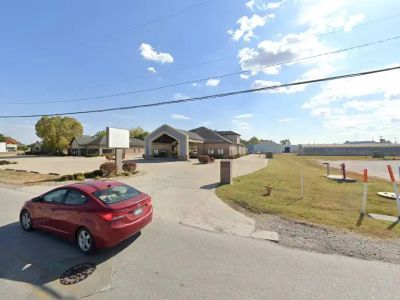
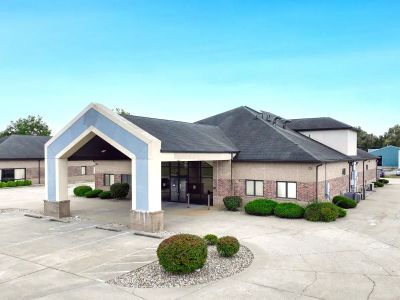
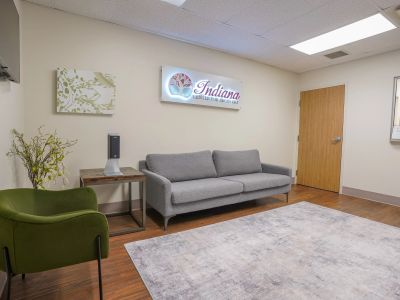
Indiana Center For Recovery- Alcohol & Drug Rehab Terre Haute
Terre Haute, Indiana
135 E Hospital Ln, Terre Haute, IN 47802

Get Personalized Rehab Matches in 60 Seconds
Tell us a few details and we’ll show a personalized shortlist of verified Indiana rehabs, making it simple to compare options and choose your next step with confidence.


Spero Health
Richmond, Indiana
18 SW 5th St, Richmond, IN 47374
Spero Health - Connersville
Connersville, Indiana
531 North Central Avenue Suite 6, Connersville, IN 47331

Through The Gate
Crawfordsville, Indiana
811 Whitlock Ave, Crawfordsville, IN 47933
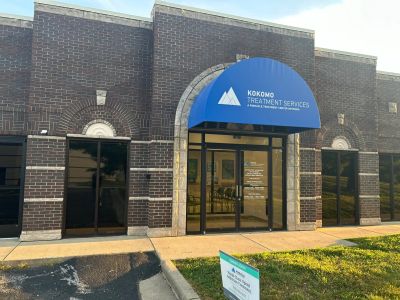
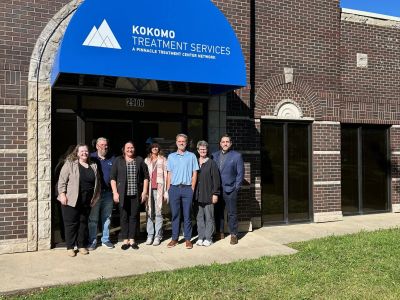
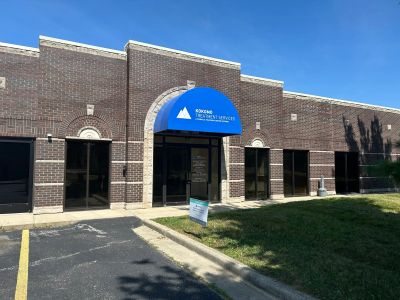
Pinnacle Treatment Centers - Kokomo
Kokomo, Indiana
2906 S. Reed Rd. Kokomo, IN 46902



Recover Together - Aurora
Aurora, Indiana
706 Green Blvd., Aurora, IN, 47001
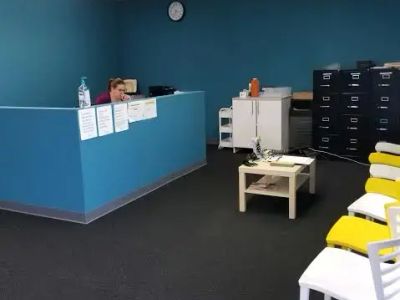


Recover Together - Connersville
Connersville, Indiana
2110 N Park Rd, Connersville, IN, 47331



Restored Life Continuum of Care
Kokomo, Indiana
302 S Reed Rd, Kokomo, IN 46901

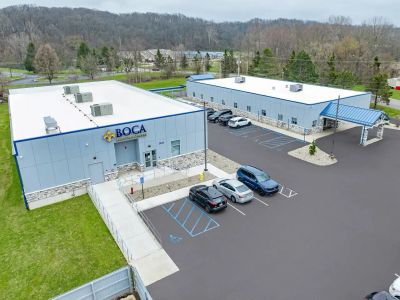

Boca Recovery Center - Indiana Drug and Alcohol Rehab
Huntington, Indiana
3040 W Park Dr, Huntington, IN 46750
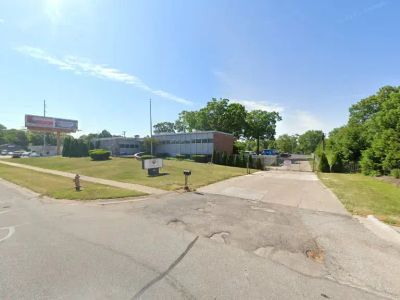


Cardinal Recovery
Franklin, Indiana
1130 West Jefferson St, Franklin, IN, 46131
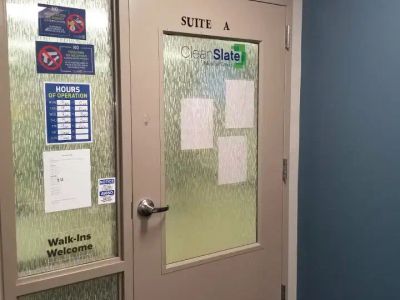
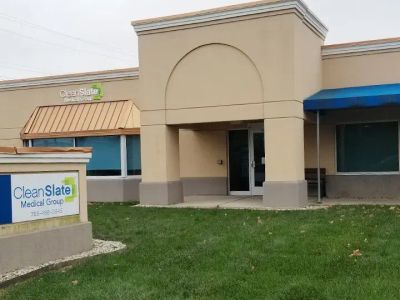
CleanSlate Outpatient Addiction Medicine
Richmond, Indiana
2302 Chester Blvd A, Richmond, IN 47374

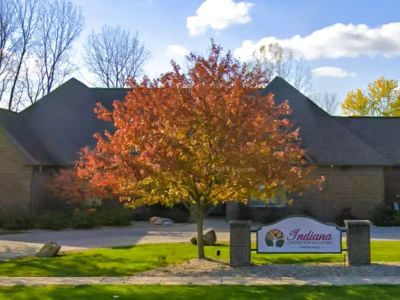

Indiana Center for Recovery - Alcohol & Drug Rehab Center Indianapolis
Indianapolis, Indiana
5510 S Emerson Ave, Indianapolis, IN 46237
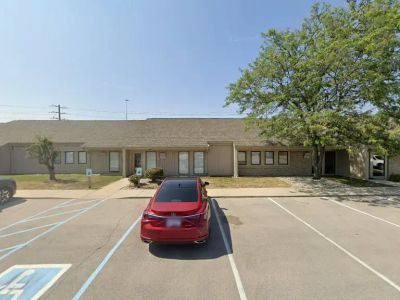
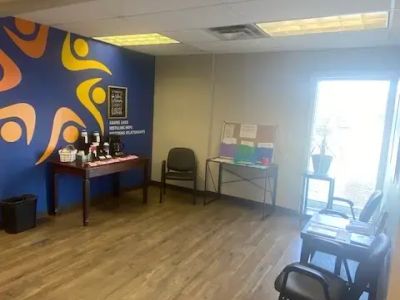

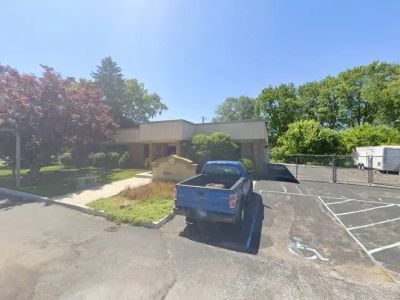
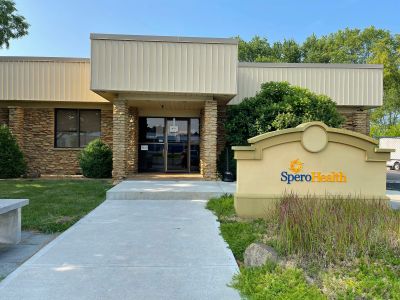
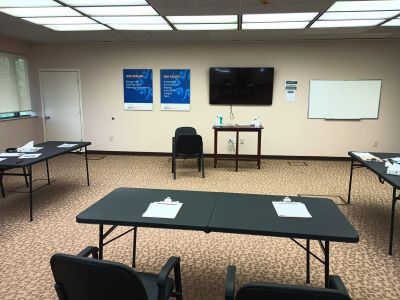
SperoHealth - Indianapolis
Indianapolis, Indiana
8202 Clearvista Parkway, Indianapolis, IN, 46256
SperoHealth - Greenwood
Greenwood, Indiana
7750 Madison Avenue, Greenwood, IN, 46227


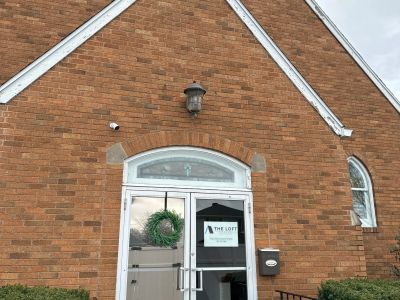
The Loft Recovery
Kokomo, Indiana
1700 S Main St, Kokomo, IN 46902
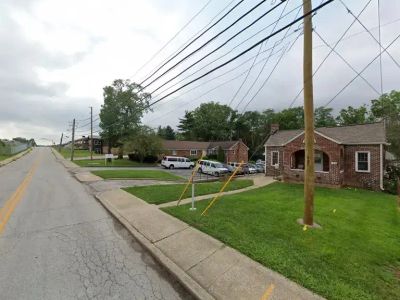

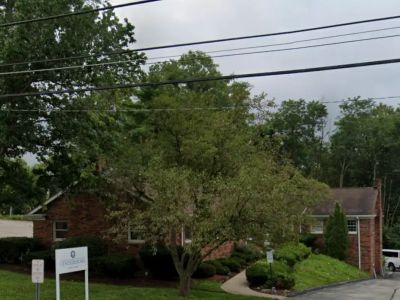
Centerstone Recovery Center
Bloomington, Indiana
809 W 1st St, Bloomington, IN 47403

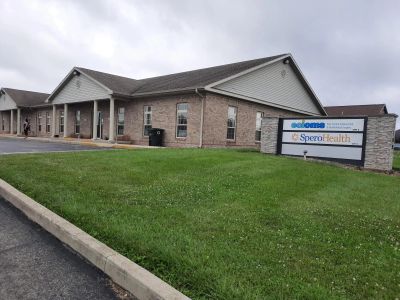
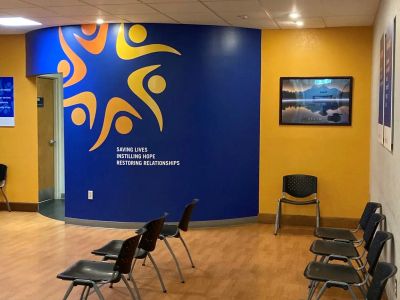
SperoHealth - Muncie
Muncie, Indiana
3700 North Briarwood Lane, Muncie, IN, 47304


215 W 4th St, Mishawaka, IN 46544
Why Trust Indiana Rehabs
As Hoosiers helping Hoosiers, we understand the unique challenges our communities face. Our team meticulously verifies every Indiana treatment center, ensuring you find trusted, local care that truly understands your journey.
About our listingsLevels of Care
Explore popular treatment options by levels of care, from flexible treatment in Outpatient centers to intensive care in Residential rehabs.
Free · 24/7 · Confidential
Talk to a Treatment Specialist
Call now to get matched with Indiana facilities that accept your insurance.
(888) 568-9930
Free
Ins. check
4.9★
Rating
HIPAA
Protected
Can't travel to a facility?
Licensed Indiana therapists via secure video — same-week appointments, evenings & weekends available.
Have you ever felt like no one truly understands what you’re going through? Early recovery can feel so isolating, like you’re carrying a weight only you can feel. But the moment you sit across from someone who’s been there, who nods, listens, and gets it, a new sense of hope quietly takes root. In Indiana, connecting with peers who’ve walked a similar path isn’t just comforting, it’s a powerful part of recovery that can help carry you forward, step by step.

What is Peer Support?
Peer support is a genuine, human connection built on a foundation of shared experience. It’s a relationship where someone who has successfully navigated their own recovery journey walks alongside someone just beginning theirs. The core of this model is "lived experience." This means the person offering support, often called a Certified Peer Specialist, has been through a similar struggle with addiction or a substance use disorder[1]. They aren’t just trained; they understand the path because they’ve walked it themselves.
It's important to know that this isn't clinical therapy. A peer supporter is a mentor, a guide, and a source of hope, not a counselor. They offer emotional, social, and practical help that complements a formal treatment plan. In a state where substance use disorder has impacted so many communities, peer support rehab offers a powerful, relatable layer of care that makes long-term recovery feel more achievable[2]. It’s about one person helping another, based on the simple, profound idea: "I've been there, and you can get through this, too."
What are the benefits of peer support?
The benefits of peer support are both emotional and practical, touching nearly every aspect of the recovery journey. When you see someone who has successfully navigated the challenges you're facing, it does more than just inspire you; it provides living proof that your own recovery goals are within reach. This firsthand evidence makes sobriety feel less like a theory and more like a real possibility.
Here are some of the key advantages:
- Increased hope and motivation
- Reduced feelings of loneliness and isolation
- Improved engagement with treatment programs
- Lower rates of re-hospitalization and relapse[3]
- A stronger sense of community and belonging
- Practical guidance on navigating social, family, and work challenges
Emotional Benefits of Connecting with Others in Recovery
One of the heaviest burdens of addiction is the shame and isolation it creates. You might feel like you have to hide your struggles, which only makes the loneliness worse. Peer support directly dismantles this. When you connect with someone who shares your lived experience, you're free from judgment. This creates a powerful sense of belonging and community that is essential for healing. In these peer-led recovery communities, you realize you're not alone, which helps replace shame with hope and makes it easier to stay committed to your recovery journey[4].
How Peer Support Groups Reduce the Risk of Relapse
Beyond emotional comfort, peer support groups offer practical tools that strengthen your sobriety. They provide a safe, supportive space where you can talk openly about triggers and cravings without fear. This accountability is crucial. Knowing you have a group of people who understand and expect to see you at the next meeting can be a powerful motivator. You also learn valuable coping mechanisms from others who have successfully navigated similar situations. Seeing their strategies work in real life builds your confidence and equips you with proven skills for preventing relapse and maintaining long-term recovery.
How to Find a Support Group
Finding a local peer support program in Indiana is more accessible than you might think. These programs come in various formats to fit different needs and comfort levels. You can find group meetings, such as traditional 12-step programs like AA, or alternatives like SMART Recovery. There are also opportunities for one-on-one mentorship with a certified peer specialist who can provide more personalized guidance. Many of these resources are available through state and local organizations, including the Indiana Association of Peer Recovery Support Services (IAPRSS), which is a great place to start your search.
How do people qualify for peer support?
One of the most encouraging aspects of peer support is how accessible it is. You don't need a formal clinical diagnosis or a specific referral to qualify. The primary requirement is simply the desire to seek recovery and a shared "lived experience" with addiction or mental health challenges[5]. This model is built on mutual understanding, not on clinical criteria. If you are on a recovery journey and want to connect with others who have been through similar experiences, you are already qualified. It's about shared humanity, not paperwork.
Take the Next Step in Your Indiana Recovery Journey
Remember, you don’t have to walk the path of recovery alone. Peer support is a powerful and accessible tool available right here in Indiana, offering the kind of understanding that can make all the difference. Connecting with others who have been where you are is a courageous step toward building a strong, lasting sobriety. Your recovery journey is unique, but it doesn't have to be a lonely one.
When you're ready, we're here to help you find the right support. You can browse our directory of Indiana peer support programs or call our confidential helpline at (888) 568-9930 for immediate, compassionate guidance. At Indiana Rehabs, we make finding help simple and transparent. Please reach out today to take the next step.
Frequently Asked Questions About Peer Support for Recovery in Indiana
Is peer support the same as group therapy?
What's the difference between a peer supporter and a sponsor?
Do I have to pay for peer support in Indiana?
What can I expect in my first peer support meeting?
Are there different types of peer support groups besides 12-step programs?
- Substance Abuse and Mental Health Services Administration. (11-05-2024). Peer support workers for those in recovery. SAMHSA. samhsa.gov
- Marion County Public Health Department. (04-17-2025). Limiting overdose through collaborative actions in localities (OD2A). Marion County Public Health Department. marionhealth.org
- Mental Health America. (May, 2019). Evidence for peer support. Mental Health America. mhanational.org
- Indiana Family and Social Services Administration. (November, 2024). Progress report on the usage of the state’s opioid settlement funds. Indiana Family and Social Services Administration. in.gov
- Indiana Family and Social Services Administration. (07-14-2020). Indiana certified peer support professionals. Indiana Family and Social Services Administration. in.gov