
Methylphenidate (Ritalin & Concerta) Rehab in Indiana



Showing 3 of 3 Results (filtered)
Featured Rehab Centers

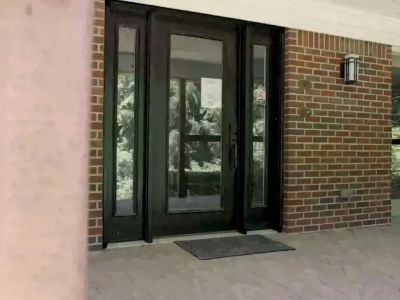
Addiction Rehab Centers - ARC at Fox Hill | Drug & Alcohol Rehab - Mooresville Indiana
Mooresville, Indiana
12168 N Mann Rd, Mooresville, IN 46158
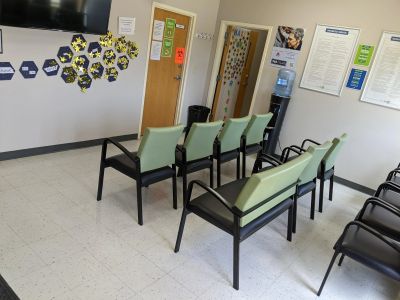
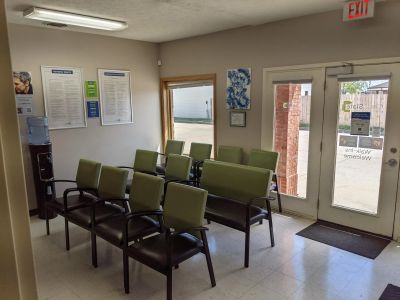
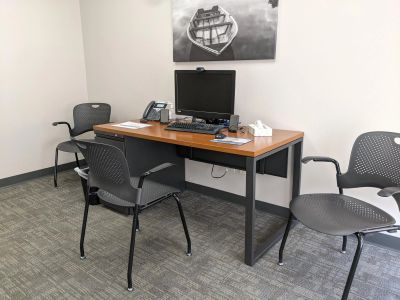
CleanSlate Outpatient Addiction Medicine
Lafayette, Indiana
30 Professional Ct #2A, Lafayette, IN 47905


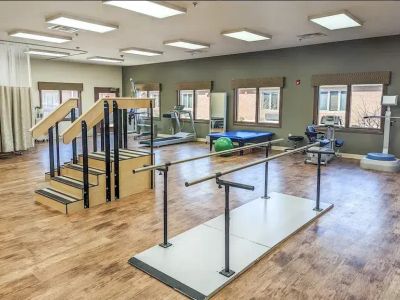
Bethel Pointe Health and Rehabilitation Center
Muncie, Indiana
3400 W Community Dr, Muncie, IN 47304
Get Personalized Rehab Matches in 60 Seconds
Tell us a few details and we’ll show a personalized shortlist of verified Indiana rehabs, making it simple to compare options and choose your next step with confidence.
Why Trust Indiana Rehabs
As Hoosiers helping Hoosiers, we understand the unique challenges our communities face. Our team meticulously verifies every Indiana treatment center, ensuring you find trusted, local care that truly understands your journey.
About our listingsLevels of Care
Explore popular treatment options by levels of care, from flexible treatment in Outpatient centers to intensive care in Residential rehabs.
Free · 24/7 · Confidential
Talk to a Treatment Specialist
Call now to get matched with Indiana facilities that accept your insurance.
(888) 568-9930
Free
Ins. check
4.9★
Rating
HIPAA
Protected
Can't travel to a facility?
Licensed Indiana therapists via secure video — same-week appointments, evenings & weekends available.
It may have started with a prescription to help you focus, but when does using Ritalin or Concerta begin to feel less like a choice and more like something you just can’t do without? If you’ve been feeling that slow drift from routine use to uneasy dependence, you’re not alone, this struggle can happen to anyone. Understanding how that line gets crossed is the first step toward finding your way back, and the support you need to reclaim your life is available right here in Indiana.
What is Ritalin?
Methylphenidate is a prescription medication that acts as a central nervous system stimulant. You probably know it by its more common brand names, Ritalin and Concerta. For many people, these medications are a vital tool for managing attention-deficit/hyperactivity disorder (ADHD) or narcolepsy. When used as prescribed, methylphenidate can improve focus, reduce impulsivity, and help individuals with ADHD lead more organized lives.
It works by increasing the levels of certain brain chemicals, like dopamine and norepinephrine, which play a key role in attention and behavior. For a brain with ADHD, this effect can bring a sense of calm and clarity. However, when these powerful stimulants are used in ways other than prescribed, such as taking higher doses, using someone else’s prescription, or crushing the pills to get a more intense effect, the brain’s reward system can be overwhelmed. This is where the path to dependence and addiction begins. What starts as an attempt to study longer or feel more alert can slowly turn into a cycle that’s hard to break, leading to a need for professional Ritalin and Concerta addiction treatment.
Side Effects of Ritalin
One of the most common questions people ask is, "Is Ritalin addictive?" The simple answer is yes, it can be. It’s important to understand the difference between dependence and addiction. Dependence is when your body gets used to a substance and you experience withdrawal symptoms without it. Addiction, on the other hand, involves compulsive drug-seeking behavior despite harmful consequences. With stimulants like methylphenidate, dependence can quickly escalate into a full-blown addiction.
Recognizing the signs of misuse is the first step toward getting help. According to the 2021 National Survey on Drug Use and Health, 3.7 million people misused prescription stimulants like Ritalin in the past year[1]. The problem is widespread, and its effects can be serious, ranging from cardiovascular issues to a heightened risk of overdose, especially when mixed with other substances[2]. Spotting the signs of stimulant abuse early can make all the difference.

Here are some of the symptoms to watch for:
- Physical Signs: Increased heart rate and blood pressure, dilated pupils, decreased appetite and weight loss, and difficulty sleeping.
- Psychological Signs: Feelings of anxiety, irritability, or paranoia. Some may experience mood swings or an unfounded sense of grandiosity.
- Behavioral Signs: "Doctor shopping" to get multiple prescriptions, secretive behavior, borrowing or stealing medication, and neglecting personal or professional responsibilities.
Methylphenidate Addiction Treatment Options
If you recognize yourself or a loved one in the signs above, please know that hope and effective treatment are available. The journey to recovery is a personal one, and there isn't a single path that works for everyone. That’s why methylphenidate rehab is built on a "continuum of care," a series of connected steps that guide you from initial detox to long-term recovery. This approach ensures you receive the right level of support at every stage, tailored to your unique needs, history, and goals. From medical detox to outpatient support, each phase is designed to build a strong foundation for a healthier, substance-free life.
Medical Detox
The very first step for many is medical detox. This is the process of allowing your body to safely clear itself of methylphenidate under the supervision of medical professionals. Stopping stimulants abruptly can lead to uncomfortable and sometimes distressing withdrawal symptoms, including severe fatigue, depression, and intense irritability. In a detox facility, you’ll have 24/7 care to manage these symptoms, making the experience as safe and comfortable as possible. It’s about creating a stable starting point for the deeper therapeutic work ahead.
Inpatient vs Outpatient Rehab
After detox, the next step is choosing a rehab program. The two main options are inpatient and outpatient care, and the right choice depends on your specific situation.
Inpatient, or residential, rehab involves living at a treatment facility. This provides a structured, supportive environment free from outside triggers. It’s often recommended for those with severe addiction or co-occurring mental health conditions. Outpatient rehab allows you to live at home and attend therapy sessions several times a week, offering more flexibility to maintain work or family commitments.
| Feature | Inpatient Rehab | Outpatient Rehab |
|---|---|---|
| Environment | Live at the facility with 24/7 medical and emotional support. | Live at home and travel to a facility for scheduled treatment. |
| Best For | Severe addiction, co-occurring disorders, or an unstable home environment. | Milder addiction, strong support system at home, and work/school obligations. |
| Structure | Highly structured days with therapy, counseling, and activities. | Flexible scheduling with group and individual therapy sessions. |
Dual Diagnosis
It's very common for substance use to go hand-in-hand with mental health conditions. When someone is struggling with both an addiction and a condition like ADHD, anxiety, or depression, it's called a dual diagnosis or co-occurring disorders. Effective treatment must address both issues at the same time. A dual diagnosis program provides integrated care, where therapists help you understand how your mental health and substance use affect each other, giving you the tools to manage both for lasting recovery[3].
Aftercare & Sober Living
Recovery doesn't end when you leave a rehab program. Aftercare is the ongoing support that helps you navigate daily life and prevent relapse. This can include individual therapy, support groups like Narcotics Anonymous (NA), and alumni programs that keep you connected to a positive community. For some, transitioning to a sober living home provides an extra layer of structure and accountability. These homes offer a supportive, substance-free environment where you can practice new coping skills while rebuilding your life.
Choosing a Rehab Center for Methylphenidate Addiction
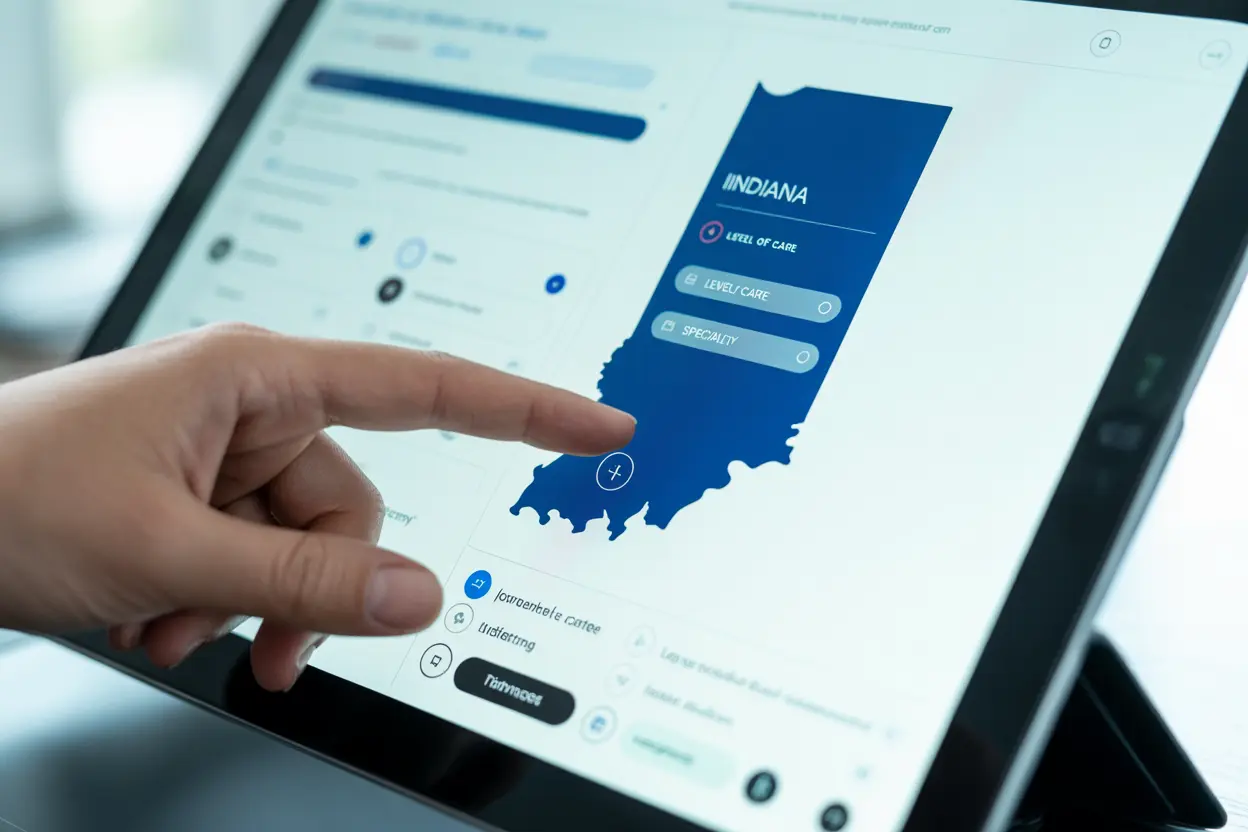
Finding the right rehab center in Indiana can feel like a huge task, but you can simplify the process by knowing what to look for. The goal is to find a place that feels right for you and is equipped to meet your specific needs. Look for facilities that are certified by the Indiana Division of Mental Health and Addiction (DMHA), as this ensures they meet state standards for quality care[4][5]. You can use official resources like the Indiana DMHA Treatment Finder to locate certified providers near you.
Here are a few key factors to consider:
- Accreditation: Look for accreditations from organizations like CARF or The Joint Commission, which signal high standards of care.
- Evidence-Based Therapies: Ask if the center uses proven methods like cognitive behavioral therapy (CBT) for stimulant addiction.
- Staff Credentials: Ensure the clinical staff are licensed and have experience treating prescription stimulant addiction.
- Specialized Programs: If you have a dual diagnosis or other specific needs, find a center that offers specialized tracks.
Questions about cost and duration are also very common. Rehab programs typically last 30, 60, or 90 days, but the right length depends on your progress. The cost varies based on whether it's an inpatient or outpatient program and the amenities offered. Many facilities accept private insurance, and our directory makes it easy to filter treatment centers by the insurance they accept, their location, and the level of care they provide.
Take the First Step Toward Recovery in Indiana
It takes incredible courage to acknowledge that you need help, and it’s the most important step you can take toward reclaiming your life. Remember, methylphenidate addiction is a treatable condition, not a life sentence. Here in Indiana, a community of compassionate professionals is ready to support you with proven, evidence-based care. From medically supervised detox to inpatient and outpatient programs, there is a path to recovery designed to fit your life.
You don't have to navigate this journey alone. The progress across our state in expanding access to treatment is real, and more Hoosiers are finding the help they need every day[6]. Whether you're ready to explore your options, verify your insurance, or just talk to someone who understands, help is only a phone call away. Taking that first step is the beginning of a brighter, healthier future.
Realizing that you need support is a sign of strength. The journey away from methylphenidate dependence is possible, and it starts with the decision to seek help. At Indiana Rehabs, we are here to connect you with the resources and treatment centers across the state that can guide you through every step of recovery. You can start by exploring our confidential contact options or by calling us for immediate assistance. A compassionate voice is waiting to listen without judgment. Reach out to us today at (888) 568-9930 to begin your journey back to yourself.
Frequently Asked Questions About Methylphenidate Rehab in Indiana
How long does rehab for Ritalin addiction last?
Can I keep my job while in rehab?
Will my insurance cover methylphenidate addiction treatment?
What kind of therapy is used for stimulant addiction?
My child was prescribed Ritalin for ADHD, should I be worried about addiction?
- Substance Abuse and Mental Health Services Administration. (2023). Results from the 2021 national survey on drug use and health. U.S. Department of Health and Human Services. samhsa.gov
- Centers for Disease Control and Prevention. (2025). Drug overdose deaths involving stimulants. Morbidity and Mortality Weekly Report. cdc.gov
- Levin, F. R., Mariani, J. J., & Nunes, E. V. (2007). Treatment strategies for co-occurring adhd and substance use disorders. Psychiatry (Edgmont). pmc.ncbi.nlm.nih.gov
- Indiana Family and Social Services Administration. (2020). About DMHA. State of Indiana. in.gov
- U.S. Department of Health and Human Services, Office of the Assistant Secretary for Planning and Evaluation. (2021). Indiana | State residential treatment for behavioral health. ASPE. aspe.hhs.gov
- Indiana Family and Social Services Administration. (November, 2024). Progress report November 2024. State of Indiana. in.gov