Stimulants Rehabs

Showing 20 of 27 Results (filtered)
Featured Rehab Centers

Addiction Rehab Centers - ARC at Fox Hill | Drug & Alcohol Rehab - Mooresville Indiana
Mooresville, Indiana
12168 N Mann Rd, Mooresville, IN 46158
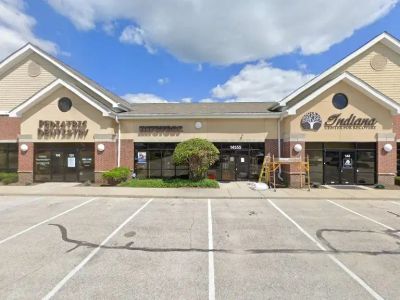

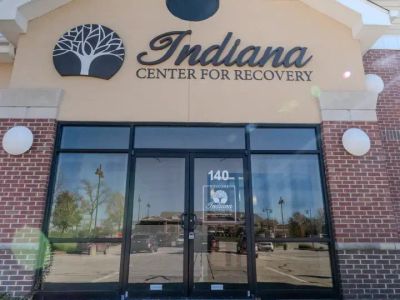
Indiana Center For Recovery - Alcohol & Drug Rehab Center Carmel
Carmel, Indiana
14555 Hazel Dell Pkwy #140, Carmel, IN 46033
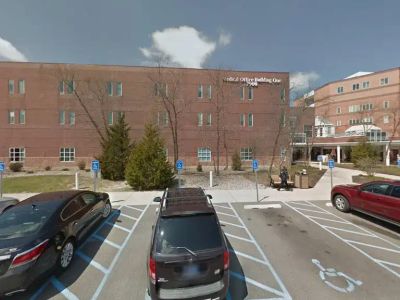
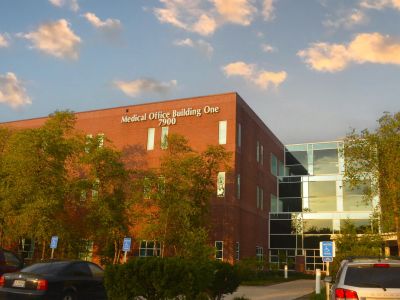
Indiana Center for Recovery - Alcohol & Drug Rehab Center Fort Wayne
Fort Wayne, Indiana
7900 W Jefferson Blvd, Fort Wayne, IN 46804
Get Personalized Rehab Matches in 60 Seconds
Tell us a few details and we’ll show a personalized shortlist of verified Indiana rehabs, making it simple to compare options and choose your next step with confidence.
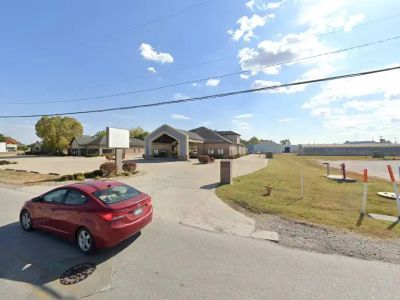
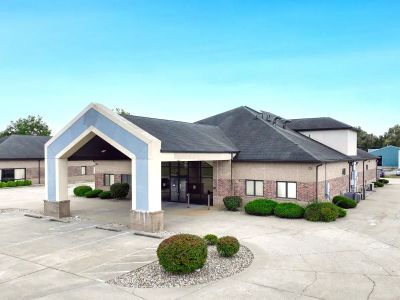
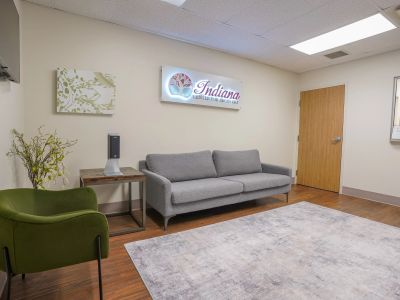
Indiana Center For Recovery- Alcohol & Drug Rehab Terre Haute
Terre Haute, Indiana
135 E Hospital Ln, Terre Haute, IN 47802


Indiana Treatment Centers
Columbus, Indiana
1888 Poshard Dr, Columbus, IN 47203
Boca Recovery Center - Fort Wayne, Indiana
Fort Wayne, Indiana
111 W Berry St #211, Fort Wayne, IN 46802
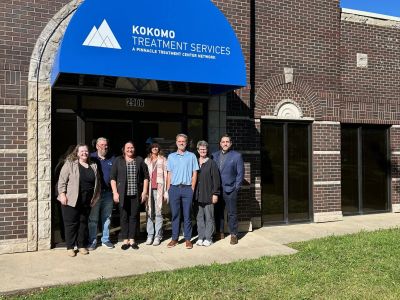
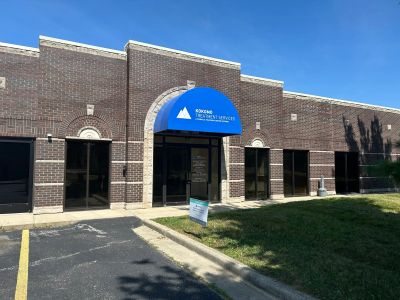
Pinnacle Treatment Centers - Kokomo
Kokomo, Indiana
2906 S. Reed Rd. Kokomo, IN 46902



See Purpose Addiction Treatment Center Indiana
Bloomfield, Indiana
3237 IN-157, Bloomfield, IN 47424
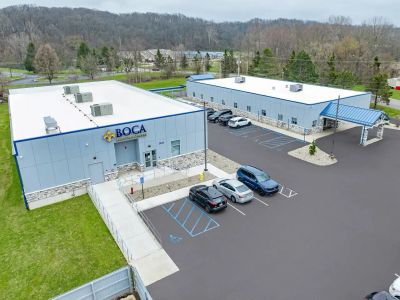

Boca Recovery Center - Indiana Drug and Alcohol Rehab
Huntington, Indiana
3040 W Park Dr, Huntington, IN 46750
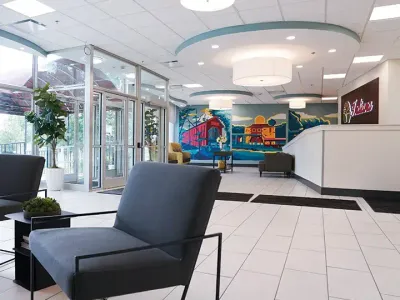
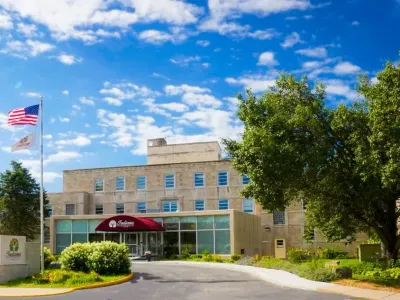
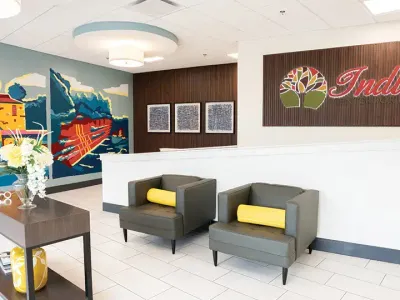
Indiana Center for Recovery - Alcohol & Drug Rehab Center Bedford
Bedford, Indiana
1600 23rd St, Bedford, IN 47421
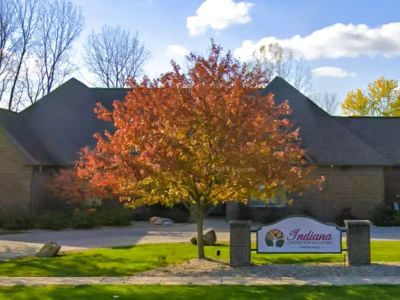

Indiana Center for Recovery - Alcohol & Drug Rehab Center Indianapolis
Indianapolis, Indiana
5510 S Emerson Ave, Indianapolis, IN 46237
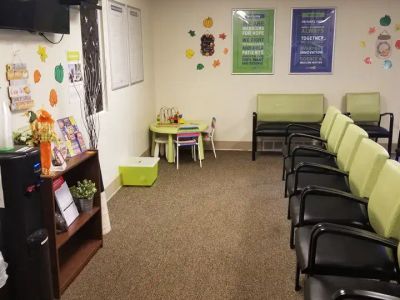
CleanSlate Outpatient Addiction Medicine Merrillville
Merrillville, Indiana
8601 Connecticut St, Merrillville, IN 46410


Indiana Center for Recovery
Bloomington, Indiana
1004 West 1st Street, Bloomington, IN, 47403
CleanSlate Outpatient Addiction Medicine
Muncie, Indiana
124 E Main St, Muncie, IN 47305
Indiana Center For Recovery - Alcohol & Drug Rehab Lafayette
Lafayette, Indiana
2529 Schuyler Ave #700, Lafayette, IN 47905


215 W 4th St, Mishawaka, IN 46544



Addiction Rehab Centers - ARC
Indianapolis, Indiana
7322 Noel Road, Indianapolis, IN, 46278
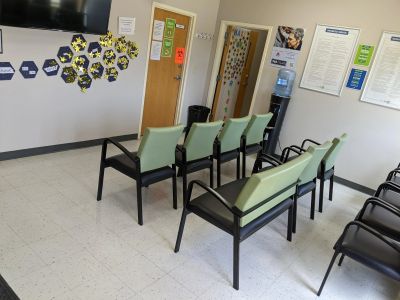
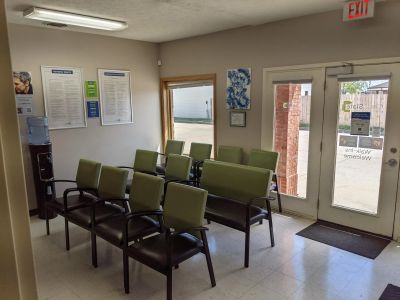
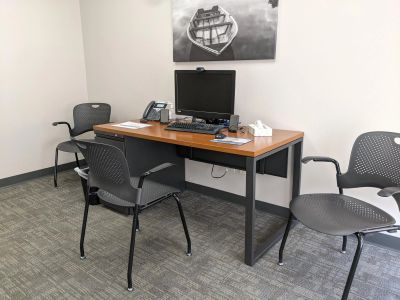
CleanSlate Outpatient Addiction Medicine
Lafayette, Indiana
30 Professional Ct #2A, Lafayette, IN 47905



Recovery Centers of America at Indianapolis
Indianapolis, Indiana
8530 Township Line Rd, Indianapolis, IN 46260


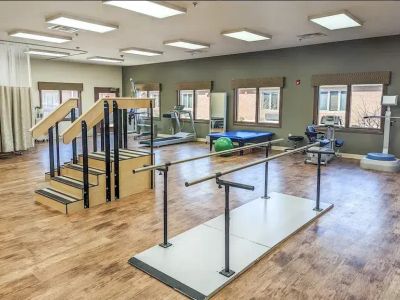
Bethel Pointe Health and Rehabilitation Center
Muncie, Indiana
3400 W Community Dr, Muncie, IN 47304
Why Trust Indiana Rehabs
As Hoosiers helping Hoosiers, we understand the unique challenges our communities face. Our team meticulously verifies every Indiana treatment center, ensuring you find trusted, local care that truly understands your journey.
About our listingsLevels of Care
Explore popular treatment options by levels of care, from flexible treatment in Outpatient centers to intensive care in Residential rehabs.
Free · 24/7 · Confidential
Talk to a Treatment Specialist
Call now to get matched with Indiana facilities that accept your insurance.
(888) 568-9930
Free
Ins. check
4.9★
Rating
HIPAA
Protected
Can't travel to a facility?
Licensed Indiana therapists via secure video — same-week appointments, evenings & weekends available.
Trying to keep up in a world that never seems to slow down can feel like running on a treadmill set just a bit too fast, so it’s easy to understand why turning to stimulants might seem like the only way to keep pace. What starts as a little boost can slowly take on a life of its own, shifting from something that helps you get through the day to something you can’t imagine facing the day without. If you’ve found yourself caught in that cycle, it’s important to know you’re not alone, and there’s both understanding and real, caring support waiting for you here in Indiana.
Understanding Stimulant Addiction
When we talk about stimulants, we’re referring to a class of drugs that speed up the messages between the brain and the body. They can make you feel more awake, alert, and energetic. This happens because they increase the activity of certain brain chemicals, like dopamine, which is tied to pleasure and reward. Over time, the brain starts to rely on these drugs to feel good, or even just to feel normal. This is the foundation of addiction, a medical condition that changes brain chemistry, not a reflection of your character.
In Indiana, many people are facing challenges with stimulant use, involving both prescription medications and illicit substances[1]. Rehab can help you address the full spectrum of stimulant addiction, including:
- Prescription Stimulants: These are often prescribed for conditions like ADHD but can be misused. Common examples include Adderall, Ritalin, and Vyvanse. While they can be therapeutic when used as directed, they carry a high potential for dependence.
- Illicit Stimulants: This category includes powerful illegal drugs like cocaine and methamphetamine (meth). These substances produce a fast, intense high and are highly addictive.
It’s important to understand the difference between use, abuse, and addiction. Using a prescribed stimulant as directed is not addiction. Abuse might involve taking more than prescribed or using the drug for non-medical reasons. Addiction, or stimulant use disorder, is when that use becomes compulsive and continues despite negative consequences[2]. If you’re concerned about your use of drugs like Adderall or other stimulants, help is available.

Signs and Symptoms of a Stimulant Addiction
Recognizing an addiction in yourself or a loved one can be difficult. The signs aren't always obvious, and they can easily be mistaken for stress or just having a rough time. If you’re wondering whether it’s time to seek help, looking at the signs and symptoms can bring some clarity. Think of this as a way to check in with yourself, without judgment.
According to clinical guidelines, several signs point toward a stimulant use disorder[3]. These symptoms often fall into a few key areas:
- Physical Signs: These are changes you might notice in your body. They can include unexplained weight loss, dilated pupils, trouble sleeping, and a constantly rapid heart rate. You might also feel jittery or physically worn out all the time.
- Psychological Signs: Stimulant abuse takes a heavy toll on your mental and emotional health. You might experience intense mood swings, increased anxiety, or feelings of paranoia. Many people in Indiana struggling with stimulant use also face co-occurring conditions like depression[4].
- Behavioral Signs: These are shifts in your actions and priorities. You might find yourself pulling away from friends and family, losing interest in hobbies, or struggling to keep up with work or school. Other signs include financial problems from buying drugs, "doctor shopping" for new prescriptions, or hiding your drug use from others.
If these signs feel familiar, it doesn't mean you've failed. It simply means it might be time to talk to someone who understands. A professional assessment can help you figure out what's going on and what the next best step is for you.
Stimulant Addiction Treatment Levels of Care
When it comes to stimulant addiction treatment, there’s no one-size-fits-all solution. Your journey to recovery is unique, and the right support will meet you where you are. In Indiana, treatment centers follow a continuum of care, which means you can move between different levels of support as your needs change. This approach, often guided by standards like the ASAM criteria, ensures you get the right intensity of care at the right time[5]. Throughout this process, therapies like contingency management, which reinforces positive behaviors, have proven to be highly effective[6].
Exploring the different levels of addiction care can help you understand what to expect.
Stimulant Medical Detox
The first step for many is medical detox. This isn’t about willpower; it’s about safety. When you stop using stimulants, your body goes through withdrawal, which can bring on intense cravings, deep fatigue, and severe depression[3]. In a medical detox setting, you’re monitored by professionals who can help manage these withdrawal symptoms and keep you comfortable. It’s a safe space to get stable before you begin the deeper work of therapy and recovery.
Inpatient Stimulant Rehab
Inpatient rehab, also known as residential care, offers a structured, 24/7 environment where you can focus entirely on your recovery without outside distractions. This level of care is ideal if you're dealing with a severe addiction or don't have a stable, supportive home environment. Programs at an inpatient treatment center typically last from 30 to 90 days and include a combination of individual therapy, group counseling, and other supportive activities.
Outpatient Stimulant Rehab
For those who have a strong support system at home and need to continue with work or school, outpatient rehab provides a more flexible path. Outpatient programs allow you to live at home while attending scheduled therapy sessions throughout the week. There are different levels of intensity, from partial hospitalization programs (PHP) that meet most of the day to intensive outpatient programs (IOP) that require fewer hours. These treatment options are designed to fit recovery into your life.

Choosing A Stimulant Rehab Center
Finding the right stimulant rehab center in Indiana can feel overwhelming, but you don’t have to do it alone. Focusing on a few key factors can help you narrow down your options and find a facility that feels right for you and your recovery goals.
Here are some things to consider when you’re looking at different programs:
- Licensing and Accreditation: Make sure the facility is licensed by the state of Indiana[7]. Accreditations from organizations like CARF or The Joint Commission are also a sign of high-quality care.
- Evidence-Based Therapies: Ask if they offer therapies proven to be effective for stimulant addiction, such as cognitive behavioral therapy (CBT) or contingency management.
- Co-Occurring Disorder Treatment: If you're also dealing with mental health conditions like anxiety or depression, it’s crucial to find a treatment center that can address both issues at the same time.
- Qualified Staff: Look for programs with credentialed medical and clinical staff, including doctors, nurses, and licensed therapists who specialize in addiction.
- Aftercare Planning: Recovery doesn’t end when you leave the facility. A good program will help you create a solid plan for continued support through aftercare programs or local resources.
Navigating insurance and payment can also be a major concern. Many facilities in Indiana accept a range of private insurance plans as well as public options. For those who qualify, understanding your Indiana Medicaid SUD treatment coverage is an important step. Don't hesitate to call a potential treatment center’s admissions team to ask questions and verify your insurance coverage.
What to do next
Taking that first step toward recovery is often the hardest part, but it’s also the most powerful. It starts with a simple acknowledgment that you need help, and from there, the path forward becomes clearer. You don’t have to have all the answers right now. Just focus on what you can do today.
Start by talking to someone you trust, whether it’s a close friend, a family member, or a healthcare professional. Sharing what you’re going through can lift a heavy weight. From there, you can begin to explore your treatment options without any pressure. For families, the key is to offer support without enabling the behavior. Encourage your loved one to seek professional help and remember to take care of your own well-being, too.
Recovery is a journey, not a destination. It’s about progress, not perfection. Reaching out for help is a sign of incredible strength, and it’s the first step toward reclaiming your life.
You have the strength to start this journey, and you don’t have to do it alone. If you’re ready to talk about your options or just need someone to listen, our team at Indiana Rehabs is here to help. Call us anytime at (888) 568-9930 for a confidential conversation. You can also contact us online to find the caring support you deserve. The first step is yours to take, and we’ll be here to walk the rest of the way with you.
Frequently Asked Questions About Stimulant Rehab in Indiana
How much does stimulant rehab cost in Indiana?
How long does stimulant rehab last?
Can I keep my job while attending a stimulant rehab program?
What types of therapy are used in stimulant rehab?
What happens after stimulant rehab is over?
- Indiana Family and Social Services Administration. (2024). Drug Fact Sheet: Substance Use in Indiana, SFY 2024. IN.gov. in.gov
- Substance Abuse and Mental Health Services Administration. (07-28-2025). SAMHSA Releases Annual National Survey on Drug Use and Health. SAMHSA. samhsa.gov
- (2021). The ASAM/AAAP clinical practice guideline on the management of stimulant use disorder. National Center for Biotechnology Information. pmc.ncbi.nlm.nih.gov
- Indiana Family and Social Services Administration. (2022). Indiana 2022 SEOW Report. IN.gov. in.gov
- U.S. Centers for Medicare & Medicaid Services. (10-19-2023). Healthy Indiana Plan SUD CMS Approved Summative Evaluation Report. Medicaid.gov. medicaid.gov
- KFF. (01-09-2025). Section 1115 Waiver Watch: A Look at the Use of contingency management to Address Stimulant Use Disorder. KFF. kff.org
- Indiana Family and Social Services Administration. (07-14-2020). DMHA: Certification and Licensure Rules and Indiana Code. IN.gov. in.gov