
Massage Room Amenities in Indiana



Showing 5 of 5 Results (filtered)
Featured Rehab Centers
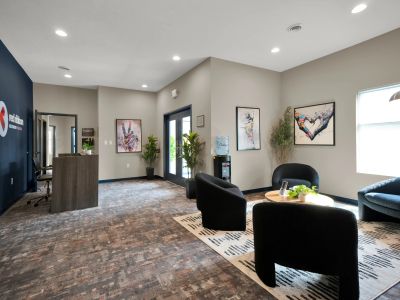
1411 W County Line Rd, Suite 1411A, Greenwood, IN 46142
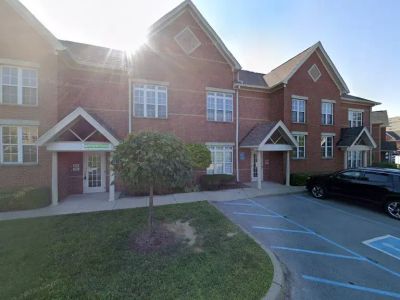
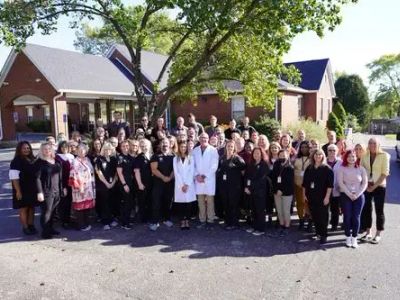
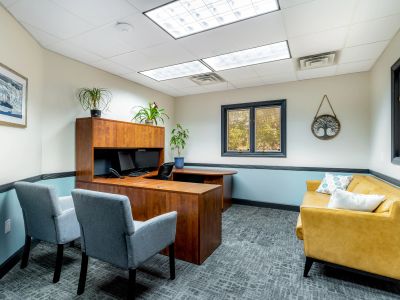
Indiana Center for Recovery - Alcohol & Drug Rehab Center Jeffersonville
Jeffersonville, Indiana
601 N Shore Dr Suite 102-103, Jeffersonville, IN 47130
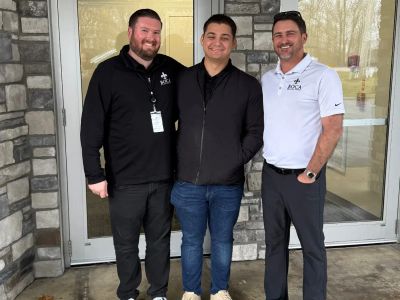
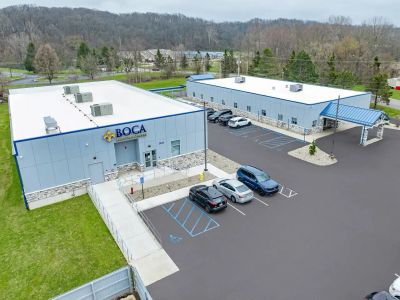

Boca Recovery Center - Indiana Drug and Alcohol Rehab
Huntington, Indiana
3040 W Park Dr, Huntington, IN 46750
Get Personalized Rehab Matches in 60 Seconds
Tell us a few details and we’ll show a personalized shortlist of verified Indiana rehabs, making it simple to compare options and choose your next step with confidence.

Addiction Rehab Centers - ARC
Indianapolis, Indiana
7322 Noel Road, Indianapolis, IN, 46278
Pinnacle Treatment Centers - 581 E. Main Street
Hagerstown, Indiana
581 E. Main Street Hagerstown, IN 47346
Why Trust Indiana Rehabs
As Hoosiers helping Hoosiers, we understand the unique challenges our communities face. Our team meticulously verifies every Indiana treatment center, ensuring you find trusted, local care that truly understands your journey.
About our listingsLevels of Care
Explore popular treatment options by levels of care, from flexible treatment in Outpatient centers to intensive care in Residential rehabs.
Free · 24/7 · Confidential
Talk to a Treatment Specialist
Call now to get matched with Indiana facilities that accept your insurance.
(888) 568-9930
Free
Ins. check
4.9★
Rating
HIPAA
Protected
Can't travel to a facility?
Licensed Indiana therapists via secure video — same-week appointments, evenings & weekends available.
What if, in the middle of all the challenges and effort recovery brings, you found a place where healing felt like a deep sigh of relief, a space where calm washes over you and your body finally lets go? Imagine warm hands and gentle touch easing knots of tension while your mind softens into an unexpected peace. Real, lasting recovery isn’t just about hard work; it can also include moments of comfort and reconnection. Here in Indiana, massage therapy is becoming a meaningful part of holistic rehab, bringing rest and restoration within reach as part of your journey forward.
Benefits of a Spa at Rehab
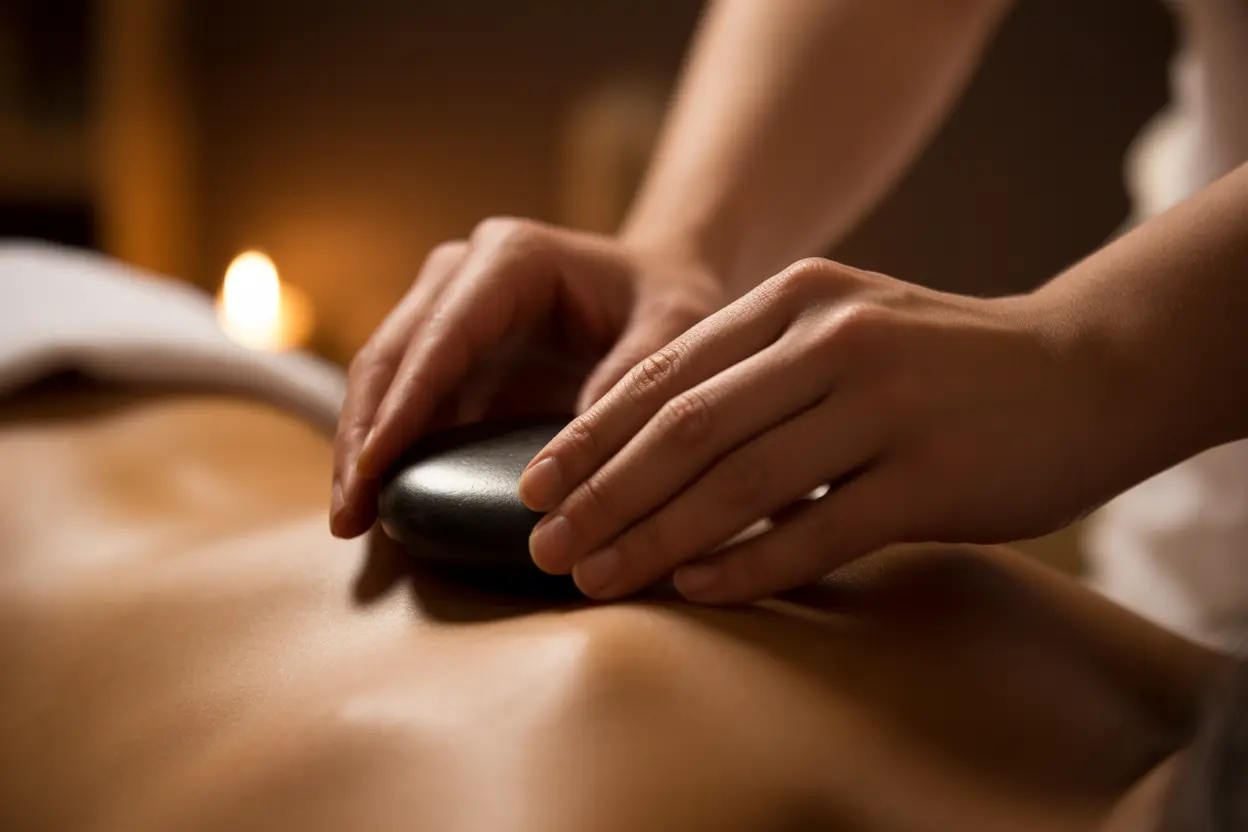
While a spa or massage room is a supportive amenity, not a substitute for clinical therapies, the benefits it offers can make a real difference in your recovery process. Think of it as a tool that helps your body and mind heal together. Physically, massage can ease muscle tension and the aches that often come with withdrawal. It helps improve circulation and can lead to much-needed restful sleep, giving your body the deep rest it needs to repair.
The psychological benefits are just as powerful. Massage is known to lower cortisol, the hormone that drives stress, while helping your brain release more dopamine and serotonin, the chemicals that contribute to feelings of well-being and happiness. For many, it provides a safe, non-verbal way to process feelings and reconnect with a body that may feel disconnected due to trauma or long-term substance use[1]. It's a quiet space for healing, managing chronic pain, and simply letting go[2]. This is a core part of many holistic treatment programs that focus on healing the whole person.
Nearby Treatment Centers
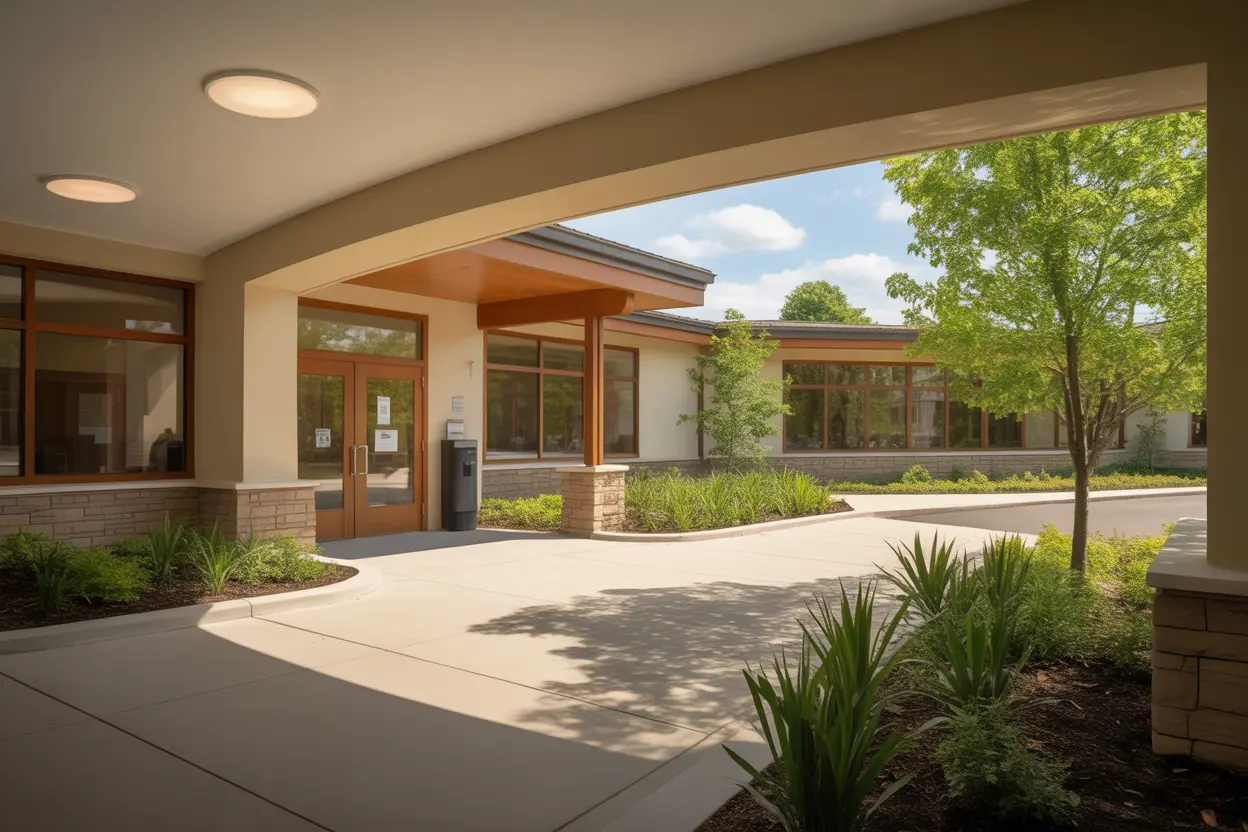
Finding the right facility that aligns with your needs is the most important step. As a directory, Indiana Rehabs doesn't provide treatment directly, but we are here to help you connect with local, licensed rehabs that do. You can use our listings to find Indiana treatment centers that offer amenities like a massage room to support your recovery. Below, we'll walk through some key factors to consider as you explore your options for care.
Levels of Care
massage therapy may be available at different stages of the treatment process. The level of care you need will determine how and when you might have access to these amenities.
- Medical Detox: This is the first step, where your body safely clears itself of substances under medical supervision. While the focus is on stability, some facilities may offer gentle massage to help ease withdrawal symptoms.
- Inpatient/Residential: In this level of care, you live at the facility, which provides a structured and immersive therapeutic environment. Access to amenities like massage is often more integrated into the weekly schedule.
- Partial Hospitalization Programs (PHP): A step down from residential care, PHP involves several hours of therapy on most days of the week while you live at home or in sober living. Massage may be offered as part of the holistic services available.
Insurance & Coverage
It's completely normal to have questions about the cost of treatment. While your insurance plan will likely cover core clinical services like therapy and medical care, amenities like massage may be treated differently. Most insurance plans, including Indiana Medicaid and Medicare, typically do not cover services considered complementary or alternative[3]. However, some private PPO plans might offer partial coverage. The best approach is to verify your benefits directly with your insurance provider and the admissions team at the treatment facility. Many rehabs also offer self-pay options for these services.
Accreditations
When you're choosing a treatment center, you want to be sure you're in a safe, high-quality environment. Accreditations are a key indicator of quality patient care and safety. Look for credentials from independent organizations like The Joint Commission or CARF International. These accreditations mean the facility has met rigorous standards for its programs, staff, and operations. It’s a sign that the center is committed to providing evidence-based, ethical, and effective care that meets state licensing requirements[4].
Recreational Therapy
Massage is often one component of a larger recreational or experiential therapy program designed to promote overall well-being. These therapies help you develop healthy coping skills and rediscover joy without substances. Alongside massage, you might find other activities that support a holistic recovery, such as yoga, meditation, art therapy, or equine therapy. These programs are designed to help you reconnect with yourself, manage stress, and build a fulfilling life in recovery.
What to Expect
If you've never had a professional massage before, it's understandable to feel a bit unsure about what to expect, especially in a rehab setting. Sessions take place in a private, quiet massage room designed to feel calm and relaxing. Your comfort and safety are the top priorities. The sessions are always conducted by a professional, licensed massage therapist. In Indiana, therapists must complete at least 625 hours of education to become licensed, so you can be confident you are in skilled hands[5]. Strong ethical codes are in place to ensure your privacy, consent, and professional boundaries are respected at all times[6]. Depending on the facility and your needs, different types of massage therapy may be offered, such as Swedish, deep tissue, or hot stone massage.
Connect with a Massage Therapy Addiction Treatment Center
Choosing to seek help for addiction is a courageous first step, and finding the right environment is key to a lasting recovery. Amenities like a massage room can provide comfort and promote healing, but they are most effective when they are part of a comprehensive, evidence-based treatment program. As you explore different treatment centers, consider all your needs, from the clinical care and therapies offered to the environment and financial options. The goal is to find a place where you feel safe, supported, and ready to build a healthier future.
You don’t have to figure this out on your own. If you’re ready to take the next step, our team at Indiana Rehabs is here to help you find a treatment center that feels right for you. You can call us anytime at (888) 568-9930 or contact us through our site to explore your options. Your path to recovery is unique, and it deserves care that honors your whole journey.
Frequently Asked Questions About Massage Therapy for Addiction Treatment in Indiana
Is massage therapy a replacement for traditional addiction treatment?
How does massage help with withdrawal symptoms?
Is massage therapy only available in inpatient rehab?
What kind of training do massage therapists in Indiana rehabs have?
What should I do if my insurance doesn’t cover massage therapy?
What other holistic therapies might be available?
- Doods, J. F. et al. (03-01-2021). Massage for combat injuries in a veteran with undisclosed posttraumatic stress disorder. International Journal of Therapeutic Massage & bodywork. ncbi.nlm.nih.gov
- Indiana State University. Department of Applied Medicine and Rehabilitation. Indiana State University. indianastate.edu
- Indiana Health Coverage Programs. (06-16-2021). Substance Use Disorder (SUD)/Serious Mental Illness (SMI) Treatment. Indiana Family and Social Services Administration. in.gov
- Division of Mental Health and Addiction. (07-14-2020). Certification and licensure rules and Indiana Code. Indiana Family and Social Services Administration. in.gov
- Associated bodywork & Massage Professionals. (07-12-2022). Indiana massage therapy licensing update. Associated bodywork & Massage Professionals. abmp.com
- Indiana Administrative Code. (11-20-2015). 847 IAC 1-2-5 - Boundaries; ethical conduct; sexual misconduct. Cornell Law School Legal Information Institute. law.cornell.edu