
Music Room Amenities in Indiana


Showing 11 of 11 Results (filtered)
Featured Rehab Centers
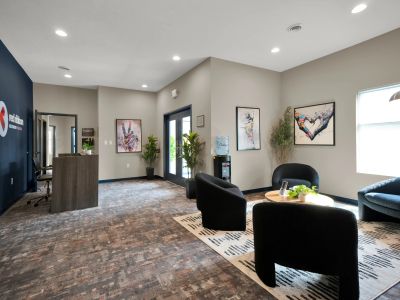
1411 W County Line Rd, Suite 1411A, Greenwood, IN 46142
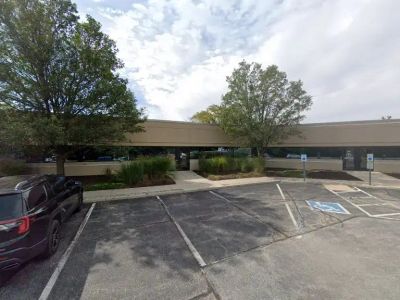
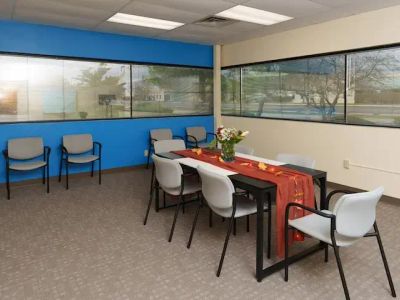
Addiction Rehab Centers - ARC At Bayside | Indianapolis Drug & Alcohol Rehab
Indianapolis, Indiana
5929 Lakeside Blvd, Indianapolis, IN 46278
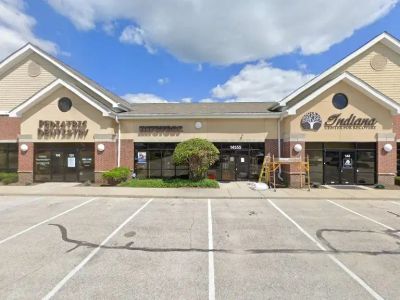
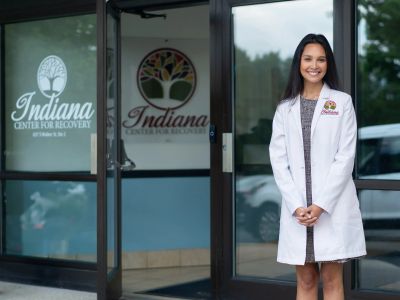
Indiana Center For Recovery - Alcohol & Drug Rehab Center Carmel
Carmel, Indiana
14555 Hazel Dell Pkwy #140, Carmel, IN 46033
Get Personalized Rehab Matches in 60 Seconds
Tell us a few details and we’ll show a personalized shortlist of verified Indiana rehabs, making it simple to compare options and choose your next step with confidence.
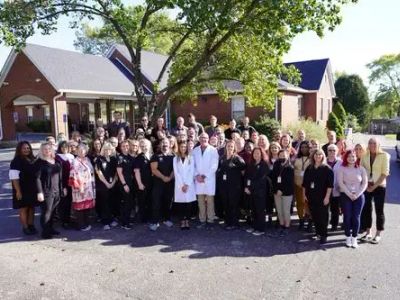
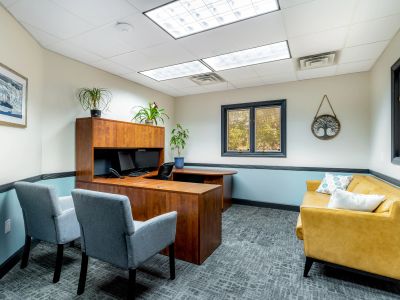
Indiana Center for Recovery - Alcohol & Drug Rehab Center Jeffersonville
Jeffersonville, Indiana
601 N Shore Dr Suite 102-103, Jeffersonville, IN 47130
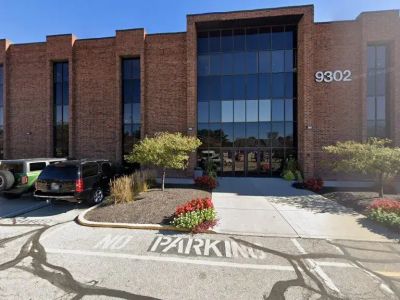
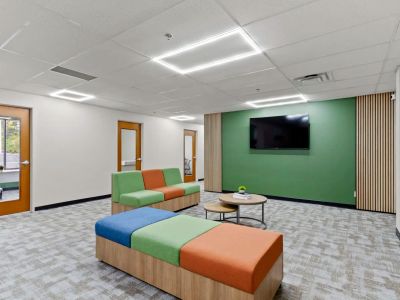
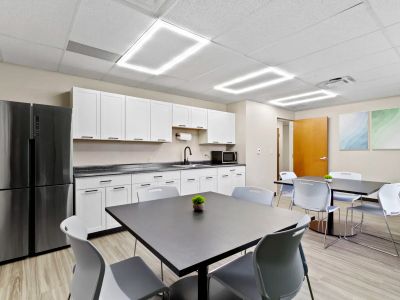
Spark Recovery - Outpatient Drug Addiction Treatment Indianapolis
Indianapolis, Indiana
9302 N Meridian St Ste 101, Indianapolis, IN 46260
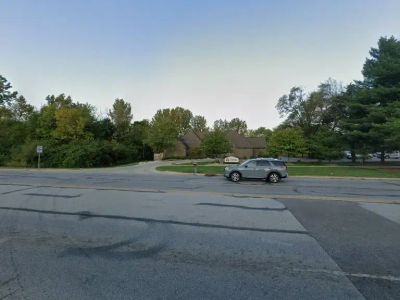
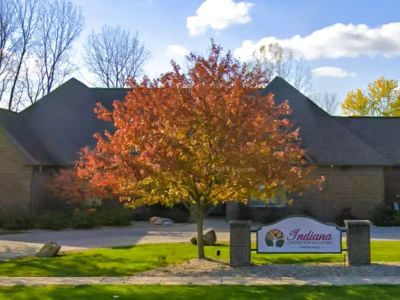
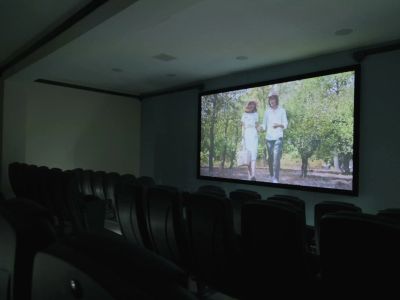
Indiana Center for Recovery - Alcohol & Drug Rehab Center Indianapolis
Indianapolis, Indiana
5510 S Emerson Ave, Indianapolis, IN 46237
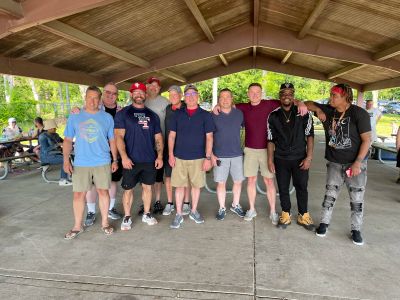
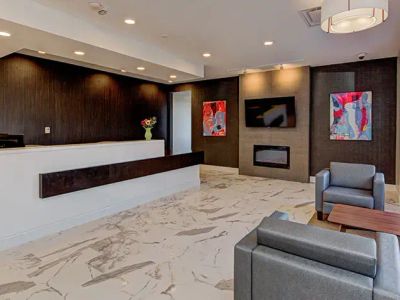
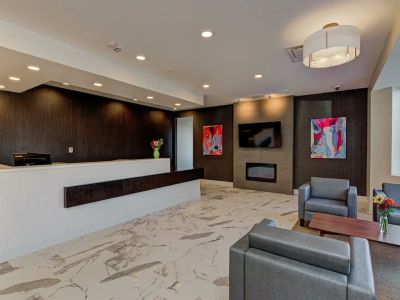
Addiction Rehab Centers - ARC
Indianapolis, Indiana
7322 Noel Road, Indianapolis, IN, 46278
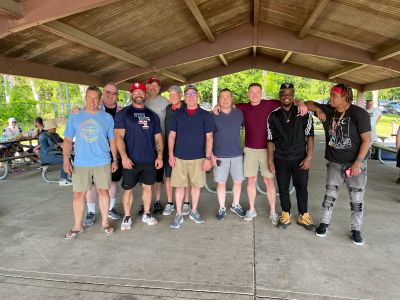
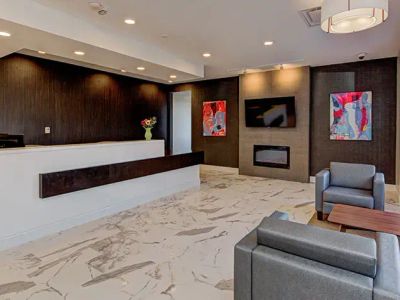
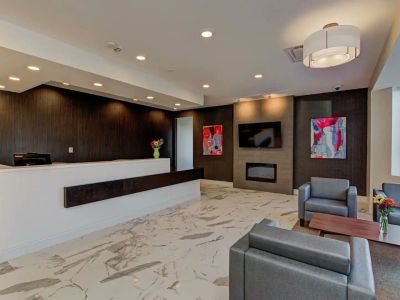
Recovery Centers of America at Indianapolis
Indianapolis, Indiana
8530 Township Line Rd, Indianapolis, IN 46260
Strive Recovery Drug & Alcohol Rehab Fort Wayne
Fort Wayne, Indiana
3320 E State Blvd, Fort Wayne, IN 46805
Pinnacle Treatment Centers - 2209 John R Wooden Drive
Martinsville, Indiana
2209 John R Wooden Drive, 3rd Floor Martinsville, IN 46151
Pinnacle Treatment Centers - 581 E. Main Street
Hagerstown, Indiana
581 E. Main Street Hagerstown, IN 47346
Why Trust Indiana Rehabs
As Hoosiers helping Hoosiers, we understand the unique challenges our communities face. Our team meticulously verifies every Indiana treatment center, ensuring you find trusted, local care that truly understands your journey.
About our listingsLevels of Care
Explore popular treatment options by levels of care, from flexible treatment in Outpatient centers to intensive care in Residential rehabs.
Free · 24/7 · Confidential
Talk to a Treatment Specialist
Call now to get matched with Indiana facilities that accept your insurance.
(888) 568-9930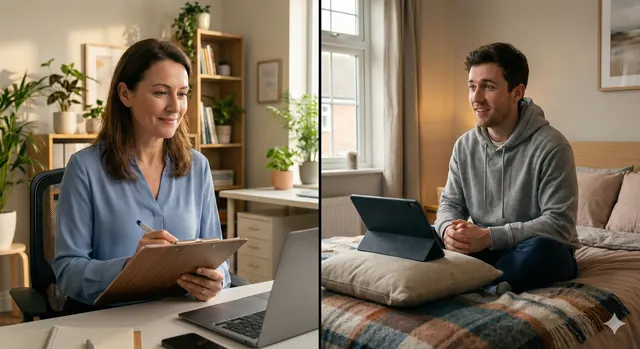
Free
Ins. check
4.9★
Rating
HIPAA
Protected
Can't travel to a facility?
Licensed Indiana therapists via secure video — same-week appointments, evenings & weekends available.
What if your path to recovery had its own soundtrack, a place where pain and hope could flow not just in conversation, but through melodies and beats that help you breathe a little easier? Imagine sitting in a quiet room, the gentle weight of a guitar in your hands or the low pulse of a drum under your fingertips, turning tangled feelings into something you can finally let out. Music rooms in rehab aren’t just extra features; they’re safe spaces where healing can happen when words aren’t enough, and it’s entirely possible to find the right Indiana program with this powerful support built in.
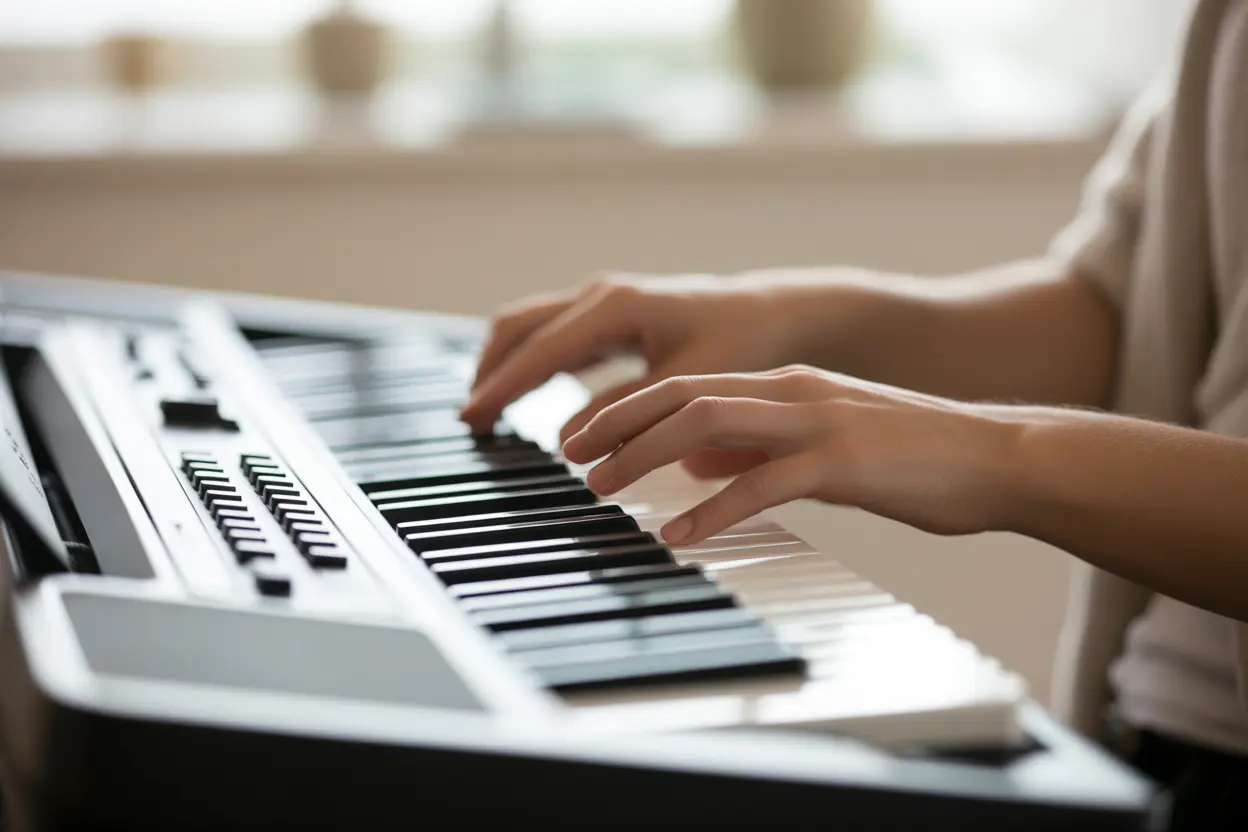
WHY MUSIC IN REHAB?
When you're navigating the challenges of addiction recovery, finding healthy ways to express yourself is crucial. That's where music comes in. A music room in a rehab facility offers more than just a pleasant distraction; it provides a powerful therapeutic tool for healing. Engaging with music serves as a healthy outlet for emotions that are often too complex or painful to put into words. It’s a way to channel frustration, celebrate small wins, and connect with feelings you might not have realized were there.
The benefits of integrating music into addiction treatment are significant. For many, it acts as a form of stress relief, lowering anxiety and creating a sense of calm. Research shows that music therapy can reduce substance cravings and increase your motivation to stick with treatment[1]. It's not just about passively listening to songs, although that can certainly lift your mood. The real magic often happens through active participation, like learning to play an instrument, writing lyrics, or joining a group jam session. These activities help build new, positive neural pathways and foster a sense of community and shared purpose among peers on the same recovery journey. As part of a comprehensive treatment plan, music therapy becomes an essential piece of the healing process[2].
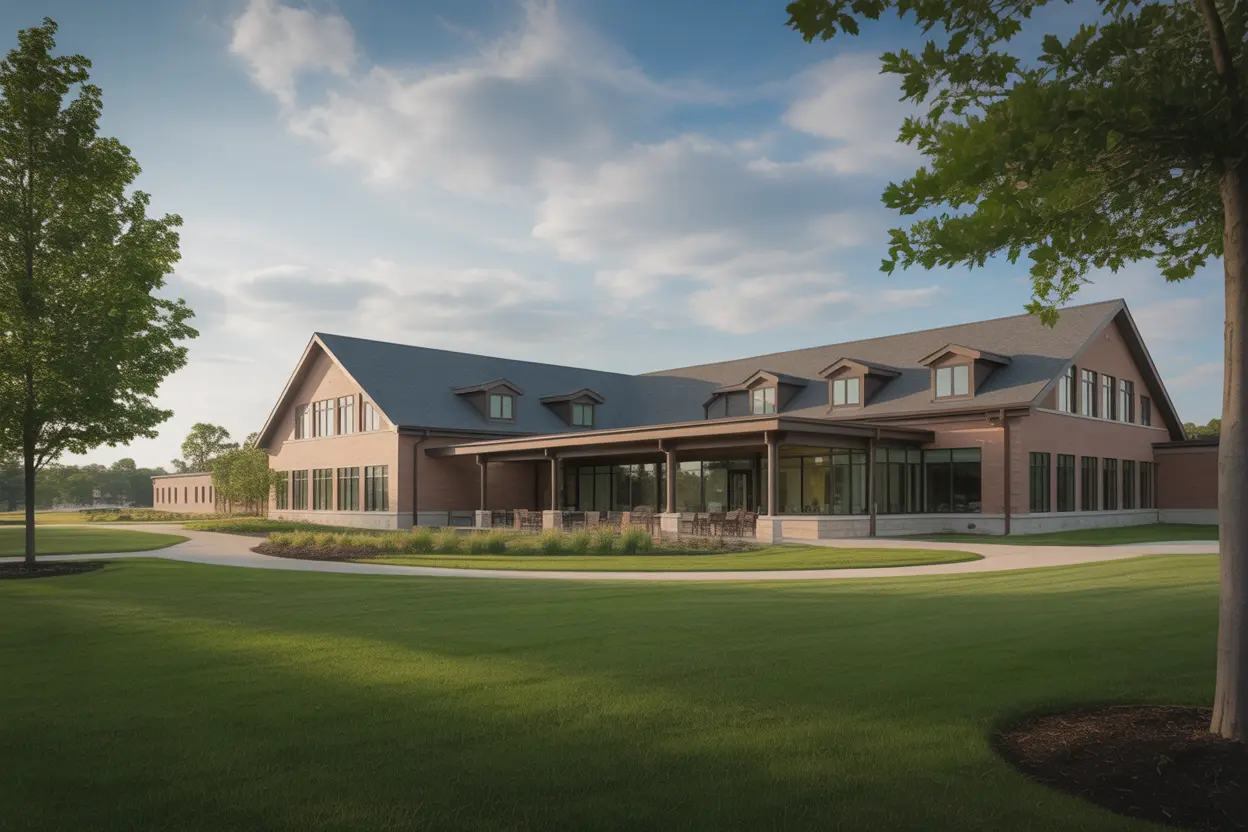
Indiana Treatment Centers
Finding the right treatment center in Indiana that aligns with your personal needs is a critical step in your recovery. Below is a directory of rehabs that offer music rooms or integrate music into their therapy programs. Each summary provides key information to help you compare your options, including location, accreditation, and insurance details. You can explore a full list of rehab facilities across Indiana for more options.
Indiana Center for Recovery
Located in Bloomington, the Indiana Center for Recovery provides a robust treatment environment with a focus on holistic therapies. Their facilities often include dedicated spaces for creative expression, such as music rooms equipped with various instruments. They are accredited by The Joint Commission and accept a wide range of private insurance plans, ensuring high-quality, accessible care for those seeking addiction recovery.
Recovery Centers of America at Indianapolis
Recovery Centers of America (RCA) in Indianapolis integrates a variety of amenities into their treatment programs to support whole-person healing. Their modern facility includes spaces for therapeutic and recreational activities, which can include music. RCA is accredited by The Joint Commission and works with many major insurance providers to make their comprehensive addiction treatment accessible. Their approach often combines evidence-based therapies with activities that promote wellness and self-discovery.
Avenues Recovery Center at Fort Wayne
Avenues Recovery Center at Fort Wayne offers a community-based approach to addiction rehab, providing a supportive environment where clients can heal. Their programs often include recreational activities designed to build camaraderie and healthy coping skills, which may involve access to musical instruments. They provide various levels of care and accept Medicaid and private insurance plans, making treatment available to many in the Fort Wayne area.
Tara Treatment Center
Situated in Franklin, Indiana, Tara Treatment Center takes a holistic approach to recovery, addressing the mind, body, and spirit. Their programs incorporate experiential therapies that can include creative arts like music to help individuals process emotions and connect with their inner selves. Tara serves adults and is in-network with many insurance providers, focusing on creating personalized treatment plans that support long-term recovery.
Hickory House Recovery
Hickory House Recovery, located near Indianapolis, offers a serene environment designed to promote healing and focus on patient care. Their amenities often include opportunities for recreational and therapeutic activities that contribute to a well-rounded treatment experience. They are accredited by The Joint Commission and accept insurance from major providers, ensuring a high standard of care for individuals working through addiction.

Levels of Care
Addiction treatment isn't a one-size-fits-all process. Depending on your needs, you’ll journey through different levels of care, and a music room can be a source of comfort and growth at every stage. In Indiana, over 37,000 people were enrolled in substance use treatment in a single year, highlighting the need for a range of program types[3]. Understanding these options helps you find the right starting point.
- Medical Detox: This is the first step, where your body safely clears itself of substances under medical supervision. Music can be a calming presence here, used passively to ease anxiety and discomfort during withdrawal.
- Residential Treatment: In this immersive program, you live at the facility. A music room becomes a valuable space for structured therapy sessions and a healthy recreational outlet during your free time.
- Partial Hospitalization Programs (PHP): PHP offers intensive treatment during the day while you live at home or in sober living. You might participate in music therapy groups or use the music room to practice new coping skills.
- Intensive Outpatient Programs (IOP): IOP provides more flexibility with fewer hours of treatment per week. Here, a music room can be a place to de-stress after a long day and connect with peers in a positive, creative way.
For many, addiction co-occurs with mental health disorders like anxiety or depression. music therapy is especially effective in dual diagnosis treatment, as it provides a non-verbal way to process complex emotions and manage symptoms, supporting overall well-being[4].
Find The Right Treatment Program
Choosing a treatment program is a deeply personal decision, but you don't have to make it alone. Empowering yourself with the right information is the best next step on your recovery journey. As you explore your options, focus on finding a place that feels right for you and will support your unique path to healing.
Here are a few simple steps to guide you:
- Review the facilities: Look through the list of centers and see which ones resonate with you. Think about location, the types of programs they offer, and their overall approach to patient care.
- Prepare your questions: When you call the admissions team, don't be afraid to ask specific questions. You might ask, "Is your music room for formal therapy sessions, or can patients use it freely?" or "How is music integrated into your overall treatment philosophy?"
- Verify your insurance: Understanding your coverage can relieve a lot of stress. Most facilities can help you with the insurance verification process to determine what your plan covers.
Finally, always look for proper accreditations, like those from The Joint Commission. This seal of approval means the facility meets high standards for safety and quality of care, which are set to ensure a safe environment for your recovery. It's a key indicator that you'll be in good hands.
Finding the right support system is the most important step you can take. Your recovery journey is unique, and it deserves a soundtrack of hope, healing, and strength. When you’re ready to talk, our compassionate team is here to listen without judgment and help you find a program that fits your needs. You can call us anytime at (888) 568-9930. At Indiana Rehabs, we’re committed to helping you find your way forward. If you have any questions or need guidance, please don't hesitate to reach out to us.
Frequently Asked Questions About Rehabs with Music Amenities in Indiana
Do I need to be a musician to benefit from music therapy?
What happens in a music therapy session?
Can I use a music room at any time?
How much does music therapy in Indiana cost?
- Aalbers, S., et al. (2022). music therapy for people with substance use disorders. Cochrane Database of Systematic Reviews. pmc.ncbi.nlm.nih.gov
- (2021). music therapy & addiction treatment. American music therapy Association. musictherapy.org
- (2019). Behavioral health barometer: Indiana, Volume 6. Substance Abuse and Mental Health Services Administration. samhsa.gov
- (06-16-2021). Substance use disorder (SUD)/serious mental illness (SMI) treatment. Indiana Health Coverage Programs. in.gov