
Music Therapy Therapy in Indiana


Showing 19 of 19 Results (filtered)
Featured Rehab Centers
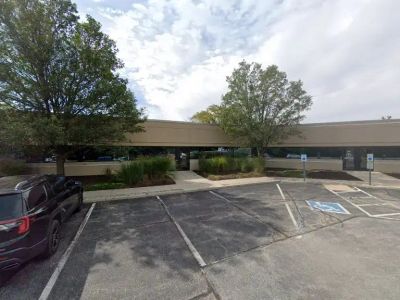
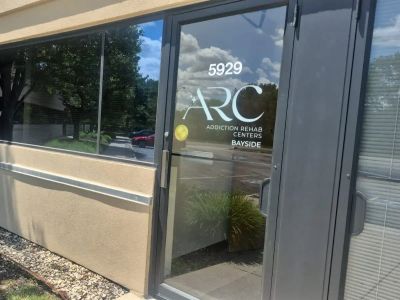

Addiction Rehab Centers - ARC At Bayside | Indianapolis Drug & Alcohol Rehab
Indianapolis, Indiana
5929 Lakeside Blvd, Indianapolis, IN 46278
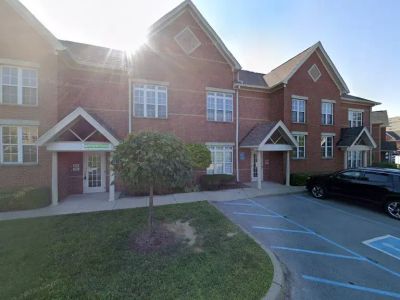
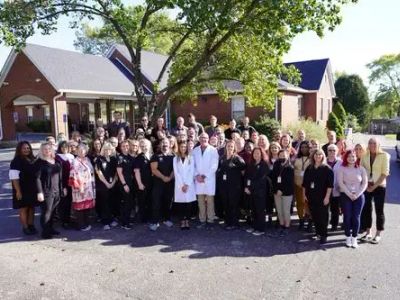
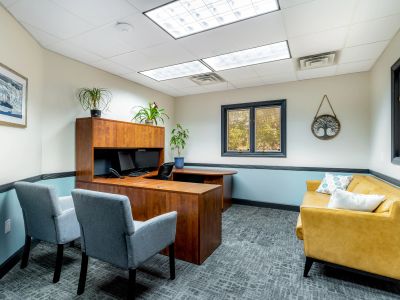
Indiana Center for Recovery - Alcohol & Drug Rehab Center Jeffersonville
Jeffersonville, Indiana
601 N Shore Dr Suite 102-103, Jeffersonville, IN 47130
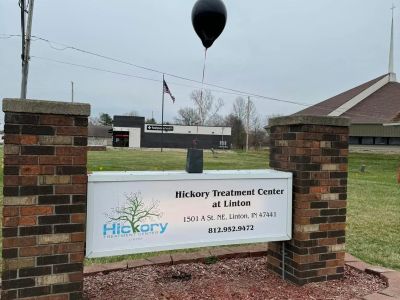
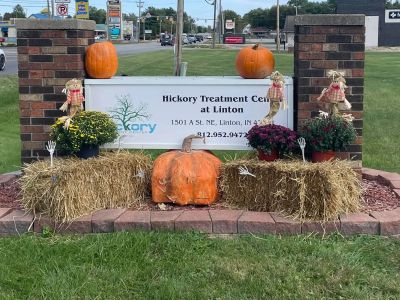
1501 A St NE, Linton, IN 47441
Get Personalized Rehab Matches in 60 Seconds
Tell us a few details and we’ll show a personalized shortlist of verified Indiana rehabs, making it simple to compare options and choose your next step with confidence.
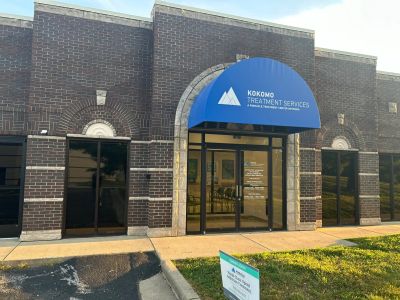
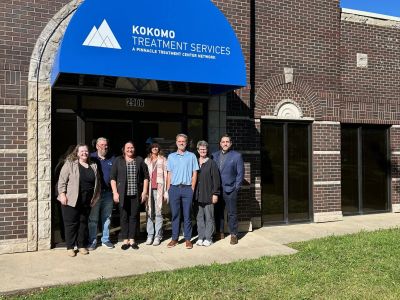
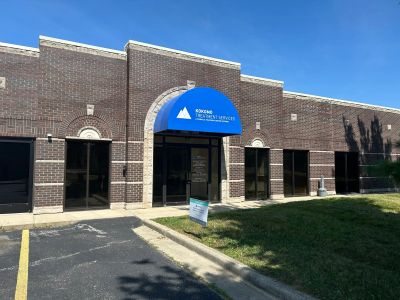
Pinnacle Treatment Centers - Kokomo
Kokomo, Indiana
2906 S. Reed Rd. Kokomo, IN 46902
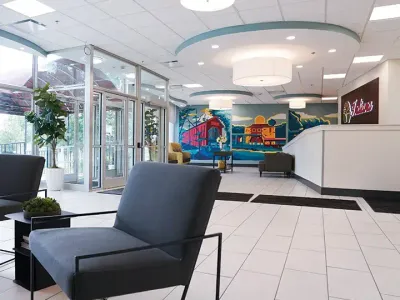
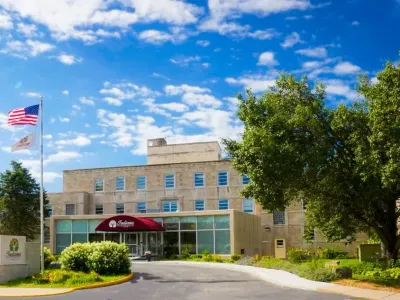
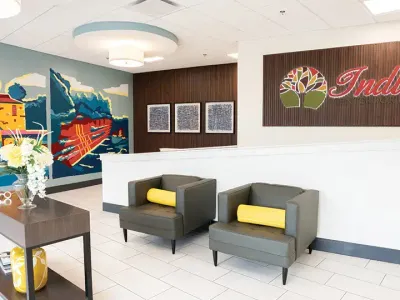
Indiana Center for Recovery - Alcohol & Drug Rehab Center Bedford
Bedford, Indiana
1600 23rd St, Bedford, IN 47421

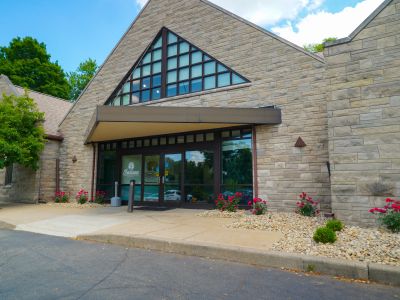

Indiana Center for Recovery
Bloomington, Indiana
1004 West 1st Street, Bloomington, IN, 47403
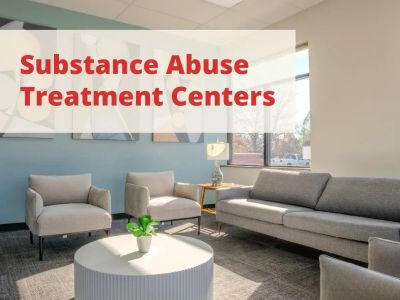
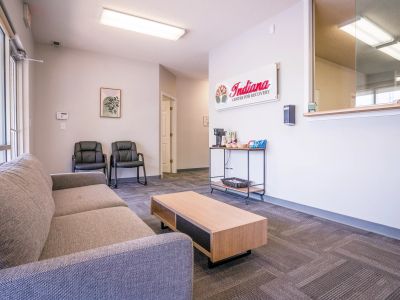
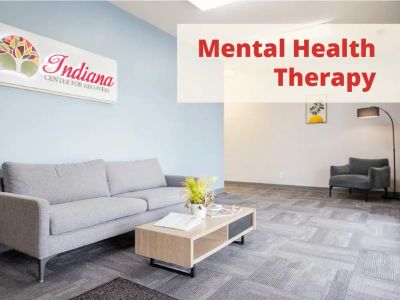
Indiana Center For Recovery - Alcohol & Drug Rehab Lafayette
Lafayette, Indiana
2529 Schuyler Ave #700, Lafayette, IN 47905
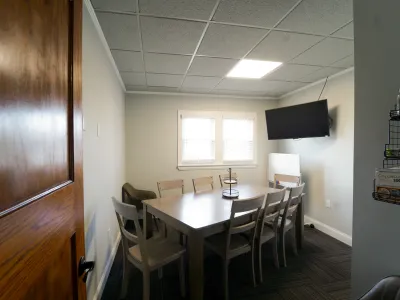
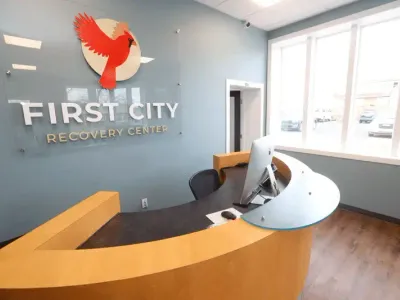
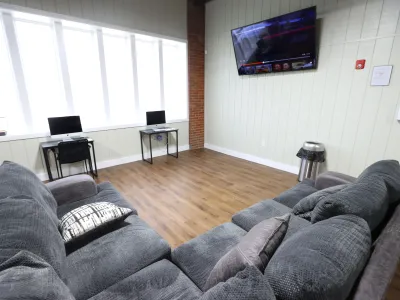
First City Recovery Center
Kokomo, Indiana
317 W Jefferson St, Kokomo, IN, 46901
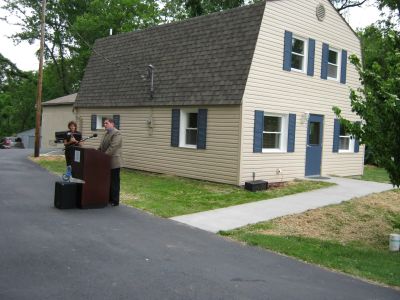
Personal Counseling Services
Clarksville, Indiana
1205 Applegate Ln, Clarksville, IN 47129
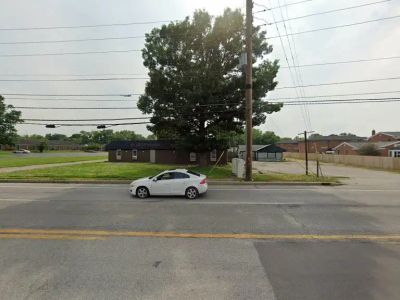
Truth Treatment Center
Indianapolis, Indiana
7112 Madison Ave, Indianapolis, IN 46227
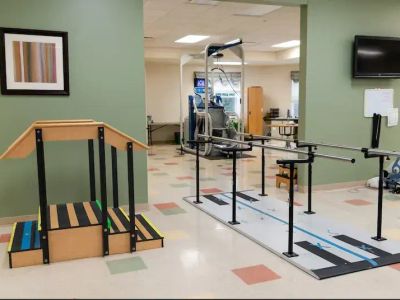

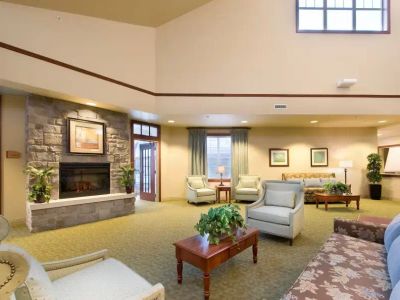
Addison Pointe Health & Rehabilitation Center
Chesterton, Indiana
780 Dickinson Rd, Chesterton, IN 46304
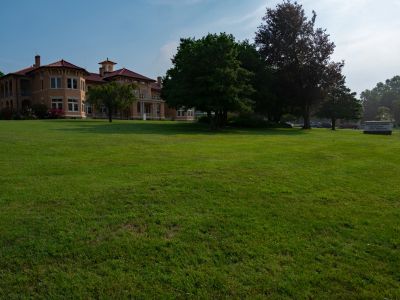
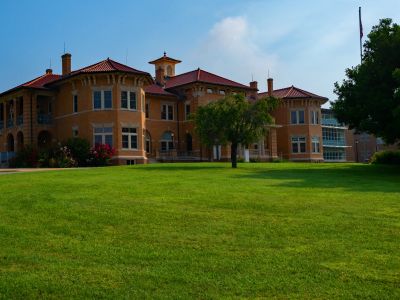

Madison State Hospital
Madison, Indiana
711 Green Road, Madison, IN, 47250

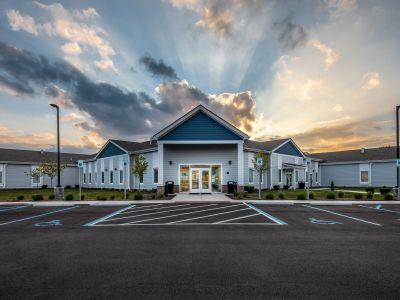

Recovery Works Martinsville
Martinsville, Indiana
504 Grand Valley Blvd, Martinsville, IN 46151
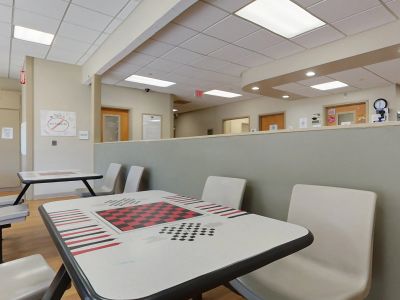

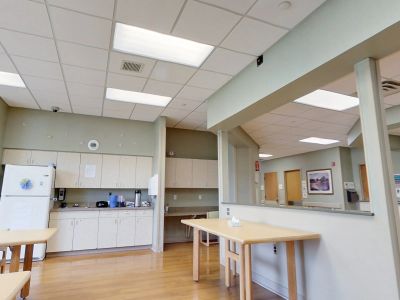
Wellstone Regional Hospital
Jeffersonville, Indiana
2700 Vissing Park Road, Jeffersonville, IN 47130

Midwest Center for Youth and Families - South Shore Academy
Valparaiso, Indiana
2301 Cumberland Drive, Valparaiso, IN 46383
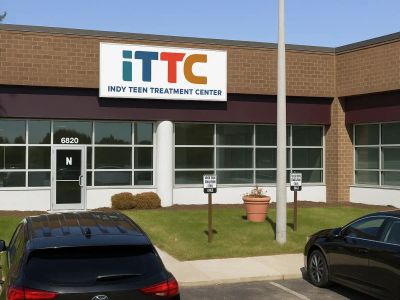
Indy Teen Treatment Center: Addiction and Mental Health Services
Indianapolis, Indiana
6620 Parkdale Pl ste n, Indianapolis, IN 46254
Pinnacle Treatment Centers - 2209 John R Wooden Drive
Martinsville, Indiana
2209 John R Wooden Drive, 3rd Floor Martinsville, IN 46151
Pinnacle Treatment Centers - 8955 Broadway
Merrillville, Indiana
8955 Broadway Merrillville, IN 46410
Southwestern Behavioral Healthcare - Faren E. Levell Center
Evansville, Indiana
410 Mulberry St. Evansville, IN 47713
Why Trust Indiana Rehabs
As Hoosiers helping Hoosiers, we understand the unique challenges our communities face. Our team meticulously verifies every Indiana treatment center, ensuring you find trusted, local care that truly understands your journey.
About our listingsLevels of Care
Explore popular treatment options by levels of care, from flexible treatment in Outpatient centers to intensive care in Residential rehabs.
Free · 24/7 · Confidential
Talk to a Treatment Specialist
Call now to get matched with Indiana facilities that accept your insurance.
(888) 568-9930
Free
Ins. check
4.9★
Rating
HIPAA
Protected
Can't travel to a facility?
Licensed Indiana therapists via secure video — same-week appointments, evenings & weekends available.
You know that feeling when a certain song comes on, the rush of happiness, or maybe a wave of calm washing over you, or a memory snapping into focus like it just happened yesterday? Music has a way of touching the parts of us that words can’t always reach. Now, imagine that same power in the hands of a skilled therapist, using rhythm and melody as tools for healing and change. music therapy is much more than just listening; it’s a deeply structured approach that can become a vital part of your journey toward recovery and well-being.

What is music therapy?
At its core, music therapy is the clinical and evidence-based use of music-based interventions to accomplish individualized goals within a therapeutic relationship.[1] That’s the official definition from the American music therapy Association (AMTA), and it highlights what makes this approach so special. It isn’t just about putting on a relaxing playlist; it’s a structured form of treatment delivered by a board-certified therapist who understands how to use music to help you reach specific health and wellness goals.
So, what’s the real difference between music therapy and just enjoying music on your own? The key is the relationship with the therapist. A qualified professional guides the sessions, creating a safe space to explore emotions and build skills. They tailor every activity to your unique needs, whether you’re working through trauma, managing anxiety, or navigating recovery from substance use. In addiction treatment, for example, music therapy has been shown to help reduce cravings and improve your motivation for treatment.[2] It's often a key component of holistic treatment programs that focus on healing the whole person, not just the symptoms.
How Does Music Therapy Work?
Music has a remarkable ability to tap directly into our brain’s wiring. When you engage with music, you’re not just using the auditory parts of your brain; you’re activating a whole network of regions responsible for emotion, memory, movement, and even decision-making. Think of it as a full-brain workout. This is why a song from your past can instantly bring back a flood of memories or why a certain beat makes you want to move.
On a chemical level, music-based interventions can actually change your brain chemistry for the better. Listening to or creating music can boost the production of dopamine, the neurotransmitter associated with pleasure and reward. At the same time, it can lower levels of cortisol, the hormone that floods your system when you feel stress and anxiety.[3] This neurochemical shift helps create a state of calm and focus, making it easier to engage in the therapeutic process. But it’s not magic, it’s a goal-oriented process where the therapist uses music as a tool to build a strong therapeutic relationship, helping you work toward the goals in your treatment plan.
Types of music therapy
music therapy isn't a one-size-fits-all approach. A therapist will use various techniques depending on your needs and goals. These methods generally fall into two main categories: active, where you participate in creating music, and receptive, where you focus on listening and responding to music. Both are powerful ways to explore your inner world and develop new skills during your sessions.
Active Music Therapy
In active music therapy, you are the one making the music. This hands-on approach is fantastic for expressing emotions that are hard to put into words, building self-confidence, and connecting with others. You don't need any musical talent to participate. It’s all about the process, not the performance.
- Instrumental Improvisation: You might be invited to play an instrument like a drum, keyboard, or guitar to express how you’re feeling in the moment. It’s a powerful way to release tension and communicate without words.
- Singing: This can involve singing familiar songs that hold meaning for you or even learning new ones. Singing can improve breathing, reduce stress, and evoke strong emotional connections.
- Songwriting: You may work with your therapist to write your own lyrics and melodies. This technique helps you process experiences, tell your story, and turn difficult feelings into something creative and meaningful.
Receptive Music Therapy
Receptive music therapy focuses on the experience of listening. The therapist carefully selects music (either live or recorded) to guide you toward relaxation, reflection, or emotional exploration. This approach is often used to reduce stress and help you gain new perspectives.
- Lyric Analysis: You and your therapist will listen to a song and then discuss the meaning of its lyrics. This can help you identify with the emotions in the song, see your own situation in a new light, and find words for your experiences.
- Music-Assisted Relaxation: This technique uses calming music to help lower anxiety and manage stress. Paired with guided imagery or deep breathing exercises, music-assisted relaxation can be an effective tool for managing pain and improving your overall quality of life.
What are the potential benefits of music therapy?
Because music can reach us on so many levels, emotional, cognitive, physical, and social, its therapeutic benefits are incredibly wide-ranging. When guided by a skilled therapist, these music-based interventions can lead to significant improvements in well-being and quality of life. The evidence shows that it can be a powerful tool for healing and growth.

- Mental and Emotional Health: music therapy has been shown to reduce symptoms of anxiety and depression, help process trauma, and provide a healthy outlet for expressing complex emotions. It can improve your mood and decrease feelings of isolation.
- Cognitive Function: Engaging with music can stimulate memory and improve attention and executive function. For individuals with dementia or brain injuries, it can help maintain cognitive skills and spark meaningful moments of connection.
- Physical Rehabilitation: The rhythmic structure of music can help improve motor skills, coordination, and gait for those recovering from a stroke or living with conditions like Parkinson's disease. It's also effective in managing chronic pain.[3]
- Social Skills: Group music therapy sessions encourage communication, cooperation, and social connection. It’s a great way to build interpersonal skills and practice interacting with others in a supportive setting.
What are the risks of music therapy?
While music therapy is generally very safe, it’s important to acknowledge that music can sometimes trigger powerful and unexpected emotions. A particular song or melody might bring up difficult memories or feelings, especially for someone who has experienced trauma. This is precisely why the "therapy" part of music therapy is so crucial.
Working with a credentialed, board-certified music therapist (MT-BC) is the best way to ensure your safety. These professionals are trained to create a secure environment and help you navigate any challenging emotions that may arise during a session.[4] They know how to guide you through these moments therapeutically, turning a potentially difficult experience into an opportunity for healing and growth.
Who Can Benefit from Music Therapy?
One of the most wonderful things about music therapy is its versatility. It can be adapted to help people of all ages, from young children to older adults, dealing with a wide variety of challenges. It is a powerful tool for anyone seeking a creative path toward better health and well-being.
And let’s clear up a common misconception: you do not need to have any musical talent or background to benefit from music therapy. The goal is not to become a musician but to use music as a tool for self-expression, connection, and healing. Your therapist is there to guide you, creating an experience that is accessible and effective regardless of your skill level.
music therapy can be particularly helpful for individuals dealing with:
- Substance Use Disorders: In Indiana, where thousands are navigating the path to recovery, music therapy offers a way to manage cravings, reduce stress, and build coping skills for a life free from addiction.[2][5]
- Mental Health Conditions: It can significantly reduce symptoms of anxiety, depression, PTSD, and other mood disorders.
- Developmental and Learning Disabilities: For children and adults with autism spectrum disorder, it can help improve communication and social skills.
- Neurological Conditions: It is used to help people with Parkinson’s disease, Alzheimer’s disease, dementia, and traumatic brain injuries to improve motor function and cognitive abilities.
- Chronic Pain and Illness: music therapy can help manage pain, reduce stress associated with medical procedures, and improve overall quality of life for people with chronic conditions.
How to Find Accredited Providers
When you're ready to explore music therapy, finding a qualified and credentialed provider is the most important step. The key credential to look for is "MT-BC," which stands for Music Therapist-Board Certified. This designation means the therapist has completed an approved music therapy program, finished a supervised clinical internship, and passed a rigorous national exam administered by the Certification Board for Music Therapists (CBMT).[6]
The MT-BC is your assurance that the therapist adheres to high standards of professional practice and ethics. National organizations like the American music therapy Association (AMTA) are excellent resources for learning more about the profession. Here in Indiana, professionals are supported by groups like the Association for Indiana music therapy (AIMT), which promotes education and high standards of practice across the state.[7]
Many addiction treatment centers and mental health programs in Indiana are now incorporating music therapy into their services. When you’re looking at different treatment centers, don’t hesitate to ask if they have a board-certified music therapist on staff. You can start your search now by browsing our directory of Indiana rehabs offering music therapy.
Taking the Next Step in Your Healing Journey
music therapy is a credible, evidence-based treatment that uses the power of music in a structured, therapeutic way to help you achieve your health goals. It’s an incredibly accessible form of therapy that doesn’t require you to be a musician, just open to a new way of healing. Whether you’re looking to manage stress, process difficult emotions, or find a new tool for your recovery journey, music therapy offers a creative and effective path forward.
Taking this next step is an act of self-care and a positive move toward a healthier, more fulfilling life. You have the strength to start this journey, and you don’t have to do it alone.
Exploring your options is a brave first step, and we're here to help you find the right path. music therapy can be a powerful part of your recovery, offering a unique way to heal and grow. If you're ready to learn more or find a treatment center in Indiana, you can browse our resources or give us a call. Reach out to our team at (888) 568-9930 for a confidential conversation, or contact us online. At Indiana Rehabs, we’re committed to connecting you with the care you deserve.
Frequently Asked Questions About Music Therapy
What are some key historical milestones in the development of music therapy as a formal healthcare profession in the United States?
How is music therapy adapted for different age groups, such as children with developmental disabilities versus older adults with dementia?
What are the typical goals of music therapy for individuals in substance use disorder treatment programs?
What key questions should a person ask a rehab facility to verify the credentials of their music therapist (e.g., '''Is your therapist an MT-BC?''')?
How can a person best prepare for their first music therapy session to maximize its benefits?
What are the typical first steps someone should take if they are interested in exploring music therapy for themselves or a loved one?
- (2025). What you need to be a music therapist. American music therapy Association. musictherapy.org
- Meghani, N., et al. (2022). music therapy for people with substance use disorders. Cochrane Database of Systematic Reviews. pmc.ncbi.nlm.nih.gov
- Heiderscheit, A., et al. (2023). Effectiveness of music therapy within community hospitals. Frontiers in Psychology. pmc.ncbi.nlm.nih.gov
- (2024). State Licensure Information. Certification Board for Music Therapists. cbmt.org
- Substance Abuse and Mental Health Services Administration. (2019). Behavioral Health Barometer: Indiana, Volume 6. Substance Abuse and Mental Health Services Administration. samhsa.gov
- (2025). Certification Board for Music Therapists. Certification Board for Music Therapists. cbmt.org
- (2018). Education & Training. The Association for Indiana music therapy. indianamusictherapists.com