
Rehabs with Cell Phones Allowed

Showing 8 of 8 Results (filtered)
Featured Rehab Centers

1411 W County Line Rd, Suite 1411A, Greenwood, IN 46142



Better Roads Recovery Ministry
Hammond, Indiana
519 State St #1533, Hammond, IN 46320



Boca Recovery Center - Indiana Drug and Alcohol Rehab
Huntington, Indiana
3040 W Park Dr, Huntington, IN 46750
Get Personalized Rehab Matches in 60 Seconds
Tell us a few details and we’ll show a personalized shortlist of verified Indiana rehabs, making it simple to compare options and choose your next step with confidence.



Addiction Rehab Centers - ARC
Indianapolis, Indiana
7322 Noel Road, Indianapolis, IN, 46278
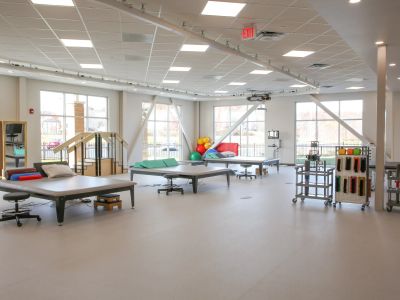
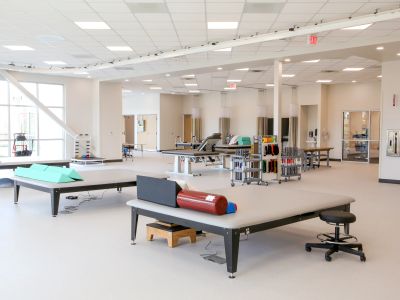

Bloomington Regional Rehabilitation Hospital
Bloomington, Indiana
3050 N Lintel Dr, Bloomington, IN 47404

House of New Beginnings Inc
Corydon, Indiana
545 Floyd St, Corydon, IN 47112

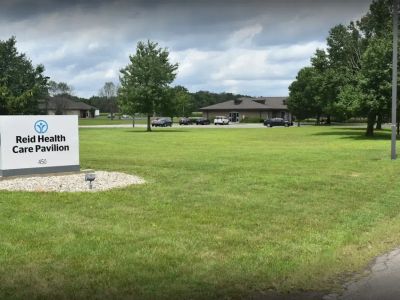
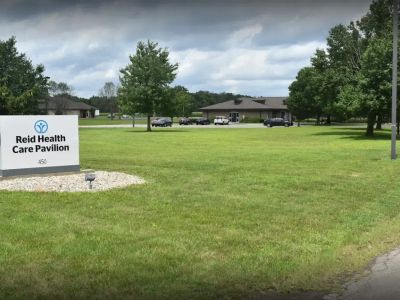
Fayette Memorial Hospital - Regional Care Pavillion
Connersville, Indiana
450 Erie Avenue, Connersville, IN 47331
Pinnacle Treatment Centers - 581 E. Main Street
Hagerstown, Indiana
581 E. Main Street Hagerstown, IN 47346
Why Trust Indiana Rehabs
As Hoosiers helping Hoosiers, we understand the unique challenges our communities face. Our team meticulously verifies every Indiana treatment center, ensuring you find trusted, local care that truly understands your journey.
About our listingsLevels of Care
Explore popular treatment options by levels of care, from flexible treatment in Outpatient centers to intensive care in Residential rehabs.
Free · 24/7 · Confidential
Talk to a Treatment Specialist
Call now to get matched with Indiana facilities that accept your insurance.
(888) 568-9930
Free
Ins. check
4.9★
Rating
HIPAA
Protected
Can't travel to a facility?
Licensed Indiana therapists via secure video — same-week appointments, evenings & weekends available.
The thought of stepping away from daily life to focus on recovery can be overwhelming, especially when you worry about losing touch with your kids, your partner, or the responsibilities that can’t just pause. It’s a real fear, feeling like you have to choose between getting help and staying present for the people and commitments that matter most. You’re not alone in this worry, and you don’t have to sacrifice connection for healing. More and more Indiana rehabs are finding ways to let you keep your lifelines close, making it easier to get the support you need without letting go of the ties that keep you grounded.
Why Do Some Rehabs Allow Phones?
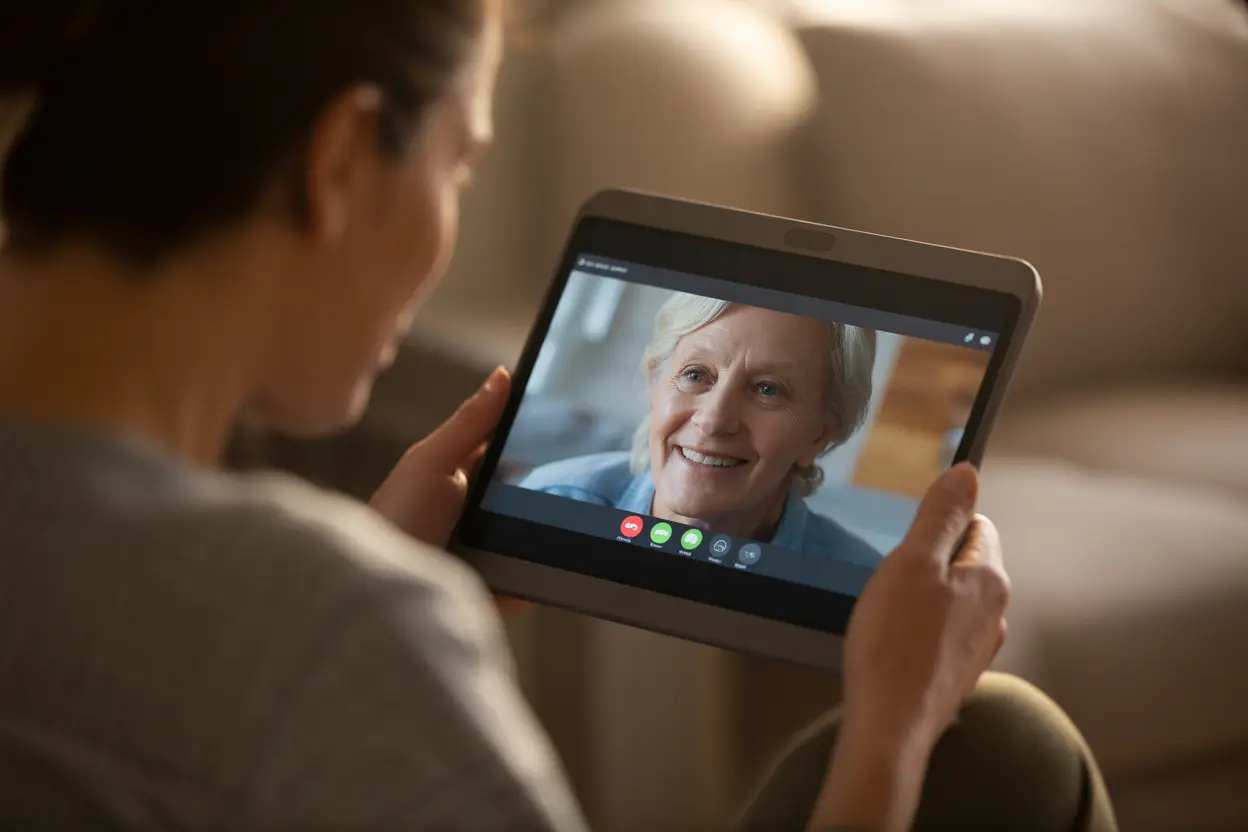
Many rehabs that allow cell phones recognize that today, staying connected isn't a luxury, it's a lifeline. A modern approach to treatment understands that completely cutting you off from your world can sometimes create more anxiety, not less. Allowing access to your phone can be a powerful tool for your recovery. It lets you maintain contact with supportive family members, which is often a key part of long-term healing. For some, especially those in programs for professionals, it means you can manage essential work or legal responsibilities without derailing your career. This access helps reduce feelings of isolation, making the entire treatment experience feel more manageable. It also empowers you to start planning for life after rehab by arranging aftercare, connecting with online support groups, or using recovery apps right from your own device[1].
Why Do Some Rehabs Not Allow Phones?
On the other hand, many treatment centers have thoughtful reasons for phone restrictions. The primary goal is to create a focused, safe environment where you can fully immerse yourself in the recovery process without outside distractions. Think of it as creating a quiet space to heal. A big concern is protecting the privacy of all patients; restricting phones prevents accidental photos or recordings that could compromise someone's confidentiality. Another key reason is to help you disconnect from potential triggers or negative influences. This could mean cutting off contact with people who don't support your recovery or removing the temptation to fall back into old habits. During the initial phase of treatment, especially detox, your focus is incredibly important. Phone restrictions help ensure that your energy is dedicated entirely to stabilizing and beginning your therapy with a clear mind.
Types of Cell Phone Restrictions
It’s important to know that "cell phones allowed rehabs" doesn't usually mean you'll have unrestricted 24/7 access. Most inpatient rehab programs have a structured policy designed to balance connection with focus. These guidelines are there to help you, not to punish you. Here are a few common models you might encounter:
- Initial Blackout Period: Many facilities have a strict no-phone policy for the first 7 to 14 days. This allows you to settle in, detox safely, and fully engage with the initial phases of your treatment program without distractions.
- Designated Times: After the initial period, you might have access to your phone during specific times, like for an hour in the evening. This gives you a predictable window to check in with family and handle personal matters.
- Earned Privileges: Some centers use a tiered approach where phone access is granted as you meet certain treatment milestones. This can be a great motivator and helps you gradually reintegrate personal responsibilities.
- Limited Access: In some cases, access may be limited to specific needs, such as making important calls that are approved by your therapist. This ensures that communication supports your recovery goals.
Are There Situations Where Phones Are Never Allowed?
Yes, absolutely. During medical detox, phones are almost always prohibited. This is a critical time when your safety and medical stability are the top priorities, and the clinical team needs your undivided attention. Additionally, you will never be allowed to have your phone during therapy sessions, whether it's one-on-one counseling or a group setting. This rule is non-negotiable because it protects patient privacy and ensures that everyone in the session is fully present and engaged in the important work of healing.

How to Find Technology-Friendly Rehab Centers
Finding the right provider in Indiana that fits your need to stay connected is easier than you might think. The key is to ask direct questions before you commit to a program. When you speak with an admissions counselor, don't hesitate to clarify their electronics policy. A reputable center will be transparent about their rules. You can also explore options using trusted resources like SAMHSA's FindTreatment.gov to locate certified programs near you.
Here are a few essential questions to ask:
- What is your specific policy on cell phones during the first week of treatment?
- Are there designated times for phone calls and personal electronics use?
- Are laptops or tablets allowed for work or school responsibilities?
- Do you offer patient access to Wi-Fi and internet access?
Knowing the answers upfront helps you find a rehab that respects your responsibilities while providing the structured support you need for recovery. Every provider has a different approach, so finding the one that aligns with your life is a crucial step.
Finding the Right Balance for Your Recovery
Ultimately, the perfect electronics policy is the one that works for you. Whether you need to stay in touch with your kids, manage a business, or simply feel more grounded by having a connection to home, your needs are valid. The goal is to find a treatment program that honors your life commitments while providing the evidence-based care necessary for lasting healing[2]. The right balance will empower you to focus on your recovery without sacrificing the essential connections that support you. There are flexible options available that can accommodate your needs.
Your journey to healing should fit your life, not the other way around. Finding a treatment center that allows you to stay connected can make all the difference. If you’re ready to take the next step, our team at Indiana Rehabs is here to help you understand your options. You can call us at (888) 568-9930 for confidential guidance or contact us to find a program that feels right for you. Don't wait to find the support you deserve.
Frequently Asked Questions About Cell Phone Policies at Indiana Rehabs
Can I use my phone to talk to my kids during rehab?
Can my family call me while I'm in rehab?
Can I bring my laptop to rehab?
Do rehabs have WiFi?
- Indiana Health Coverage Programs. (06-16-2021). Substance Use Disorder (SUD)/Serious Mental Illness (SMI) Treatment. Indiana Medicaid. in.gov
- Ash, G. I., et al. (2023). Evidence-based Treatment for Substance Use Disorders in Community Settings. PMС. pmc.ncbi.nlm.nih.gov