Rehabs with Red-Light Therapy

Showing 5 of 5 Results (filtered)
Featured Rehab Centers

1411 W County Line Rd, Suite 1411A, Greenwood, IN 46142

Crossroads Healing Center - Addiction & Mental Health Treatment in Indiana
Connersville, Indiana
450 Erie Ave, Connersville, IN 47331

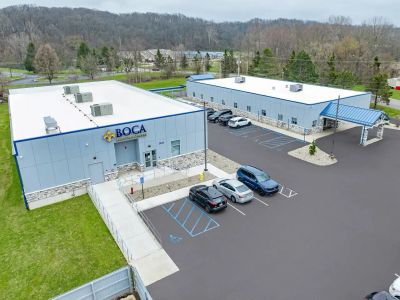

Boca Recovery Center - Indiana Drug and Alcohol Rehab
Huntington, Indiana
3040 W Park Dr, Huntington, IN 46750
Get Personalized Rehab Matches in 60 Seconds
Tell us a few details and we’ll show a personalized shortlist of verified Indiana rehabs, making it simple to compare options and choose your next step with confidence.



Addiction Rehab Centers - ARC
Indianapolis, Indiana
7322 Noel Road, Indianapolis, IN, 46278
Pinnacle Treatment Centers - 581 E. Main Street
Hagerstown, Indiana
581 E. Main Street Hagerstown, IN 47346
Why Trust Indiana Rehabs
As Hoosiers helping Hoosiers, we understand the unique challenges our communities face. Our team meticulously verifies every Indiana treatment center, ensuring you find trusted, local care that truly understands your journey.
About our listingsLevels of Care
Explore popular treatment options by levels of care, from flexible treatment in Outpatient centers to intensive care in Residential rehabs.
Free · 24/7 · Confidential
Talk to a Treatment Specialist
Call now to get matched with Indiana facilities that accept your insurance.
(888) 568-9930
Free
Ins. check
4.9★
Rating
HIPAA
Protected
Can't travel to a facility?
Licensed Indiana therapists via secure video — same-week appointments, evenings & weekends available.
Have you ever wondered what else, beyond the basics, might help support your healing during addiction treatment? Red light therapy, with its gentle warmth and subtle glow, is making its way into some Indiana rehabs as an extra tool for well-being, offering promise for things like pain relief and skin health. While it’s not a cure, it can be a comforting part of your toolbox on the road to recovery. Knowing what’s out there empowers you to make choices that truly fit your needs and support both your body and mind.
What is red light therapy?
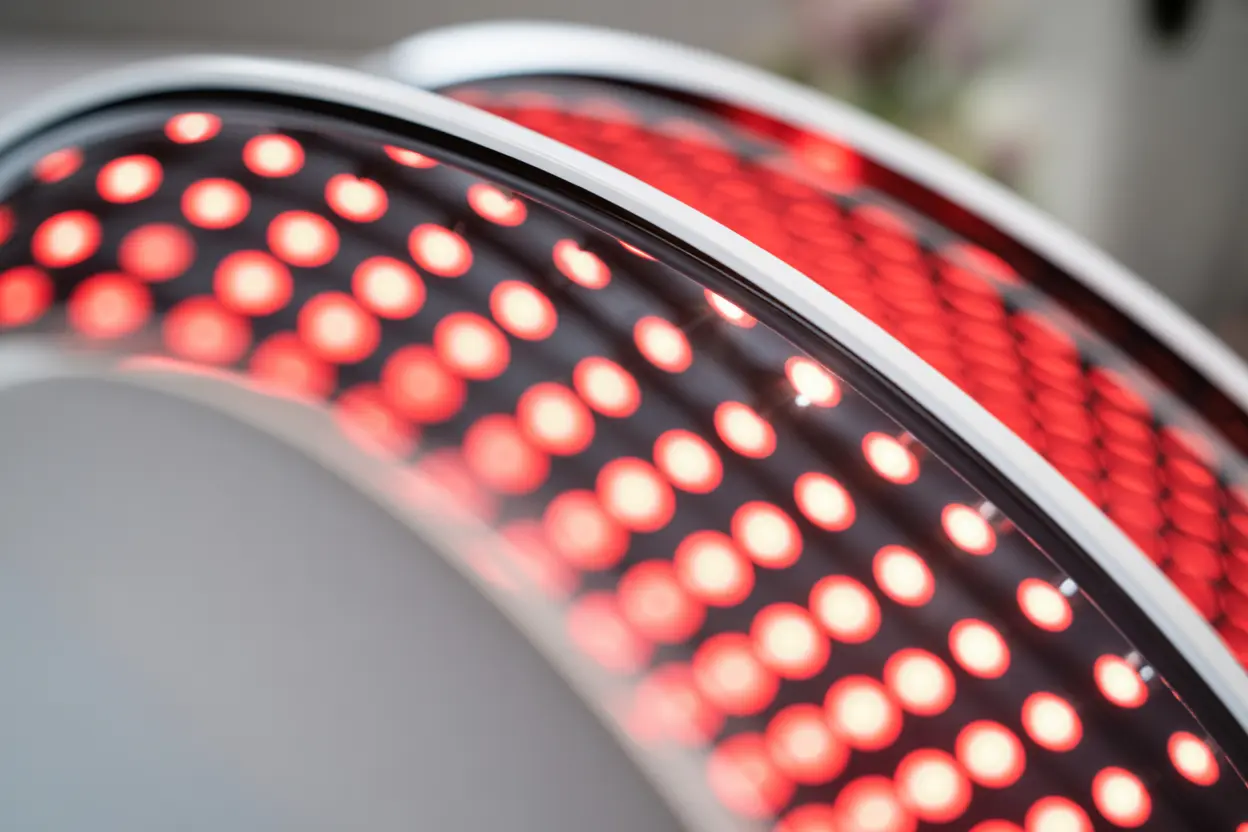
Red light therapy (RLT) is a non-invasive treatment that uses specific, low-level wavelengths of red and near-infrared light to support the body’s natural healing processes. Unlike the ultraviolet (UV) light used in tanning beds, RLT doesn't use heat and won't give you a tan or burn your skin. Instead, it works through a process called photobiomodulation. Think of it like photosynthesis for your cells, where plants use sunlight to create energy, your cells can use this specific type of light to fuel their own repair and regeneration.
This approach is often included as part of a holistic treatment plan because it addresses physical well-being, which can be a powerful ally during your recovery journey. It’s a gentle, quiet therapy that gives your body a little extra help from the inside out.
How does red light therapy work?
So, how does light actually do all of this? It comes down to what happens on a microscopic level. The specific wavelengths of red light are able to penetrate through the skin and reach deep into your body's tissues. Once there, the light is absorbed by the mitochondria in your cells. You might remember from science class that mitochondria are the "powerhouses" of our cells.
When mitochondria absorb the light energy, it stimulates them to produce more adenosine triphosphate (ATP). ATP is the main source of cellular energy that powers everything your cells do. With more ATP, cells have more fuel to repair damage, reduce inflammation, and function more efficiently. This boost in cellular energy is what leads to the potential healing benefits people experience from RLT.
Benefits of Red Light Therapy
While red light therapy is still being studied, the existing research points to several promising benefits, particularly for physical wellness. It’s important to remember that RLT is a supportive therapy, meaning it works alongside primary treatments to enhance your overall well-being during addiction recovery. By helping your body feel better, it can ease some of the physical discomforts that often accompany the healing process. The main benefits generally fall into a few key areas: improving skin health, managing pain and inflammation, and supporting factors that are crucial to a successful recovery.[1]
Skin conditions
One of the most well-known applications of RLT is in skincare. The therapy has been shown to have several positive effects on the skin by promoting regeneration at the cellular level. Some of the potential benefits include:
- Stimulating collagen production: By boosting cellular energy, RLT can encourage fibroblasts (the cells that make collagen) to be more active, which may help reduce the appearance of fine lines and wrinkles.
- Improving circulation: Increased blood flow brings more oxygen and nutrients to the skin, giving it a healthier, more vibrant appearance.
- Reducing inflammation: RLT can help calm redness and inflammation associated with skin conditions like acne and psoriasis.
- Accelerating wound healing: The therapy can support the repair of damaged skin, making it useful for speeding up the healing of minor cuts or sores.
Pain management
For those dealing with physical pain, whether from an old injury or the general stress recovery puts on the body, RLT may offer some relief. It's becoming a popular tool for pain management because it helps reduce inflammation in joints and muscles. Athletes often use it to speed up muscle recovery after tough workouts, but it’s also being explored for chronic pain conditions. By soothing inflammation at the source, it can help ease discomfort from issues like arthritis and joint pain without the need for medication.
Therapy for Drug and Alcohol Addiction Treatment?
So, what does this have to do with addiction recovery? While red light therapy is not a cure for substance use disorder, it can be a valuable adjunct therapy. Its true strength in a rehab setting lies in its ability to support your overall well-being, which is fundamental to lasting recovery. Many people in early recovery struggle with issues like poor sleep, low mood, and high stress. RLT may help by promoting relaxation, improving sleep quality, and providing a gentle mood boost. Addressing these physical and emotional challenges can make it easier to focus on the core therapeutic work of addiction treatment and mental health.
How to Access Red Light Therapy
In the context of addiction treatment in Indiana, red light therapy is typically offered as a wellness amenity rather than a core clinical service. Not all facilities provide it, so if you're interested in this therapy, it's important to look for red light therapy rehabs that include it in their programs.[2] It’s often found in centers that focus on a holistic approach to recovery. Because it's not usually covered by insurance as a primary medical procedure, it’s considered a complementary part of your overall treatment plan, much like yoga or massage therapy.[3] If you're looking for licensed facilities, you can consult resources like the SAMHSA National Directory of Mental Health Treatment Facilities and ask them directly if they offer RLT.
What happens during the appointment?
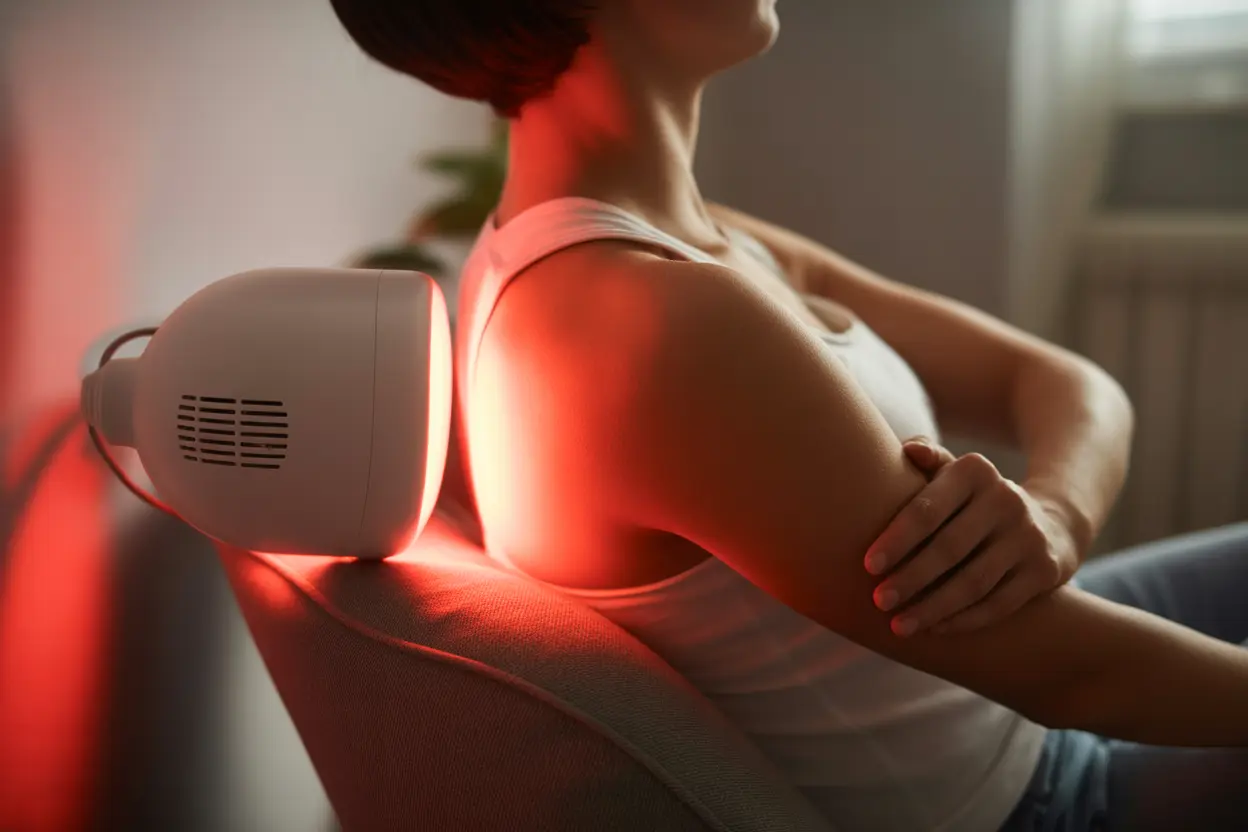
If you’ve never had RLT before, it’s natural to wonder what a session is like. It’s a very simple and relaxing experience. A typical appointment lasts between 10 and 20 minutes. You’ll be asked to sit or lie down comfortably, and a panel of red lights will be positioned a short distance from the area of your body being treated. You'll be given protective eyewear or goggles to wear, as the lights are very bright. The treatment itself is painless; you might feel a gentle, soothing warmth on your skin, but there's no heat, burning, or discomfort.
Safety and Precautions
One of the most common questions is about side effects. Red light therapy is generally considered very safe and is well-tolerated by most people. The FDA has approved it for treating several conditions, including joint pain and wrinkles. Side effects are rare and usually mild, such as temporary redness or tightness in the skin immediately after a session. However, there are some precautions to keep in mind. It's always best to consult with a healthcare provider before starting any new therapy, especially if you are pregnant, have active cancer, or are taking medications that increase your sensitivity to light (photosensitizing drugs).
Is Red Light Therapy Right for Your Recovery Journey?
Ultimately, red light therapy is a promising wellness tool that can support your recovery by helping your body heal and feel better. While there's good evidence for its benefits for skin and pain, its role in addiction treatment is complementary. The foundation of a strong recovery is always built on evidence-based clinical care, like individual and group therapy.[4] Making an informed decision is key, and discussing whether red light therapy is a good fit for your individual needs with a treatment professional is the best next step.
Choosing the right path for your recovery means finding a blend of care that supports your whole self. If you're curious about how amenities like red light therapy can fit into a comprehensive treatment plan, we’re here to help. You can explore different facilities and programs right here at Indiana Rehabs. When you're ready to talk, our team is available 24/7. Just call us at (888) 568-9930 or contact us online to start the conversation. Taking that first step is a sign of strength, and we're here to walk with you.
Frequently Asked Questions About Red Light Therapy in Indiana
Is red light therapy the same as using a sauna?
How long does it take to see results from red light therapy?
How often should you do red light therapy?
Can I use red light therapy at home?
Will insurance cover red light therapy in rehab?
Who should not use red light therapy?
- de Freitas, L. F., & Hamblin, M. R. (2016). Proposed Mechanisms of Photobiomodulation or Low-Level Light Therapy. IEEE Journal of Selected Topics in Quantum Electronics. pmc.ncbi.nlm.nih.gov
- Indiana Family and Social Services Administration. (07-14-2020). Certification and Licensure Rules and Indiana Code. Indiana Family and Social Services Administration. in.gov
- Centers for Medicare & Medicaid Services. (12-19-2019). Billing and Coding: Outpatient Physical and Occupational Therapy Services. Centers for Medicare & Medicaid Services. cms.gov
- U.S. Department of Health & Human Services. (August, 2021). State Residential Treatment for Behavioral Health Conditions. Office of the Assistant Secretary for Planning and Evaluation. aspe.hhs.gov