
Mood Disorders Treatment in Indiana



Showing 20 of 41 Results (filtered)
Featured Rehab Centers

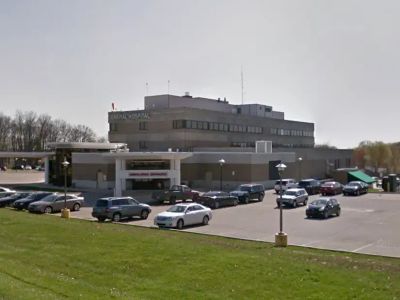
1185 County Rd 1000 W, Linton, IN 47441
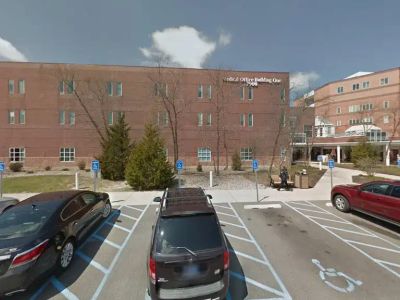
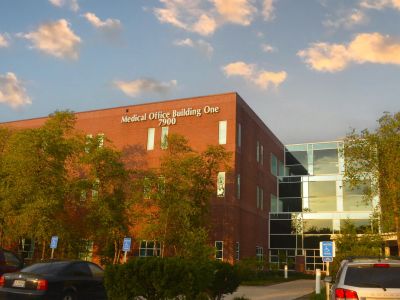
Indiana Center for Recovery - Alcohol & Drug Rehab Center Fort Wayne
Fort Wayne, Indiana
7900 W Jefferson Blvd, Fort Wayne, IN 46804

Indiana Center For Recovery- Alcohol & Drug Rehab Terre Haute
Terre Haute, Indiana
135 E Hospital Ln, Terre Haute, IN 47802
Get Personalized Rehab Matches in 60 Seconds
Tell us a few details and we’ll show a personalized shortlist of verified Indiana rehabs, making it simple to compare options and choose your next step with confidence.


Indiana Treatment Centers
Columbus, Indiana
1888 Poshard Dr, Columbus, IN 47203



Boca Recovery Center - Fort Wayne, Indiana
Fort Wayne, Indiana
111 W Berry St #211, Fort Wayne, IN 46802



Boca Recovery Center - Indiana Drug and Alcohol Rehab
Huntington, Indiana
3040 W Park Dr, Huntington, IN 46750


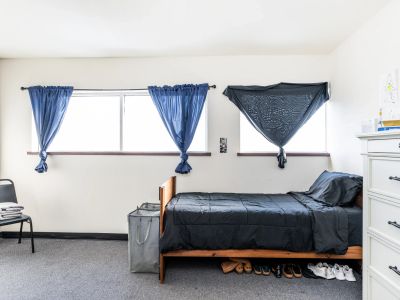
Cardinal Recovery
Franklin, Indiana
1130 West Jefferson St, Franklin, IN, 46131



Indiana Center for Recovery - Alcohol & Drug Rehab Center Bedford
Bedford, Indiana
1600 23rd St, Bedford, IN 47421

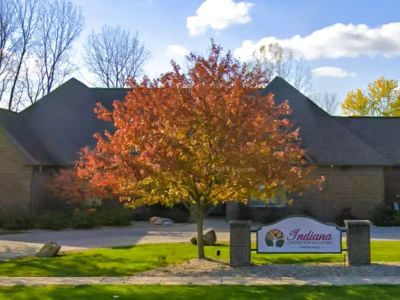

Indiana Center for Recovery - Alcohol & Drug Rehab Center Indianapolis
Indianapolis, Indiana
5510 S Emerson Ave, Indianapolis, IN 46237

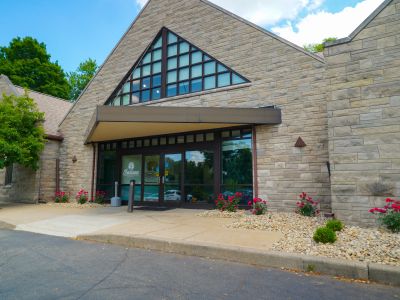

Indiana Center for Recovery
Bloomington, Indiana
1004 West 1st Street, Bloomington, IN, 47403
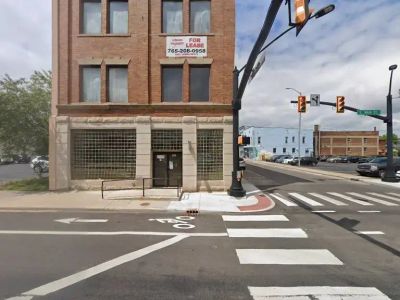
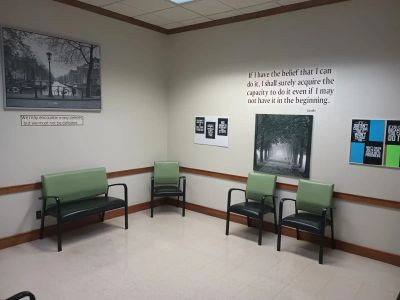

CleanSlate Outpatient Addiction Medicine
Muncie, Indiana
124 E Main St, Muncie, IN 47305



Indiana Center for Recovery- Alcohol & Drug Rehab Center Merrillville
Merrillville, Indiana
1578 E 85th Ave, Merrillville, IN 46410

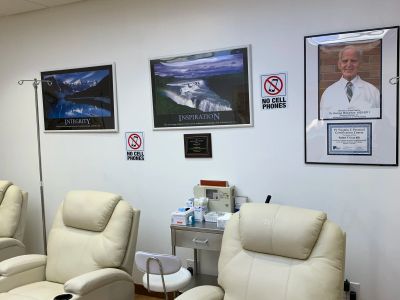

Kentuckiana Integrative Medicine
Jeffersonville, Indiana
405 E Court Ave #102, Jeffersonville, IN 47130
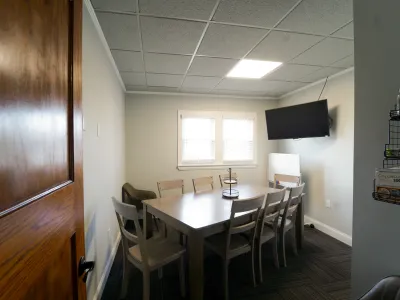

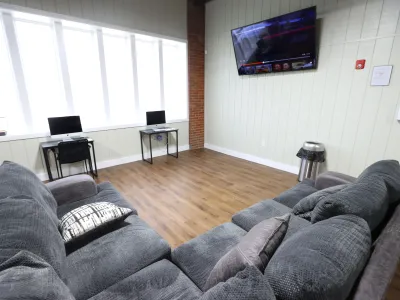
First City Recovery Center
Kokomo, Indiana
317 W Jefferson St, Kokomo, IN, 46901


215 W 4th St, Mishawaka, IN 46544



Addiction Rehab Centers - ARC
Indianapolis, Indiana
7322 Noel Road, Indianapolis, IN, 46278


CleanSlate Outpatient Addiction Medicine
Lafayette, Indiana
30 Professional Ct #2A, Lafayette, IN 47905

Next Step Foundation Terra Haute
Terre Haute, Indiana
619 Washington Ave, Terre Haute, IN 47802



Parkdale Center
Chesterton, Indiana
350 Indian Boundary Rd., Chesterton, IN, 46304

Woodview Psychology Group
Indianapolis, Indiana
70 E 91st Street Suite 210, Indianapolis, IN, 46240
Why Trust Indiana Rehabs
As Hoosiers helping Hoosiers, we understand the unique challenges our communities face. Our team meticulously verifies every Indiana treatment center, ensuring you find trusted, local care that truly understands your journey.
About our listingsLevels of Care
Explore popular treatment options by levels of care, from flexible treatment in Outpatient centers to intensive care in Residential rehabs.
Free · 24/7 · Confidential
Talk to a Treatment Specialist
Call now to get matched with Indiana facilities that accept your insurance.
(888) 568-9930
Free
Ins. check
4.9★
Rating
HIPAA
Protected
Can't travel to a facility?
Licensed Indiana therapists via secure video — same-week appointments, evenings & weekends available.
Some days feel like you're riding an emotional rollercoaster, one moment swept up, the next sinking so low it’s hard to remember what hope feels like. Simple routines, from getting out of bed to connecting with others, can seem almost impossible, leaving you feeling out of sync with the world around you. But you don’t have to navigate these ups and downs alone. Exploring the range of treatment options is the first real step toward regaining balance and rediscovering steady ground, bringing a sense of calm and possibility back within reach.

What is a mood disorder?
A mood disorder is a mental health condition that affects your emotional state, causing long periods of extreme happiness, sadness, or both. It’s so much more than just a bad mood or a rough week. While everyone experiences emotional ups and downs, the feelings associated with a mood disorder are intense, persistent, and can interfere with your daily life, relationships, and overall health.
It's important to remember that a mood disorder is a real medical condition, not a personal weakness or something you can just "snap out of." These conditions are treatable, and getting help is a sign of strength. Conditions like depression are quite common, affecting about 1 in 15 adults in the U.S. each year[1]. Understanding the symptoms and seeking a proper diagnosis is the first step toward managing your health and finding stability.
What are the different types of mood disorders?
Mood disorders generally fall into two main categories: depressive disorders and bipolar disorders. While they share some overlapping symptoms, they are distinct conditions that require different approaches to treatment. Understanding the specific type of mood disorder is key to creating an effective plan for managing it.
Depressive disorders
Depressive disorders are primarily characterized by a persistent feeling of sadness, emptiness, or irritability. The most well-known is major depressive disorder (MDD), where someone experiences a depressed mood or a loss of interest and pleasure in daily activities for at least two weeks. These depressive episodes can make it difficult to work, sleep, and connect with others. Other forms include persistent depressive disorder (dysthymia), which involves a low mood lasting for at least two years, and seasonal affective disorder (SAD), where symptoms appear during certain seasons.
Bipolar disorders
Bipolar disorders involve significant mood swings that include emotional highs (mania or hypomania) and lows (depression). Someone with Bipolar I disorder has had at least one manic episode, which is a period of abnormally elevated or irritable mood and increased energy. Bipolar II disorder involves a less severe elevated mood, called hypomania, along with at least one major depressive episode. Another condition, cyclothymic disorder, involves numerous periods of hypomanic symptoms and depressive symptoms over at least two years. The lifetime prevalence for these bipolar spectrum disorders varies, with estimates around 0.6% for Bipolar I, 0.4% for Bipolar II, and 2.4% for the broader bipolar spectrum[1].
What are the symptoms of mood disorders?
The symptoms of a mood disorder can vary widely depending on the specific condition, but they often disrupt your ability to function in daily life. It helps to think about them in terms of depressive episodes and manic or hypomanic episodes.
Symptoms of a depressive episode may include:
- Persistent feelings of sadness, anxiety, or emptiness
- Loss of interest or pleasure in hobbies and activities
- Significant changes in appetite or weight
- Difficulty sleeping or sleeping too much
- Fatigue or loss of energy
- Feelings of worthlessness or guilt
- Trouble concentrating, remembering, or making decisions
- Thoughts of death or suicide
Symptoms of a manic or hypomanic episode can include:
- Elevated, expansive, or irritable mood
- Increased energy and activity
- Decreased need for sleep
- Racing thoughts or talking more than usual
- Being easily distracted
- Engaging in impulsive or high-risk behaviors
It's also common for people to wonder if anxiety is a mood disorder. While anxiety and mood disorders are separate conditions, they often occur together. Anxiety involves excessive fear and worry, and it can be a symptom of depression or exist as a co-occurring disorder.
What causes mood disorders?
There isn't a single cause for mood disorders. Instead, they seem to be caused by a combination of biological, genetic, and environmental factors. Think of it less like a simple switch and more like a complex recipe where different ingredients contribute to the final outcome.
Biological factors play a significant role. Brain chemistry is a key piece of the puzzle, as imbalances in neurotransmitters like serotonin and dopamine are linked to mood regulation. Genetics also contribute; having a family history of a mood disorder can increase your risk. Environmental factors are just as important. Experiencing trauma, chronic stress, or major life changes can trigger or worsen a mood disorder. Substance use can also be a factor, as it can alter brain chemistry and impact your emotional health. While anyone can develop a mood disorder, this mix of genetic predisposition and life experiences helps explain why some people are more vulnerable than others[2].
How are mood disorders diagnosed?
Getting an accurate diagnosis is the first and most important step toward feeling better. The process usually starts with a conversation with a healthcare professional, like your primary care doctor or a psychiatrist. They will conduct a thorough evaluation to understand what you've been experiencing.
This evaluation typically includes a physical exam to rule out any other medical conditions that could be causing your symptoms. You’ll also discuss your personal and family medical history. The most important part is a detailed conversation about your feelings, thought patterns, and behaviors. A health professional will use established criteria, often from the Diagnostic and Statistical Manual of Mental Disorders (DSM-5), to determine if your symptoms meet the requirements for a specific mood disorder[3]. A proper diagnosis ensures you receive the most effective and personalized mental health assessment and treatment plan.

How are mood disorders treated?
The good news is that mood disorders are highly treatable. Treatment is not one-size-fits-all; it's tailored to your specific needs and symptoms. The goal is always to manage your symptoms, reduce the risk of future episodes, and help you regain a sense of control over your life. A comprehensive treatment plan often combines medication and psychotherapy, along with supportive lifestyle changes[4]. Simple adjustments to your daily routine, like regular exercise, a balanced diet, and consistent sleep, can also make a big difference in supporting your overall well-being.
Medications for mood disorders
Medications can be very effective in managing the symptoms of a mood disorder by helping to balance brain chemicals. The type of medication prescribed depends on your specific diagnosis. Antidepressants, for example, are often used to treat depression by adjusting levels of neurotransmitters like serotonin. Mood stabilizers, such as lithium, are a cornerstone of treatment for bipolar disorder, helping to control mood swings. In some cases, anti-anxiety medications may be used for short-term relief. Finding the right medication and dosage can take time, so it's essential to work closely with a psychiatrist who can monitor your progress and make adjustments as needed.
Psychotherapy for mood disorders
Psychotherapy, or "talk therapy," is a fundamental part of mood disorder treatment. It provides a safe space to explore your thoughts and feelings while learning healthy coping skills. Several types of therapy are proven to be effective. cognitive behavioral therapy (CBT) helps you identify and change negative thought patterns and behaviors. dialectical behavior therapy (DBT) is useful for managing intense emotions and improving relationships. Interpersonal therapy (IPT) focuses on resolving relationship problems that may contribute to your mood disorder. A good therapist will work with you to develop strategies for managing your symptoms and building resilience, making different levels of care an essential part of recovery.
What is the prognosis for mood disorders?
The outlook for individuals with mood disorders is very hopeful. While these conditions can be lifelong, they are highly treatable. With the right treatment plan, most people can manage their symptoms effectively and lead full, productive lives. Sticking with your treatment, even when you start to feel better, is key to preventing relapse and maintaining stability.
A strong support system of family, friends, and healthcare providers makes a huge difference in long-term success. It's a journey, and there may be bumps along the way, but you don't have to go through it alone. Untreated mental illness can carry significant costs, not just personally but for the community as a whole, which underscores why getting help is so important[5]. If you or someone you love is in immediate crisis, please reach out to the 988 Suicide & Crisis Lifeline for free, confidential support. Finding the right care is the most critical step you can take toward a brighter future.
Navigating the path to wellness can feel overwhelming, but you're not alone. Taking that first step to find help is a sign of incredible strength. At Indiana Rehabs, we're here to help you find the right support and treatment options in your community. If you're ready to start your journey toward balance and recovery, please don't hesitate to call us at (888) 568-9930. You can also explore our resources and contact us online to learn more. Reaching out is the first step toward reclaiming your life.
Frequently Asked Questions About Mood Disorder Treatment
How do I know if I have a mood disorder?
What is the difference between a mood disorder and just being moody?
Is anxiety a mood disorder?
Can I treat a mood disorder without medication?
Can mood disorders be cured?
How long does treatment for a mood disorder take?
- National Alliance on Mental Illness. (2025-08-07). Mental Health By the Numbers. National Alliance on Mental Illness. nami.org
- IU School of Medicine. (n.d.). Mood and Anxiety Disorder Research. IU School of Medicine. medicine.iu.edu
- Indiana Behavioral Health Commission. (n.d.). Indiana Behavioral Health Commission Report. Indiana Family and Social Services Administration. in.gov
- Substance Abuse and Mental Health Services Administration. (2019). Indiana 2019 Mental Health National Outcome Measures (NOMS). SAMHSA. samhsa.gov
- (2023-10-13). Economic Burden Associated With Untreated Mental Illness in Indiana. JAMA Health Forum. jamanetwork.com