
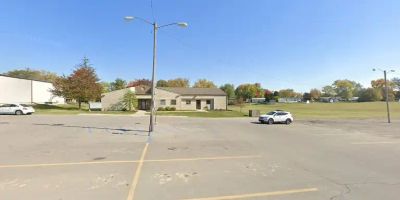
LifeSpring Health Systems - Austin Medical Center
2277 W. Frontage Rd. Austin, IN 47102
LifeSpring Health Systems is a 501(c)(3) not-for-profit Community Mental Health Center and Federally Qualified Health Center (FQHC) that has been the premier provider of comprehensive behavioral health, substance use disorder treatment, primary care, and related services in southern Indiana since 1964. Beginning as a small outpatient clinic for children in Jeffersonville, Indiana, LifeSpring has grown to serve 11 counties—Clark, Crawford, Dubois, Floyd, Harrison, Jefferson, Orange, Perry, Scott, Spencer, and Washington—with over 25 facilities and annually supporting more than 14,000 individuals. In 2018, it merged with Southern Hills Counseling Center, expanding its reach, and in 2015, it achieved FQHC status to deliver patient-centered medical homes in medically underserved areas, including school-based clinics. Guided by its mission 'to improve and sustain the quality of life in our communities by providing comprehensive behavioral health, substance use disorder treatment, primary care and related services,' and values of serving 'with the highest quality of care, in a professional and fiscally responsible manner,' LifeSpring employs a multidisciplinary team of physicians, nurse practitioners, psychiatrists, psychologists, therapists, counselors, and support staff to tailor evidence-based, holistic programs using a team approach. Services encompass education, prevention, assessment, intervention, and treatment for mental health issues, addiction recovery (including the Recovery Campus with residential facilities like Turning Point Center and Hope Center offering 24/7 crisis stabilization), primary care regardless of ability to pay, crisis response via a 24/7 call center and mobile teams, Employee Assistance Programs, problem gambling treatment, veterans support, homelessness initiatives like Healthcare for the Homeless and PATH, children and family services, residential programs, and open access walk-ins. Committed to accessibility, LifeSpring operates on a sliding fee scale based on family size and income, ensures no one is turned away due to inability to pay, race, color, sex, national origin, disability, religion, age, sexual orientation, or gender identity, and fosters strong partnerships with medical, social service, educational, justice, faith, and community organizations to provide the least restrictive, most supportive care for all ages, from newborns to seniors, including the underserved, families, offenders, and those in crisis.
What we treat
Treatment & Programs
Levels of Care
Treatment Methods
On-site
Facility Amenities
Coverage
Insurance & Payment
Eligibility
Who We Serve
Populations Served
Special Accommodations
- 2277 W. Frontage Rd. Austin, IN 47102
Other Indiana Rehabs to Consider
Explore more treatment options across Indiana

Red Ribbon Recovery Indiana
Greenwood, Indiana

Abuse Counseling & Education, Inc - Nonviolent Alternatives Greenwood
Greenwood, Indiana
Parkview Health - Decatur Office
Decatur, Indiana

Bowen Center - Russell House
Plymouth, Indiana

Centerstone - Nashville
Nashville, Indiana

Amethyst House - Men's House
Bloomington, Indiana