
What Happens During Drug Withdrawal? A Medical Detox Day-by-Day Guide
Medical detox is the essential first step for alcohol, opioid, and benzodiazepine dependence. Detailed withdrawal timelines, medications used, day-by-day expectations, and what comes after detox.



Detoxification — the process of safely clearing substances from the body while managing withdrawal symptoms — is the critical first step in addiction treatment. It is not treatment itself, but it is the step that makes treatment possible. For substances like alcohol, benzodiazepines, and opioids, withdrawal can be medically dangerous or even fatal without proper supervision — making medical detox not just recommended but medically essential.
This guide explains what medical detox in Indiana involves, provides detailed withdrawal timelines for every major substance class, lists the specific medications used to keep you safe and comfortable, walks through what each day looks like, and answers the questions that keep people from taking this first step.
Withdrawal from alcohol and benzodiazepines can cause life-threatening grand mal seizures and delirium tremens. Never stop these substances cold turkey. Medical detox provides 24/7 monitoring and medications that prevent dangerous complications. If you are physically dependent on alcohol or benzos, contact a medical detox program before making any changes to your use.
What Is Medical Detox?
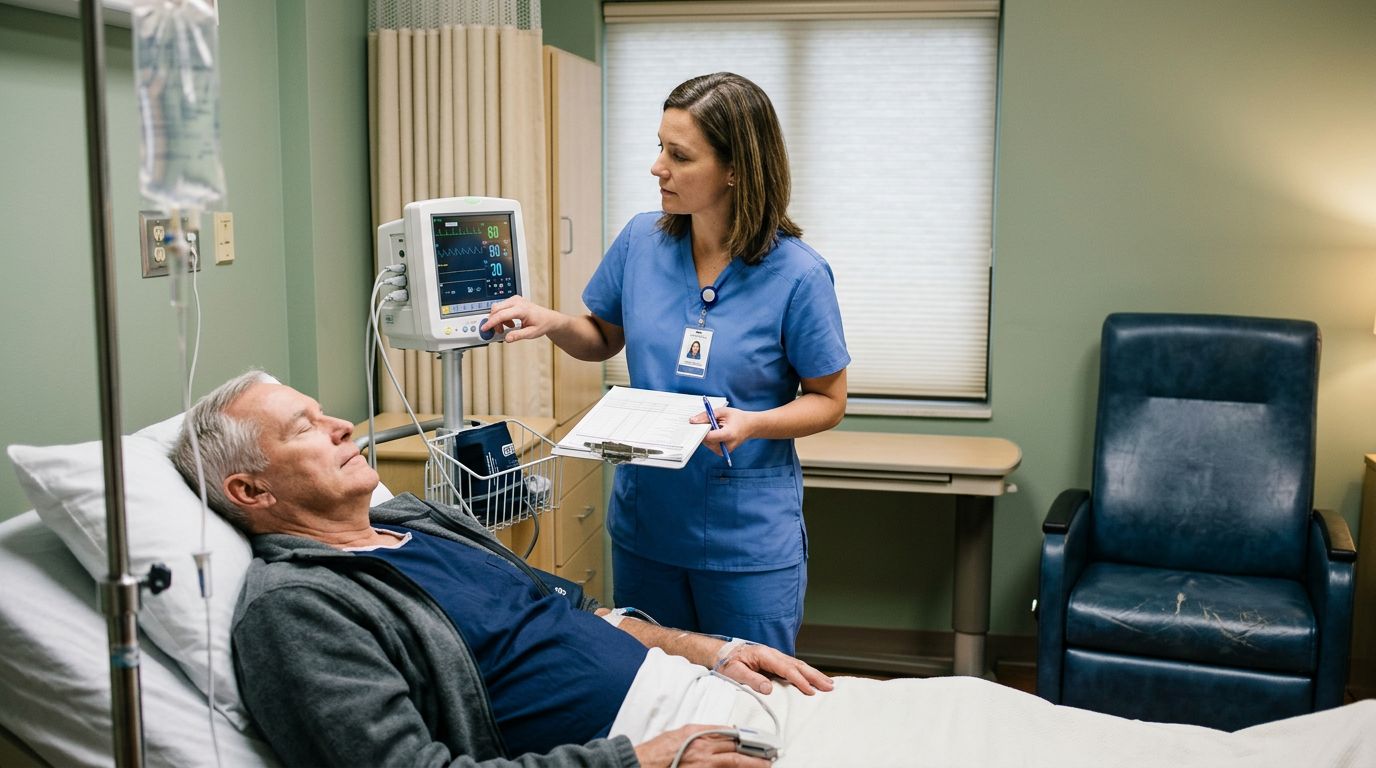
Medical detox is a supervised withdrawal process that takes place in a clinical setting — either a dedicated detox facility, a hospital, or a residential treatment center with detox capabilities. It is fundamentally different from "going cold turkey" at home in several critical ways:
| Medical Detox | Unsupervised Withdrawal |
|---|---|
| 24/7 medical monitoring (vital signs every 4–8 hours) | No monitoring — complications go undetected |
| Comfort medications reduce symptoms by 60–80% | Full symptom severity — often unbearable |
| Seizure precautions and emergency response | Seizure risk unmanaged — potentially fatal |
| IV fluids, electrolyte replacement, nutrition | Dehydration and malnutrition worsen symptoms |
| Psychiatric assessment and crisis support | Suicide risk during withdrawal goes unaddressed |
Why You Should Never Detox Alone
The dangers of unsupervised withdrawal go beyond discomfort — they can be lethal:
- Seizure risk (alcohol/benzos): Grand mal seizures can occur 24–72 hours after the last drink. Without anticonvulsant medication, these seizures can cause permanent brain injury or death. Approximately 5% of people who stop drinking abruptly experience severe withdrawal.
- Delirium tremens (alcohol): DTs involve confusion, hallucinations (visual, auditory, tactile), high fever, and cardiovascular instability. Without treatment, DTs carry a mortality rate of up to 15%. With medical management, the mortality rate drops below 1%.
- Severe dehydration: Vomiting, diarrhea, and profuse sweating during withdrawal can lead to dangerous dehydration, electrolyte imbalance, and cardiac arrhythmia.
- Relapse with reduced tolerance: Withdrawal is so uncomfortable that most people who attempt home detox relapse within hours — often using the same dose they used before stopping. Because tolerance has begun to decrease, this creates a high risk of accidental overdose.
- Suicide risk: The deep depression, hopelessness, and anhedonia (inability to feel pleasure) that accompany stimulant and opioid withdrawal significantly elevate suicide risk, particularly in people with co-occurring depression.
Withdrawal Timelines by Substance
Every substance class produces a distinct withdrawal pattern. Understanding these timelines helps patients and families prepare:
| Substance | Onset After Last Use | Peak Symptoms | Total Duration | Danger Level |
|---|---|---|---|---|
| Alcohol | 6–12 hours | 24–72 hours | 5–7 days (acute) | Life-threatening (seizures, DTs) |
| Opioids (heroin, fentanyl, oxy) | 12–30 hours | 36–72 hours | 5–10 days | Severe discomfort, overdose risk on relapse |
| Benzodiazepines (Xanax, Valium) | 1–4 days | 2 weeks | Weeks to months | Life-threatening (seizures) |
| Methamphetamine | 24–48 hours | 3–5 days | 1–2 weeks | Depression, psychosis, suicide risk |
| Cocaine/crack | Hours | 1–3 days | 1–2 weeks | Moderate (depression, fatigue) |
Medications Used During Medical Detox
Indiana detox facilities use a range of FDA-approved and evidence-based medications to manage withdrawal safely and reduce suffering. The goal is not to simply substitute one drug for another — it is to stabilize the brain and body so the patient can transition safely to ongoing treatment.
- Buprenorphine (Suboxone): For opioid withdrawal — partial opioid agonist that reduces cravings, eliminates withdrawal symptoms, and can be continued as long-term medication-assisted treatment
- Methadone: For severe opioid dependence — full opioid agonist providing stable receptor activation. Administered daily at licensed Opioid Treatment Programs.
- Benzodiazepines (chlordiazepoxide/Librium, lorazepam/Ativan): For alcohol withdrawal — prevents seizures, manages agitation, reduces autonomic instability. Dosed using the Clinical Institute Withdrawal Assessment (CIWA) protocol.
- Clonidine: Alpha-2 agonist that reduces anxiety, sweating, muscle aches, elevated heart rate, and blood pressure during both opioid and alcohol withdrawal
- Gabapentin (Neurontin): Anticonvulsant that reduces anxiety, insomnia, and neuropathic pain. Increasingly used as adjunctive therapy in alcohol and opioid detox.
- Ondansetron (Zofran): Anti-nausea medication for severe vomiting during early withdrawal
- Trazodone: Non-addictive sedating antidepressant for withdrawal-related insomnia — a critical symptom that, if unmanaged, drives relapse
- Phenobarbital: Long-acting barbiturate used in some protocols for alcohol withdrawal when benzodiazepines are contraindicated or have been ineffective
What to Expect Day by Day
While every patient's experience is unique, here is a general day-by-day overview of what medical detox looks like in Indiana facilities:
Day 1 — Admission and Assessment:
- Medical history review, physical examination, vital signs baseline
- Blood work (CBC, metabolic panel, liver function, hepatitis/HIV screening)
- Urine drug screen to confirm substances present
- Psychiatric screening for co-occurring conditions and suicide risk
- Initial medication dosing based on presenting symptoms
- Orientation to facility, rules, schedule, and expectations
Days 2–3 — Peak Withdrawal:
- Symptoms intensify — this is typically the hardest period physically and emotionally
- Medical staff monitor closely, adjusting medications every 4–8 hours based on symptom severity (CIWA scores for alcohol, COWS scores for opioids)
- IV fluids and electrolyte replacement if needed
- Rest is prioritized — patients are not expected to participate in programming
- Staff provide reassurance: "This is temporary. It will get better."
Days 4–5 — Gradual Improvement:
- Physical symptoms begin to subside for most substances (except benzodiazepines, which follow a longer timeline)
- Appetite returns, sleep begins to normalize (though insomnia may persist for weeks)
- Energy increases enough for light activity — short walks, basic group orientation
- Treatment planning conversations begin: your care team discusses next steps — residential, PHP, IOP, or outpatient
Days 5–7 — Transition:
- Most acute symptoms have resolved. Emotional fragility and sleep disruption may continue.
- MAT initiation or stabilization if appropriate (Suboxone, Vivitrol injection)
- Detailed aftercare planning: specific facility, appointment dates, support group schedule
- Family communication — many facilities allow increased phone contact as patients stabilize
- Transfer to next level of care (ideally same-day, without returning home)
After Detox: What Comes Next?
This is the single most important thing to understand about detox: detox alone is not treatment. It is the removal of the substance from your body — it does not address the underlying causes of addiction, the behavioral patterns that drive use, the co-occurring mental health conditions, or the life circumstances that led to substance use in the first place.
According to the National Institute on Drug Abuse, patients who complete detox but receive no further treatment have relapse rates nearly identical to those who never entered treatment at all. Detox without follow-up treatment is like setting a broken bone without a cast — the immediate problem is addressed, but without ongoing support, it will not heal properly.
After detox, the evidence-based pathway is:
- Residential treatment (30–90 days) — for severe addiction, unstable home environment, or co-occurring conditions requiring intensive support
- Partial hospitalization (PHP) or intensive outpatient (IOP) — for patients with stable, supportive living situations who need structured treatment while living at home
- Ongoing outpatient therapy — weekly individual and group counseling for months to years
- MAT continuation — if started on Suboxone, Vivitrol, or methadone during detox, continuing these medications as long as clinically indicated
- Support groups — AA, NA, SMART Recovery, Celebrate Recovery for community and accountability
- Sober living — structured recovery housing for those who need a drug-free living environment during early recovery
Detox Facilities in Indiana
Indiana has medical detox programs in every major metropolitan area and many smaller communities. Finding the right program:
- Browse Indiana detox centers — filter by detox services, insurance type, and location
- Verify your insurance — most insurance plans (including Indiana Medicaid/HIP) fully cover medical detox as an essential medical service
- SAMHSA Helpline: 1-800-662-4357 (free, confidential, 24/7) for immediate referrals to detox programs in your area
- Major Indiana cities with multiple detox options: Indianapolis, Fort Wayne, Evansville, South Bend
Detox is the first step — not the last. But it is the step that makes everything after it possible. If you are physically dependent on any substance, medically supervised detox gives you the safest, most comfortable start to your recovery. Don't let fear of withdrawal keep you from getting help — modern medical detox is nothing like going cold turkey. Call today.