
Meth Rehab in Indiana


Showing 20 of 36 Results (filtered)
Featured Rehab Centers


1411 W County Line Rd, Suite 1411A, Greenwood, IN 46142

91 West Mound Street, Nashville, IN 47448

Addiction Rehab Centers - ARC at Fox Hill | Drug & Alcohol Rehab - Mooresville Indiana
Mooresville, Indiana
12168 N Mann Rd, Mooresville, IN 46158
Get Personalized Rehab Matches in 60 Seconds
Tell us a few details and we’ll show a personalized shortlist of verified Indiana rehabs, making it simple to compare options and choose your next step with confidence.
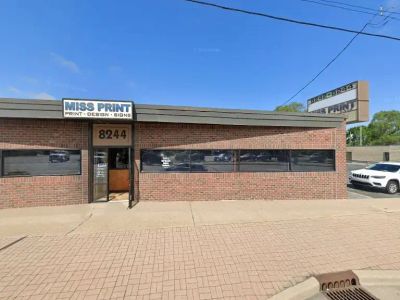
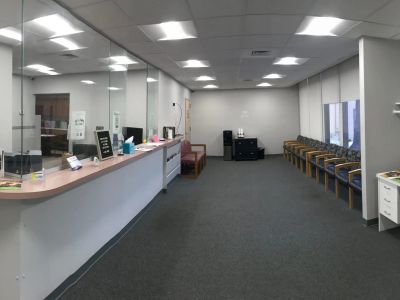

Alliance MD
Munster, Indiana
8242 Calumet Ave, Munster, IN 46321
Centerstone - New Castle
New Castle, Indiana
3221 S Memorial Dr, New Castle, IN 47362
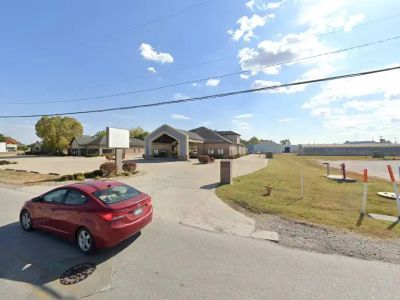
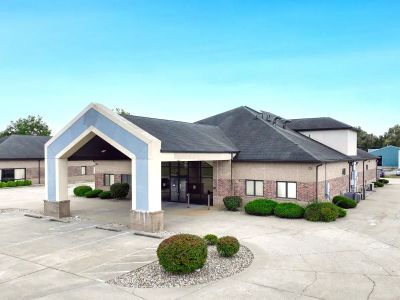
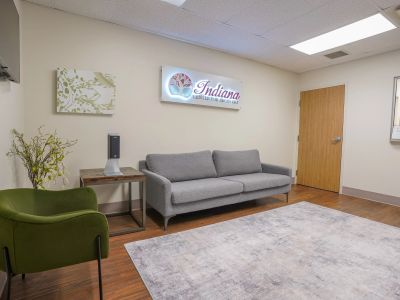
Indiana Center For Recovery- Alcohol & Drug Rehab Terre Haute
Terre Haute, Indiana
135 E Hospital Ln, Terre Haute, IN 47802
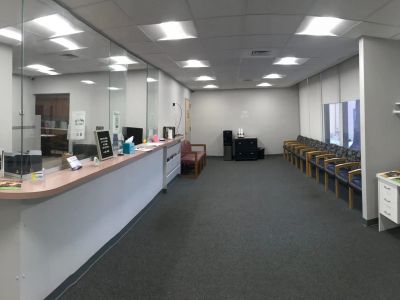
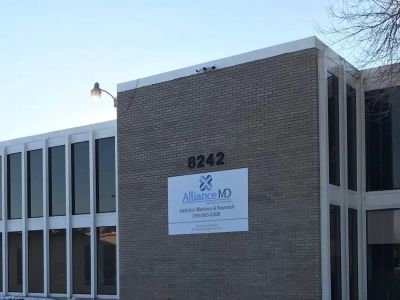

Alliance MD
Michigan City, Indiana
10176 W 400 N c, Michigan City, IN 46360

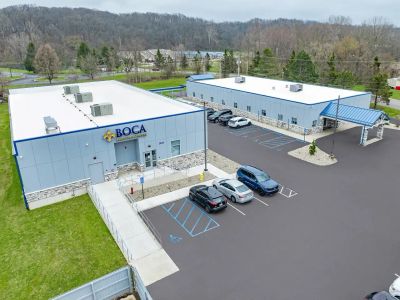

Boca Recovery Center - Fort Wayne, Indiana
Fort Wayne, Indiana
111 W Berry St #211, Fort Wayne, IN 46802

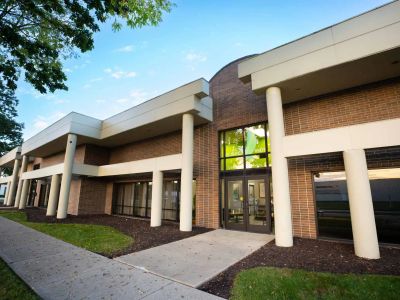
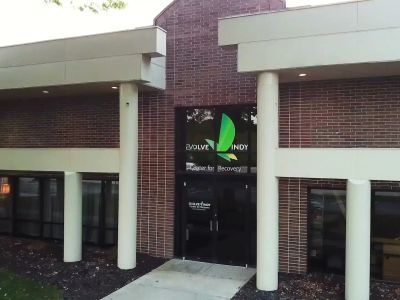
Evolve Indy
Indianapolis, Indiana
8770 Guion Rd, Indianapolis, IN, 46268
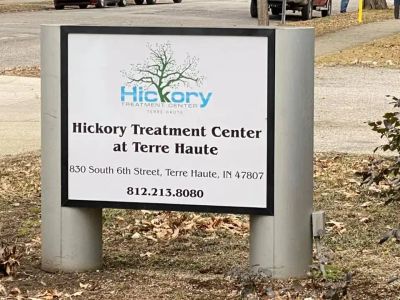
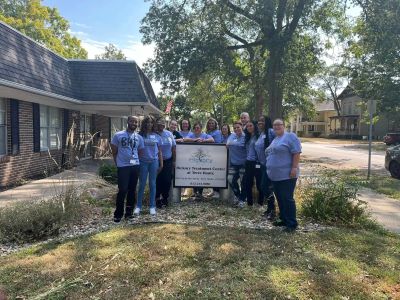
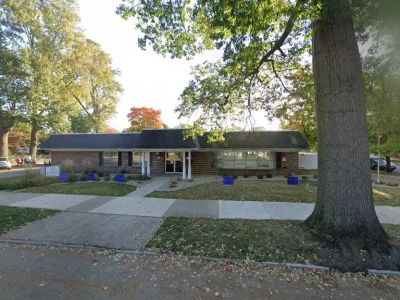
Hickory Treatment Center at Terre Haute
Terre Haute, Indiana
830 S 6th St, Terre Haute, IN 47807
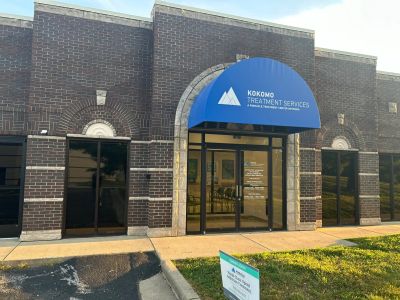
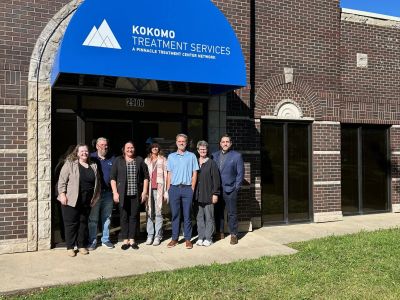
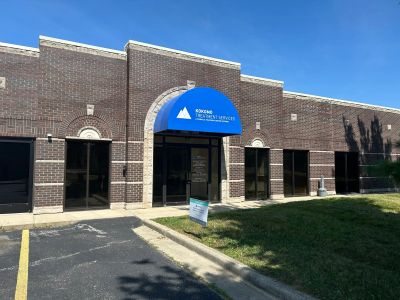
Pinnacle Treatment Centers - Kokomo
Kokomo, Indiana
2906 S. Reed Rd. Kokomo, IN 46902



Restored Life Continuum of Care
Kokomo, Indiana
302 S Reed Rd, Kokomo, IN 46901
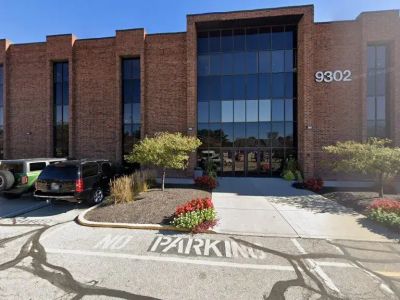


Spark Recovery - Outpatient Drug Addiction Treatment Indianapolis
Indianapolis, Indiana
9302 N Meridian St Ste 101, Indianapolis, IN 46260
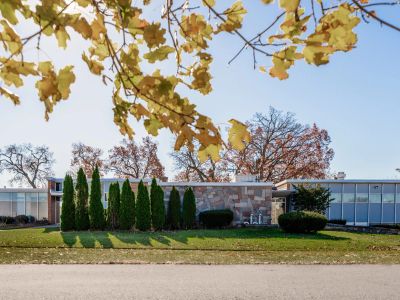

Cardinal Recovery
Franklin, Indiana
1130 West Jefferson St, Franklin, IN, 46131
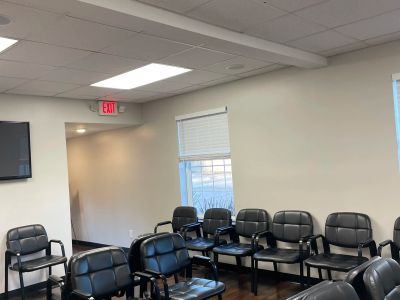
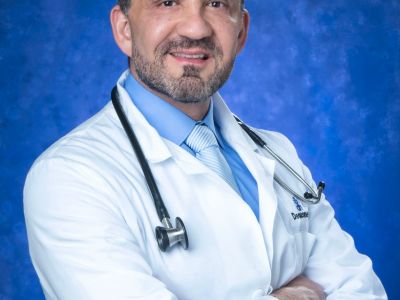
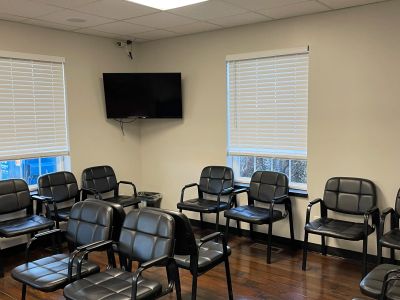
Dr. Malek’s Office – Primary Care, Senior Care & Mental Health
Evansville, Indiana
4972 Lincoln Ave #101, Evansville, IN 47715
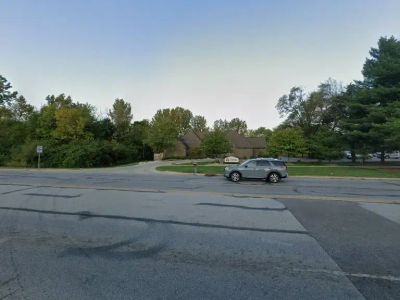
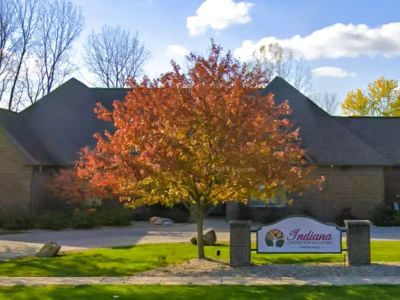

Indiana Center for Recovery - Alcohol & Drug Rehab Center Indianapolis
Indianapolis, Indiana
5510 S Emerson Ave, Indianapolis, IN 46237
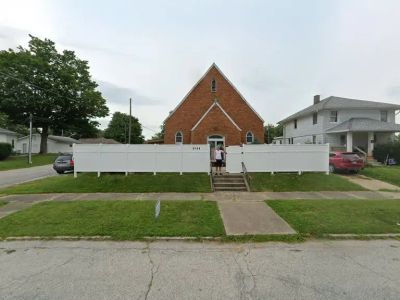
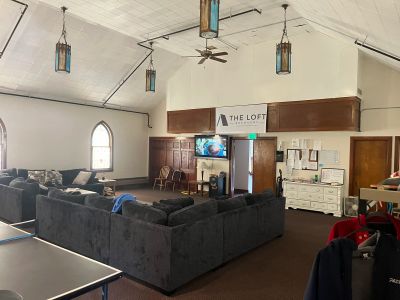
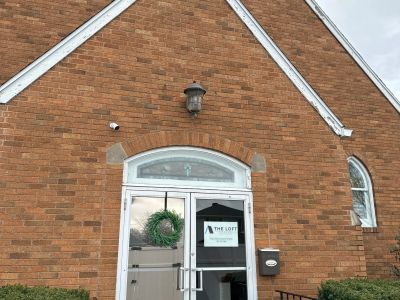
The Loft Recovery
Kokomo, Indiana
1700 S Main St, Kokomo, IN 46902

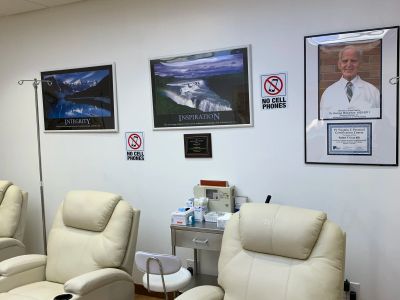
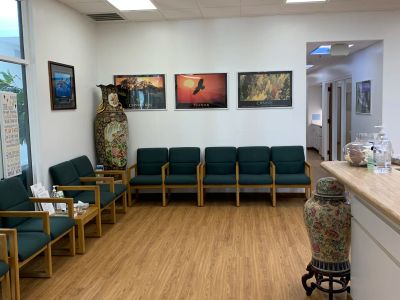
Kentuckiana Integrative Medicine
Jeffersonville, Indiana
405 E Court Ave #102, Jeffersonville, IN 47130
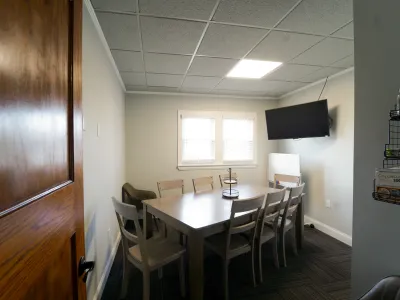
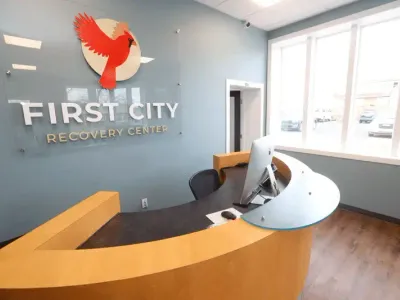
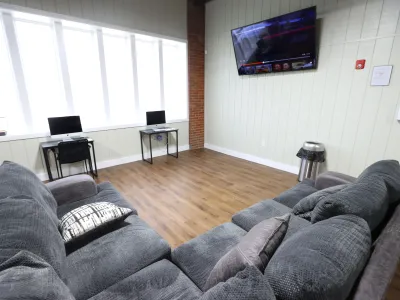
First City Recovery Center
Kokomo, Indiana
317 W Jefferson St, Kokomo, IN, 46901


CleanSlate Outpatient Addiction Medicine
Lafayette, Indiana
30 Professional Ct #2A, Lafayette, IN 47905
Why Trust Indiana Rehabs
As Hoosiers helping Hoosiers, we understand the unique challenges our communities face. Our team meticulously verifies every Indiana treatment center, ensuring you find trusted, local care that truly understands your journey.
About our listingsLevels of Care
Explore popular treatment options by levels of care, from flexible treatment in Outpatient centers to intensive care in Residential rehabs.
Free · 24/7 · Confidential
Talk to a Treatment Specialist
Call now to get matched with Indiana facilities that accept your insurance.
(888) 568-9930
Free
Ins. check
4.9★
Rating
HIPAA
Protected
Can't travel to a facility?
Licensed Indiana therapists via secure video — same-week appointments, evenings & weekends available.
In recent years, Indiana has seen methamphetamine treatment admissions double, proof that this struggle touches more lives here than many realize. If you’re feeling swallowed by confusion or fear as you look for help, you’re not alone. Recovery from meth can feel daunting, but with the right support and clear guidance, lasting change is possible. There are real, proven options available close to home, and you don’t have to face this journey by yourself.
What Is Meth?
Methamphetamine, often called meth, crystal, or ice, is a powerful stimulant that directly affects the central nervous system. It comes in two primary forms: a powder that can be snorted or dissolved and a crystal form that is smoked. Regardless of how it's used, the drug creates an intense rush of energy, focus, and euphoria. But what makes meth so addictive? The answer lies in how it rewires the brain’s reward system.
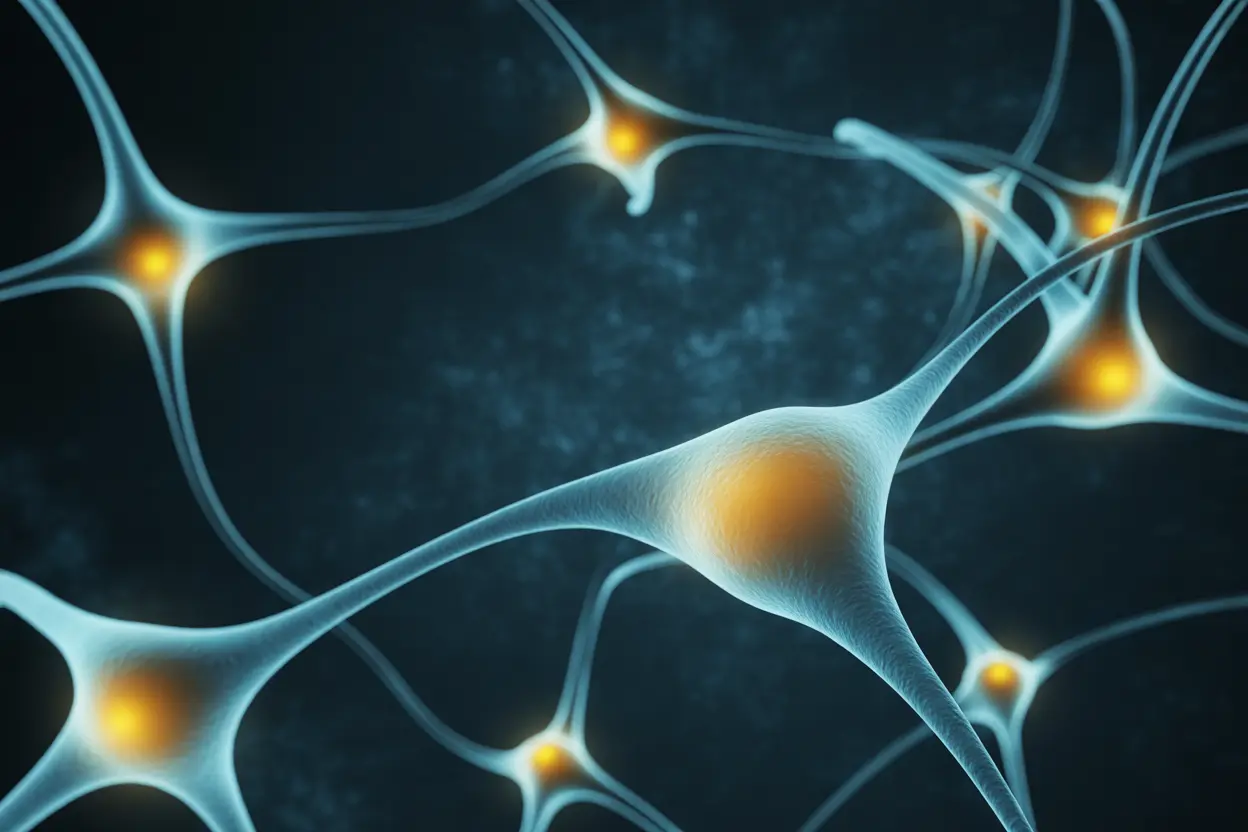
When someone uses meth, it floods the brain with dopamine, the chemical messenger linked to pleasure and motivation. This surge is far greater than what the brain would ever release naturally. The brain registers this intense pleasure and creates a powerful memory, linking meth use with an extreme reward. Over time, the brain starts to rely on the drug to feel any pleasure at all, and natural rewards no longer have the same effect. This change in brain chemistry is the foundation of the addiction cycle, driving intense cravings and a compulsive need to keep using the drug despite devastating consequences[1]. This cycle has contributed to a reality where millions of people across the country are grappling with a stimulant use disorder involving methamphetamine.
Signs and Symptoms of a Meth Addiction
Recognizing a meth addiction can be difficult, as signs often develop gradually. The changes can be physical, psychological, and behavioral, impacting nearly every aspect of a person’s life. If you’re worried about yourself or someone you love, knowing these common symptoms can be the first step toward seeking help.
- Physical Signs: The effects of meth on the body are often stark. You might notice dramatic weight loss due to a suppressed appetite, severe dental problems (often called "meth mouth"), and skin sores from picking or scratching. Other physical tells include dilated pupils, hyperactivity, and jerky, erratic movements.
- Psychological Signs: Meth takes a significant toll on mental health. Common psychological symptoms include intense anxiety, paranoia, and unpredictable mood swings. In some cases, prolonged use can lead to hallucinations or a state of psychosis, where a person loses touch with reality[1]. When the drug wears off, a severe "crash" often follows, bringing on deep depression and fatigue.
- Behavioral Signs: A person's habits and priorities often shift dramatically with meth addiction. This can look like withdrawing from friends and family, losing interest in hobbies, or neglecting work and home responsibilities. Financial troubles may arise from spending money on the drug, and secretive behavior becomes common as the person tries to hide their use from others.
Over time, these symptoms can worsen, leading to severe health complications and strained relationships. Understanding these signs is key to intervening and starting the conversation about treatment.

Types of Treatment for Meth Addiction
Finding your way back from meth addiction is a personal journey, and there isn't a single path that works for everyone. The right treatment plan is one that fits your unique needs, circumstances, and goals. While there are currently no FDA-approved medications specifically for treating methamphetamine use disorder, this doesn't mean recovery is out of reach. In fact, behavioral therapies have been incredibly effective in helping people break the cycle of addiction and build a new foundation for their lives[1]. Different levels of care are available, from structured residential programs to flexible outpatient options, ensuring that you can find the right amount of support.
Inpatient vs. Outpatient For Meth Addiction Treatment
Choosing between inpatient (residential) and outpatient treatment is a critical decision. Inpatient rehab provides a highly structured, 24/7 supportive environment where you live at the facility, removing you from daily triggers and stressors. Outpatient programs offer more flexibility, allowing you to live at home and continue with work or family responsibilities while attending scheduled therapy sessions. The best fit depends on factors like the severity of the addiction, your home environment, and whether you have co-occurring mental health conditions.
| Feature | Inpatient Rehab | Outpatient Treatment |
|---|---|---|
| Level of Structure | High: 24/7 supervised care | Low-to-High: Scheduled sessions |
| Time Commitment | Full-time: 30, 60, or 90+ days | Part-time: A few hours per week |
| Ideal Candidate | Individuals with: severe addiction, unstable home, or co-occurring disorders | Individuals with: a strong support system and motivation |
| Cost | Higher: Includes housing and meals | Lower: Treatment-only fees |
Medical Detox for Methamphetamine Addiction
While meth withdrawal isn't usually life-threatening in the same way alcohol withdrawal can be, it is an intensely difficult and uncomfortable process. The psychological symptoms, such as severe depression, anxiety, and psychosis, can be overwhelming. A medically supervised detox provides a safe and supportive setting to manage these symptoms. In a meth detox program, medical professionals are on hand to ensure your safety and comfort. While there are no specific medications to stop meth withdrawal, supportive medications may be used to help with sleep, reduce anxiety, or manage symptoms of depression. This initial stabilization is a crucial first step, creating a solid platform for the therapeutic work ahead.
Cognitive-behavioral Therapy (CBT)
Cognitive-behavioral therapy, or CBT, is a cornerstone of meth addiction treatment. This approach is based on a simple idea: our thoughts, feelings, and behaviors are all connected. CBT helps you identify the destructive thinking patterns that lead to drug use and replace them with healthier ones. In therapy, you’ll learn to recognize your personal triggers, develop practical coping skills to manage cravings, and work through challenging situations without turning to meth. It’s an empowering therapy that gives you the tools for lasting relapse prevention.
The Matrix Model Therapy
The matrix model is a highly structured treatment program designed specifically for people recovering from stimulant use disorders, including meth addiction. It's typically delivered in an intensive outpatient setting over several months. This evidence-based model combines various therapeutic techniques into one comprehensive program. Key components include individual counseling, family education groups to help rebuild relationships, relapse prevention workshops, and regular drug testing to provide accountability. The matrix model creates a supportive framework that helps you understand your addiction and build the skills needed for a sober life.
Contingency Management (CM)
contingency management (CM) is a therapeutic approach that uses positive reinforcement to encourage abstinence. It operates on a reward-based system. When you meet specific goals, like providing a negative drug test, you receive a tangible reward. These motivational incentives could be anything from gift cards to vouchers for goods and services. This method helps rewire the brain's reward circuits, reinforcing positive behaviors and making recovery feel more rewarding. Research has shown that CM can be highly effective in treating stimulant use disorder, helping people stay engaged in treatment and achieve their recovery goals.
Are Medications Used in Meth Treatment?
One of the most common questions people ask is whether medications can help with meth treatment. The straightforward answer is that there are currently no FDA-approved medications specifically for treating methamphetamine use disorder[2]. Unlike treatment for opioid or alcohol addiction, there is no equivalent to methadone or naltrexone that directly targets the addiction itself.
However, that doesn't mean research has stopped. Scientists are actively working to find effective pharmacotherapy options. One promising clinical trial conducted by the National Institutes of Health (NIH) studied the combination of injectable naltrexone (an opioid-blocker) and oral bupropion (an antidepressant). The results showed that this combination was more effective than a placebo at reducing meth use. In the final two weeks of the study, 16.5% of participants who received the medication combination responded to treatment, compared to just 3.4% in the placebo group.
While we wait for a breakthrough, it's important to know that medications still play a vital role in recovery. Many people with meth use disorder also struggle with co-occurring mental health conditions like depression and anxiety. Medications to treat these conditions can be incredibly helpful, stabilizing mood and making it easier to focus on the work of recovery through behavioral therapies.
Getting Help for Meth Addiction
Taking the first step toward getting help is often the hardest, but it’s a sign of incredible strength. If you’re ready to explore your options, the process is more straightforward than you might think. A great starting point is talking to a doctor, therapist, or an addiction specialist. They can provide an initial assessment and guide you toward the right level of care.
A common worry is how to pay for treatment. The good news is that most health insurance plans cover substance use disorder treatment. To find out what your plan covers, you can call the number on the back of your insurance card or have a treatment center’s admissions team verify your benefits for you. For those without private insurance, Indiana Medicaid also provides coverage for addiction treatment services[3]. Many facilities also offer payment plans or sliding scale fees.
Navigating the different rehab programs can feel overwhelming. A helpful tool is the U.S. government's official directory, which lets you find a meth treatment center in Indiana and filter by location and services. You can also use our directory to compare local Indiana methamphetamine rehab centers, filtering them by the therapies they offer, the insurance they accept, and the specific needs they meet. The admissions process at most centers is simple and confidential, designed to get you the help you need as quickly as possible.

Finding Your Path to Recovery in Indiana
Recovery is a journey, not a destination, and it starts with the brave decision to ask for help. We’ve covered a lot of ground, but the most important takeaway is this: hope is real, and effective, evidence-based treatments for meth addiction are available right here in Indiana. You don’t have to carry this burden alone. Reaching out is the first and most critical step toward reclaiming your life.
Life after treatment involves ongoing commitment. Aftercare programs and support groups are essential for navigating the challenges of early sobriety and preventing relapse. Building a strong support network in your community will help you stay grounded in your new, fulfilling life. A life free from meth is not just possible, it’s waiting for you.
If you’re ready to take that next step or just need someone to talk to about your options, please don’t hesitate to call us at (888) 568-9930. Our team at Indiana Rehabs is here to offer confidential, compassionate guidance. You can also contact us online to find the support you deserve. Your path to recovery starts today.
Frequently Asked Questions About Methamphetamine Rehab in Indiana
How long is meth rehab?
Can you recover from a meth addiction?
How do you help someone with a meth addiction?
How much does meth rehab cost in Indiana?
- National Institute on Drug Abuse. (November, 2024). Methamphetamine. National Institute on Drug Abuse. nida.nih.gov
- Substance Abuse and Mental Health Services Administration. (February, 2024). Statutes, regulations, and guidelines. Substance Abuse and Mental Health Services Administration. samhsa.gov
- Indiana Medicaid. (June, 2021). Substance Use Disorder (SUD)/Serious Mental Illness (SMI) treatment. Indiana Medicaid. in.gov