Meth in Indiana: From Lab Era to Cartel Supply — A Crisis History
Indiana was once #1 in meth lab seizures. Today cartel-supplied crystal meth dominates. Learn about Indiana's meth history, current trends, evidence-based treatment, and recovery resources.



Indiana has a longer, deeper history with methamphetamine than almost any other state. In the early 2000s, Indiana led the nation in meth lab seizures — at one point recording over 1,500 labs in a single year. Today, domestic labs have nearly vanished (just 21 seizures in 2023), but meth use hasn't declined. It's transformed. High-purity, low-cost crystal methamphetamine manufactured by Mexican cartels has flooded the state, making meth more available, more potent, and more dangerous than ever.
This guide traces Indiana's meth crisis from the lab era to today, explains how meth affects the brain and body, and connects Hoosiers with evidence-based treatment — because unlike opioids, there is no medication to reverse meth addiction. Behavioral therapy is the primary path to recovery.
Meth lab seizures dropped from 1,500+ (early 2000s) to just 21 (2023), but availability was rated "high" by 85% of Indiana HIDTA Drug Survey respondents in 2022. Cartel-supplied crystal meth has replaced domestic production entirely.
Source: Indiana DMHA Drug Fact Sheet 2024; Indiana HIDTA Threat Assessment 2025
Meth Use in Indiana: A Brief History
Indiana's meth story has three distinct chapters:
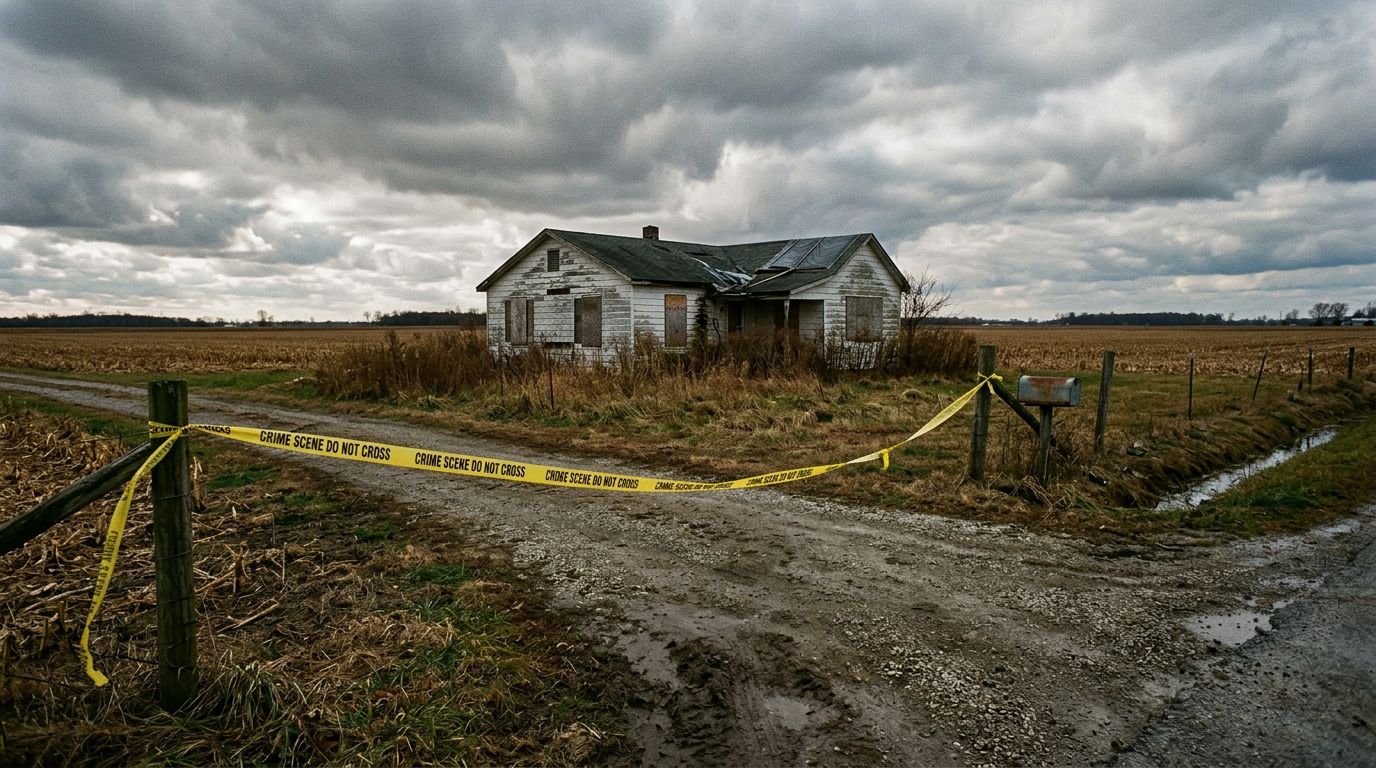
- 1990s–2005 (Lab Era): Indiana became the epicenter of domestic meth production. Small "shake and bake" labs in rural homes, barns, and hotel rooms produced small batches using pseudoephedrine from cold medicine. At the peak, Indiana seized more meth labs than any other state.
- 2005–2012 (Pseudoephedrine Restrictions): Indiana passed laws restricting pseudoephedrine sales, causing lab seizures to plummet. However, use shifted to imported Mexican-produced meth.
- 2012–Present (Cartel Supply): High-purity (95%+), low-cost crystal meth manufactured in Mexican superlabs now dominates. A gram that costs $5–$20 on the street is far more potent than anything produced in domestic labs. Indiana's location at the intersection of major interstates makes it a primary distribution corridor.
Current Trends and Statistics
According to the 2025 Indiana HIDTA Threat Assessment:
- Methamphetamine availability was rated "high" by 85% of HIDTA survey respondents
- Meth remains the most seized drug by weight in Indiana
- Stimulant-involved overdose deaths have risen significantly as meth is increasingly combined with fentanyl — a combination known as a "speedball" that is particularly deadly
- Rural Indiana communities continue to bear a disproportionate burden of meth use and related consequences
How Meth Affects the Brain and Body
Methamphetamine floods the brain with dopamine — up to 12 times the amount released by natural rewards. This creates intense euphoria but rapidly damages the dopamine system:
- Short-term effects: Increased energy, decreased appetite, rapid heartbeat, elevated body temperature, insomnia, euphoria
- Long-term brain effects: Dopamine receptor damage (anhedonia — inability to feel pleasure), memory impairment, impaired decision-making, motor skill deterioration
- Physical effects: Severe dental decay ("meth mouth"), skin sores from picking, dramatic weight loss, cardiovascular damage, increased stroke risk
- Psychological effects: Paranoia, hallucinations, meth-induced psychosis, violent behavior, severe depression during withdrawal
The good news: brain imaging studies from NIDA's Methamphetamine Research Report show that dopamine system damage is partially reversible with sustained abstinence. Recovery of normal dopamine function can begin within 12–18 months of sobriety.
Recognizing Meth Addiction
Signs that meth use has progressed to addiction:
- Using larger amounts or using more frequently than intended
- Inability to stop despite wanting to — multiple failed attempts
- Extended "binge and crash" cycles (days of continuous use followed by days of sleep)
- Neglecting work, school, family, and personal hygiene
- Engaging in risky or illegal behavior to obtain meth
- Continued use despite obvious physical, mental, and social consequences
- Withdrawal symptoms: extreme fatigue, depression, increased appetite, intense cravings, psychomotor retardation
Evidence-Based Treatment Approaches
Unlike opioid addiction, there is currently no FDA-approved medication for meth use disorder. Behavioral therapies are the primary treatment approach:
- Cognitive Behavioral Therapy (CBT): Helps identify triggers, develop coping strategies, and change thought patterns that drive meth use. The most widely used evidence-based approach.
- Contingency Management (CM): Provides tangible rewards (gift cards, vouchers) for negative drug tests. Research shows CM is the most effective behavioral intervention for stimulant use disorders, with some studies showing 60%+ abstinence rates.
- The Matrix Model: A 16-week structured outpatient program combining CBT, family education, 12-step facilitation, drug testing, and relapse prevention — developed specifically for stimulant users.
- Residential treatment: Recommended for severe addiction, providing a structured environment away from triggers during early recovery when cravings are most intense.
A 2024 NIDA-funded clinical trial found that the combination of naltrexone and bupropion reduced meth use by 13.6 percentage points compared to placebo. While not yet FDA-approved for this use, it represents the closest we've come to a medication-based treatment for meth addiction.
Indiana Meth Treatment Resources
Finding treatment for meth addiction in Indiana:
- Browse Indiana treatment centers — filter by substance (methamphetamine/stimulants) to find specialized programs
- Outpatient programs: Most meth treatment happens in outpatient settings using CBT and contingency management
- Community Mental Health Centers: Indiana's 24 CMHCs provide affordable stimulant use disorder treatment in every county
- Verify your insurance: Check your coverage in under 2 minutes
- SAMHSA Helpline: 1-800-662-4357 (free, confidential, 24/7)
Recovery Is Possible
Meth addiction is one of the most challenging substance use disorders to overcome — but recovery is absolutely possible. Brain imaging research shows measurable recovery of dopamine function with sustained abstinence, and behavioral therapies produce lasting results for many individuals.
The path typically involves residential treatment or intensive outpatient care, followed by long-term outpatient support, peer recovery coaching, and community connection. Many Indiana recovery communities have specific support for stimulant users.
If you or someone you love is struggling with meth, don't wait for rock bottom. Take our free assessment or call 1-800-662-4357 to start the conversation today.