Rehabs for Generalized Anxiety Disorder (GAD)
Showing 20 of 32 Results (filtered)
Featured Rehab Centers



1411 W County Line Rd, Suite 1411A, Greenwood, IN 46142
Aspire Indiana Health – Next Step
Indianapolis, Indiana
2456 N Bolton Ave, Indianapolis, IN 46218


Foundations Counseling Center
Merrillville, Indiana
8973 Broadway, Merrillville, IN 46410
Get Personalized Rehab Matches in 60 Seconds
Tell us a few details and we’ll show a personalized shortlist of verified Indiana rehabs, making it simple to compare options and choose your next step with confidence.



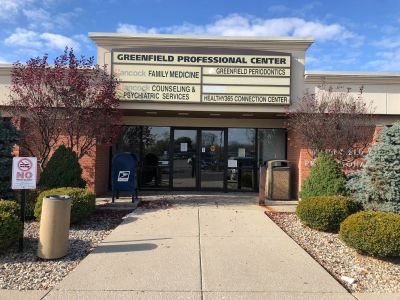
Hancock Health Connection Center
Greenfield, Indiana
120 W McKenzie Rd Suite G, Greenfield, IN 46140



Indiana Center For Recovery- Alcohol & Drug Rehab Terre Haute
Terre Haute, Indiana
135 E Hospital Ln, Terre Haute, IN 47802



Addiction Rehab Centers - ARC | Drug & Alcohol Rehab - Addiction Treatment in Indianapolis, IN
Indianapolis, Indiana
7322 Noel Rd, Indianapolis, IN 46278



Alliance MD
Michigan City, Indiana
10176 W 400 N c, Michigan City, IN 46360



Boca Recovery Center - Fort Wayne, Indiana
Fort Wayne, Indiana
111 W Berry St #211, Fort Wayne, IN 46802
CleanSlate Outpatient Addiction Medicine
Noblesville, Indiana
18051 River Rd Suite 101, Noblesville, IN 46062
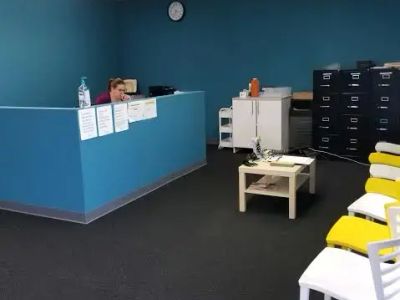


Recover Together - Connersville
Connersville, Indiana
2110 N Park Rd, Connersville, IN, 47331



See Purpose Addiction Treatment Center Indiana
Bloomfield, Indiana
3237 IN-157, Bloomfield, IN 47424



Boca Recovery Center - Indiana Drug and Alcohol Rehab
Huntington, Indiana
3040 W Park Dr, Huntington, IN 46750



Cardinal Recovery
Franklin, Indiana
1130 West Jefferson St, Franklin, IN, 46131
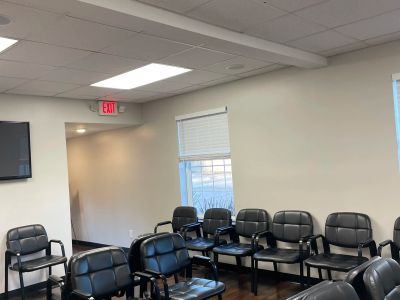

Dr. Malek’s Office – Primary Care, Senior Care & Mental Health
Evansville, Indiana
4972 Lincoln Ave #101, Evansville, IN 47715



Indiana Center for Recovery - Alcohol & Drug Rehab Center Bedford
Bedford, Indiana
1600 23rd St, Bedford, IN 47421



Indiana Center for Recovery - Alcohol & Drug Rehab Center Indianapolis
Indianapolis, Indiana
5510 S Emerson Ave, Indianapolis, IN 46237



Valley Professionals Community - Health Center
Clinton, Indiana
777 South Main street, Clinton, IN, 47842



Avenues Recovery Center at Indianapolis
Indianapolis, Indiana
7960 Shadeland Ave, Indianapolis, IN 46250


Century Villa Health Care & Rehabilitation
Greentown, Indiana
705 N Meridian St, Greentown, IN 46936


Indiana Center for Recovery
Bloomington, Indiana
1004 West 1st Street, Bloomington, IN, 47403
Why Trust Indiana Rehabs
As Hoosiers helping Hoosiers, we understand the unique challenges our communities face. Our team meticulously verifies every Indiana treatment center, ensuring you find trusted, local care that truly understands your journey.
About our listingsLevels of Care
Explore popular treatment options by levels of care, from flexible treatment in Outpatient centers to intensive care in Residential rehabs.
Maybe you find yourself replaying conversations long after they’re over or spiraling into worst-case scenarios about things other people seem to brush off. This kind of worry isn’t just everyday stress, it can feel relentless, making even simple tasks weigh heavily on your mind. If this sounds familiar, know you’re not alone: Generalized Anxiety Disorder is real, and there are clear, proven ways to manage it that can bring relief and hope back into your life.
What Is Generalized Anxiety Disorder (GAD)?
Generalized Anxiety Disorder, or GAD, is a mental health condition defined by excessive, persistent, and uncontrollable worry about a wide range of topics, from health and finances to family and work. If you're living with GAD, you might find yourself anticipating disaster and feeling anxious about things that may not have a high chance of happening. This isn't just having a "worrier" personality; it's a recognized disorder that can significantly impact your daily life.
It’s important to understand the difference between everyday stress and a clinical anxiety disorder. Everyone worries, but with GAD, the anxiety is far more intense and persistent. It’s often difficult to control and isn't tied to a single, specific concern. GAD affects millions of people; in fact, about 6.8 million adults in the U.S. experience it, which is over 3% of the population[1]. Understanding this can be a relief, it’s not a personal failing but a treatable medical condition.
Symptoms of generalized anxiety disorder (GAD)
The symptoms of GAD can be both emotional and physical, creating a constant feeling of being on edge. For a diagnosis, these symptoms typically need to be present more days than not for at least six months and interfere with your daily activities. You can learn more about the common signs on our page about anxiety disorders.
- Emotional Symptoms:
- Constant, excessive worry about many different things
- Overthinking plans and fixating on worst-case scenarios
- Difficulty concentrating or feeling like your mind "goes blank"
- Feeling irritable or easily agitated
- A sense of dread or feeling "on edge"
- Physical Symptoms:
- Fatigue and feeling tired all the time
- Muscle tension, aches, or soreness
- Trouble falling or staying asleep
- Stomachaches, nausea, or other digestive issues
- Headaches
- Restlessness or an inability to relax
Generalized anxiety disorder causes
There's no single cause for GAD. Instead, research suggests it’s a complex mix of several factors working together. Your genetics can play a role; some studies show that you're more likely to develop an anxiety disorder if it runs in your family[2]. Brain chemistry is another piece of the puzzle, as imbalances in neurotransmitters like serotonin, which helps regulate mood, can contribute to anxiety. Finally, your life experiences matter. Growing up in a stressful environment, experiencing trauma, or going through major life changes can trigger or worsen GAD.
How is generalized anxiety disorder diagnosed?
Getting a proper diagnosis is the first step toward feeling better. This process usually starts with a visit to your primary care doctor or a mental health professional. They’ll likely begin with a physical exam to make sure your symptoms aren't being caused by another medical condition, like a thyroid issue.
From there, the focus shifts to your mental health. Your provider will ask detailed questions about your symptoms, how long you've had them, and how they affect your life. Being open and honest here is key to getting an accurate diagnosis. You may also be asked to fill out a psychological questionnaire, such as the GAD-7, which helps measure the severity of your anxiety.
To confirm a GAD diagnosis, professionals use criteria from the Diagnostic and Statistical Manual of Mental Disorders (DSM-5). In simple terms, this means they'll look for excessive anxiety and worry occurring most days for at least six months, about a number of different events or activities[3]. You must also find it difficult to control the worry and experience at least three other key symptoms, like restlessness, fatigue, or muscle tension.
How is generalized anxiety disorder treated?
The good news is that GAD is highly treatable. The most effective GAD treatment plans often combine psychotherapy and medication, tailored specifically to your needs and preferences. Think of it as a two-pronged approach: therapy helps you build skills to manage your thoughts and behaviors, while medication can help balance your brain chemistry to reduce symptoms.
Your journey will be unique. Some people find great success with therapy alone, while others benefit from the support of medication. The right approach depends on factors like the severity of your symptoms and what you feel most comfortable with. It's also important to remember that lifestyle changes, like regular exercise and stress-management techniques, play a crucial complementary role. A thorough treatment plan will consider all these elements, and regular follow-up care ensures your plan stays effective as you make progress.
Psychotherapy
Psychotherapy, often called "talk therapy," is a cornerstone of effective GAD treatment. It involves working with a trained mental health professional in a safe and supportive environment to understand and change the patterns that fuel your anxiety. In therapy, you'll learn practical strategies to manage your worry, cope with triggers, and improve your overall well-being. These sessions are designed to empower you with skills that can last a lifetime, helping you navigate challenges long after therapy has concluded. Treatment can often last for a few months, giving you enough time to build a strong foundation for managing your mental health.
Cognitive behavioral therapy (CBT)
When it comes to psychotherapy for anxiety, cognitive behavioral therapy (CBT) is often considered the "gold standard." It's an evidence-based approach that is highly effective for GAD[4]. The core idea behind cognitive behavioral therapy is that our thoughts, feelings, and behaviors are all interconnected. CBT helps you identify the negative thought patterns that trigger anxiety and teaches you how to challenge and reframe them.
For example, you might automatically think, "I'm going to get fired for that small mistake." CBT would help you pause, examine that thought, and replace it with a more balanced one, like, "Mistakes happen, and I can learn from this." It's a practical, goal-oriented therapy that gives you tangible coping skills to manage anxiety in your daily life[5].
Other psychological treatment approaches
While CBT is very common, it's not the only effective therapy for GAD. A good therapist will tailor the approach to you. Other options include:
- acceptance and commitment therapy (ACT): This mindfulness-based therapy teaches you to accept anxious thoughts without letting them control you. Instead of fighting the worry, you learn to observe it without judgment and commit to actions that align with your personal values.
- Interpersonal Therapy (IPT): This approach focuses on how your relationships and social roles affect your anxiety. It can be helpful if your worry is often tied to conflicts with others or major life transitions like a new job or the loss of a loved one.
Medications
Medication is another highly effective tool for managing GAD, especially when symptoms are moderate to severe. It's often used alongside psychotherapy to provide a comprehensive approach to treatment. Medications for anxiety work by helping to correct imbalances in brain chemicals, known as neurotransmitters, that regulate your mood and stress response[3].
It’s important to know that finding the right medication and dosage can take a bit of patience. It may take several weeks to feel the full benefits, and you might need to try more than one type to find what works best for you. Working closely with your doctor or a psychiatrist is essential to monitor your progress and manage any side effects.
Selective serotonin re-uptake inhibitors (SSRIs)
SSRIs are typically the first-line medication prescribed for GAD. They work by increasing the levels of serotonin, a neurotransmitter that plays a key role in mood, in the brain. This can help reduce feelings of anxiety and improve your overall sense of well-being. Common SSRIs include fluoxetine, paroxetine, and sertraline. These antidepressants are generally considered safe for long-term use and are not habit-forming.
Other medications
If SSRIs aren't the right fit, your doctor has other options to consider. These may include:
- SNRIs (Serotonin-Norepinephrine Reuptake Inhibitors): Similar to SSRIs, these medications affect serotonin but also increase norepinephrine, another neurotransmitter involved in the stress response. Venlafaxine and duloxetine are common examples.
- Benzodiazepines: These are fast-acting sedatives like diazepam and lorazepam that can provide short-term relief from severe anxiety. However, they are used with extreme caution because they carry a high risk of dependence and addiction. They are typically only prescribed for a short period.
- Buspirone: This is another medication specifically approved for anxiety. It works differently than SSRIs and has a low risk of dependence, making it a good option for some people.
Lifestyle and home remedies
While professional treatment is key, your daily habits can make a huge difference in managing GAD symptoms. Think of these strategies as powerful tools that support your therapy and medication, creating a strong foundation for your mental health. Consistency is more important than perfection, so focus on building small, sustainable routines.
- Get regular physical activity. Exercise is a natural and effective way to reduce anxiety. Aim for at least 30 minutes of moderate activity most days of the week.
- Prioritize sleep. Anxiety can make sleep difficult, but a lack of sleep can make anxiety worse. Create a relaxing bedtime routine and aim for 7-9 hours of quality sleep per night.
- Eat a balanced diet. A healthy diet rich in fruits, vegetables, and whole grains can help stabilize your mood. Try to avoid processed foods and sugary snacks that can cause your energy to crash.
- Avoid stimulants and depressants. Caffeine can trigger anxiety and panic attacks in some people. Alcohol might seem like it calms your nerves, but it can disrupt sleep and worsen anxiety in the long run[3].
Alternative medicine
Many people find that complementary approaches that focus on relaxation can help manage the physical symptoms of stress and anxiety. Techniques like yoga, meditation, and deep breathing exercises can calm your nervous system and promote a sense of well-being. These practices help you connect with your body and stay grounded in the present moment, which can be a powerful antidote to worry. While some herbal supplements are marketed for anxiety, it's crucial to talk to your doctor before trying any. They can interact with medications and have unexpected side effects.
Finding GAD Treatment in Indiana
If you're in Indiana, there are many paths to finding the right support for GAD. Your primary care doctor is a great starting point for a referral, or you can contact your insurance company for a list of in-network mental health providers. In Indiana, you have access to different levels of care designed to meet your specific needs[6]. While provider shortages can sometimes be a challenge[7], resources are available.
Options typically include:
- Outpatient therapy: This is the most common setting, involving weekly sessions with a therapist. Our guide to outpatient care can tell you more.
- Intensive outpatient programs (IOP): These offer more structured support, with therapy sessions held several times a week.
- Residential care: This is a more intensive option, often recommended if anxiety is severe or co-occurring with another issue like substance use.
Online directories can also be incredibly helpful. You can use the SAMHSA Treatment Locator to find licensed providers near you. For local peer support and resources, connecting with an organization like NAMI Indiana can provide a sense of community and guidance.
Your Path Forward: Taking Control of Anxiety
Living with GAD can be exhausting, but it’s important to remember that it is a common and highly treatable condition[8]. You don’t have to continue feeling overwhelmed by worry. The path to managing anxiety is built on proven strategies that can help you regain a sense of control and peace.
The most effective approaches, like psychotherapy (especially CBT), medication, and supportive lifestyle changes, all work together to help you feel better. The most important step is often the first one: reaching out for help. Talking to a healthcare professional about what you’re experiencing can open the door to a treatment plan that’s right for you. Recovery is not just possible; it’s expected. You don't have to manage this alone, and there is a community of support ready to help you on your journey.
Feeling overwhelmed by worry is tough, but you don't have to go through it alone. With the right support system, including therapy and sometimes medication, you can learn to manage GAD and get back to living a life you love. If you’re ready to take the first step, we’re here to help you find the resources you need in Indiana. You can call us at (888) 568-9930 to speak with someone who understands, or explore our provider directory at Indiana Rehabs. Getting in touch is a brave first step toward a calmer future.
Frequently Asked Questions About GAD Treatment
Is GAD a serious mental illness?
How do I know if my anxiety is serious enough for treatment?
Can GAD be cured completely?
How long does it take to recover from GAD?
What is the best treatment for generalized anxiety disorder?
- Anxiety and Depression Association of America. (2024). Facts & statistics. Anxiety and Depression Association of America. adaa.org
- National Institute of Mental Health. (2019). Generalized anxiety disorder. U.S. Department of Health and Human Services, National Institutes of Health. nimh.nih.gov
- Munir, S., & Takov, V. (2022). Generalized anxiety disorder. StatPearls Publishing. ncbi.nlm.nih.gov
- Bandelow, B., Michaelis, S., & Wedekind, D. (2017). cognitive behavioral therapy for generalized anxiety disorder. Neuropsychiatric Disease and Treatment. ncbi.nlm.nih.gov
- Gyani, A., et al. (2023). Effects and predictors of outcomes of cognitive behavioral therapy for generalized anxiety disorder in a naturalistic outpatient setting. PLOS ONE. journals.plos.org
- U.S. Department of Health and Human Services. (2021). State requirements for behavioral health residential treatment: Indiana. Office of the Assistant Secretary for Planning and Evaluation. aspe.hhs.gov
- National Alliance on Mental Illness. (2023). Mental health in Indiana. NAMI. nami.org
- World Health Organization. (2023). Anxiety disorders. World Health Organization. who.int