
Rehabs for Avoidant Personality

Showing 6 of 6 Results (filtered)
Featured Rehab Centers



Boca Recovery Center - Indiana Drug and Alcohol Rehab
Huntington, Indiana
3040 W Park Dr, Huntington, IN 46750



Indiana Center for Recovery - Alcohol & Drug Rehab Center Bedford
Bedford, Indiana
1600 23rd St, Bedford, IN 47421
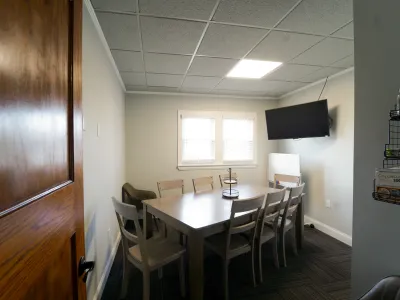


First City Recovery Center
Kokomo, Indiana
317 W Jefferson St, Kokomo, IN, 46901
Get Personalized Rehab Matches in 60 Seconds
Tell us a few details and we’ll show a personalized shortlist of verified Indiana rehabs, making it simple to compare options and choose your next step with confidence.

Woodview Psychology Group
Indianapolis, Indiana
70 E 91st Street Suite 210, Indianapolis, IN, 46240
Pinnacle Treatment Centers - 2209 John R Wooden Drive
Martinsville, Indiana
2209 John R Wooden Drive, 3rd Floor Martinsville, IN 46151
Centerstone – Pierson House
Richmond, Indiana
76 S 14th St, Richmond, IN 47374
Why Trust Indiana Rehabs
As Hoosiers helping Hoosiers, we understand the unique challenges our communities face. Our team meticulously verifies every Indiana treatment center, ensuring you find trusted, local care that truly understands your journey.
About our listingsLevels of Care
Explore popular treatment options by levels of care, from flexible treatment in Outpatient centers to intensive care in Residential rehabs.
Free · 24/7 · Confidential
Talk to a Treatment Specialist
Call now to get matched with Indiana facilities that accept your insurance.
(888) 568-9930
Free
Ins. check
4.9★
Rating
HIPAA
Protected
Can't travel to a facility?
Licensed Indiana therapists via secure video — same-week appointments, evenings & weekends available.
Imagine wanting nothing more than to reach out and be seen, yet every invitation or conversation leaves your heart racing with the fear of being misunderstood or rejected. That tug-of-war between longing for connection and the urge to retreat can make each day feel lonely and exhausting. If this sounds familiar, you’re not alone, and it’s possible to find proven support to help ease that anxiety and gently guide you toward more fulfilling, confident relationships.
What is avoidant personality disorder?
Avoidant personality disorder (AVPD) is a long-term pattern of feeling intensely shy, inadequate, and highly sensitive to criticism or rejection. It’s more than just being an introvert or occasionally feeling nervous in social settings. For someone with AVPD, the fear of what others might think is so powerful that it leads them to avoid social situations, new experiences, and even opportunities at work or school that involve interacting with people.[1]
At its heart, this personality disorder creates a painful conflict. There’s a deep, genuine desire for close relationships and a sense of belonging, but it's overshadowed by an even stronger fear of being judged, embarrassed, or found lacking. This isn't a choice to be alone; it’s a protective measure driven by persistent feelings of inadequacy. The constant worry about rejection can make it feel safer to stay on the sidelines, even when loneliness is the result. This pattern of social inhibition and avoidance is a core part of what defines an avoidant personality disorder and distinguishes it from other conditions.
What's the difference between avoidant personality disorder and social anxiety?
It’s easy to confuse avoidant personality disorder with social anxiety disorder (SAD), as both involve intense fear in social situations. However, there's a key difference. Social anxiety is typically centered on the fear of specific social or performance situations, like public speaking or meeting new people. Someone with SAD might feel perfectly comfortable with a small group of trusted friends but become overwhelmed in a large crowd.
AVPD, on the other hand, is much broader. It’s a pervasive personality disorder that affects nearly all areas of life and is rooted in a deeply negative self-concept. A person with AVPD doesn’t just fear social situations; they often carry a core belief that they are fundamentally flawed, uninteresting, or inferior to others.[1] This distorted self-view drives the avoidance, making them steer clear of relationships and opportunities across the board out of a fear of rejection. While the symptoms can overlap, the underlying cause is different, AVPD is tied to identity and self-worth, whereas SAD is more about performance anxiety in social contexts.
How common is avoidant personality disorder?
Avoidant personality disorder is more common than many people realize. Researchers estimate that about 1.5% to 2.5% of the U.S. population has AVPD.[1] While this may seem like a small percentage, it means that millions of adults are navigating these challenges every day. For context, all personality disorders combined affect about 9.1% of the U.S. population.[2] Because the symptoms can be mistaken for extreme shyness or social anxiety, many people with AVPD may not receive an accurate diagnosis for years, if at all. This highlights how important it is to seek a professional evaluation if these patterns feel familiar.
Symptoms and Causes
Understanding what AVPD looks and feels like is the first step toward finding the right support. The symptoms aren't just about feeling shy; they are consistent patterns of behavior and inner thoughts that shape a person's life. These symptoms often stem from a mix of genetic predispositions and early life experiences, creating a cycle that can be difficult to break without help. By exploring both the outward signs and the underlying causes, we can get a clearer picture of what it's like to live with this condition.

What are the symptoms of avoidant personality disorder?
The symptoms of avoidant personality disorder are centered on a deep-seated fear of rejection and persistent feelings of inadequacy. According to the diagnostic criteria, a person with AVPD will show a widespread pattern of social inhibition and hypersensitivity. Here are some of the key signs:
- Avoiding work that involves people: They may turn down promotions or choose careers that require minimal social interaction, all to avoid potential criticism from colleagues.
- Needing to be certain of being liked: Before they open up or get involved with someone, they need what feels like a guarantee that they won't be rejected.
- Holding back in relationships: Even in intimate relationships, they may show restraint and have difficulty sharing personal feelings for fear of being shamed or ridiculed.
- Worrying about criticism in social situations: There's a constant preoccupation with being criticized or rejected in everyday social interactions.
- Feeling inhibited in new situations: They often hold back when meeting new people or trying new things because of their feelings of inadequacy.
- Seeing oneself as socially inept: A core belief is that they are personally unappealing, socially awkward, or inferior to others.
- Reluctance to take risks: They are often unwilling to take personal risks or try new activities because it might lead to embarrassment.[1]
These symptoms create a cycle where the fear of rejection leads to avoidance, and the resulting isolation reinforces the belief that they are unworthy of connection.
What causes avoidant personality disorder?
There isn't one single thing that causes avoidant personality disorder. Instead, it’s believed to develop from a complex interplay of genetics and environment. Some people may be born with a more timid or anxious temperament, making them more vulnerable to developing AVPD. In fact, research suggests that genetics can play a significant role in the likelihood of developing the disorder.[1]
However, life experiences, particularly during childhood, are also powerful risk factors. Growing up in an environment where a child experiences frequent criticism, rejection, or neglect from parents or peers can shape their self-perception. If a child is consistently made to feel that they aren't good enough, they may internalize these messages and carry them into adulthood. This combination of a sensitive temperament and a difficult early environment can lay the foundation for the deep-seated feelings of inadequacy and fear of rejection that characterize AVPD.
How is avoidant personality disorder diagnosed?
Getting a proper diagnosis for avoidant personality disorder is a crucial step, and it can only be done by a qualified mental health professional, such as a psychiatrist or psychologist. There’s no blood test or scan for AVPD; instead, the diagnosis is made through a careful and thorough clinical evaluation.
The process usually starts with a detailed conversation where the professional will ask about your personal history, your relationships, and the challenges you're facing. They'll listen with empathy to understand the patterns in your thoughts, feelings, and behaviors. To make an accurate diagnosis, they will compare your symptoms to the criteria listed in the Diagnostic and Statistical Manual of Mental Disorders (DSM-5), which is the standard guide used in mental health.[1]
An important part of this evaluation is also ruling out other conditions that might have similar symptoms, like social anxiety disorder or depression. A careful diagnosis ensures that you get the most effective and tailored avoidant personality treatment for your specific needs, helping you start on a path toward feeling more confident and connected.
What is the treatment for avoidant personality disorder?
If you’re struggling with AVPD, please know that there is hope and effective help available. The primary and most effective approach for avoidant personality treatment is long-term psychotherapy, where you can build a trusting relationship with a therapist and work through the deep-seated fears that hold you back.[1] The goal of therapy isn't to change who you are, but to help you understand your patterns, challenge negative beliefs, and gradually build the confidence to engage with the world in a way that feels true to you.
In some cases, medication may also be recommended to help manage co-occurring symptoms like severe anxiety or depression. This can make it easier to engage in therapy and take those first brave steps toward connection. Treatment is a journey, not a quick fix, but with the right support, you can learn to manage the symptoms and build the fulfilling life you deserve.

Psychotherapy for AVPD
Psychotherapy, or talk therapy, is the cornerstone of treatment for AVPD. Building a strong, trusting alliance with a therapist is key, as it provides a safe space to explore the fear of rejection without actually being rejected. Several types of therapy have been shown to be effective:
- Cognitive-Behavioral Therapy (CBT): This approach helps you identify the negative thought patterns that fuel feelings of inadequacy and avoidance. A therapist using cognitive-behavioral therapy can teach you practical skills to challenge these beliefs and gradually face the social situations you fear in a controlled, supportive way.
- psychodynamic therapy: This therapy delves deeper into your past experiences and unconscious feelings to understand how they may have contributed to your current fears. By exploring the roots of your avoidance, psychodynamic therapy can help you heal from old wounds and develop healthier ways of relating to others.
- schema therapy: This is an integrative approach that helps change long-standing, deeply ingrained life patterns, or "schemas." For AVPD, it focuses on modifying core beliefs like "I am defective" or "I will be abandoned," helping you build a stronger, more positive sense of self.
Medication for AVPD
While there is no medication specifically designed to treat avoidant personality disorder itself, certain medications can be very helpful in managing related symptoms. Many people with AVPD also struggle with co-occurring conditions like anxiety and depression, which can make it even harder to function day to day.[1]
Antidepressants, particularly selective serotonin reuptake inhibitors (SSRIs), are often prescribed to help reduce the intensity of anxiety and lift the weight of depression. By easing these symptoms, medication can make it easier for you to engage more fully in psychotherapy and start applying the skills you learn in the real world. Anti-anxiety medications may also be used for short-term relief in particularly stressful situations. It's important to remember that medication works best when it's part of a comprehensive treatment plan that includes therapy.
Other approaches
Beyond individual therapy and medication, other supportive approaches can make a real difference in managing AVPD. These treatments often focus on building practical skills and strengthening your support system:
- Social Skills Training: Often done in a group setting, this training provides a safe environment to practice social interactions, like making conversation or reading social cues. It can help build confidence one step at a time.
- family therapy: Involving loved ones in therapy can help them understand what you're going through and learn how to provide support without accidentally reinforcing avoidance. family therapy can improve communication and create a more encouraging home environment.
- Lifestyle Management: Taking care of your overall well-being is crucial. Regular exercise, a balanced diet, and consistent sleep can have a significant positive impact on your mood and ability to cope with anxiety. These self-care practices are a foundational part of long-term mental health.
Finding AVPD Treatment in Indiana
Taking the step to find help is an act of courage, and here in Indiana, you have options. It’s important to look for a therapist or a treatment center with experience in helping people with personality disorders. They will understand the unique challenges of AVPD and have the expertise to guide you with compassion and skill. A good place to start is by looking for local providers who specialize in therapies like CBT or schema therapy.
Many facilities in Indiana are licensed by the Division of Mental Health and Addiction (DMHA), ensuring they meet high standards of care.[3] When it comes to paying for care, many insurance plans, including Indiana Medicaid, cover behavioral health services like psychotherapy.[4] You can find state-specific information on the Indiana DMHA Treatment Finder. Our directory at Indiana Rehabs can also help you search for qualified treatment providers in your area. If you’re ready to talk, don’t hesitate to call us. We’re here to help you navigate your options.
What is the prognosis for people with avoidant personality disorder?
It's natural to wonder about the long-term outlook when facing a diagnosis of AVPD. Avoidant personality disorder is considered a chronic condition, meaning its patterns are deeply ingrained and can persist for a long time. However, "chronic" does not mean "untreatable." With commitment to the right kind of therapy, the prognosis is hopeful, and significant improvement is absolutely possible.[1]
Treatment can help you learn to manage your fears, challenge the negative self-talk, and build the confidence to form the meaningful relationships you long for. While the diagnosis may not disappear entirely, its hold on your life can lessen dramatically. Over time, therapy can lead to a much better quality of life, with less anxiety and more connection.
Without treatment, however, AVPD can lead to other complications. The chronic isolation and low self-esteem can increase the risk of developing major depression, other anxiety disorders, or turning to substances to cope. This is why seeking professional support is so important. It’s not just about reducing symptoms; it’s about preventing further challenges and opening the door to a more fulfilling future.
A Path Forward: Embracing Support for AVPD
Living with avoidant personality disorder can feel like being stuck behind an invisible wall, watching the world go on without you. It’s a heavy burden to carry, but it doesn't have to be your story forever. While AVPD presents real and difficult challenges, it is a manageable condition, and healing is possible. The journey starts with understanding that these fears don't define who you are.
The first step, reaching out for help, is often the hardest one to take, but it's also the most powerful. A compassionate therapist can provide a safe space where you can begin to untangle the fears of rejection and build a stronger sense of self-worth. You don’t have to walk this path alone. Connection, confidence, and the fulfilling relationships you desire are within your reach.
If you're ready to explore your options, our team at Indiana Rehabs is here to help. You can call us at (888) 568-9930 or visit our contact page to start a confidential conversation. Taking that first step is a sign of incredible strength, and we're here to support you whenever you're ready.
Frequently Asked Questions About Avoidant Personality Disorder (AVPD)
Can avoidant personality disorder be cured?
What is the best therapy for avoidant personality disorder?
What happens if AVPD is left untreated?
Is AVPD a form of autism?
How can I help a loved one with avoidant personality disorder?
- Mahmoud, A. & Tadi, P. (2024). Avoidant personality disorder. StatPearls Publishing. ncbi.nlm.nih.gov
- National Alliance on Mental Illness. (2024). Mental health by the numbers. National Alliance on Mental Illness. nami.org
- U.S. Department of Health and Human Services. (August, 2021). State residential treatment for behavioral health: Indiana. ASPE. aspe.hhs.gov
- Indiana Health Coverage Programs. (February, 2022). Behavioral health services. Indiana Family and Social Services Administration. in.gov