
Rehabs for Bipolar Disorder

Showing 20 of 76 Results (filtered)
Featured Rehab Centers


1411 W County Line Rd, Suite 1411A, Greenwood, IN 46142

Parkview Health - Decatur Office
Decatur, Indiana
809 High Street, Decatur, IN, 46733



Addiction Rehab Centers - ARC At Bayside | Indianapolis Drug & Alcohol Rehab
Indianapolis, Indiana
5929 Lakeside Blvd, Indianapolis, IN 46278
Get Personalized Rehab Matches in 60 Seconds
Tell us a few details and we’ll show a personalized shortlist of verified Indiana rehabs, making it simple to compare options and choose your next step with confidence.



Addiction Rehab Centers - ARC at Fox Hill | Drug & Alcohol Rehab - Mooresville Indiana
Mooresville, Indiana
12168 N Mann Rd, Mooresville, IN 46158


1185 County Rd 1000 W, Linton, IN 47441

Centerstone Recovery Transitional Housing
Columbus, Indiana
1680 Whitney Ct, Columbus, IN 47203

Crossroads Healing Center - Addiction & Mental Health Treatment in Indiana
Connersville, Indiana
450 Erie Ave, Connersville, IN 47331

Foundations Counseling Center
Merrillville, Indiana
8973 Broadway, Merrillville, IN 46410
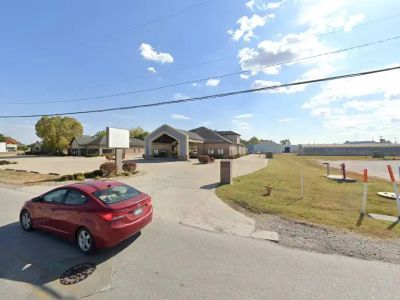


Indiana Center For Recovery- Alcohol & Drug Rehab Terre Haute
Terre Haute, Indiana
135 E Hospital Ln, Terre Haute, IN 47802



Addiction Rehab Centers - ARC | Drug & Alcohol Rehab - Addiction Treatment in Indianapolis, IN
Indianapolis, Indiana
7322 Noel Rd, Indianapolis, IN 46278



Boca Recovery Center - Fort Wayne, Indiana
Fort Wayne, Indiana
111 W Berry St #211, Fort Wayne, IN 46802



Evolve Indy
Indianapolis, Indiana
8770 Guion Rd, Indianapolis, IN, 46268


Boca Recovery Center - Indiana Drug and Alcohol Rehab
Huntington, Indiana
3040 W Park Dr, Huntington, IN 46750


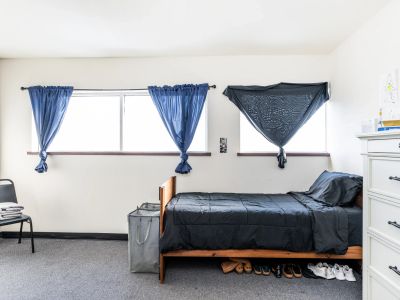
Cardinal Recovery
Franklin, Indiana
1130 West Jefferson St, Franklin, IN, 46131






Indiana Center for Recovery - Alcohol & Drug Rehab Center Bedford
Bedford, Indiana
1600 23rd St, Bedford, IN 47421


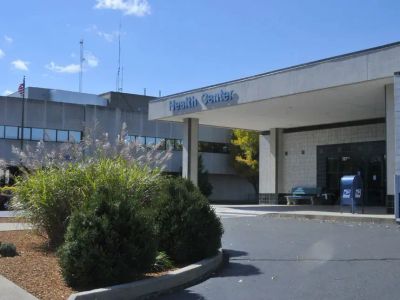
Valley Professionals Community - Health Center
Clinton, Indiana
777 South Main street, Clinton, IN, 47842



Avenues Recovery Center at Indianapolis
Indianapolis, Indiana
7960 Shadeland Ave, Indianapolis, IN 46250



Century Villa Health Care & Rehabilitation
Greentown, Indiana
705 N Meridian St, Greentown, IN 46936
232 West Van Buren Street Suite 103, Columbia City, IN 46725
Why Trust Indiana Rehabs
As Hoosiers helping Hoosiers, we understand the unique challenges our communities face. Our team meticulously verifies every Indiana treatment center, ensuring you find trusted, local care that truly understands your journey.
About our listingsLevels of Care
Explore popular treatment options by levels of care, from flexible treatment in Outpatient centers to intensive care in Residential rehabs.
Free · 24/7 · Confidential
Talk to a Treatment Specialist
Call now to get matched with Indiana facilities that accept your insurance.
(888) 568-9930
Free
Ins. check
4.9★
Rating
HIPAA
Protected
Can't travel to a facility?
Licensed Indiana therapists via secure video — same-week appointments, evenings & weekends available.
Imagine waking up each day unsure whether you’ll be swept up in a rush of unstoppable energy or dragged down by a heaviness that colors everything gray. Living with bipolar disorder can feel like riding a rollercoaster you never asked to board, with sharp turns you can’t anticipate and no clear way to slow things down. If this sounds all too familiar, know that you’re not alone, and more importantly, that there are proven approaches and steady hands ready to help you find balance, no matter how unpredictable things may seem right now.

What is bipolar disorder?
At its core, bipolar disorder is a chronic mental health condition that causes intense, unusual shifts in a person's mood, energy, activity levels, and concentration. These shifts are much more severe than the normal ups and downs that everyone experiences. They are distinct periods, known as mood episodes, that can make it difficult to carry out day-to-day tasks.
Think of it like a pendulum swinging between two extremes. On one side, you have mania or hypomania, periods of high energy, elevated mood, and sometimes irritability. On the other side, you have depression, periods of deep sadness, hopelessness, and a loss of interest in activities you once enjoyed. These swings aren't just fleeting feelings; they can last for days, weeks, or even months, impacting work, relationships, and overall health.
It’s a condition that affects millions. Across the United States, about 2.8% of adults live with bipolar disorder[1]. Here in Indiana, the impact of serious mental illnesses, which include bipolar disorder, is significant, affecting an estimated 5.9% of the population[2]. If you’re navigating these challenges, it’s crucial to remember that this is a treatable medical condition, not a personal failing or a sign of weakness. With the right support and treatment, finding stability is entirely possible.
What are the types of bipolar disorder?
Bipolar disorder isn't a one-size-fits-all diagnosis. It exists on a spectrum, and clinicians categorize it into several types based on the specific patterns and severity of the mood episodes someone experiences. Understanding these distinctions is a key step toward getting an accurate diagnosis and finding the most effective treatment. The primary types are Bipolar I, Bipolar II, and Cyclothymic Disorder.
Sometimes, people wonder about the difference between bipolar disorder and borderline personality disorder (BPD). While both can involve mood instability, the key difference lies in the timing. In bipolar disorder, mood shifts happen in distinct episodes that can last for weeks or months. With BPD, emotional shifts are often much more rapid, triggered by interpersonal events, and can change from moment to moment within the same day.
Bipolar I Disorder
Bipolar I disorder is defined by the presence of at least one full manic episode. A manic episode isn't just a burst of energy; it's a period of at least one week where someone has an abnormally elevated, expansive, or irritable mood, along with a significant increase in energy or activity. This state is so severe that it causes noticeable difficulty at work, school, or in relationships, and it may even require hospitalization to ensure safety. Some people with bipolar I also experience psychosis, such as hallucinations or delusions, during a manic episode. While most people with bipolar I also experience major depressive episodes, they are not required for a diagnosis.
Bipolar II Disorder
Bipolar II disorder involves a pattern of at least one hypomanic episode and at least one major depressive episode. Hypomania is a less severe form of mania. While it involves a similar increase in energy and mood, it’s not intense enough to cause major impairment in social or occupational functioning or to require hospitalization. However, the depressive episodes in bipolar II can be just as severe and long-lasting as those in bipolar I, and they are often the primary reason a person seeks help. The periods of depression can be incredibly debilitating, making this condition just as serious.
Cyclothymic Disorder
Cyclothymic disorder, or cyclothymia, is diagnosed when a person experiences numerous periods of hypomanic symptoms and periods of depressive symptoms for at least two years (one year in children and adolescents). The key here is that the symptoms are not severe enough to meet the full criteria for a hypomanic or major depressive episode. People with cyclothymic disorder experience a chronic, fluctuating mood that is often described as a milder form of bipolar disorder. While less severe, the constant up-and-down pattern can be very disruptive to life and relationships[3].
| Feature | Bipolar I Disorder | Bipolar II Disorder | Cyclothymic Disorder |
|---|---|---|---|
| Manic Episodes | At least one full manic episode | No full manic episodes | No full manic episodes |
| Hypomanic Episodes | May occur, but not required | At least one hypomanic episode | Numerous periods of hypomanic symptoms |
| Depressive Episodes | Common, but not required for diagnosis | At least one major depressive episode | Numerous periods of depressive symptoms |

How is bipolar disorder diagnosed?
Getting a correct diagnosis for bipolar disorder is the first critical step toward managing it, but it’s not always straightforward. There isn’t a simple blood test or brain scan that can give a definitive answer. Instead, a diagnosis comes from a comprehensive evaluation by a qualified mental health professional, like a psychiatrist.
This process usually involves several key components:
- A Physical Exam: A doctor will likely perform a physical exam and may order blood tests to rule out other medical conditions that can mimic the symptoms of bipolar disorder, such as thyroid problems or other neurological issues.
- A Psychiatric Assessment: This is a detailed conversation with a mental health provider about your thoughts, feelings, and behaviors. They will ask about your specific symptoms, when they started, and how they’ve impacted your life. It’s incredibly important to be open and honest during this evaluation. Sharing information about all your symptoms, including periods of high energy and impulsivity, not just the depression, is vital. A family history of bipolar disorder or other mental health conditions is also relevant, so be prepared to discuss that.
- Mood Charting: Your provider might ask you to keep a daily record of your moods, sleep patterns, and energy levels. This can help both you and your doctor identify the patterns of highs and lows that are characteristic of bipolar disorder.
One of the biggest challenges in diagnosis is that people often seek help during a depressive episode, without mentioning past periods of hypomania. This can lead to a misdiagnosis of major depression. An incorrect diagnosis can be problematic because treatments for depression alone can sometimes trigger mania in people with bipolar disorder. That's why providing a complete picture of your experiences, including any times you felt unusually energetic, productive, or irritable, is so important for an accurate mental health assessment and a proper treatment plan[4].

Treatment for bipolar disorder
Once a diagnosis is confirmed, the focus shifts to treatment. It’s helpful to view bipolar disorder treatment not as a cure, but as a lifelong commitment to managing symptoms and maintaining stability. The goal is to smooth out the highs and lows, prevent relapse, and allow you to live a full, productive life. For most people, the most effective strategy is a combination of medication, therapy, and healthy lifestyle habits[5]. Sticking with a treatment plan is crucial, as consistency is key to long-term wellness and better outcomes[3]. For those who may also be dealing with substance use alongside bipolar disorder, specialized dual diagnosis treatment is often the most effective path forward.
What medications are used to treat bipolar disorder?
Medication is almost always the cornerstone of bipolar disorder treatment, as it directly helps to stabilize mood and prevent new episodes. Finding the right medication or combination of medications can take some time and collaboration with your psychiatrist, but it is essential for long-term management. The main classes of medications used include:
- Mood Stabilizers: These are typically the first-line treatment for bipolar disorder. Medications like lithium, valproic acid, and lamotrigine work to control manic and hypomanic episodes and are used for long-term maintenance.
- Atypical Antipsychotics: Drugs such as olanzapine, risperidone, quetiapine, and aripiprazole can be used to treat acute manic or mixed episodes. Some are also approved for long-term use as mood stabilizers, either alone or with another medication like lithium.
- Antidepressants: These are used with caution. While they treat depressive episodes, they can sometimes trigger mania if taken alone. For this reason, a doctor will almost always prescribe an antidepressant alongside a mood stabilizer or antipsychotic in patients with bipolar disorder.
Talking therapies for bipolar disorder
While medication works on the biological aspects of the illness, psychotherapy, or "talk therapy," is crucial for developing the skills to manage it. Therapy provides a space to understand the illness, cope with its effects, and build a healthier life. Some of the most effective evidence-based therapies include:
- cognitive behavioral therapy (CBT): This therapy helps you identify and change the unhealthy negative thoughts and behaviors associated with mood episodes. cognitive behavioral therapy can teach you practical coping skills for dealing with symptoms.
- Interpersonal and Social Rhythm Therapy (IPSRT): IPSRT focuses on stabilizing daily rhythms, particularly routines related to sleep, diet, and exercise. The idea is that maintaining a consistent schedule can help regulate your biological clock and, in turn, your moods.
- psychoeducation: Simply learning about bipolar disorder is a powerful tool. psychoeducation teaches you and your family about the illness, its symptoms, and its treatment, which empowers everyone to manage it more effectively.
- Family-Focused Therapy: Bipolar disorder doesn’t just affect the individual; it impacts the whole family. This therapy helps family members improve communication, learn to solve problems together, and build a supportive home environment.
Lifestyle and home remedies
Your daily habits can have a huge impact on your mood and overall stability. These lifestyle adjustments are not a replacement for professional treatment, but they are powerful tools that support your recovery.
- Maintain a consistent sleep schedule. Aim for 7-9 hours of sleep per night and try to go to bed and wake up around the same time every day, even on weekends. Disrupted sleep is a major trigger for mood episodes.
- Engage in regular, moderate exercise. Physical activity is a natural mood booster and can help with both depression and anxiety. Aim for about 30 minutes of moderate activity most days of the week.
- Eat a balanced, nutritious diet. While no specific diet cures bipolar disorder, a healthy diet rich in fruits, vegetables, and whole grains supports overall brain health.
- Avoid alcohol and recreational drugs. These substances can interfere with medications and trigger mood episodes.
- Practice stress-management techniques. Chronic stress can worsen symptoms. Techniques like mindfulness, yoga, or meditation can help you stay calm and centered.
- Keep a mood journal. Tracking your daily mood, sleep, and activities can help you and your doctor recognize triggers and identify the early warning signs of a new episode.
Finding Bipolar Disorder Treatment in Indiana
Knowing you need help is one thing; finding the right care is another. Here in Indiana, there are many resources available to guide you on your path to wellness. Taking that first step can feel overwhelming, but you don't have to do it alone.
At Indiana Rehabs, we're here to help you connect with providers who specialize in treating bipolar disorder. Our directory is a straightforward tool designed to help you find the support you need, close to home. Here’s how you can get started:
- Explore Local Providers: You can use our directory to find mental health facilities and professionals in your area. You can filter your search based on the specific services you need.
- Filter for Specialized Care: It's common for people with bipolar disorder to also struggle with substance use. If this is part of your experience, you can filter for facilities that offer dual diagnosis treatment to address both conditions at the same time.
- Verify Your Insurance: Understanding your coverage is a critical step. Our platform can help you with insurance navigation to see which providers are in-network with your plan.
Beyond our directory, there are other valuable resources in the state. Organizations like the NAMI Indiana and other support groups offer peer support and educational programs for individuals and families affected by mental illness[6]. Additionally, the Indiana DMHA provides information on public mental health services. For a nationwide database, SAMHSA's Treatment Locator is another excellent tool.

Your Path to Stability and Wellness
Living with bipolar disorder presents real challenges, but it's important to hold onto this truth: it is a manageable condition. While it is a serious, chronic illness, it does not have to define your life. With the right combination of professional care, medication, therapy, and dedicated self-management, you can lead a full, stable, and productive life.
The journey to wellness is a marathon, not a sprint. It requires patience, commitment, and a willingness to ask for help. Building a strong support system is one of the most powerful things you can do. This includes your doctors and therapists, but also your friends and family who can offer understanding and encouragement along the way.
Feeling empowered starts with taking the next small, manageable step. That could mean talking to your doctor about your symptoms for the first time, exploring treatment options, or reaching out to a support group. Remember, stability is not about eliminating all of life's ups and downs; it's about learning to navigate them with the right tools and support.
Finding balance with bipolar disorder is possible, and your journey toward a healthier, more stable life can begin today. If you're ready to take the next step, our team at Indiana Rehabs is here to help you find the care you deserve. You can explore providers on our site, or if you'd prefer to talk to someone right away, please call us at (888) 568-9930. Please don't hesitate to contact us for guidance. You are not alone, and help is available.
Frequently Asked Questions About Bipolar Disorder
What is the main cause of bipolar disorder?
Can bipolar disorder be cured?
What are the signs of bipolar in a woman?
Is bipolar I or II worse?
What happens if bipolar disorder is left untreated?
Can you live a normal life with bipolar disorder?
- National Alliance on Mental Illness. (2025). Mental health by the numbers. National Alliance on Mental Illness. nami.org
- (10-13-2023). Economic burden associated with untreated mental illness in Indiana. JAMA Health Forum. jamanetwork.com
- Substance Abuse and Mental Health Services Administration. (n.d.). Indiana 2019 URS output tables. Substance Abuse and Mental Health Services Administration. samhsa.gov
- U.S. Department of Health & Human Services. (2021). State residential treatment for behavioral health: Indiana. U.S. Department of Health & Human Services. aspe.hhs.gov
- Indiana Family and Social Services Administration. (2021). Substance Use Disorder (SUD)/Serious Mental Illness (SMI) treatment. Indiana Medicaid. in.gov
- National Alliance on Mental Illness. (n.d.). Indiana GRPA Data Sheet. National Alliance on Mental Illness. nami.org