
Rehabs for Excoriation (Skin-Picking)

Showing 8 of 8 Results (filtered)
Featured Rehab Centers



1185 County Rd 1000 W, Linton, IN 47441


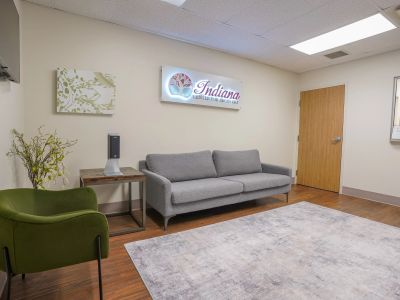
Indiana Center For Recovery- Alcohol & Drug Rehab Terre Haute
Terre Haute, Indiana
135 E Hospital Ln, Terre Haute, IN 47802



Boca Recovery Center - Indiana Drug and Alcohol Rehab
Huntington, Indiana
3040 W Park Dr, Huntington, IN 46750
Get Personalized Rehab Matches in 60 Seconds
Tell us a few details and we’ll show a personalized shortlist of verified Indiana rehabs, making it simple to compare options and choose your next step with confidence.



Indiana Center for Recovery - Alcohol & Drug Rehab Center Bedford
Bedford, Indiana
1600 23rd St, Bedford, IN 47421
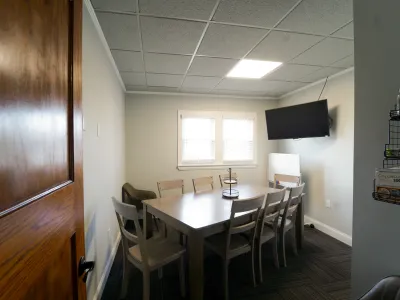

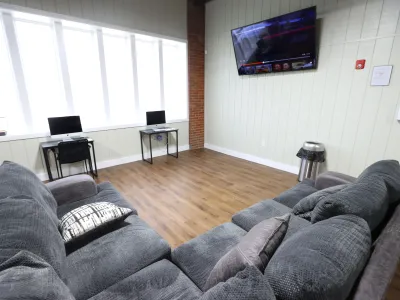
First City Recovery Center
Kokomo, Indiana
317 W Jefferson St, Kokomo, IN, 46901
Ascension Medical Group St Vincent - Kokomo Primary Care
Kokomo, Indiana
188 E Southway Blvd Kokomo, IN 46902
Pinnacle Treatment Centers - 2209 John R Wooden Drive
Martinsville, Indiana
2209 John R Wooden Drive, 3rd Floor Martinsville, IN 46151
Centerstone – Pierson House
Richmond, Indiana
76 S 14th St, Richmond, IN 47374
Why Trust Indiana Rehabs
As Hoosiers helping Hoosiers, we understand the unique challenges our communities face. Our team meticulously verifies every Indiana treatment center, ensuring you find trusted, local care that truly understands your journey.
About our listingsLevels of Care
Explore popular treatment options by levels of care, from flexible treatment in Outpatient centers to intensive care in Residential rehabs.
Free · 24/7 · Confidential
Talk to a Treatment Specialist
Call now to get matched with Indiana facilities that accept your insurance.
(888) 568-9930
Free
Ins. check
4.9★
Rating
HIPAA
Protected
Can't travel to a facility?
Licensed Indiana therapists via secure video — same-week appointments, evenings & weekends available.
Maybe you know the sensation well, a sudden, restless urge that builds until your fingers find a patch of skin, a moment’s relief as you pick, followed by that all-too-familiar wave of shame or frustration. It can feel isolating, like you’re the only one trapped in this private cycle, wondering why it’s so hard to just stop. But this struggle is not a personal failing; it’s a real, recognized condition with roots deeper than willpower alone. There are compassionate, evidence-based treatments that can help you break free and find lasting relief.
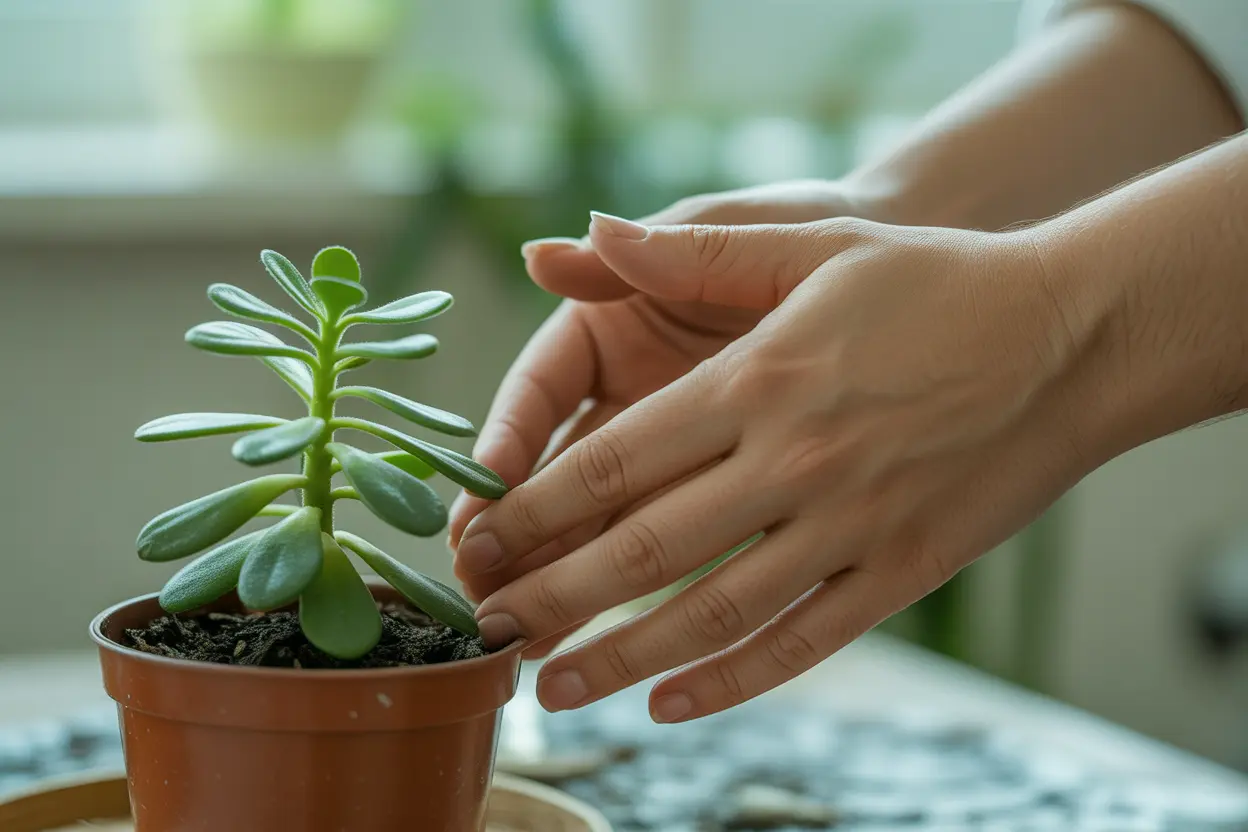
What is dermatillomania?
Dermatillomania, which is also known as excoriation disorder or skin-picking disorder, is a recognized mental health condition, not just a "bad habit." It’s defined by the repetitive and compulsive picking of your own skin, often to the point where it causes tissue damage. It’s more common than you might think, with studies suggesting that it affects a significant portion of the population at some point in their lives[1]. Because of the shame and secrecy that often surround the behavior, many people never seek treatment.
So, does everyone who picks their skin have this disorder? Not at all. The key difference between an occasional habit and a clinical disorder is the impact it has on your life. For a diagnosis of excoriation disorder, the skin picking must cause significant emotional distress or get in the way of your daily life, relationships, or work[2]. It often co-exists with conditions like obsessive-compulsive disorder (OCD), where the urge feels uncontrollable and persistent.
What are the symptoms of dermatillomania?
The signs and symptoms of dermatillomania go beyond just the physical act of picking. They create a cycle that can feel impossible to break. Key symptoms include:
- Recurrent skin picking that results in skin lesions, sores, or scarring.
- Making repeated, unsuccessful attempts to decrease or stop the behavior.
- Feeling significant distress, shame, or anxiety about the skin picking.
- The behavior interferes with important areas of life, such as social events, work, or school.
Picking can be "automatic," where you do it without really thinking, or "focused," where it’s a very intentional response to an urge or a skin imperfection. This behavior commonly targets the face, arms, and hands, but it can happen anywhere on the body. The physical effects are often visible, leading to sores, infections, and permanent scarring, which only fuels the cycle of distress.
What causes the condition?
There isn’t one single cause of skin-picking disorder. Instead, it’s believed to result from a mix of genetic, biological, and environmental factors. For many, the picking starts in response to triggers. These can be emotional, like feelings of stress, boredom, or anxiety, which create an urge that picking seems to relieve, even if only for a moment. It can also be triggered by physical sensations, like an itch, or seeing or feeling a pimple, scab, or other irregularity on the skin. The condition frequently appears alongside other mental health disorders, such as OCD, depression, and various anxiety disorders, suggesting a shared underlying vulnerability.

How is dermatillomania treated, and is there a cure?
When you start looking for skin picking treatment, the main goal is to help you reduce the behavior, learn to manage the urges, and allow your skin to heal. While there isn't a "cure" in the traditional sense, dermatillomania is a highly treatable condition. With the right support, many people find lasting relief and learn to manage their symptoms effectively so it no longer controls their lives. The most effective treatments usually involve a combination of therapy and, in some cases, medication to address the root causes and behaviors[3].
Psychotherapy
Therapy is the cornerstone of treatment for skin-picking disorder. One of the most effective approaches is a type of behavioral therapy called Habit Reversal Training (HRT). This therapy has a few key parts: first, you learn to become more aware of when and why you pick (awareness training). Next, you develop a "competing response", a different, harmless action to do with your hands when you feel the urge to pick, like clenching your fists or playing with a fidget toy. Finally, it involves building a strong social support system to encourage you along the way[4]. Other helpful forms of psychotherapy include cognitive behavioral therapy (CBT), which helps you challenge the thoughts and beliefs that drive the picking, and acceptance and commitment therapy (ACT), which teaches you how to notice urges without having to act on them.
Medicines for skin picking disorder
While therapy is the first-line treatment, medications can be a helpful tool, especially when skin picking co-occurs with other conditions like anxiety or depression. A healthcare provider might consider prescribing Selective Serotonin Reuptake Inhibitors (SSRIs), which are commonly used for anxiety and depression and can help reduce the compulsive urges associated with picking. Other medications have also shown promise in studies. These include N-acetylcysteine (NAC), an amino acid supplement that can help regulate brain chemicals tied to impulse control, and memantine, a medication that has also been found to reduce compulsive behaviors in some people.
What happens at your appointment
Taking that first step to get help can feel intimidating, but it’s simpler and more supportive than you might imagine. The process usually starts with a consultation with a mental health professional, like a therapist or psychiatrist, or sometimes a dermatologist who can assess any skin damage. Your first appointment is just a conversation. You can expect a non-judgmental healthcare provider to ask about your symptoms, how they affect your life, and your general medical history. This isn't about placing blame; it's about understanding what you're going through so they can help.
The condition is diagnosed based on the criteria in the Diagnostic and Statistical Manual of Mental Disorders (DSM-5), not through lab tests or scans[5]. It's important to find a specialist who has experience with Body-Focused Repetitive Behaviors (BFRBs). If you're looking for help in Indiana, a great place to start is the official state resource for certified mental health specialists. You can find a specialist in Indiana through their directory to ensure you connect with someone qualified to help.
What's the outlook for this condition?
The outlook for skin-picking disorder is genuinely hopeful. While it can be a long-term condition that requires ongoing management, it is absolutely treatable. Recovery is a journey of developing new, healthier coping skills to replace the picking behavior. With effective treatments like HRT and a strong support system, you can significantly reduce the symptoms and heal both your skin and your relationship with yourself[6]. It takes courage and practice, but a life where you feel in control is entirely possible. Taking the first step to ask for help is not a sign of weakness, it's a profound act of strength and self-care. You don't have to carry this burden alone.
You’ve already taken a brave step by seeking out this information. Understanding that this is a real condition is the beginning of healing. With compassionate, evidence-based treatment, you can learn to manage the urges and break free from the cycle of picking. If you’re ready to talk to someone who understands, our team at Indiana Rehabs is here to listen without judgment. You can reach our confidential helpline anytime by calling (888) 568-9930 or by reaching out through our contact page. We're here to help you find the path forward.
Frequently Asked Questions About Skin Picking Treatment
How do I stop the urge to pick my skin?
What kind of doctor treats dermatillomania?
Is skin picking a form of self-harm?
Is dermatillomania a type of OCD?
Can you get dermatillomania in your 30s?
- Es-haghi, M., et al. (April, 2023). Prevalence and gender distribution of excoriation (skin-picking) disorder: A systematic review and meta-analysis. Annals of Clinical Psychiatry. pmc.ncbi.nlm.nih.gov
- Salyers, M. S., & Smith, A. C. (07-14-2022). Excoriation Disorder: Assessment, Diagnosis, and Treatment. The Professional Counselor. tpcjournal.nbcc.org
- Grant, J. E., & Chamberlain, S. R. (11-05-2021). Trichotillomania and Skin-Picking Disorder: An Update. Focus (American Psychiatric Publishing). pmc.ncbi.nlm.nih.gov
- Karamustafalıoğlu, N., et al. (01-27-2025). A systematic review of nonpharmacological treatment options for skin picking disorder. Psychiatry and Clinical Psychopharmacology. pubmed.ncbi.nlm.nih.gov
- U.S. Department of Health & Human Services. (August, 2021). INDIANA | State Residential Treatment for Behavioral Health. U.S. Department of Health & Human Services. aspe.hhs.gov
- National Health Service. (05-02-2025). Skin picking disorder. NHS. nhs.uk