
Homicidal Ideation / Violence Risk Treatment in Indiana



Showing 9 of 9 Results (filtered)
Featured Rehab Centers

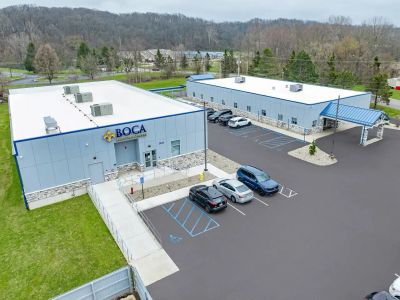

Boca Recovery Center - Indiana Drug and Alcohol Rehab
Huntington, Indiana
3040 W Park Dr, Huntington, IN 46750



Indiana Center for Recovery - Alcohol & Drug Rehab Center Bedford
Bedford, Indiana
1600 23rd St, Bedford, IN 47421



First City Recovery Center
Kokomo, Indiana
317 W Jefferson St, Kokomo, IN, 46901
Get Personalized Rehab Matches in 60 Seconds
Tell us a few details and we’ll show a personalized shortlist of verified Indiana rehabs, making it simple to compare options and choose your next step with confidence.

Centerstone - Mapleview Apartments
Columbus, Indiana
2999 9th St, Columbus, IN 47201


Oaklawn Psychiatric Center - Oakland Avenue
Elkhart, Indiana
2600 Oakland Avenue, Elkhart, IN 46517


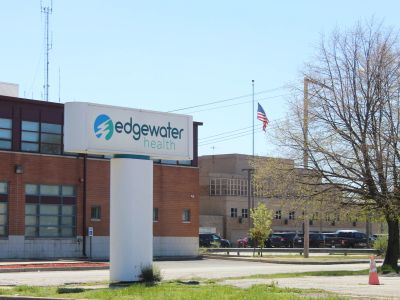
Edgewater Health
Gary, Indiana
1110 West 6th Avenue, Gary, IN, 46402
Centerstone - Main Street
Martinsville, Indiana
952 S. Main Street Martinsville, IN 46151
Mishawaka Campus
Mishawaka, Indiana
1411 Lincolnway West Mishawaka, IN 46544
Centerstone – Pierson House
Richmond, Indiana
76 S 14th St, Richmond, IN 47374
Why Trust Indiana Rehabs
As Hoosiers helping Hoosiers, we understand the unique challenges our communities face. Our team meticulously verifies every Indiana treatment center, ensuring you find trusted, local care that truly understands your journey.
About our listingsLevels of Care
Explore popular treatment options by levels of care, from flexible treatment in Outpatient centers to intensive care in Residential rehabs.
Free · 24/7 · Confidential
Talk to a Treatment Specialist
Call now to get matched with Indiana facilities that accept your insurance.
(888) 568-9930
Free
Ins. check
4.9★
Rating
HIPAA
Protected
Can't travel to a facility?
Licensed Indiana therapists via secure video — same-week appointments, evenings & weekends available.
Imagine standing in a tense moment, trying to tell if someone’s outburst comes from a passing storm of emotion or a deeper risk that could put themselves or others in real danger. How do professionals sort through all that uncertainty and decide what steps keep everyone safe? Violence risk assessment isn’t about guessing who might cause harm; it’s a careful, evidence-based process rooted in planning and prevention, helping guide choices in even the most difficult situations.

What is a Violence Risk Assessment?
A violence risk assessment is a systematic and evidence-based process used by trained professionals to understand the likelihood that an individual may act violently in the future. It’s not about predicting the future with a crystal ball. Instead, the core purpose of this evaluation is to get a clear picture of the specific factors contributing to someone’s risk, and then to create a practical plan for management and safety. The goal is always prevention and intervention, not just labeling a person as "dangerous."[1]
Think of it as developing a roadmap for safety. This process helps identify ways to support the individual and protect the community by addressing the root causes of concerning behavior. This kind of specialized clinical assessment is conducted by qualified mental health or forensic professionals who use structured tools and their clinical judgment. They gather information from multiple sources, like interviews, records, and psychological testing, to form a comprehensive view. It's a key part of a larger strategic prevention framework focused on planning and proactive support.[2] Many national organizations, like the Suicide Prevention Resource Center's assessment toolkit, provide frameworks that show how structured these evaluations can be.
Risk Factors
The foundation of any good violence risk assessment is an understanding of empirically supported risk factors. These aren't just guesses; they are specific, research-backed variables that are associated with an increased likelihood of violence. Clinicians organize these factors into different categories to better understand the nature of the risk and, most importantly, to figure out the best way to help. By looking at a person's history, current situation, and personal strengths, an assessor can build a complete picture. This involves looking at things that can't be changed (static factors), things that can (dynamic factors), and positive influences that can help lower risk (protective factors).[1]
Static Factors
Static risk factors are historical and, by their nature, unchangeable. They are the parts of a person's story that are already written. While you can't go back and alter them, they provide crucial context for understanding an individual's baseline risk. Think of them as the foundation upon which current risks are built. Examples of common static factors include:
- A history of violent behavior in the past
- Age at the first violent incident (younger is often a higher risk indicator)
- A documented criminal history
- A history of childhood trauma or abuse
- Certain long-standing personality traits or disorders
Understanding these historical factors helps create a more complete and accurate picture of an individual’s journey and potential challenges.
Dynamic Factors
Dynamic factors are the game-changers. These are the changeable aspects of a person's life, and they are the primary focus of any intervention or safety plan. Because they can be modified, they represent opportunities to actively reduce risk. Addressing these factors is where real, positive change can happen. Some key dynamic factors include:
- Active substance abuse: Ongoing drug or alcohol use is a significant contributor to violent behavior for some individuals.
- Mental health symptoms: Untreated symptoms of psychosis, impulsivity, or anger can increase risk.
- Attitudes and beliefs: Holding hostile views or believing that violence is a justified way to solve problems.
- Social situation: Lack of stable housing, unemployment, or association with antisocial peers.
- Treatment compliance: Not taking prescribed medication or refusing to engage in therapy.
On the flip side are protective factors, which are positive influences that can buffer against risk. These are strengths to be built upon, such as strong family support, engagement in treatment, having a stable job, or possessing good problem-solving skills. A comprehensive risk management plan will always aim to decrease dynamic risk factors while boosting these protective ones.

Methods to Assess Violence Risk
When it comes to the "how" of a violence risk assessment, professionals generally rely on two primary methodologies. The choice between them often depends on the setting, for example, a court-ordered forensic evaluation might use a different approach than a clinical assessment in a hospital. The specific questions being asked and the amount of information available also play a big role. Both methods aim to provide a structured, evidence-based approach to a very complex question, moving far beyond simple intuition.
Actuarial Assessment of Violence Risk
The actuarial approach is a statistical, algorithm-based method. It functions much like the formulas insurance companies use to calculate risk. This type of assessment uses a fixed set of proven risk factors, and each factor is given a weight. The process generates a numerical score or a statistical probability of future violence. A well-known example of an actuarial tool is the STATIC-99, which is used to assess the risk of sexual reoffending.
The main strength of actuarial risk assessment tools is their objectivity and consistency. Since the rules are fixed, two different evaluators using the same tool should arrive at the same score. However, their biggest limitation is their rigidity. The instrument might predict that there is a 10% risk of violence, but it does not consider individual situations or context. It can't account for unique personal circumstances, recent life changes, or the presence of strong protective factors that aren't on its checklist.
Structured Professional Judgment (SPJ)
Structured Professional Judgment (SPJ) offers a more flexible, hybrid approach. This method combines a standardized set of evidence-based risk factors with the clinician's expertise and experience. Instead of producing a simple score, an SPJ assessment results in a reasoned, qualitative summary of risk. It answers not just "if" but "why," "when," and "how" an individual might be violent.
This approach guides the professional through a review of key risk and protective factors but leaves the final conclusion to their clinical decision-making. Prominent SPJ tools include the HCR-20 (Historical Clinical Risk Management-20) and the PCL-R (Psychopathy Checklist-Revised). The great advantage of SPJ is its focus on risk management. It’s designed to be a practical tool that helps create individualized safety plans by identifying specific targets for intervention.[3] This makes it incredibly useful in real-world clinical settings where the goal is to help people change.
Finding a Violence Risk Assessment Professional in Indiana
It’s important to know that violence risk assessments are not conducted by every therapist. This is a specialized area of practice, typically handled by forensic psychologists, forensic psychiatrists, or other mental health professionals with specific training and experience in this field. These clinicians often work in legal, correctional, or inpatient psychiatric settings.
If you or a loved one needs this type of evaluation, it's best to look for professionals who specialize in "forensic assessment," "threat assessment," or work with individuals with severe mental illness. In Indiana, behavioral health facilities must be certified by the Indiana Division of Mental Health and Addiction (DMHA), ensuring they meet specific standards of care.[4] For those looking for local resources, the IU School of Medicine CHAMP Program offers resources that can help point you toward qualified professionals in the state. If you are facing an urgent situation and need immediate guidance, please visit our page on crisis resources.
The Path Forward: Safety, Understanding, and Support
At its heart, a violence risk assessment is a forward-looking tool designed to create safer outcomes for everyone involved, the individual, their family, and the community. Its true purpose is not to punish or stigmatize but to shed light on a difficult situation and guide helpful, effective interventions. It's about replacing fear with a plan and uncertainty with understanding.
By identifying specific risk factors that can be changed and building on a person's unique strengths, these assessments open the door to meaningful support. This aligns with modern, trauma-informed approaches that aim to prevent violence by connecting people with the services they need.[5] The path forward is one of safety, proactive treatment, and compassion. If you are feeling overwhelmed, remember that seeking professional help is a sign of strength, not shame. Engaging with family resources and other support systems can make all the difference.
Understanding the complexities of violence risk is the first step toward creating a safer future. It’s about careful analysis and thoughtful planning, not judgment. If you have questions or need help finding a qualified professional in Indiana, our team at Indiana Rehabs is here to connect you with the right resources. You can explore our directory or call us at (888) 568-9930 to speak with someone who can help. Taking that step to reach out for help is a brave move toward safety and support.
Frequently Asked Questions About Violence Risk Assessment
What are some common misconceptions about what these assessments can and cannot do?
What are some examples of protective factors, and how can they be leveraged in treatment?
How do clinicians weigh static versus dynamic factors when formulating a risk management plan?
What questions should a person or family member ask a provider to determine if they are qualified to perform a violence risk assessment?
What is the role of the community and support systems in a successful risk management plan?
- Indiana Division of Mental Health and Addiction. (July, 2011). Adult Needs and Strengths Assessment. Indiana Division of Mental Health and Addiction. dmha.fssa.in.gov
- Indiana Family and Social Services Administration. (08-09-2019). Indiana evidence based practice guide. Indiana Family and Social Services Administration. in.gov
- Indiana Division of Mental Health and Addiction. (July, 2011). Adult Needs and Strengths Assessment. Indiana Division of mental health and addiction. dmha.fssa.in.gov
- U.S. Department of Health & Human Services. (August, 2021). State residential treatment for behavioral health conditions: Indiana. Office of the Assistant Secretary for Planning and Evaluation. aspe.hhs.gov
- Indiana Coalition Against Domestic Violence. (n.d.). State Homicide Reduction Plan. Indiana Coalition Against Domestic Violence. icadvinc.org