
Rehabs for Intellectual Developmental Disorder (IDD)

Showing 17 of 17 Results (filtered)
Featured Rehab Centers


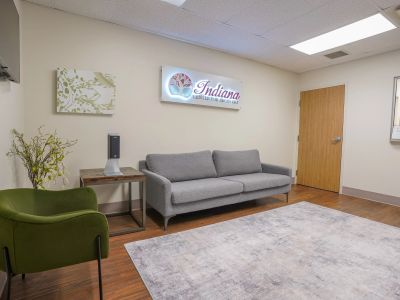
Indiana Center For Recovery- Alcohol & Drug Rehab Terre Haute
Terre Haute, Indiana
135 E Hospital Ln, Terre Haute, IN 47802



Cardinal Recovery
Franklin, Indiana
1130 West Jefferson St, Franklin, IN, 46131



Indiana Center for Recovery - Alcohol & Drug Rehab Center Bedford
Bedford, Indiana
1600 23rd St, Bedford, IN 47421
Get Personalized Rehab Matches in 60 Seconds
Tell us a few details and we’ll show a personalized shortlist of verified Indiana rehabs, making it simple to compare options and choose your next step with confidence.
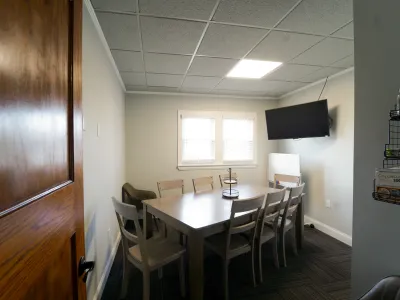


First City Recovery Center
Kokomo, Indiana
317 W Jefferson St, Kokomo, IN, 46901



Recovery Centers of America at Indianapolis
Indianapolis, Indiana
8530 Township Line Rd, Indianapolis, IN 46260



Eskenazi Health - Pedigo Health Center
Indianapolis, Indiana
1033 East Washington street, Indianapolis, IN 46202



LifeSpring Health Systems - Turning Point Center
Jeffersonville, Indiana
1060 Sharon Drive, Jeffersonville, IN, 47130




Resource Treatment Center
Indianapolis, Indiana
1404 South State Avenue, Indianapolis, IN, 46203



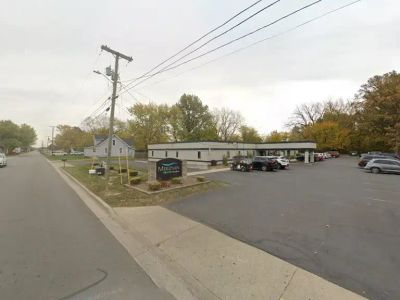
Meridian Health Services - Muncie
Muncie, Indiana
240 North Tillotson Avenue, Muncie, IN 47304

Meridian Health Services - Portland
Portland, Indiana
931 West Water Street, Portland, IN 47371
Meridian Health Services - Bluffton
Bluffton, Indiana
1025 S. Main St., Suite 1 Bluffton Indiana 46714
Centerstone - Main Street
Martinsville, Indiana
952 S. Main Street Martinsville, IN 46151
Pinnacle Treatment Centers - 2209 John R Wooden Drive
Martinsville, Indiana
2209 John R Wooden Drive, 3rd Floor Martinsville, IN 46151
Meridian Health Services - Marion
Marion, Indiana
911 N. Western Ave. Marion IN 46952
Centerstone – Pierson House
Richmond, Indiana
76 S 14th St, Richmond, IN 47374
Meridian Health Services - West Lafayette
West Lafayette, Indiana
2900 N. River Rd. Suite C West Lafayette IN 47906
Why Trust Indiana Rehabs
As Hoosiers helping Hoosiers, we understand the unique challenges our communities face. Our team meticulously verifies every Indiana treatment center, ensuring you find trusted, local care that truly understands your journey.
About our listingsLevels of Care
Explore popular treatment options by levels of care, from flexible treatment in Outpatient centers to intensive care in Residential rehabs.
Free · 24/7 · Confidential
Talk to a Treatment Specialist
Call now to get matched with Indiana facilities that accept your insurance.
(888) 568-9930
Free
Ins. check
4.9★
Rating
HIPAA
Protected
Can't travel to a facility?
Licensed Indiana therapists via secure video — same-week appointments, evenings & weekends available.
You’re facing a maze of paperwork, phone calls, and waiting lists, all while just wanting your loved one with an intellectual or developmental disability to have the support and care they deserve. It’s easy to feel lost or even exhausted as you try to keep hope alive in the middle of it all. But finding meaningful, local help in Indiana isn’t out of reach, sometimes it’s just a matter of having the right map and a bit of steady guidance.

What is an intellectual or developmental disability?
An intellectual or developmental disability, often called IDD, is an umbrella term for a wide range of conditions that can affect a person's intellectual functioning and adaptive behavior. This disability originates before the age of 22 and can impact a person’s ability to manage daily life skills, communication, and social interactions[1]. Conditions like Down syndrome, cerebral palsy, and autism spectrum disorder fall under the IDD category. In Indiana, it's estimated that tens of thousands of people live with developmental disabilities[2]. It's so important to remember that behind any diagnosis or set of symptoms is a unique person with their own strengths, abilities, and dreams. Understanding the specific conditions related to IDD can help families find the right kind of support.
Services and Supports Directory

Finding the right intellectual disability services can feel overwhelming, but Indiana offers a variety of supports designed to meet the needs of individuals and their families. These services aim to promote independence, community integration, and overall well-being. They are often funded through Medicaid waiver programs, which allow people to receive care in their own homes and communities[3]. Support options typically include residential care in licensed group homes, in-home care to assist with daily routines, community programs that foster social connections, and employment services to build job skills[4]. Many programs also focus on developing practical life skills to empower individuals in their daily lives. The goal is to create a supportive network that involves the person, their family, and dedicated service providers.
Who Can Get Help?
Eligibility for intellectual disability services in Indiana depends on a few key factors. While each program may have slightly different rules, the general requirements for individuals usually include:
- Proof of Indiana residency.
- A confirmed diagnosis of an intellectual or developmental disability from a qualified medical professional. This often requires a comprehensive evaluation and assessment to determine the specific condition and level of need.
- Demonstrating significant functional limitations in major life activities.
- Meeting specific age or financial criteria, especially for programs like Medicaid waivers.
The admissions process can feel complicated, but it's designed to ensure each person gets the right level of care for their unique situation.
How Do I Find Someone to Provide IDD Services?
A great first step is to connect with Indiana's Family and Social Services Administration (FSSA). Your local Bureau of Developmental Disabilities Services (BDDS) office, which is part of the FSSA, can help you understand the eligibility process and create a personalized support plan. You can find more information about these state resources through the Indiana Division of Disability and Rehabilitative Services (DDRS). For a straightforward way to see your options, you can use our directory to find IDD service providers in your community. This tool allows you to filter by location and services to find the right supports close to home.
Your Next Steps for Finding Support in Indiana
Navigating the system of supports for people with developmental disabilities takes patience, but you don't have to do it alone. The key is to take it one step at a time. Start by confirming the diagnosis and understanding the eligibility requirements. From there, you can begin exploring the different services and providers available in your community. Organizations like The Arc of Indiana offer helpful guides to state and federal programs, which can make the process much clearer[5]. Remember that support is available not just for the individual, but for the entire family. Exploring resources designed for family members can provide comfort and guidance as you move forward.
We know this journey can be challenging, but help is always within reach. The right supports can make a world of difference in the life of your loved one. If you have questions or need help finding intellectual disability services in your area, don't hesitate to call us at (888) 568-9930. Our team at Indiana Rehabs is here to listen and provide confidential guidance. You can also reach out to us online to take the next step toward finding the care your family deserves.
Frequently Asked Questions About Intellectual Disability Services in Indiana
What is the difference between an intellectual disability and a developmental disability?
What financial assistance is available for intellectual disability services in Indiana?
How do I apply for a Medicaid waiver for my child in Indiana?
What kind of services can I get for my child with IDD in school?
What happens when a person with an intellectual disability turns 18?
What are the most common types of IDD?
- Medicaid.gov. (04-01-2020). Indiana State Plan Amendment 19-0013. Medicaid.gov. medicaid.gov
- Autism Society of Indiana. (12-05-2024). Facts & Statistics. Autism Society of Indiana. autismsocietyofindiana.org
- (09-05-2024). Indiana's Medicaid Waiver Programs: Home and Community-Based Services. Indiana Institute on Disability and Community. iidc.indiana.edu
- City of Fishers. (2024). Accessible Housing Guide and Housing Report. fishersin.gov. fishersin.gov
- The Arc of Indiana. (08-01-2024). Medicaid Waivers/Home and Community Based Services Guide. The Arc of Indiana. arcind.org