
Rehabs for Kleptomania

Showing 6 of 6 Results (filtered)
Featured Rehab Centers


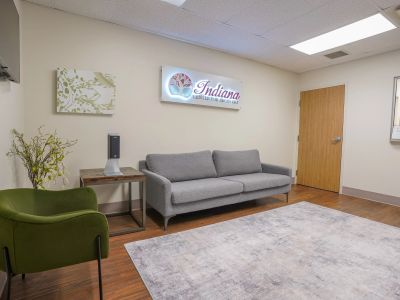
Indiana Center For Recovery- Alcohol & Drug Rehab Terre Haute
Terre Haute, Indiana
135 E Hospital Ln, Terre Haute, IN 47802



Indiana Center for Recovery - Alcohol & Drug Rehab Center Bedford
Bedford, Indiana
1600 23rd St, Bedford, IN 47421
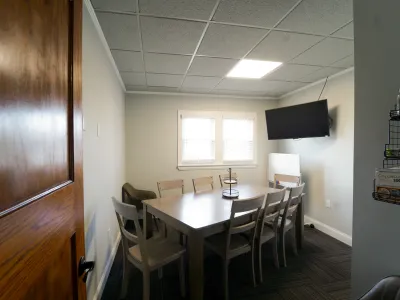

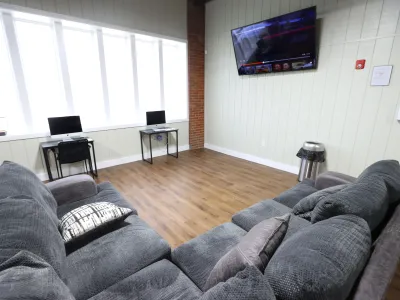
First City Recovery Center
Kokomo, Indiana
317 W Jefferson St, Kokomo, IN, 46901
Get Personalized Rehab Matches in 60 Seconds
Tell us a few details and we’ll show a personalized shortlist of verified Indiana rehabs, making it simple to compare options and choose your next step with confidence.


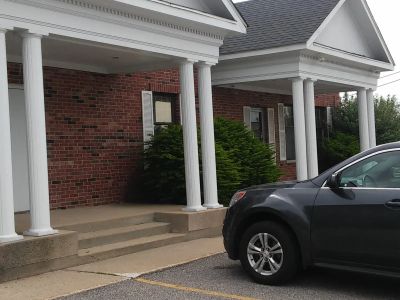
Fresh Start Counseling Services - Valparaiso
Valparaiso, Indiana
1552 West Lincoln Way, Valparaiso, IN 46385
Pinnacle Treatment Centers - 2209 John R Wooden Drive
Martinsville, Indiana
2209 John R Wooden Drive, 3rd Floor Martinsville, IN 46151
Centerstone – Pierson House
Richmond, Indiana
76 S 14th St, Richmond, IN 47374
Why Trust Indiana Rehabs
As Hoosiers helping Hoosiers, we understand the unique challenges our communities face. Our team meticulously verifies every Indiana treatment center, ensuring you find trusted, local care that truly understands your journey.
About our listingsLevels of Care
Explore popular treatment options by levels of care, from flexible treatment in Outpatient centers to intensive care in Residential rehabs.
Free · 24/7 · Confidential
Talk to a Treatment Specialist
Call now to get matched with Indiana facilities that accept your insurance.
(888) 568-9930
Free
Ins. check
4.9★
Rating
HIPAA
Protected
Can't travel to a facility?
Licensed Indiana therapists via secure video — same-week appointments, evenings & weekends available.
Imagine an overwhelming urge that goes against your own values, a force that compels you to act, followed by intense waves of guilt and shame. This is the daily reality for many living with kleptomania. If you’re feeling lost or burdened by this struggle, know that you’re not alone, and more importantly, it isn’t a reflection of your character. Kleptomania is a medical condition, and with the right support, a path to healing is absolutely within reach.
What is kleptomania?
Kleptomania is a rare but serious mental health condition classified as an impulse control disorder. It’s not about a character flaw or a moral failing; it’s a recognized medical issue. For someone with kleptomania, the urge to steal isn't driven by need or for personal gain. In fact, the stolen items are often of little value and may be hidden away, given to others, or even secretly returned. The act of stealing is a response to an intense, irresistible urge.
This experience often follows a painful cycle. It starts with a growing sense of tension or anxiety, which builds until the urge to steal becomes overwhelming. The act of stealing brings a brief feeling of relief or gratification. But that relief is quickly replaced by powerful feelings of guilt, shame, and remorse. While it may seem rare, an estimated 0.3% to 0.6% of the population experiences kleptomania[1]. Understanding it as a health condition is the first step toward finding effective help and breaking the cycle.
What are the symptoms of kleptomania?
Recognizing the specific symptoms of kleptomania is key to distinguishing it from other behaviors. A mental health provider will look for these core signs:
- A recurrent failure to resist the powerful urge to steal items that you don’t need for personal use or for their monetary value.
- An increasing feeling of tension right before the act of stealing.
- A sense of pleasure, gratification, or relief at the time of the theft.
- The compulsive stealing is not done to express anger or vengeance and isn't a response to a delusion or hallucination.
- The behavior isn't better explained by other mental health disorders, like conduct disorder or antisocial personality disorder.
Risk factors
While the exact cause of kleptomania isn't fully understood, certain risk factors may increase the likelihood of developing this condition. A family history of other impulse control disorders or obsessive-compulsive disorder (OCD) can be a contributing factor. Many people with kleptomania also live with co-occurring disorders, such as anxiety, depression, or substance use disorders[2]. Some research suggests that an imbalance in brain chemicals, particularly serotonin, might play a role in the ability to regulate impulses.
How is kleptomania diagnosed?
If you're concerned about these symptoms, the first step is to speak with a mental health provider. A diagnosis of kleptomania can only be made by a qualified professional. The process typically involves a comprehensive psychological evaluation where you’ll have a confidential conversation about your impulses, feelings, and behaviors. The provider will review your symptoms and compare them against the specific criteria outlined in the Diagnostic and Statistical Manual of Mental Disorders (DSM-5) to ensure an accurate diagnosis.

How is kleptomania treated and is there a cure?
It’s natural to wonder if there’s a cure for kleptomania. While there isn't a definitive cure, it is a highly treatable condition. The goal of kleptomania treatment is not to erase the past but to help you manage the irresistible urges and develop healthier behaviors and coping strategies for the future. With consistent effort and the right support from a mental health provider, you can gain control over your impulses and live a fulfilling life.
The most effective treatment plans are usually personalized and often combine therapy with medication. A compassionate professional will work with you to understand your unique triggers and challenges, creating a roadmap for recovery that feels right for you. The journey is about progress, not perfection, and every step forward is a victory.
Psychotherapy
Psychotherapy is the cornerstone of kleptomania treatment. One of the most effective approaches is cognitive behavioral therapy (CBT)[2]. In CBT, a therapist helps you identify the unhealthy thoughts and beliefs that fuel the urge to steal. You learn to recognize your triggers and replace negative thought patterns with more constructive ones. Other behavioral therapy techniques may also be used, such as aversion therapy, which helps you associate the act of stealing with unpleasant consequences, or systematic desensitization, where you practice relaxation techniques while imagining yourself in triggering situations.
Medications
While there are no medications specifically FDA-approved to treat kleptomania, some have been found to be helpful when used off-label. A psychiatrist might prescribe selective serotonin reuptake inhibitors (SSRIs), which are a type of antidepressant that can help regulate mood and reduce impulsivity. Another option is an opioid antagonist like naltrexone, which may reduce the urge to steal and the feeling of pleasure that comes with it[2]. A mental health provider can determine if medication is a suitable part of your overall treatment for kleptomania. For residents of Indiana, understanding how insurance can help is also important, and you can find official information through resources like Indiana Medicaid Behavioral Health Services.

Coping and support
Learning to manage kleptomania is an ongoing process, and developing healthy coping strategies is vital for long-term success. It starts with being kind to yourself and recognizing that recovery takes time. A key step is to identify your personal triggers, the situations, emotions, or places that spark the urge to steal. Once you know your triggers, you can work on ways to avoid or manage them.
Practicing stress-reduction techniques can also make a huge difference. Mindfulness, meditation, or even simple deep-breathing exercises can help calm your mind when you feel anxiety building. Finding healthy outlets for your emotions, like journaling, exercise, or a creative hobby, can provide a positive release. Most importantly, stick to your treatment plan. Regular sessions with your therapist and taking any prescribed medication consistently are the building blocks of your recovery.
What can I do if a loved one shows signs of kleptomania, or tells me they think they might have it?
Discovering that a friend or family member may be struggling with kleptomania can be confusing and worrying. Your support can make all the difference. The most important thing you can do is approach them with compassion and without judgment. Express your concern gently, focusing on the behaviors you’ve noticed and how much you care about them. Avoid using language that might cause shame or blame.
Encourage them to seek professional help, and offer your practical support. You could help them research therapists in Indiana or find a local support group. Offering to go with them to their first appointment can also be a powerful gesture of solidarity. Remember, your role is to be a source of love and support, not to be their therapist. For more guidance, resources on supporting a family member can be incredibly helpful.
Self-help groups
Connecting with others who understand what you’re going through can be incredibly healing. Self-help groups offer a safe space to share your experiences without fear of judgment. Hearing from others who face similar struggles can dramatically reduce feelings of isolation and shame, reminding you that you are not alone in this. These groups provide a sense of community and accountability, which are powerful tools in recovery. Some people find success in 12-step programs designed for behavioral issues, as they offer a structured path for peer support. You can locate nearby programs using online tools like the SAMHSA Treatment Locator.
When to see a doctor
If you find that you’re unable to stop stealing, and the cycle of urges, relief, and guilt is causing you emotional pain, it’s time to reach out for help. When these behaviors start to strain your relationships, create legal troubles, or simply fill you with shame, seeking professional help is a courageous and vital step toward regaining control. A mental health professional can provide a confidential, non-judgmental space to explore what’s happening and guide you toward effective kleptomania treatment[1]. You don’t have to carry this burden by yourself.
Living with kleptomania can feel isolating, but it’s a treatable condition, and you deserve to feel free from the cycle of guilt and compulsion. Effective treatments like therapy and, in some cases, medication can help you manage the urges and build a healthier, more peaceful life. Reaching out is the first and most important step. If you’re ready to find help for yourself or a loved one in Indiana, our team at Indiana Rehabs is here for you. You can speak with someone who understands by calling (888) 568-9930, or contact us to start your journey toward healing today.
Frequently Asked Questions About Kleptomania
What is the main cause of kleptomania?
Is kleptomania a form of OCD?
What is the difference between kleptomania and shoplifting?
Are there medications that help with kleptomania?
- McElroy, S. L. et al. (2004). Overview of Kleptomania and Phenomenological Description of 40 Patients. The American Journal of Psychiatry. pmc.ncbi.nlm.nih.gov
- Grant, J. E. (2011). Kleptomania and Potential Exacerbating Factors: A Review and Case Series. Innovations in Clinical Neuroscience. pmc.ncbi.nlm.nih.gov