Rehabs for Pyromania

Showing 6 of 6 Results (filtered)
Featured Rehab Centers
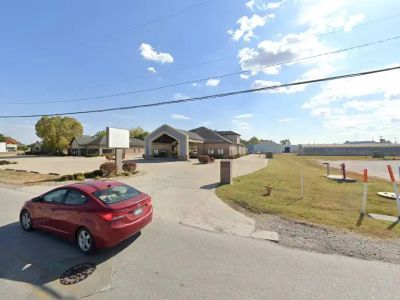
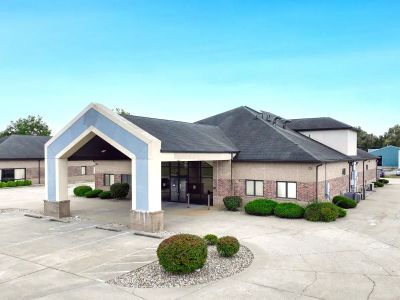

Indiana Center For Recovery- Alcohol & Drug Rehab Terre Haute
Terre Haute, Indiana
135 E Hospital Ln, Terre Haute, IN 47802


Boca Recovery Center - Indiana Drug and Alcohol Rehab
Huntington, Indiana
3040 W Park Dr, Huntington, IN 46750



Indiana Center for Recovery - Alcohol & Drug Rehab Center Bedford
Bedford, Indiana
1600 23rd St, Bedford, IN 47421
Get Personalized Rehab Matches in 60 Seconds
Tell us a few details and we’ll show a personalized shortlist of verified Indiana rehabs, making it simple to compare options and choose your next step with confidence.
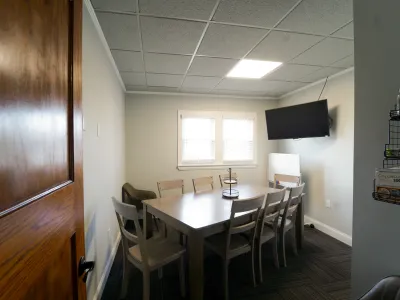

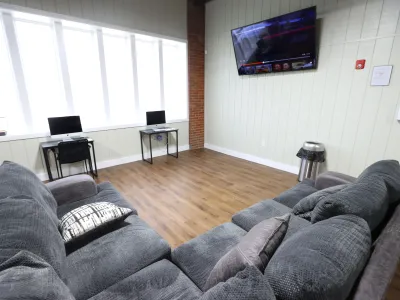
First City Recovery Center
Kokomo, Indiana
317 W Jefferson St, Kokomo, IN, 46901
Pinnacle Treatment Centers - 2209 John R Wooden Drive
Martinsville, Indiana
2209 John R Wooden Drive, 3rd Floor Martinsville, IN 46151
Centerstone – Pierson House
Richmond, Indiana
76 S 14th St, Richmond, IN 47374
Why Trust Indiana Rehabs
As Hoosiers helping Hoosiers, we understand the unique challenges our communities face. Our team meticulously verifies every Indiana treatment center, ensuring you find trusted, local care that truly understands your journey.
About our listingsLevels of Care
Explore popular treatment options by levels of care, from flexible treatment in Outpatient centers to intensive care in Residential rehabs.
Free · 24/7 · Confidential
Talk to a Treatment Specialist
Call now to get matched with Indiana facilities that accept your insurance.
(888) 568-9930
Free
Ins. check
4.9★
Rating
HIPAA
Protected
Can't travel to a facility?
Licensed Indiana therapists via secure video — same-week appointments, evenings & weekends available.
Is every fire-setter an arsonist, or is something deeper at play? So often, stories in the media paint images of recklessness or danger, but the reality of pyromania is much more complex—it's an internal struggle, not a simple choice for chaos. If you or someone you care about feels caught in this tug-of-war with impulsive urges, it's important to know that compassionate, evidence-based treatments exist, guiding you toward safety and hope for the future.
What Is Pyromania?
Pyromania is a rare and complex psychiatric condition, not just a fascination with fire. It's officially classified in the Diagnostic and Statistical Manual of Mental Disorders (DSM-5) as an impulse-control disorder. This means it’s characterized by an inability to resist a powerful urge, in this case, the urge to deliberately set fires. A person with pyromania feels an intense buildup of tension or emotional arousal before setting a fire and experiences relief, pleasure, or gratification once the fire is lit or witnessed. This cycle is a key part of the diagnosis.
It's crucial to understand that this behavior isn't driven by external motives. The fire-setting is not for monetary gain, to express anger, to hide a crime, or as a result of impaired judgment from substance use. True pyromania is very rare, affecting less than 1% of the U.S. population. The act of setting fires comes from an internal, compulsive need that feels beyond the person’s control, making professional treatment essential for safety and well-being.
What are the symptoms of Pyromania?
Understanding the symptoms of pyromania involves looking at a pattern of behavior and the emotions connected to it. It’s more than just a passing curiosity; it’s a recurring cycle that centers on the act of setting fires. A person struggling with this disorder experiences a powerful cycle of mounting tension, an intense urge to act, and a profound sense of relief afterward. Recognizing these signs is the first step toward getting help.
The core pyromania symptoms include:
- Deliberately and purposefully setting fires on more than one occasion.
- Feeling tense or emotionally charged before setting the fire.
- An intense fascination with, interest in, or attraction to fire and everything related to it (paraphernalia, uses, consequences).
- Feeling pleasure, gratification, or relief when setting fires, or when witnessing or participating in their aftermath.
- The fire-setting is not done for money, revenge, to make a political statement, or to cover up another crime.
- The behavior cannot be better explained by another mental health disorder, such as conduct disorder or a manic episode.
Fascination and attraction to fire and its paraphernalia
For someone with pyromania, the interest in fire goes far beyond a normal level of curiosity. This fascination becomes a central focus of their thoughts and activities. They might spend a great deal of time watching fires burn, whether in a fireplace or at a bonfire. This can also include seeking out fires, being a "fire-watcher" at local emergencies, visiting fire departments without a clear reason, or even setting off false alarms. This powerful urge also extends to fire paraphernalia, such as lighters, matches, and flammable substances, which they may collect or obsess over.
Pleasure, a rush, or relief when setting or seeing fires
The emotional component is a key symptom of pyromania. Before setting a fire, an individual feels a significant buildup of inner tension, anxiety, or arousal. The act of setting the fire serves as a release valve for these feelings. When they set or see the fire, they experience an intense wave of pleasure, gratification, or relief. This isn't about causing harm or destruction; it's about satisfying a powerful internal compulsion. The release of tension reinforces the behavior, making the urge to set another fire incredibly difficult to resist over time.
What are the causes of Pyromania?

There is no single, definitive cause of pyromania, but research suggests it often stems from a combination of individual, environmental, and biological factors. Psychologically, individuals with pyromania may have poor social skills or learning difficulties. Environmentally, a history of childhood trauma, neglect, or abuse is a significant risk factor. Some theories suggest that stressful life events can trigger the underlying vulnerability, leading to fire-setting as a maladaptive coping mechanism.
Biologically, imbalances in brain chemicals like serotonin and dopamine, which help regulate impulse control and mood, may play a role. There may also be a genetic component, as having relatives with mental health conditions can increase the risk. Co-occurring disorders are also common. For instance, people with pyromania often have other conditions like ADHD or substance use disorders. It's particularly linked with mood disorders, showing a high rate of comorbidity.
Pyromania vs. arson
It’s a common misconception to use the terms "pyromania" and "arson" interchangeably, but they are very different. The key distinction lies in motivation and intent. Pyromania is a psychiatric disorder driven by an uncontrollable internal urge, while arson is a criminal act with a specific, external motive. Someone with pyromania feels a compulsive need to set fires to relieve inner tension, whereas an arsonist uses fire as a tool to achieve a goal like financial gain or revenge. Understanding this difference is vital for diagnosis and determines whether a person needs mental health treatment or faces criminal consequences.
| Feature | Pyromania | Arson |
|---|---|---|
| Motivation | Internal: Psychological gratification, pleasure, or relief from tension. | External: Monetary gain, revenge, concealing a crime, or making a political statement. |
| Emotional State | Before: Intense tension or arousal. After: Relief or pleasure. | Before: No specific emotional cycle required. After: Feelings vary based on motive. |
| Classification | Psychiatric: An impulse-control disorder. | Legal: A criminal act. |
What are the possible treatments for Pyromania?

Effective pyromania treatment requires a personalized and often multi-faceted approach. Because the disorder is complex, a combination of therapy and medication is typically most successful. The primary goal of treatment is not just to stop the fire-setting behavior but to address the underlying urges and emotional difficulties that drive it. A patient will work with a mental health professional to develop healthy coping skills, manage impulsivity, and find safer ways to deal with stress and tension. Treatment plans are always tailored to the individual's specific needs, focusing on long-term safety, stability, and well-being. Finding the right support system is a critical step toward recovery.
Cognitive behavioral therapy (CBT)
Cognitive behavioral therapy (CBT) is one of the most effective therapeutic approaches for pyromania. This type of therapy helps individuals identify the specific thoughts, feelings, and situations that trigger their urge to set fires. A therapist works with the patient to challenge and reframe destructive thought patterns. From there, they develop new, healthier behaviors to replace the fire-setting cycle. For example, a patient might learn relaxation techniques or problem-solving skills to manage feelings of tension before they become overwhelming. The focus is on building practical skills to regain control over impulses and prevent relapse.
Medications
While there is no single medication specifically for pyromania, several types can help manage its symptoms. Medications are often used to address impulsivity and any co-occurring mental health conditions, such as depression or anxiety. A psychiatrist might prescribe antidepressants, like selective serotonin reuptake inhibitors (SSRIs), anticonvulsants, or atypical antipsychotics to help regulate mood and reduce compulsive urges. Lithium has also been used to help control impulsivity. Medication is most effective when combined with therapy, as it can help stabilize a patient's emotional state, making them more receptive to learning new coping skills[1].
Find Treatment for Pyromania
Finding the right help for pyromania starts with a professional assessment to get an accurate diagnosis. Since this disorder is rare, it’s often best to seek mental health providers or facilities that specialize in impulse-control disorders, addiction, or complex co-occurring conditions. In Indiana, resources are available to guide you. The official Indiana Division of Mental Health and Addiction (DMHA) helps residents find certified providers who meet state safety and care standards[2]. You can also use online directories to locate specialized therapy programs. Taking the step to find professional care is a powerful move toward ensuring personal and community safety.
If you or a loved one is struggling with these urges, please know that you are not alone and effective treatment is available. The journey to recovery begins with reaching out. You can explore a directory of pyromania treatment facilities in Indiana to find a program that fits your needs. Taking that first step can feel overwhelming, but it’s the most important one you can take. For immediate, confidential help, call us at (888) 568-9930. Our team at Indiana Rehabs is here to connect you with the resources and support necessary to build a safer, healthier future. Please don’t hesitate to contact us today.
- Frey, B. N. et al. (2005). Response of pyromania to biological treatment in a homeless person. National Center for Biotechnology Information. pmc.ncbi.nlm.nih.gov
- U.S. Department of Health & Human Services. (2021). State Regulation of Private Residential Treatment for Behavioral Health: A Scan of States, Indiana. Assistant Secretary for Planning and Evaluation. aspe.hhs.gov