
Selective Mutism Treatment in Indiana



Showing 7 of 7 Results (filtered)
Featured Rehab Centers



1185 County Rd 1000 W, Linton, IN 47441



Cardinal Recovery
Franklin, Indiana
1130 West Jefferson St, Franklin, IN, 46131



Indiana Center for Recovery - Alcohol & Drug Rehab Center Bedford
Bedford, Indiana
1600 23rd St, Bedford, IN 47421
Get Personalized Rehab Matches in 60 Seconds
Tell us a few details and we’ll show a personalized shortlist of verified Indiana rehabs, making it simple to compare options and choose your next step with confidence.



First City Recovery Center
Kokomo, Indiana
317 W Jefferson St, Kokomo, IN, 46901

Cummins Mental Health Center
Avon, Indiana
6655 East USHighway 36 Avon IN, 46123
Ascension Medical Group St Vincent - Kokomo Primary Care
Kokomo, Indiana
188 E Southway Blvd Kokomo, IN 46902
Centerstone – Pierson House
Richmond, Indiana
76 S 14th St, Richmond, IN 47374
Why Trust Indiana Rehabs
As Hoosiers helping Hoosiers, we understand the unique challenges our communities face. Our team meticulously verifies every Indiana treatment center, ensuring you find trusted, local care that truly understands your journey.
About our listingsLevels of Care
Explore popular treatment options by levels of care, from flexible treatment in Outpatient centers to intensive care in Residential rehabs.
Free · 24/7 · Confidential
Talk to a Treatment Specialist
Call now to get matched with Indiana facilities that accept your insurance.
(888) 568-9930
Free
Ins. check
4.9★
Rating
HIPAA
Protected
Can't travel to a facility?
Licensed Indiana therapists via secure video — same-week appointments, evenings & weekends available.
Picture your child lighting up the kitchen with stories and laughter at home, only to go completely silent when surrounded by their classmates or at a friend’s birthday party. If you’ve felt the sting of worry mixed with confusion, wondering if it’s just shyness or if something deeper is going on, you’re not alone. This kind of silence isn’t stubbornness, it’s often a sign of anxiety so intense your child just can’t bring themselves to speak. The reassuring news is that this experience has a name, selective mutism, and with the right help and understanding, your child can learn to find their voice in the world beyond your living room.
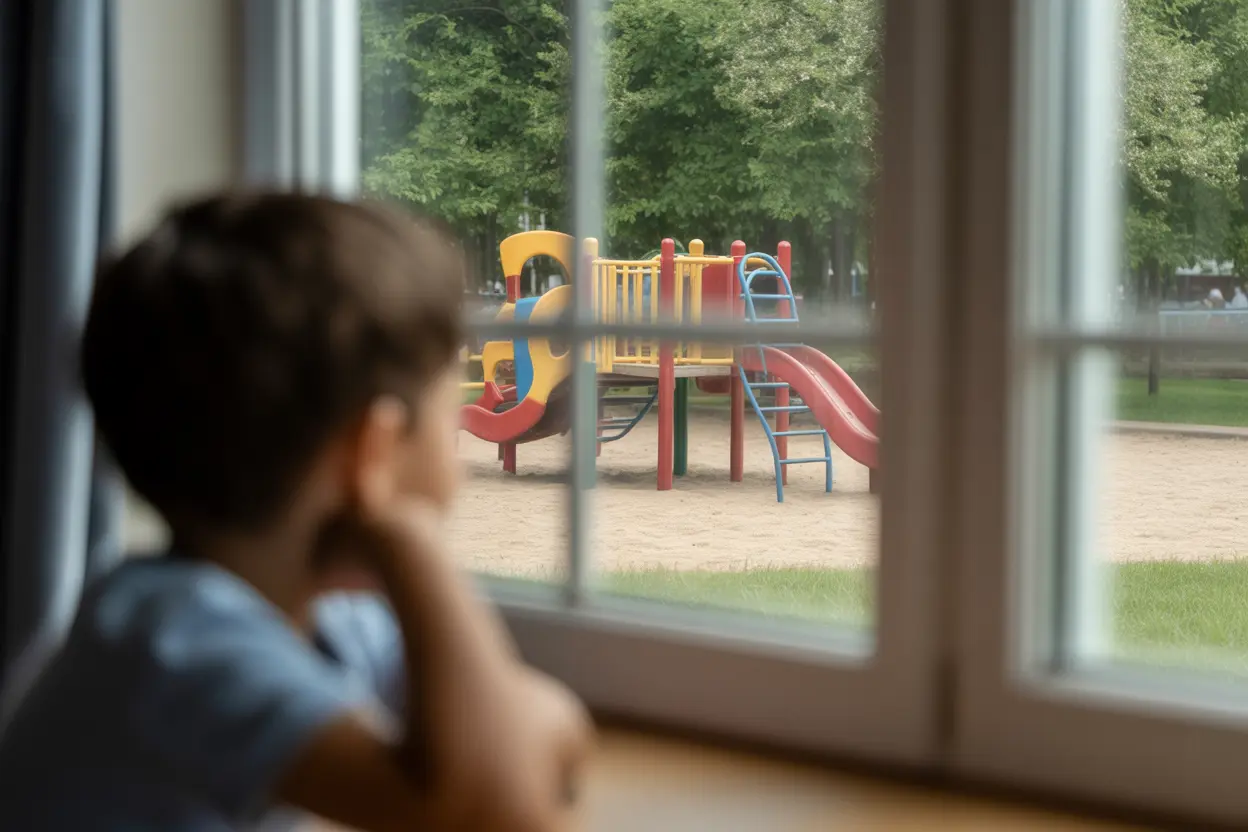
What is selective mutism?
It’s important to know right away that selective mutism isn't a choice. It’s a complex childhood anxiety disorder that makes it impossible for children to speak in specific social situations where speaking is expected, even though they can talk freely and comfortably in settings where they feel safe, like at home with family[1]. It affects a small number of children, with estimates suggesting it occurs in less than 1% of the population[2].
Think of it like a form of stage fright that doesn’t go away. The anxiety triggers a freeze response, physically preventing the words from coming out. For parents and caregivers, this can be confusing because the child’s communication skills seem to disappear without warning. But for the child, the pressure in these social situations is overwhelming. Understanding that this is rooted in anxiety, not defiance, is the first and most important step toward helping them. When a child feels understood, the journey toward better communication becomes much less lonely. For families looking for more information and community, the Selective Mutism Association offers valuable resources and support.
What are the symptoms of selective mutism?
Recognizing the signs of selective mutism is key to getting your child the right support. It’s more than just shyness; it’s a consistent pattern of behavior. Here are some of the primary symptoms parents and teachers might notice:
- A child consistently does not speak in specific social settings, such as at school or in public, but speaks comfortably in other situations, like at home.
- This inability to speak interferes with their ability to participate in school activities or make friends.
- The behavior has lasted for at least one month (and isn't just happening during the first month of a new school year).
- The child's silence is not due to a communication disorder (like stuttering) or not knowing the language being spoken.
- Often, nonverbal communication is also affected. The child may avoid eye contact, have a frozen or blank facial expression, or seem physically stiff and uncomfortable in social situations.
These symptoms are a direct result of social anxiety. The child isn't being rude or defiant; they are experiencing an overwhelming level of distress that shuts down their ability to communicate.
What causes selective mutism?
One of the hardest parts for parents is not knowing why this is happening. The truth is, there’s no single cause for selective mutism. It’s important to debunk a few myths right away: it’s not caused by a child being stubborn or manipulative, and it’s very rarely the result of trauma or abuse. Instead, research points to a combination of factors that contribute to its development.
Most children with selective mutism have a genetic predisposition to anxiety. It’s common to find a family history of anxiety disorders, shyness, or other related conditions. Temperament also plays a significant role; many children with selective mutism have a cautious or inhibited temperament from a very young age. They may be more prone to behavioral inhibition, which is the tendency to become distressed and withdraw from new people or situations. For some children, a co-occurring speech or language delay can also add to the anxiety they feel about speaking, making them more hesitant to communicate in stressful environments.

How is selective mutism diagnosed?
If you suspect your child has selective mutism, getting a formal diagnosis is a critical step. This isn’t something you have to figure out on your own. A comprehensive evaluation by a qualified professional is the best way to understand what’s happening and create a plan to help[3]. The process typically involves a team approach, bringing together parents, teachers, a psychologist or psychiatrist, and sometimes a speech-language pathologist (SLP).
The diagnostic process focuses on gathering a complete picture of your child's speaking habits. A clinician will conduct detailed interviews with you and your child's teachers to learn about where, when, and with whom your child speaks. They'll also review your child's developmental and medical history. Whenever possible, observing the child in different settings (like at school and in the clinic) provides invaluable insight. The primary goal is to rule out other conditions and confirm that the inability to speak is specific to certain situations. This careful assessment helps ensure the treatment plan is tailored perfectly to your child's needs. In clinical settings, the diagnosis is classified under the code F94.0 for selective mutism[4].
Is selective mutism a form of autism?
This is a common and understandable question for parents. The short answer is no, selective mutism is not a form of autism. They are two distinct disorders, though it is possible for a child to have both. The key difference lies in the child's underlying ability to communicate.
A child with selective mutism has developed age-appropriate language and social communication skills, which they can and do use in comfortable environments. Their challenge is anxiety-based and situational. In contrast, autism spectrum disorder involves persistent difficulties in social communication and interaction that are present across all settings. While a child with autism might also be nonverbal or have limited speech, these challenges are part of a broader pattern of social and developmental differences, not a situation-specific anxiety response.
How is selective mutism treated, and is there a cure?
When you hear the word "treatment," it's natural to hope for a cure. While there isn't a magic wand for selective mutism, the condition is highly treatable, especially when it's caught early. The goal of selective mutism treatment isn't to "make a child talk" but to lower their anxiety and build their confidence in social situations where they've been silent. When a child feels less anxious, speaking will follow naturally.
The most effective, evidence-based treatments are behavioral therapies, with cognitive behavioral therapy (CBT) being the gold standard[5]. A comprehensive treatment plan is a team effort, involving consistent strategies used by the therapist, parents, and school staff. For some children, especially those with severe anxiety, medication may also be used to help make behavioral therapy more effective. With the right approach, children can make incredible progress[6].
Behavioral and Cognitive-Behavioral (CBT) Strategies
cognitive behavioral therapy, or CBT, is the cornerstone of effective selective mutism treatment. It provides children with practical tools to manage anxiety and gradually face feared situations. A therapist specializing in CBT for childhood anxiety will use several gentle, step-by-step techniques. Here are a few key strategies:
- Stimulus Fading: This technique involves the child speaking comfortably with a trusted person (like a parent). The therapist or another new person then slowly and quietly joins the conversation. Over time, the trusted person can fade out, helping the child transfer their speaking ability to the new person.
- Shaping: The therapist reinforces all attempts at communication, no matter how small. This starts with non-verbal communication like pointing or nodding, then moves to whispering, and finally to audible speech. Each step is praised, building the child’s confidence along the way.
- Graded Exposure: This involves creating a "brave ladder" of speaking situations, ranked from least scary to most scary. The child works their way up the ladder one step at a time, practicing speaking in situations that feel manageable before moving on to more challenging ones.
Treating Selective Mutism with Medication
For some children, therapy alone may not be enough to break through the wall of anxiety. When anxiety is severe or the child is older, medication can be a very helpful part of the treatment plan. It's important to understand that medication doesn't cure selective mutism; instead, it works by lowering the underlying anxiety. This can make a child feel calm enough to participate in and benefit from behavioral therapy.
The most common medications prescribed are selective serotonin reuptake inhibitors (SSRIs), which are widely used to treat anxiety in both children and adults. The decision to use medication should always be made in close consultation with a child psychiatrist or developmental pediatrician. It's a tool that is almost always used in combination with therapy, not as a standalone solution.
Advice for parents
As a parent, you are your child's most important ally. Your support and understanding at home can make all the difference. Here are some practical strategies you can use to help your child feel more comfortable and confident:
- Remove all pressure to speak. Instead of saying "say thank you," you can model it for them by saying, "We say thank you!" This lets them know what's expected without putting them on the spot.
- Praise all forms of communication. Acknowledge and praise pointing, nodding, writing, and whispering. This shows your child that you value their efforts to communicate, no matter what form it takes.
- Give them time. When you ask a question, wait at least five seconds for a response before you jump in or answer for them. This gives them the time they need to process and try to overcome their anxiety.
- Collaborate with the school. Work closely with your child’s teachers to create a supportive and consistent plan between home and school. A strong partnership ensures everyone is working together to help your child.

Finding the Right Treatment Team
Success in treating selective mutism relies on a strong, collaborative team. This team includes you, your child, a skilled therapist, and supportive staff at your child's school. Finding a therapist who has specific experience with selective mutism and childhood anxiety is the most important step you can take. These professionals will be trained in the evidence-based behavioral therapies that are proven to work.
When you're interviewing potential therapists, don't be afraid to ask direct questions. You might ask: "What is your experience treating children with selective mutism?" or "What is your treatment approach, and how do you involve parents and the school?" A good therapist will welcome these questions and should be able to clearly explain their methods. In Indiana, state laws and agencies like the Division of Mental Health and Addiction (DMHA) ensure that facilities providing care for children meet specific standards[7], and there are established programs to support children with emotional needs[8]. For local guidance, exploring the Indiana Division of Mental Health & Addiction (DMHA) resources can be a helpful starting point. If you're looking for help in Indiana, our directory can connect you with qualified professionals who have experience in selective mutism treatment. Explore your options today.
What's the outlook for selective mutism?
It's completely normal to worry about your child's future, but the outlook for children with selective mutism is overwhelmingly positive. With early and appropriate treatment, the prognosis is excellent. Research shows that most children who receive evidence-based therapy learn to manage their anxiety and speak comfortably in all settings. One long-term study found that 84% of children who received treatment were fully recovered three years later[9].
Remember, your child's silence comes from a place of anxiety, not defiance. They need patience, empathy, and the right professional support to find their voice. You are their best advocate, and by seeking help, you are giving them the greatest gift, the confidence to connect with the world. Treatment success is not just possible; it's likely. With the right team and a supportive environment, your child can and will overcome these challenges.
Watching your child struggle with selective mutism can feel isolating, but remember that you and your child are not alone on this journey. With patience, the right strategies, and professional guidance, your child can build the confidence to speak and thrive in all social situations. The path forward starts with understanding and taking that first step to find help. If you're ready to connect with a specialist in Indiana, our team at Indiana Rehabs is here to guide you. Call us at (888) 568-9930 or visit our contact page to explore treatment options near you.
Frequently Asked Questions About Selective Mutism Treatment
Can a child outgrow selective mutism without treatment?
How long does treatment for selective mutism typically last?
What is the parent's role during therapy sessions for selective mutism?
How should I explain selective mutism to my child's teacher?
Will my child need medication to overcome selective mutism?
- Smith, L. et al. (2025). Exploring the experiences and current support of children and young people with selective mutism. Speech, Language and Hearing. pmc.ncbi.nlm.nih.gov
- Keen, D. et al. (2016). Selective mutism as it develops over time: A general overview. The Oxford Journal. oxjournal.org
- Reid, A. A., et al. (2025). Understanding selective mutism in very young children: An overview for health care professionals. Journal of Developmental and Behavioral Pediatrics. pmc.ncbi.nlm.nih.gov
- Centers for Medicare & Medicaid Services. (10-31-2019). Billing and Coding: Psychiatry and Psychology Services (A57480). Centers for Medicare & Medicaid Services. cms.gov
- Dreyer-Rendtorff, D. M., et al. (2025). Meta-analysis of behavioral treatments for selective mutism. Child and Adolescent Psychiatry and Mental Health. pmc.ncbi.nlm.nih.gov
- La Salle University. (2025). La Salle faculty identify potential new treatment method for selective mutism. La Salle University. lasalle.edu
- Office of the Assistant Secretary for Planning and Evaluation. (2021). State residential treatment for behavioral health conditions: Indiana. U.S. Department of Health & Human Services. aspe.hhs.gov
- Indiana General Assembly. (2010). Indiana code title 12, article 21, chapter 5: Programs for children. Justia Law. law.justia.com
- Manassis, K., et al. (01-22-2018). Treatment of selective mutism: a 5-year follow-up study. European Child & Adolescent Psychiatry. pmc.ncbi.nlm.nih.gov