
Rehabs for Substance Induced Psychosis

Showing 11 of 11 Results (filtered)
Featured Rehab Centers

Parkview Health - Decatur Office
Decatur, Indiana
809 High Street, Decatur, IN, 46733
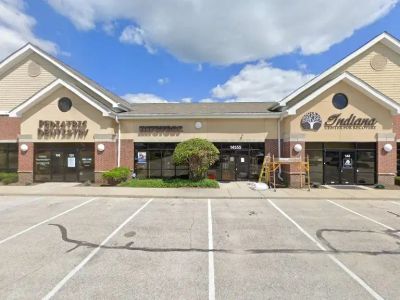

Indiana Center For Recovery - Alcohol & Drug Rehab Center Carmel
Carmel, Indiana
14555 Hazel Dell Pkwy #140, Carmel, IN 46033



Boca Recovery Center - Indiana Drug and Alcohol Rehab
Huntington, Indiana
3040 W Park Dr, Huntington, IN 46750
Get Personalized Rehab Matches in 60 Seconds
Tell us a few details and we’ll show a personalized shortlist of verified Indiana rehabs, making it simple to compare options and choose your next step with confidence.



Indiana Center for Recovery - Alcohol & Drug Rehab Center Bedford
Bedford, Indiana
1600 23rd St, Bedford, IN 47421
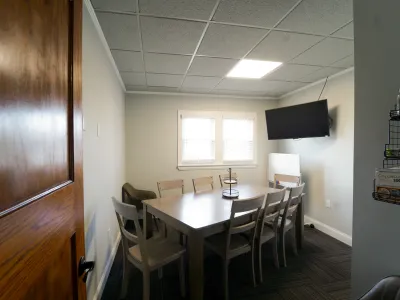


First City Recovery Center
Kokomo, Indiana
317 W Jefferson St, Kokomo, IN, 46901


Marion VAMC - Evansville Health Care Center
Evansville, Indiana
6211 East Waterford Boulevard, Evansville, IN, 47715



Aware Recovery Care
Indianapolis, Indiana
6505 E 82nd St, Indianapolis, IN 46250

Hamilton Center - Greencastle
Greencastle, Indiana
239 Hillsdale Avenue, Greencastle, IN 46135
Pinnacle Treatment Centers - 2209 John R Wooden Drive
Martinsville, Indiana
2209 John R Wooden Drive, 3rd Floor Martinsville, IN 46151
Oxford House - Aurora South
Aurora, Indiana
207 Pruyn Street, Aurora, IN 47001
Centerstone – Pierson House
Richmond, Indiana
76 S 14th St, Richmond, IN 47374
Why Trust Indiana Rehabs
As Hoosiers helping Hoosiers, we understand the unique challenges our communities face. Our team meticulously verifies every Indiana treatment center, ensuring you find trusted, local care that truly understands your journey.
About our listingsLevels of Care
Explore popular treatment options by levels of care, from flexible treatment in Outpatient centers to intensive care in Residential rehabs.
Free · 24/7 · Confidential
Talk to a Treatment Specialist
Call now to get matched with Indiana facilities that accept your insurance.
(888) 568-9930
Free
Ins. check
4.9★
Rating
HIPAA
Protected
Can't travel to a facility?
Licensed Indiana therapists via secure video — same-week appointments, evenings & weekends available.
Imagine the world suddenly tilting, familiar places warping into something strange, and your senses playing tricks, like hearing voices that no one else seems to notice or feeling uneasy as shadows flicker at the edge of your vision. It’s a terrifying and isolating experience, not knowing where reality ends and something else begins. If this sounds familiar, know that you’re not alone, and what you’re facing has a name and a reason. With caring, evidence-based treatment, it’s possible to find your footing again and begin the journey back to clarity and stability.
What Is Drug-Induced Psychosis?
When you hear the term drug-induced psychosis, it might sound alarming, but understanding what it is can be the first step toward relief. In simple terms, it’s a temporary mental health condition where a person experiences a “break from reality” because of the effects of a substance. This isn’t a lifelong diagnosis but a direct, physiological reaction to intoxication or withdrawal from drugs or alcohol[1]. The core symptoms are hallucinations (sensing things that aren’t there) and delusions (holding strong beliefs that aren’t based in reality).
The key difference between substance-induced psychosis and a primary psychotic disorder, like schizophrenia, is the cause and duration. In drug-induced psychosis, the psychotic episode is directly triggered by substance use. Once the substance leaves the body and a person goes through withdrawal, the symptoms typically fade. For most people, this means the experience is short-lived. A psychotic episode is generally expected to resolve after about a 30-day period of sobriety, though it can sometimes last longer depending on the substance and the individual.
It’s a disorienting and often frightening experience, but it’s important to remember that it’s a treatable condition. The journey back to clarity starts with stopping the substance use that triggered the episode and getting compassionate, professional support. Understanding the nature of substance-induced psychosis is crucial for both the person experiencing it and their loved ones, as it frames the situation not as a permanent state but as a temporary crisis that can be overcome.
Causes and Risk Factors for Substance-Induced Psychotic Disorder
So, why can drug use cause psychosis? At its core, the primary cause is a significant disruption in the brain’s chemistry. Psychoactive substances can alter, block, or mimic the brain's natural neurotransmitters, like dopamine and serotonin, which regulate mood, perception, and thought processes. For example, stimulants like methamphetamine can cause a massive surge in dopamine, a chemical linked to the brain’s reward system and focus. When these levels are artificially and drastically increased, it can overwhelm the brain’s circuits, leading to paranoia, hallucinations, and other psychotic symptoms[1].
While substance use is the direct trigger, not everyone who uses drugs or alcohol will experience psychosis. Certain risk factors can make a person more vulnerable. These factors don't guarantee a psychotic episode will happen, but they do increase the likelihood.
- Genetic Predisposition: A family history of mental illness, particularly psychotic disorders like schizophrenia, can make someone more susceptible. Research has shown that close relatives of individuals who have experienced methamphetamine-induced psychosis are more than five times as likely to have schizophrenia, suggesting a shared genetic vulnerability.
- Pre-existing Mental Health Conditions: People with underlying mental health disorders, such as bipolar disorder, major depression, or anxiety disorders, may have a lower threshold for developing psychosis when using substances.
- Type and Potency of Substance: Some substances carry a higher risk than others. High-potency cannabis, stimulants like cocaine and methamphetamine, and hallucinogens are strongly associated with drug-induced psychosis.
- Heavy or Long-Term Use: The frequency, dosage, and duration of substance use play a significant role. Chronic, heavy use of a substance increases the chances of it disrupting brain function enough to trigger a psychotic episode. Sleep deprivation, a common side effect of stimulant abuse, can also severely worsen the risk.
Understanding these risk factors helps clarify that substance-induced psychosis isn’t a moral failing or a sign of weakness. It’s a complex medical issue where biology, environment, and the specific effects of a drug converge to create a serious but treatable condition.
Signs and Symptoms of Drug-Induced Psychosis

Recognizing the signs of drug-induced psychosis is the first step toward getting help. While the experience can feel chaotic and confusing from the inside, the symptoms often fall into a few key categories. The specific signs can differ based on the substance used, but they generally involve a departure from reality[2]. The most common psychotic symptoms include:
- Hallucinations: This is when you see, hear, feel, or even smell things that aren’t actually there. Auditory hallucinations (hearing voices) and visual hallucinations (seeing people or objects) are common.
- Delusions: These are strong, false beliefs that a person holds onto, even when there’s clear evidence to the contrary. A common example is paranoia, or persecutory delusions, where a person believes someone is out to harm them.
- Disorganized Thinking and Speech: This can show up as jumping between unrelated topics, speaking in a jumbled way that’s hard to follow, or suddenly stopping mid-sentence.
- Severe Agitation and Anxiety: A person may seem extremely restless, on edge, and unable to relax, often driven by internal fear or confusion.
The way these symptoms present themselves often depends on the type of drug that triggered the episode.
Signs of Psychosis From Stimulant Drugs (Amphetamines, Methamphetamine, Cocaine)
Stimulants put the central nervous system into overdrive, and the resulting psychosis often reflects this heightened state. Intense paranoia is a hallmark symptom, where individuals may feel they are being watched, followed, or plotted against. This is frequently accompanied by severe anxiety and agitation. A particularly distinct symptom is tactile hallucinations, such as the sensation of bugs crawling on or under the skin (formication). Because stimulants disrupt sleep patterns, the resulting sleep deprivation can make these psychotic symptoms even more severe. For methamphetamine, in particular, it's estimated that approximately 40% of users may experience psychosis.
Signs of Psychosis From Depressants (Alcohol, Benzodiazepines)
With depressants, psychosis is most often seen during acute withdrawal rather than during intoxication. Someone who has been using alcohol or benzodiazepines heavily for a long time and then suddenly stops can experience a severe and dangerous withdrawal syndrome. In its most extreme form, alcohol withdrawal can lead to delirium tremens (DTs), a medical emergency characterized by profound confusion, disorientation, agitation, and vivid auditory or visual hallucinations. The individual may not know where they are, what day it is, or be able to recognize loved ones.
Signs of Psychosis From Marijuana
The risk of psychosis from marijuana is strongly linked to the use of high-potency cannabis products with high levels of THC. The symptoms often include paranoia, disordered thoughts, and significant anxiety. While these episodes are typically temporary, there is a concerning connection between early, heavy cannabis use in adolescence and the later development of primary psychotic disorders. In fact, research indicates that cannabis has the highest conversion rate to schizophrenia (47%) compared to other substances that induce psychosis, making it a serious risk factor for individuals with a predisposition.
Signs of Psychosis From Hallucinogens/Dissociatives (LSD, Peyote, Mushrooms, Ketamine, PCP, Ecstasy)
As their name suggests, hallucinogens are known for causing profound perceptual changes. Psychosis from these substances is defined by vivid visual and auditory hallucinations and a deeply distorted sense of reality and self (dissociation)[3]. Unlike psychosis from stimulants, where the person is often convinced their delusions are real, individuals using hallucinogens may have some level of insight that their experience is caused by the drug. However, the experience can still be terrifying. In some cases, people can experience Hallucinogen-Persisting Perception Disorder (HPPD), where they have “flashbacks” of their visual distortions long after the drug has worn off.
Differential Diagnosis
When someone arrives at a clinic or hospital with psychotic symptoms, one of the most important first steps for a healthcare professional is to figure out *why* it's happening. This process is called a differential diagnosis, and it’s crucial for determining the right course of treatment. The main goal is to distinguish between a temporary substance-induced psychotic episode and a primary, long-term psychotic disorder like schizophrenia or bipolar disorder[2].
The key factor that clinicians look at is timing. They’ll ask questions to establish a clear timeline: When did the symptoms start? When was the last time the substance was used? If the hallucinations, delusions, or disorganized thinking began during intoxication or shortly after stopping the substance, and if they go away within a month of achieving sobriety, it strongly points to substance-induced psychosis. However, if the symptoms continue for weeks or months after the substance is out of the person's system, it raises the possibility of an underlying primary psychotic disorder that may have been triggered or unmasked by the drug use.
This long-term monitoring is incredibly important because a substance-induced psychotic episode can sometimes be the first sign of a more persistent mental health condition. Studies have shown that a significant number of individuals initially diagnosed with substance-induced psychosis may later be diagnosed with schizophrenia or bipolar disorder[3]. The risk of this "conversion" highlights why follow-up care is so vital. Clinicians also have to rule out other potential causes, such as psychosis due to a general medical condition like a brain injury, a tumor, or certain infections. A thorough medical evaluation, including physical exams and lab tests, helps ensure the diagnosis is accurate and the treatment plan is appropriate for the individual's specific needs.
Substance-Induced Psychosis Treatment Options

Navigating substance-induced psychosis treatment can feel overwhelming, but the path to recovery is well-defined and centered on safety, stability, and long-term well-being. Treatment is typically approached in phases, starting with immediate care and transitioning to skills-based recovery to prevent relapse.
1. Acute Care and Stabilization
The first and most critical step is ensuring the person's safety. During a psychotic episode, an individual can be a danger to themselves or others due to fear, paranoia, or disorientation. Treatment often begins in a hospital or a specialized facility where they can be in a calm, secure environment. The immediate goal is to manage the acute symptoms. This usually involves medical detox to help the person safely stop using the substance and manage withdrawal[4]. In some cases, a short course of antipsychotic medications may be used to help reduce hallucinations and delusions, making it easier for the person to feel grounded again[1].
2. Integrated Dual Diagnosis Treatment
Substance-induced psychosis sits at the intersection of substance use and mental health. Because of this, the most effective approach is an integrated one that addresses both issues at the same time. This is known as dual diagnosis treatment. Instead of treating the addiction first and the psychosis later (or vice versa), an integrated model recognizes that the two are interconnected. A dedicated team works with the individual to manage their mental health symptoms while also helping them build the skills to maintain sobriety. This holistic approach leads to better outcomes and a more stable, lasting recovery.
3. Therapy and Counseling
Once a person is stabilized, therapy becomes the cornerstone of treatment. Several evidence-based approaches are effective:
- cognitive behavioral therapy (CBT): This therapy helps individuals identify and challenge the distorted thought patterns that contribute to both substance use and psychosis. They learn coping strategies to manage cravings, deal with triggers, and respond to distressing thoughts in a healthier way[5].
- family therapy: Addiction and psychosis affect the entire family. family therapy provides education and support for loved ones, helping to repair relationships, improve communication, and create a supportive home environment for recovery.
- psychoeducation: This involves learning about the conditions themselves. Understanding the relationship between substance use and psychosis can be empowering, reducing shame and providing a clear rationale for staying sober.
4. relapse prevention
Recovery is an ongoing journey. relapse prevention focuses on building a strong foundation for long-term sobriety and mental wellness. This includes developing healthy routines, learning to manage stress, participating in support groups like Narcotics Anonymous (NA) or Alcoholics Anonymous (AA), and creating a continuing care plan. The goal is to equip the individual with the tools and support system they need to navigate life's challenges without returning to substance use.
Long-term treatment
The journey doesn't end after the acute symptoms of psychosis have subsided. True recovery is about building a life that supports long-term mental and physical health, and that requires a commitment to continued care. The good news is that for substance-induced psychosis, the prognosis is generally very positive, especially when the person is able to maintain sobriety. Without the substance triggering the neurochemical disruption, the brain has a remarkable ability to heal and return to stable functioning.
Long-term treatment focuses on relapse prevention and managing any co-occurring mental health conditions that may have been present before or emerged during the episode. This involves ongoing therapy, support groups, and sometimes medication management. The key is to build a strong support system and develop healthy coping mechanisms to handle life's stressors without turning back to substances. In Indiana, there are state-supported initiatives aimed at improving the behavioral health system, ensuring that residents have access to the resources they need for sustained recovery[6].
Finding a treatment facility that is experienced in handling dual diagnosis is critical. These programs understand the complex interplay between addiction and mental health and are equipped to provide the integrated care necessary for a successful outcome. They offer a continuum of care that can be tailored to an individual's needs, from residential treatment to outpatient programs.
We know that navigating this process can feel overwhelming, but you don't have to do it alone. Here at Indiana Rehabs, we’re dedicated to helping you find the right support. You can use our directory to filter for programs in Indiana that specialize in co-occurring disorders and find the substance-induced psychosis treatment that’s right for you or your loved one. For additional resources, you can explore options through national directories like SAMHSA's FindTreatment.gov or connect with local advocacy groups like NAMI Indiana for community support[7].
Taking that first step is the hardest part, but it opens the door to healing and a brighter future. Remember, recovery is not just possible, it's expected with the right care. If you're ready to find help, our team at Indiana Rehabs is here to offer confidential guidance. You can explore our resources online or call us today at (888) 568-9930 to speak with someone who understands and can help you find your way forward. Please don't hesitate to contact us when you're ready.
Frequently Asked Questions About Substance-Induced Psychosis Treatment
What does drug-induced psychosis feel like?
What is the difference between psychosis and drug-induced psychosis?
Is substance-induced psychosis permanent?
Can drug-induced psychosis be cured?
What is the best treatment for drug-induced psychosis?
- Murugan, S. et al. (2023). Managing drug-induced psychosis. Indian Journal of Psychiatry. pubmed.ncbi.nlm.nih.gov
- Tsegay, G., O'Rourke, C., Nnadi, C. U., et al. (2024). Frequency and patterns of substance-induced psychosis in persons with substance use disorders: A clinical and forensic overview. Cureus. ncbi.nlm.nih.gov
- Studerus, E., & Kometer, M. (2024). Reconsidering evidence for psychedelic-induced psychosis. Molecular Psychiatry. ncbi.nlm.nih.gov
- Indiana Health Coverage Programs. (06-16-2021). Substance Use Disorder (SUD)/Serious Mental Illness (SMI) Treatment. Indiana Health Coverage Programs. in.gov
- Substance Abuse and Mental Health Services Administration. (01-08-2025). Evidence-Based Practices Resource Center. SAMHSA. samhsa.gov
- Indiana Division of Mental Health and Addiction. (n.d.). Indiana Behavioral Health Commission Report. Indiana FSSA. in.gov
- Substance Abuse and Mental Health Services Administration. (04-24-2023). Help for mental health, drugs, alcohol – IN Medicaid, CHIP. SAMHSA. samhsa.gov