
Rehabs for Trichotillomania

Showing 8 of 8 Results (filtered)
Featured Rehab Centers



1185 County Rd 1000 W, Linton, IN 47441



Indiana Center For Recovery- Alcohol & Drug Rehab Terre Haute
Terre Haute, Indiana
135 E Hospital Ln, Terre Haute, IN 47802


Boca Recovery Center - Indiana Drug and Alcohol Rehab
Huntington, Indiana
3040 W Park Dr, Huntington, IN 46750
Get Personalized Rehab Matches in 60 Seconds
Tell us a few details and we’ll show a personalized shortlist of verified Indiana rehabs, making it simple to compare options and choose your next step with confidence.



Indiana Center for Recovery - Alcohol & Drug Rehab Center Bedford
Bedford, Indiana
1600 23rd St, Bedford, IN 47421
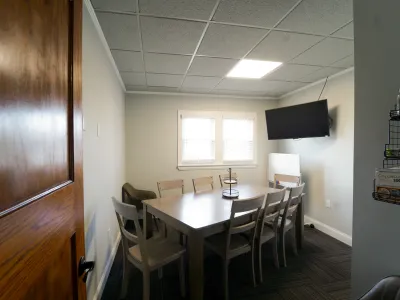

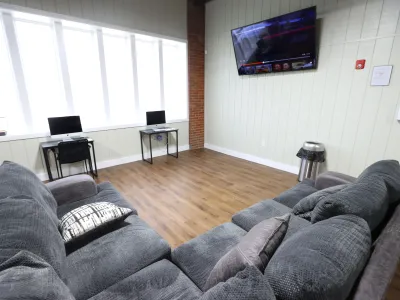
First City Recovery Center
Kokomo, Indiana
317 W Jefferson St, Kokomo, IN, 46901
Ascension Medical Group St Vincent - Kokomo Primary Care
Kokomo, Indiana
188 E Southway Blvd Kokomo, IN 46902
Pinnacle Treatment Centers - 2209 John R Wooden Drive
Martinsville, Indiana
2209 John R Wooden Drive, 3rd Floor Martinsville, IN 46151
Centerstone – Pierson House
Richmond, Indiana
76 S 14th St, Richmond, IN 47374
Why Trust Indiana Rehabs
As Hoosiers helping Hoosiers, we understand the unique challenges our communities face. Our team meticulously verifies every Indiana treatment center, ensuring you find trusted, local care that truly understands your journey.
About our listingsLevels of Care
Explore popular treatment options by levels of care, from flexible treatment in Outpatient centers to intensive care in Residential rehabs.
Free · 24/7 · Confidential
Talk to a Treatment Specialist
Call now to get matched with Indiana facilities that accept your insurance.
(888) 568-9930
Free
Ins. check
4.9★
Rating
HIPAA
Protected
Can't travel to a facility?
Licensed Indiana therapists via secure video — same-week appointments, evenings & weekends available.
Have you ever felt an overwhelming urge you just couldn't control, one that pulls at you with growing tension until, for a moment, relief washes over you, only to be replaced by shame or a sense of isolation? Living with hair pulling can feel intensely private, as if no one else could really understand what you’re going through. But there’s hope: understanding where these urges come from is the first step, and with the right support, reliable and compassionate treatments can help you regain a sense of control and start healing.
What is trichotillomania?
Trichotillomania (TTM), often called hair-pulling disorder, is a mental health condition defined by a recurrent, irresistible urge to pull out hair from your scalp, eyebrows, eyelashes, or other parts of your body. It’s important to know that this is much more than just a "bad habit." It's a complex disorder that causes significant emotional distress and can interfere with daily life. TTM is classified as a body-focused repetitive behavior (BFRB), a category of conditions where a person repeatedly touches their hair or body in a way that results in physical damage.
While it might feel isolating, you're not alone. This condition affects up to 4% of the population, meaning millions of people share this struggle[1]. TTM is closely related to other conditions like obsessive-compulsive disorder (OCD), but it has its own unique features and requires a specialized approach to treatment.
Who does it affect?
Trichotillomania can affect people of any age, but it most commonly begins during the preteen or early adolescent years, often around the onset of puberty. While it occurs in both men and women, there's a noticeable difference after puberty. Studies show that women are five to ten times more likely to be affected than men[1]. Understanding these patterns helps professionals provide the right support for children, adolescents, and adults who are struggling with this condition.

Symptoms of trichotillomania
Recognizing the symptoms of trichotillomania is the first step toward getting help. The experience goes beyond the physical act of hair pulling and involves a cycle of emotional and behavioral patterns. If you're concerned about yourself or a loved one, see if these signs feel familiar:
- A recurring urge to pull out hair, often from the scalp, eyebrows, or eyelashes.
- A growing sense of tension or anxiety right before pulling or when trying to resist the urge.
- A feeling of pleasure, gratification, or relief after the hair has been pulled.
- Noticeable hair loss, such as bald patches on the scalp or thinning eyebrows.
- Trying to stop the behavior but not being able to.
- Significant distress or problems at work, school, or in social situations because of the hair pulling.
- Feelings of shame, embarrassment, or a loss of control that lead to avoiding social activities.
Hair, skin and tissue damage
The repeated act of hair pulling can cause more than just hair loss. It often leads to skin irritation, soreness, and even infections at the pulling sites. Over time, constant pulling can damage the hair follicles so severely that it results in scarring and permanent hair loss[1]. In some cases, a person may also engage in trichophagia, which is the behavior of eating the hair after it's pulled. This is a serious concern, as about 20% of people with TTM engage in this behavior[2]. Ingesting hair can lead to the formation of a hairball, or trichobezoar, in the digestive tract, which can cause severe gastrointestinal blockages requiring surgery[1].
Causes of trichotillomania
There isn’t one single cause of trichotillomania. Instead, it’s believed to result from a combination of factors that are unique to each person. Research suggests that genetics may play a role, meaning it can run in families[3]. Differences in brain chemistry and structure might also make someone more vulnerable to developing the condition.
For many, hair pulling serves as a coping mechanism. The behavior can be triggered by feelings of stress, boredom, or anxiety. The act of pulling provides a temporary sense of relief from these uncomfortable emotions, creating a powerful cycle that is difficult to break. TTM often co-occurs with other mental health conditions, such as obsessive-compulsive disorder (OCD), depression, and anxiety disorders, which can further complicate the experience[3].
How is trichotillomania diagnosed?
Getting a proper diagnosis is a crucial step toward recovery. The process usually starts with a conversation with a mental health professional, like a therapist or psychiatrist. They will ask about your symptoms, the history of the hair-pulling behavior, and how it’s affecting your life.
A diagnosis is typically based on the criteria outlined in the Diagnostic and Statistical Manual of Mental Disorders (DSM-5). A healthcare provider will confirm a diagnosis if you experience[1]:
- Recurrent pulling out of one's hair, resulting in hair loss.
- Repeated attempts to decrease or stop the hair-pulling behavior.
- Significant distress or impairment in social, occupational, or other important areas of functioning.
- The hair pulling is not attributable to another medical condition (like a dermatological condition).
- The hair pulling is not better explained by the symptoms of another mental disorder.
This conversation is confidential and is meant to help, not to judge. A thorough evaluation and assessment allows a professional to understand your unique situation and recommend the most effective treatment plan.
What tests will be done to diagnose it?
There are no blood tests or brain scans that can diagnose trichotillomania. The diagnosis is made based on your experiences and symptoms. However, a doctor may want to rule out other medical conditions that could be causing your hair loss. They might perform a physical exam of the affected areas. In some cases, they may recommend you see a dermatologist, who might perform a punch biopsy (taking a tiny skin sample) to check for skin diseases or infections. Blood tests might also be done to rule out conditions like thyroid problems or iron deficiencies that can contribute to hair loss[1].
Treating trichotillomania
While there is no magic cure for trichotillomania, there are highly effective treatments that can help you manage the urges, reduce hair pulling, and improve your quality of life. Finding freedom from TTM is absolutely possible. The most successful trichotillomania treatment plans are often tailored to the individual and typically involve a combination of therapy, support, and sometimes medication. Your journey to recovery is unique, and what works best for you will be discovered with the guidance of a compassionate professional.
What medications and treatments are used?
Therapy is the cornerstone of treatment for trichotillomania. Several approaches have been proven to be effective:
- Habit Reversal Training (HRT): This is considered the first-line treatment. It involves three key steps: awareness training (learning to recognize your pulling triggers), developing a competing response (doing something else with your hands when you feel the urge), and building motivation to stick with it[2].
- cognitive behavioral therapy (CBT): A therapist can help you identify and challenge the negative thought patterns and beliefs that contribute to hair pulling. cognitive behavioral therapy equips you with healthier ways to cope with stress and anxiety[2].
- Medications: While no medication is FDA-approved specifically for TTM, some can help manage the underlying urges and co-occurring conditions like anxiety or depression. These may include selective serotonin reuptake inhibitors (SSRIs), clomipramine (an antidepressant), or N-acetylcysteine (an antioxidant supplement)[1]. All medications should be managed by a qualified medical professional.

Coping and support
In addition to formal treatment, developing personal coping skills is key to long-term success. Simple, practical strategies can make a big difference in managing urges and reducing stress. Consider trying stress management techniques like mindfulness, deep breathing exercises, or gentle physical activity. You can also make small changes to your environment to create barriers to pulling, such as wearing a beanie or gloves at home, placing fidget toys where you tend to pull, or keeping tweezers out of sight.
Perhaps most importantly, finding a strong support system can help you feel less alone. Connecting with others who understand what you're going through can reduce feelings of shame and isolation. Online forums, local support groups, and organizations like The TLC Foundation for BFRBs offer invaluable resources and a sense of community.
Getting Help
Taking the first step toward getting help is a sign of incredible strength. Remember, trichotillomania is a treatable medical condition, not a personal failing, and recovery is within your reach. With the right combination of therapy, personal coping strategies, and a strong support system, you can learn to manage the urges and significantly improve your well-being.
Speaking with a doctor or a mental health professional is the best way to get a formal diagnosis and create a personalized treatment plan. If you're in Indiana and ready to move forward, our directory can help you find qualified providers who specialize in treating trichotillomania and related conditions. For immediate assistance or to talk to someone who understands, please don't hesitate to call our confidential helpline. Help is available, and you don’t have to go through this alone.
It takes courage to face this challenge, but you don't have to do it by yourself. The right support can make all the difference in regaining control and starting a new chapter. If you're ready to learn more or find a provider near you, our team at Indiana Rehabs is here to help. You can call us anytime at (888) 568-9930 or contact us through our site to begin your journey toward healing.
Frequently Asked Questions About Trichotillomania Treatment
Is trichotillomania a form of OCD?
Can hair grow back after trichotillomania?
What is the best treatment for trichotillomania?
Is trichotillomania a form of self-harm?
Can children have trichotillomania?
How can I support someone with trichotillomania?
- Worońko, R. R., Hadidi, H. M., & Sarris, M. V. (June, 2023). Trichotillomania. StatPearls Publishing. ncbi.nlm.nih.gov
- Woods, D. W. et al. (2011). Trichotillomania and its treatment: a review and recommendations. Expert review of neurotherapeutics. pmc.ncbi.nlm.nih.gov
- Sah, D. E., Koo, J., & Price, V. H. (January, 2019). Trichotillomania (hair pulling disorder). Indian Journal of Psychiatry. pmc.ncbi.nlm.nih.gov