Rehabs for Chronic Relapse

Showing 20 of 58 Results (filtered)
Featured Rehab Centers
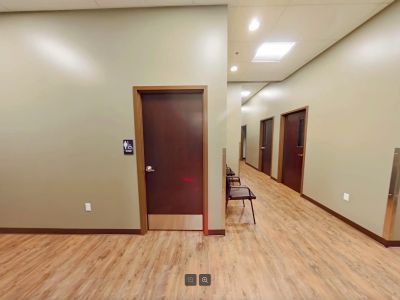
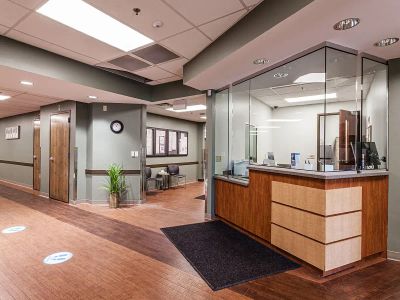
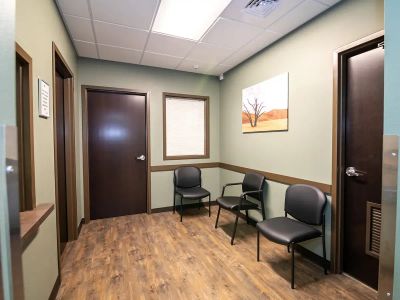
Comprehensive Treatment Centers - Evansville
Evansville, Indiana
1510 West Franklin Street, Evansville, IN 47710

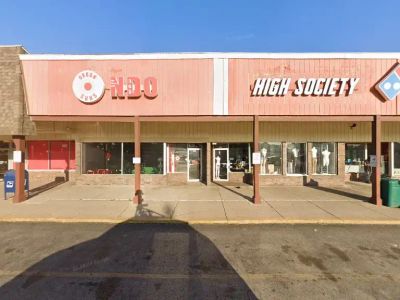
AD Rehab - Addiction Treatment Center
Merrillville, Indiana
5382 Washington St, Merrillville, IN 46410

Addictions Recovery Centers - South Bend
South Bend, Indiana
2012 Ironwood Circle, South Bend, IN, 46635
Get Personalized Rehab Matches in 60 Seconds
Tell us a few details and we’ll show a personalized shortlist of verified Indiana rehabs, making it simple to compare options and choose your next step with confidence.

Hamilton Center Inc: Mathew Maleakal S MD
Terre Haute, Indiana
620 8th Ave, Terre Haute, IN 47804
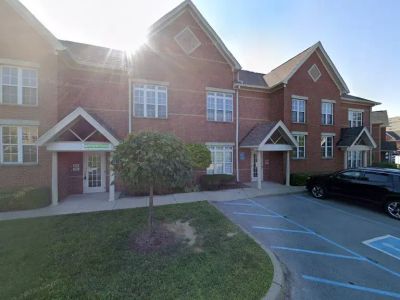
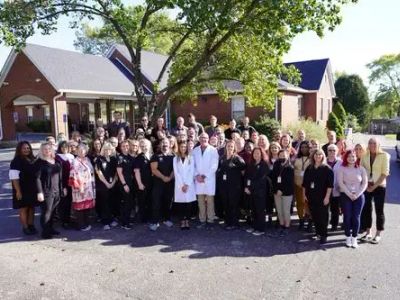
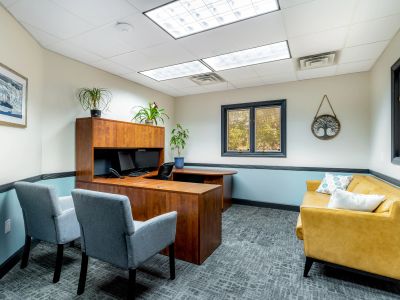
Indiana Center for Recovery - Alcohol & Drug Rehab Center Jeffersonville
Jeffersonville, Indiana
601 N Shore Dr Suite 102-103, Jeffersonville, IN 47130
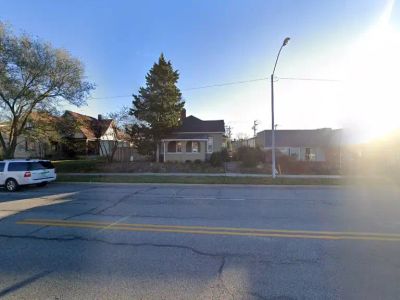
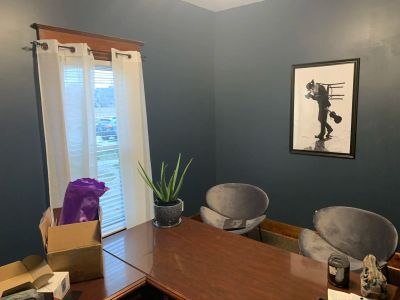
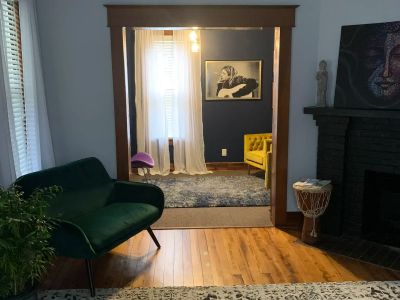
Lotus Treatment Center
Columbus, Indiana
1207 Washington St, Columbus, IN 47201


Recover Together - Martinsville
Martinsville, Indiana
225 Morton Ave Martinsville, IN 46151
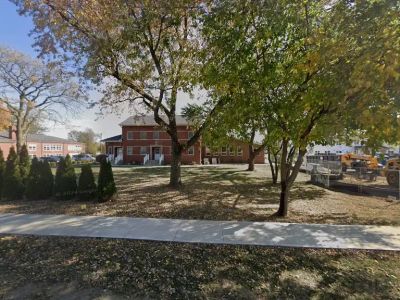

Seeds of Hope
Indianapolis, Indiana
1425 South Mickey Avenue, Indianapolis, IN, 46241

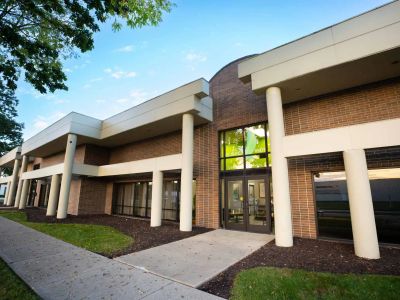
Evolve Indy
Indianapolis, Indiana
8770 Guion Rd, Indianapolis, IN, 46268
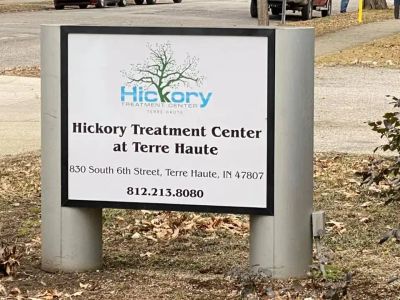
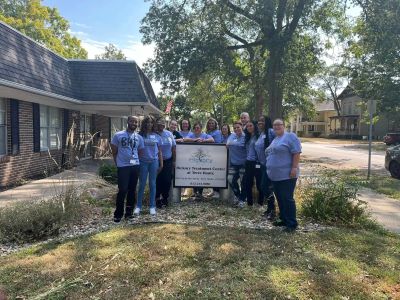
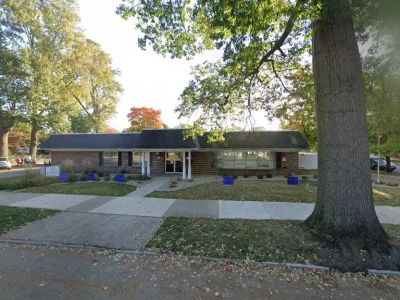
Hickory Treatment Center at Terre Haute
Terre Haute, Indiana
830 S 6th St, Terre Haute, IN 47807
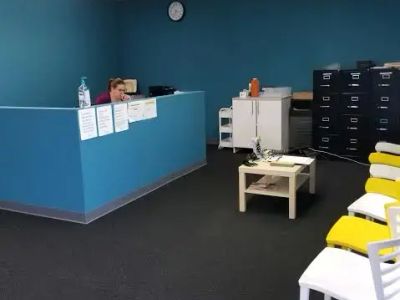

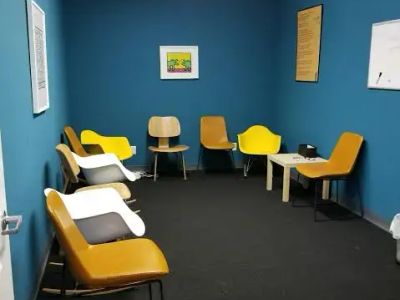
Recover Together - Connersville
Connersville, Indiana
2110 N Park Rd, Connersville, IN, 47331
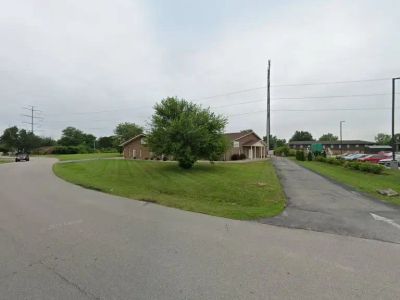
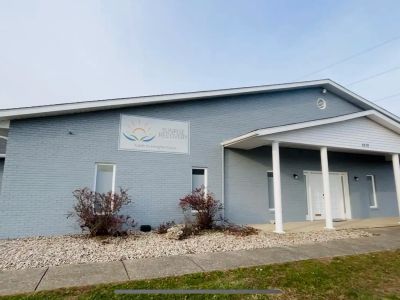
Sunrise Recovery - Drug and Alcohol Women's Rehab in Clarksville
Clarksville, Indiana
1610 Blackiston View Dr, Clarksville, IN 47129

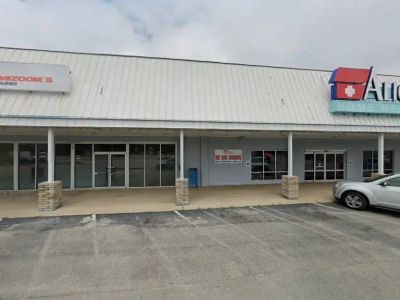
AD Detox - Alcohol & Drug Addiction Treatment
Michigan City, Indiana
3235 Franklin St, Michigan City, IN 46360
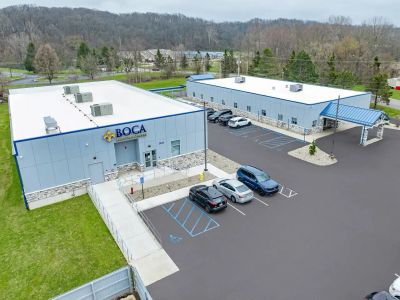
Boca Recovery Center - Indiana Drug and Alcohol Rehab
Huntington, Indiana
3040 W Park Dr, Huntington, IN 46750
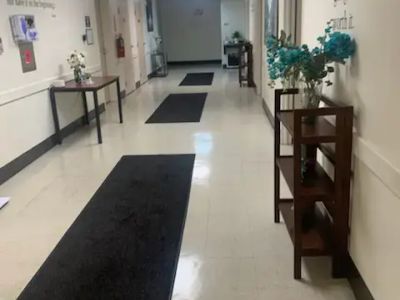
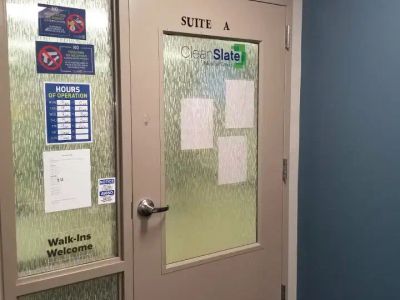
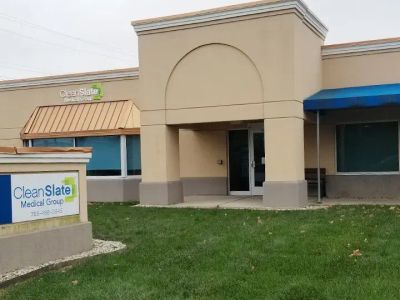
CleanSlate Outpatient Addiction Medicine
Richmond, Indiana
2302 Chester Blvd A, Richmond, IN 47374
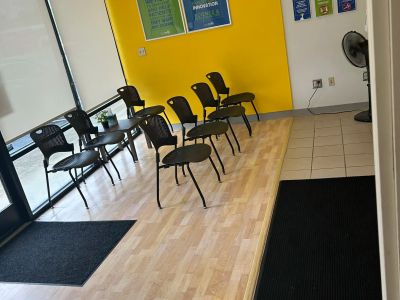
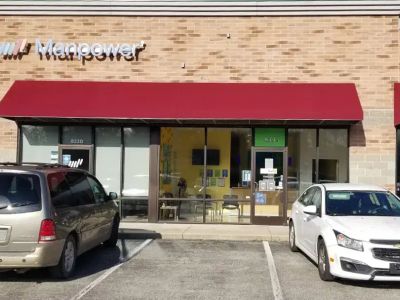
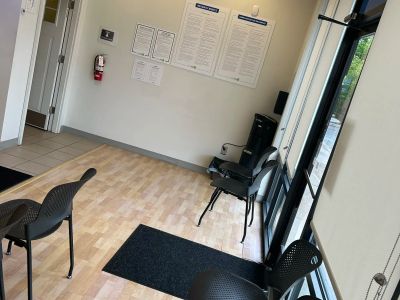
CleanSlate Outpatient Addiction Medicine
Greencastle, Indiana
833 Indianapolis Rd Suite E, Greencastle, IN 46135
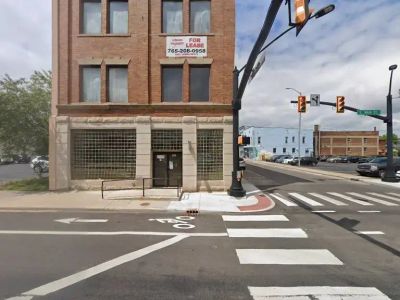
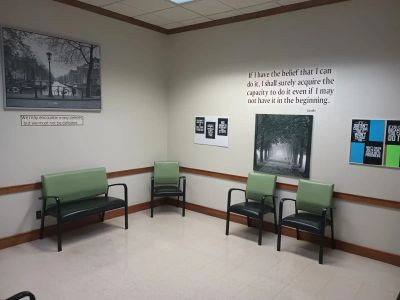
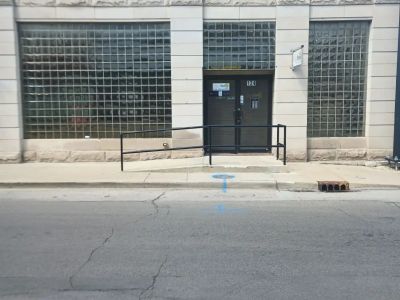
CleanSlate Outpatient Addiction Medicine
Muncie, Indiana
124 E Main St, Muncie, IN 47305
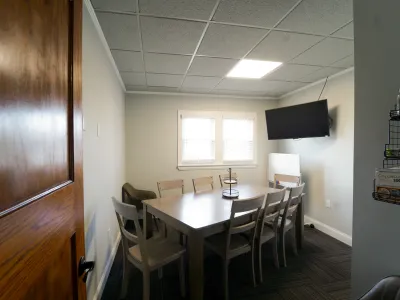
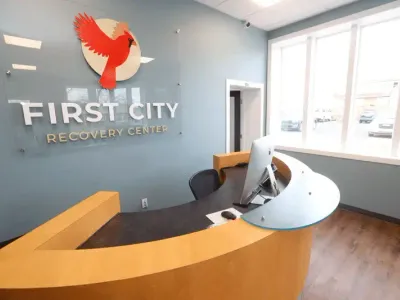
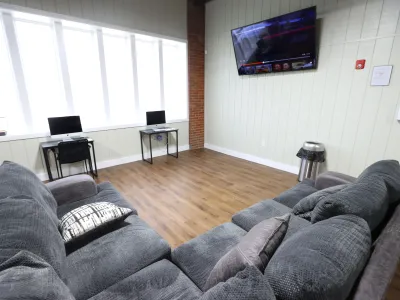
First City Recovery Center
Kokomo, Indiana
317 W Jefferson St, Kokomo, IN, 46901
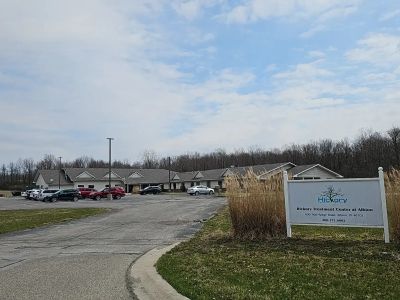
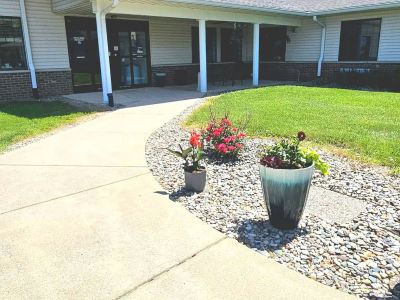
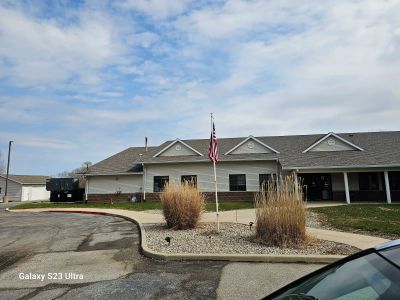
Hickory Treatment Center at Albion
Albion, Indiana
600 Trail Ridge Rd, Albion, IN 46701
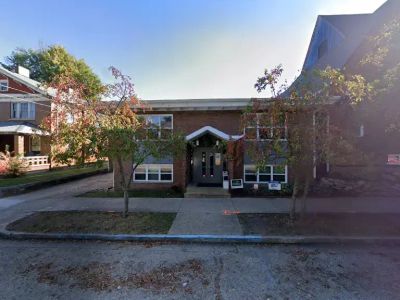
Next Step Foundation Terra Haute
Terre Haute, Indiana
619 Washington Ave, Terre Haute, IN 47802
Why Trust Indiana Rehabs
As Hoosiers helping Hoosiers, we understand the unique challenges our communities face. Our team meticulously verifies every Indiana treatment center, ensuring you find trusted, local care that truly understands your journey.
About our listingsLevels of Care
Explore popular treatment options by levels of care, from flexible treatment in Outpatient centers to intensive care in Residential rehabs.
Free · 24/7 · Confidential
Talk to a Treatment Specialist
Call now to get matched with Indiana facilities that accept your insurance.
(888) 568-9930
Free
Ins. check
4.9★
Rating
HIPAA
Protected
Can't travel to a facility?
Licensed Indiana therapists via secure video — same-week appointments, evenings & weekends available.
Does it feel like you’re taking one step forward, only to slip two steps back in your recovery journey? That sense of exhaustion and disappointment can leave you questioning if lasting change is even possible, especially when it seems like you’re stuck in the same cycle no matter how hard you try. You’re not alone in this, and the truth is, there are real answers, chronic relapse isn’t a reflection of your worth or willpower, but with the right kind of specialized support here in Indiana, breaking free from that cycle can finally become a reality.

What Is Chronic Relapse?
Chronic relapse isn’t about a single mistake or a momentary lapse in judgment. It’s a recurring pattern where someone returns to substance use again and again, despite their genuine desire to stay sober. Think of it less like a single event and more like a cycle that’s hard to break without the right tools. An occasional relapse, or a "slip," is a temporary setback. Chronic relapse, however, is when that setback becomes a repeating part of the recovery process.
It’s important to understand that relapse doesn’t mean treatment has failed. Addiction is a chronic disease, much like asthma or diabetes, and sometimes symptoms can return[1]. If someone with diabetes has a spike in their blood sugar, it doesn’t mean they’ve failed; it means their treatment plan needs to be adjusted. The same is true for addiction. It’s a sign that the current approach needs to be tweaked to provide better support for long-term recovery.
Why Does Chronic Relapse Happen?
If you're wondering why this cycle keeps happening, please know it’s not due to a lack of willpower or moral strength. Chronic relapse is incredibly complex, with roots in biological, psychological, and environmental factors. Understanding these underlying triggers is the first step toward finding a solution that truly works. Often, it’s a combination of these issues that creates a high risk for relapse, and addressing them together is key to breaking the cycle for good.
Biological Factors
Long-term substance use can physically change the brain’s chemistry. It impacts areas responsible for decision-making, impulse control, and how you respond to stress. These changes don’t just vanish once you stop using. Your brain needs time to heal. In the meantime, intense cravings and withdrawal symptoms can feel overwhelming, making it incredibly difficult to resist the urge to use again. These biological responses are powerful and often require targeted medical and therapeutic support to manage.
Psychological Factors
Many people turn to substances to cope with underlying emotional pain. Untreated trauma, chronic stress, or co-occurring mental health disorders like anxiety and depression are significant drivers of relapse. When these issues aren't addressed, substances can feel like the only way to manage the symptoms. In fact, many people struggle with both a substance use disorder and a mental health disorder at the same time, which is known as a dual diagnosis. According to the 2021 National Survey on Drug Use and Health, roughly 9.2 million adults have a co-occurring disorder[2]. Integrated treatment that addresses both conditions is essential for lasting recovery.
Environmental Factors
Your surroundings play a huge role in your recovery. Returning to a high-stress home, reconnecting with friends who still use, or even visiting places associated with past substance use can act as powerful triggers. Without a strong, sober support network, navigating these environmental challenges can feel almost impossible. Building a safe and supportive environment, which may include connecting with family and sober friends, is a critical piece of the recovery puzzle.
Common Signs and Symptoms of Chronic Relapse
Recognizing the early relapse warning signs in yourself or a loved one can make all the difference. These patterns often appear long before substance use begins again. Catching them early provides an opportunity to reach out for more support before a full-blown relapse occurs. These signs are not a reason for judgment, but an indication that help is needed. Look for these changes in behavior, emotion, and social habits:
- Behavioral Signs: Neglecting responsibilities at work or home, poor self-care and hygiene, isolating from sober friends and family, or starting to romanticize past drug or alcohol use.
- Emotional Signs: Sudden mood swings, increased irritability or anger, defensiveness when asked about their well-being, and a noticeable rise in anxiety or depression.
- Social Signs: Skipping support group meetings or therapy sessions, withdrawing from sober hobbies, and reconnecting with old friends or dealers associated with past substance use.

Evidence-Based Treatment Approaches for Chronic Relapse
For someone experiencing chronic relapse, a standard 30-day program might not be enough to create lasting change. The cycle is often fueled by deep-seated issues that require more intensive and specialized care. Research shows that relapse rates for substance use disorders are between 40-60%, which is similar to rates for other chronic illnesses like hypertension or asthma[1]. This highlights why robust, long-term treatment strategies are so critical. Evidence-based approaches focus on addressing the root causes of addiction and relapse, offering real hope for breaking the cycle.
Cognitive Behavioral Therapy (CBT)
cognitive behavioral therapy, or CBT, is a cornerstone of effective relapse prevention. This type of therapy helps you identify the negative thought patterns and behaviors that lead you back to substance use. Instead of just focusing on stopping the behavior, CBT teaches you practical, healthy coping skills to manage stress and handle triggers. You learn to challenge distorted thoughts and reframe them, which empowers you to make different choices when faced with difficult situations.
Medication-Assisted Treatment (MAT)
Medication-Assisted Treatment (MAT) combines FDA-approved medications with counseling and behavioral therapies to treat substance use disorders. It's particularly effective for those struggling with opioid or alcohol addiction. These medications work to reduce cravings, manage withdrawal symptoms, and help normalize brain chemistry, which gives you the stability needed to fully engage in therapy and focus on your recovery. MAT is a safe and proven approach that can be a vital part of a long-term treatment plan.
Dual Diagnosis Treatment
When a substance use disorder co-occurs with a mental health condition like depression or anxiety, it’s crucial to treat both at the same time. Dual diagnosis treatment offers an integrated care approach where mental health and addiction specialists work together to create a unified plan. This ensures that you’re not just treating the symptoms (substance use) but also the underlying cause (the mental health disorder), which is essential for preventing future relapse.
Find Your Path to Lasting Recovery in Indiana
Struggling with chronic relapse can feel isolating and hopeless, but it is a manageable part of addiction for which help is available. It is not a life sentence or a reflection of who you are. With comprehensive, long-term support tailored to your unique needs, you can achieve lasting recovery and build the life you deserve. The journey to sobriety is not always a straight line, but every step forward counts. Indiana has licensed and compassionate providers ready to help you find a new path. Take the next step today by exploring treatment options or calling our helpline to connect with specialized chronic relapse support right here in your community.
Breaking the cycle of relapse is possible, and you don’t have to do it alone. The right support system can help you understand the root causes of addiction and develop the skills needed for a stable, long-term recovery. If you’re ready to find help, our team at Indiana Rehabs is here for you. Give us a call at (888) 568-9930 or explore our resources to contact us and connect with treatment providers in Indiana who specialize in creating a path forward.
Frequently Asked Questions About Chronic Relapse Support in Indiana
How do I know if I have a dual diagnosis?
What happens in a chronic relapse prevention program?
Is it ever 'too late' to get help for chronic relapse?
Will I have to stay in treatment forever if I keep relapsing?
How can I support a loved one who keeps relapsing?
- National Institute on Drug Abuse. (2020-07-06). Treatment and Recovery. National Institute on Drug Abuse. nida.nih.gov
- Substance Abuse and Mental Health Services Administration. (2025-09-09). The National Survey on Drug Use and Health. Substance Abuse and Mental Health Services Administration. samhsa.gov