Rehabs for Cravings / Triggers Management

Showing 20 of 52 Results (filtered)
Featured Rehab Centers
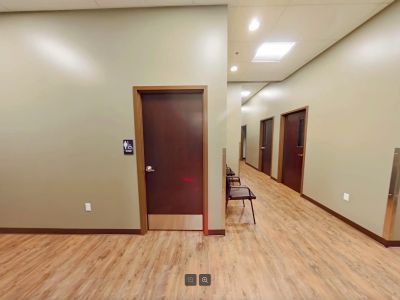

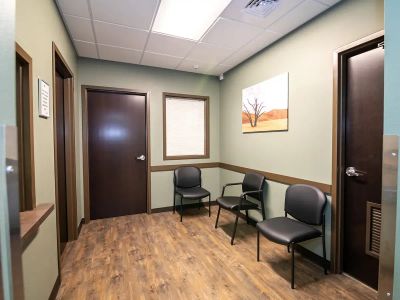
Comprehensive Treatment Centers - Evansville
Evansville, Indiana
1510 West Franklin Street, Evansville, IN 47710


AD Rehab - Addiction Treatment Center
Merrillville, Indiana
5382 Washington St, Merrillville, IN 46410
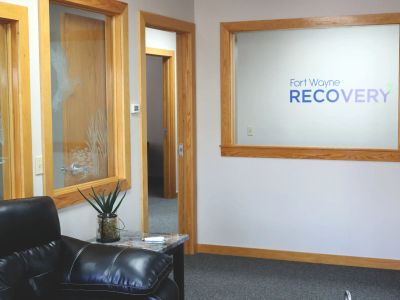
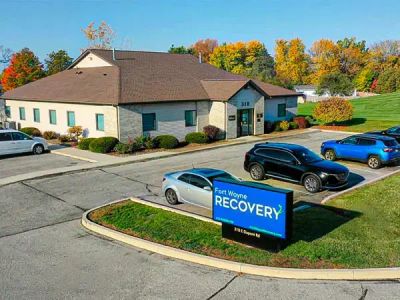

Fort Wayne Recovery
Fort Wayne, Indiana
310 E Dupont Rd, Fort Wayne, IN 46825
Get Personalized Rehab Matches in 60 Seconds
Tell us a few details and we’ll show a personalized shortlist of verified Indiana rehabs, making it simple to compare options and choose your next step with confidence.

Hamilton Center Inc: Mathew Maleakal S MD
Terre Haute, Indiana
620 8th Ave, Terre Haute, IN 47804


Indiana Center for Recovery - Alcohol & Drug Rehab Center Jeffersonville
Jeffersonville, Indiana
601 N Shore Dr Suite 102-103, Jeffersonville, IN 47130



Indiana Treatment Centers
Columbus, Indiana
1888 Poshard Dr, Columbus, IN 47203



Recover Together - Martinsville
Martinsville, Indiana
225 Morton Ave Martinsville, IN 46151



Evolve Indy
Indianapolis, Indiana
8770 Guion Rd, Indianapolis, IN, 46268

Spark Recovery - Outpatient Drug Addiction Treatment Indianapolis
Indianapolis, Indiana
9302 N Meridian St Ste 101, Indianapolis, IN 46260

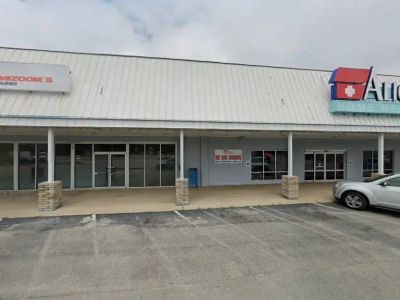
AD Detox - Alcohol & Drug Addiction Treatment
Michigan City, Indiana
3235 Franklin St, Michigan City, IN 46360

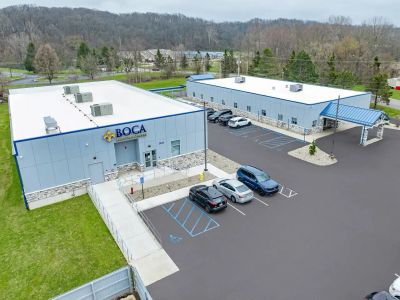

Boca Recovery Center - Indiana Drug and Alcohol Rehab
Huntington, Indiana
3040 W Park Dr, Huntington, IN 46750
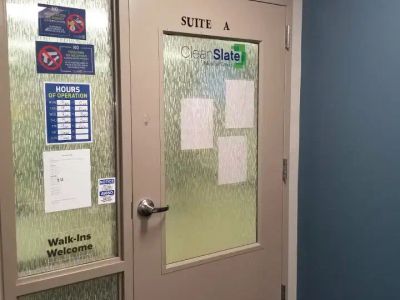
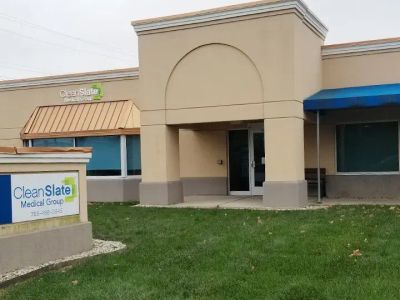
CleanSlate Outpatient Addiction Medicine
Richmond, Indiana
2302 Chester Blvd A, Richmond, IN 47374

Groups Recover Together
Washington, Indiana
100 A Cherry Tree Plaza, Washington, IN 47501

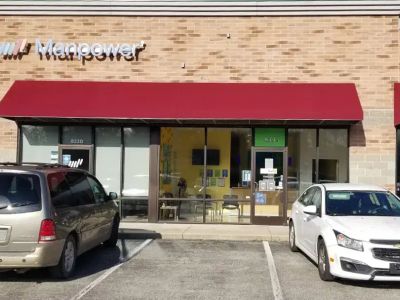
CleanSlate Outpatient Addiction Medicine
Greencastle, Indiana
833 Indianapolis Rd Suite E, Greencastle, IN 46135
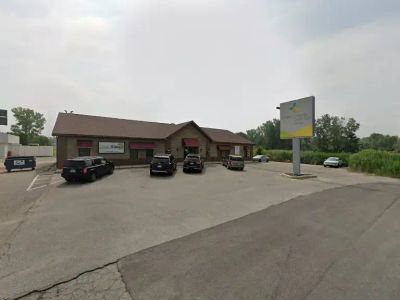

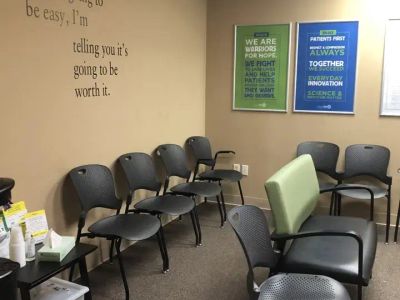
CleanSlate Outpatient Addiction Medicine
Warsaw, Indiana
2936 Frontage Rd, Warsaw, IN 46580
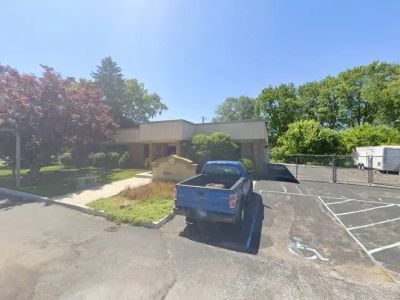

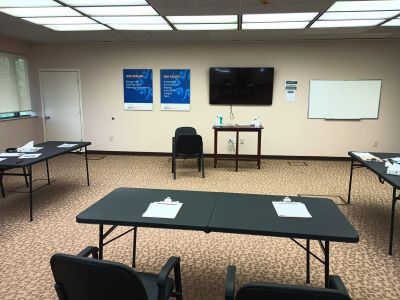
SperoHealth - Greenwood
Greenwood, Indiana
7750 Madison Avenue, Greenwood, IN, 46227
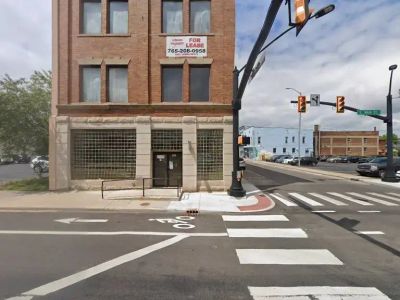
CleanSlate Outpatient Addiction Medicine
Muncie, Indiana
124 E Main St, Muncie, IN 47305

Groups Recover Together
La Porte, Indiana
614 Andrew Ave, La Porte, IN 46350

Groups Recover Together
Scottsburg, Indiana
1430 N Gardner St, Scottsburg, IN 47170


SperoHealth - Muncie
Muncie, Indiana
3700 North Briarwood Lane, Muncie, IN, 47304
Why Trust Indiana Rehabs
As Hoosiers helping Hoosiers, we understand the unique challenges our communities face. Our team meticulously verifies every Indiana treatment center, ensuring you find trusted, local care that truly understands your journey.
About our listingsLevels of Care
Explore popular treatment options by levels of care, from flexible treatment in Outpatient centers to intensive care in Residential rehabs.
Free · 24/7 · Confidential
Talk to a Treatment Specialist
Call now to get matched with Indiana facilities that accept your insurance.
(888) 568-9930
Free
Ins. check
4.9★
Rating
HIPAA
Protected
Can't travel to a facility?
Licensed Indiana therapists via secure video — same-week appointments, evenings & weekends available.
It can happen in a flash, one minute you’re going about your day, and the next, a craving sneaks up on you, tightening your chest and crowding your thoughts. That feeling isn’t a sign of failure or weakness; it’s a perfectly normal part of the recovery journey. The good news is, you’re not powerless here. Real, practical strategies exist to help you manage those cravings, showing that recovery isn’t about sheer willpower, but about learning the right skills to face each challenge as it comes.

Know what triggers your urge to use nicotine or tobacco and make a plan.
While the heading specifically mentions nicotine, the first step in managing cravings for any substance is the same: understanding what causes them in the first place. This is all about learning your personal triggers. A trigger is the spark, a person, place, feeling, or memory, that sets off the urge to use. The craving is the intense emotional and physical response that follows.
Learning to tell them apart is a critical skill in recovery. By identifying the triggers, you can create a plan to either avoid them or prepare a healthy response before the craving takes hold. These triggers often fall into a few common categories:
- Environmental Triggers: These are places or things that your brain connects with past substance use. It could be driving past a certain bar on the way home from work in Fort Wayne, the smell of cigarette smoke, or even just seeing paraphernalia.
- Emotional Triggers: Your feelings can be powerful triggers, especially uncomfortable ones like stress, sadness, anger, or anxiety[1]. Many substance use disorders develop alongside mental health conditions, so managing your emotional state is a huge part of managing cravings[2]. You might feel an urge after a stressful day or a tense moment while watching the Pacers game.
- Social Triggers: These involve other people. It might be seeing an old friend you used to use with, being at a party where others are drinking, or feeling pressured in certain social situations.
- Physical Triggers: Sometimes, your own body can be a trigger. Symptoms of withdrawal, feeling exhausted, or even experiencing pain can spark a craving for the temporary relief you once sought from a substance.
The key to getting ahead of these is self-awareness. Try keeping a journal for a week or two. When a craving hits, jot down what was happening right before it started. Where were you? Who were you with? What were you feeling? Over time, you’ll start to see patterns. Once you know your triggers, you can build a solid relapse prevention plan to cope with them, giving you a sense of control on your recovery journey.
Strategies for Managing Cravings in Recovery - Gateway Rehab
Knowing your triggers is the first step, but what do you do when a craving shows up anyway? As leading treatment providers like Gateway Rehab emphasize, having go-to strategies is key to navigating these moments. It's helpful to remember that cravings are temporary. They feel overwhelming, but they will pass. These evidence-based techniques can act as a toolkit to help you ride out the urge until it subsides, keeping you firmly on the path of your sobriety[3].
Practice Mindfulness
Mindfulness isn't about emptying your mind; it's about paying attention to the present moment without judgment. When it comes to cravings, this means you can acknowledge the urge without having to act on it. One powerful technique is called "urge surfing." Instead of fighting the craving, picture it as a wave in the ocean. Watch it build, see it crest, and then feel it slowly fade away as it reaches the shore. You don’t have to be swept away by it; you can simply watch it pass.
Here’s a simple exercise you can try right now:
- Find a quiet place to sit for two minutes. Close your eyes if you feel comfortable.
- Focus on your breath. Notice the air moving in and out of your body. Don’t try to change it, just observe it.
- When your mind wanders to the craving or other thoughts, gently guide your attention back to your breath.
Practicing mindfulness and meditation can help reduce the stress and anxiety that often trigger cravings in the first place, giving you a greater sense of calm and control.
Find a Distraction
Sometimes the best thing you can do is get your mind onto something else entirely. A healthy distraction can shift your focus long enough for the intensity of the urge to decrease. The key is to have a plan before the craving hits, so you don’t have to make a decision in a moment of stress. It can be helpful to make a physical list of things you can do at a moment's notice.
Your list might include things like:
- Calling a supportive friend or family member who understands your recovery goals.
- Going for a walk, maybe along the Indianapolis Canal Walk if you’re nearby, to change your scenery.
- Listening to an engaging podcast or an upbeat music playlist.
- Doing a quick, 10-minute workout or some simple stretches.
- Diving into a hobby you enjoy, like reading, drawing, or playing an instrument.
Having a list of go-to activities and SMART Recovery tools makes it easier to take positive action instead of feeling stuck in the craving.
Play the Tape Through
This is a powerful mental skill. When a craving tries to convince you that using "just this once" will be okay, you can challenge that thought by "playing the tape through" to the end. Think beyond the immediate, fleeting moment of relief the substance might offer. What happens next?
Walk yourself through the likely consequences, step by step. You’ll probably feel a wave of guilt and regret. You might disappoint the people who are supporting you. You could face negative health effects or financial strain. Most importantly, it would derail the progress you’ve worked so hard for in your recovery. This isn't about scaring yourself; it's a realistic reminder of why you chose sobriety and all the positive things you're working toward.
Managing Cravings During Outpatient Addiction Treatment
Navigating recovery while living at home and managing daily responsibilities presents a unique set of challenges, which is why cravings management is a central focus of outpatient addiction treatment. Unlike inpatient care where you are in a protected environment, outpatient programs help you build and practice coping skills in the real world, facing everyday triggers head-on with a strong support system behind you[4].

The structure of therapy sessions, combined with peer support, gives you a safe space to discuss your struggles and successes. But what happens if your home environment itself is a source of triggers? Living with someone who is actively using or unsupportive of your recovery can make managing cravings feel incredibly difficult[5].
This is where open communication and clear boundaries become essential. It’s also why family involvement is so important. Support is not just for the person in recovery. Loved ones can benefit immensely from resources like Al-Anon or by participating in a family therapy program. These resources help family members understand the complexities of substance use disorders, learn how to provide helpful support, and take care of their own well-being. Professional treatment helps you put these skills into practice, turning challenges into opportunities for growth.
Find Your Path to Lasting Recovery in Indiana
If there’s one thing to take away, it’s this: cravings and triggers are a normal part of the recovery process, not a sign that you’re failing. Managing them is a skill you can learn, just like any other. With the right strategies and support, you can navigate these challenges and build a strong, lasting foundation for your health and well-being. Hope is real, and a full recovery is entirely possible.
A common question that holds people back is, "Am I covered for treatment?" You might be surprised to learn that thanks to federal parity laws and programs like Indiana Medicaid, many insurance plans provide coverage for addiction treatment and therapy for substance use disorders[6][7]. The first step is to find out what your benefits include. You can easily and confidentially verify your insurance coverage online to see what services are available to you.
You don't have to figure this out alone. There are treatment centers across Indiana ready to provide the professional cravings management support you need. Take the next step by exploring the directory to find a facility near you.
You’ve already taken the courageous step of seeking information, and that matters more than you know. Cravings are a challenge, but they don’t have to control your life. With the right skills and support, you can learn to manage them and move forward with confidence. If you’re ready to talk about your options or just need someone to listen, we’re here for you. Call us anytime at (888) 568-9930. You can also explore local treatment options through Indiana Rehabs or get in touch with us through our contact page. Taking that next step is a powerful move toward lasting recovery.
Frequently Asked Questions About Managing Cravings in Recovery
How long do cravings last?
Is it possible for cravings to go away completely?
Can medication help with cravings?
What should I do if my coping skills aren't working?
Does exercise really help with cravings?
How can I support someone who is experiencing cravings?
- National Alliance on Mental Illness. (04-30-2024). Substance use disorders. National Alliance on Mental Illness. nami.org
- Substance Abuse and Mental Health Services Administration. (03-29-2024). Co-occurring disorders and other health conditions. Substance Abuse and Mental Health Services Administration. samhsa.gov
- Substance Abuse and Mental Health Services Administration. (02-02-2024). Substance use disorders - statutes, regulations, and guidelines. Substance Abuse and Mental Health Services Administration. samhsa.gov
- Wayne State University. (04-22-2025). Evidence based treatment for justice-involved populations in Allen County. Center for Behavioral Health and Justice. behaviorhealthjustice.wayne.edu
- Haile, E. et al. (03-08-2024). Rural–urban differences in out-of-network treatment initiation and engagement for substance use disorders. The Journal of Rural Health. pmc.ncbi.nlm.nih.gov
- U.S. Department of Labor. (06-06-2025). Mental health and substance use disorder parity. Employee Benefits Security Administration. dol.gov
- Indiana Medicaid. (06-16-2021). Substance use disorder (SUD)/serious mental illness (SMI) treatment. Indiana Health Coverage Programs. in.gov