
Rehabs for Family Estrangement / Reunification

Showing 20 of 26 Results (filtered)
Featured Rehab Centers


Addiction Rehab Centers - ARC At Bayside | Indianapolis Drug & Alcohol Rehab
Indianapolis, Indiana
5929 Lakeside Blvd, Indianapolis, IN 46278

Fort Wayne Recovery
Fort Wayne, Indiana
310 E Dupont Rd, Fort Wayne, IN 46825

Hamilton Center Inc: Mathew Maleakal S MD
Terre Haute, Indiana
620 8th Ave, Terre Haute, IN 47804
Get Personalized Rehab Matches in 60 Seconds
Tell us a few details and we’ll show a personalized shortlist of verified Indiana rehabs, making it simple to compare options and choose your next step with confidence.



Addiction Rehab Centers - ARC | Drug & Alcohol Rehab - Addiction Treatment in Indianapolis, IN
Indianapolis, Indiana
7322 Noel Rd, Indianapolis, IN 46278



Boca Recovery Center - Fort Wayne, Indiana
Fort Wayne, Indiana
111 W Berry St #211, Fort Wayne, IN 46802



Evolve Indy
Indianapolis, Indiana
8770 Guion Rd, Indianapolis, IN, 46268



CleanSlate Outpatient Addiction Medicine
Richmond, Indiana
2302 Chester Blvd A, Richmond, IN 47374



CleanSlate Outpatient Addiction Medicine
Greencastle, Indiana
833 Indianapolis Rd Suite E, Greencastle, IN 46135



CleanSlate Outpatient Addiction Medicine Merrillville
Merrillville, Indiana
8601 Connecticut St, Merrillville, IN 46410



CleanSlate Outpatient Addiction Medicine
Muncie, Indiana
124 E Main St, Muncie, IN 47305



CleanSlate Outpatient Addiction Medicine Elkhart
Elkhart, Indiana
Park Ave, Elkhart, IN 46516



First City Recovery Center
Kokomo, Indiana
317 W Jefferson St, Kokomo, IN, 46901



CleanSlate Outpatient Addiction Medicine
Lafayette, Indiana
30 Professional Ct #2A, Lafayette, IN 47905



CleanSlate Outpatient Addiction Medicine
Evansville, Indiana
4411 Washington Ave #105, Evansville, IN 47715



Parkdale Center
Chesterton, Indiana
350 Indian Boundary Rd., Chesterton, IN, 46304


Aspire Indiana Health - Progress House
Indianapolis, Indiana
201 Shelby St., Indianapolis, IN, 46202


Centerstone Recovery Center
Richmond, Indiana
1811 S 9th St, Richmond, IN 47374



Trinity Life Ministry
Crawfordsville, Indiana
1101 Whitlock Ave, Crawfordsville, IN 47933


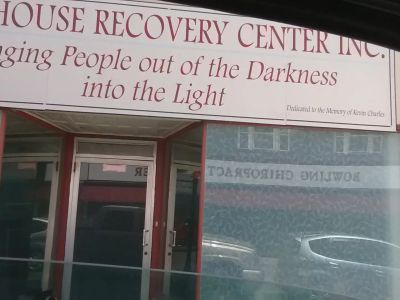
LightHouse Recovery Center
Washington, Indiana
313 East Main Street, Washington, IN, 47501

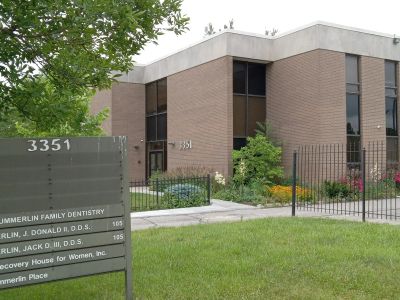
Dove Recovery House for Women
Indianapolis, Indiana
3351 N Meridian St #110, Indianapolis, IN 46208
Why Trust Indiana Rehabs
As Hoosiers helping Hoosiers, we understand the unique challenges our communities face. Our team meticulously verifies every Indiana treatment center, ensuring you find trusted, local care that truly understands your journey.
About our listingsLevels of Care
Explore popular treatment options by levels of care, from flexible treatment in Outpatient centers to intensive care in Residential rehabs.
Free · 24/7 · Confidential
Talk to a Treatment Specialist
Call now to get matched with Indiana facilities that accept your insurance.
(888) 568-9930
Free
Ins. check
4.9★
Rating
HIPAA
Protected
Can't travel to a facility?
Licensed Indiana therapists via secure video — same-week appointments, evenings & weekends available.
Picture sitting at the kitchen table, the silence between you and your loved one thick and aching, maybe after a painful breakup or a long stretch of feeling disconnected from your child. It’s a quiet that can feel impossible to bridge, leaving your heart heavy with both hope and uncertainty. Even though the path back to each other might seem daunting, there are caring, structured ways in Indiana to help families gently rebuild trust and begin healing together.

What is reunification therapy?
When the relationship between a parent and child feels broken, especially after a difficult divorce or a period of estrangement, it can feel like you’re worlds apart. Reunification therapy is a specialized type of family therapy designed to bridge that gap. Its primary purpose is to repair and rebuild the parent-child relationship in a safe, structured, and supportive environment. This isn’t just general family counseling; it’s a focused process with a clear goal: to mend the specific fractures that have led to distance or conflict.
Think of it as guided peace talks for your family. A therapist helps everyone navigate the tough emotions and communication breakdowns that are keeping you stuck. This is particularly common in situations involving high-conflict custody battles or when there are concerns about parental alienation, where one parent’s actions may have damaged the child’s relationship with the other parent. The therapist’s job is to create a neutral space where healing the parent-child relationship is the priority. Exploring different family therapy models can help you understand how this specialized approach fits into the bigger picture of family healing.
When It's Used
Reunification therapy often comes into the picture during really challenging family situations. It's most frequently recommended or required in family court cases, especially those tangled in high-conflict divorce, ongoing custody disputes, or when one parent alleges parental alienation. In these scenarios, a judge might see the therapy as a necessary step to help restore a healthy parent-child bond that has been strained or severed by the conflict. It's a tool the legal system uses when it believes that a child’s best interest is to have a meaningful relationship with both parents, but something is standing in the way.
Beyond the courtroom, this therapy also has a place in the child welfare system. For example, if a child has been in foster care due to abuse or neglect, reunification therapy can be part of the plan to safely return them to their parent's care. It provides a structured pathway to help the parent and child reconnect, rebuild trust, and establish a stable home environment after a period of separation and trauma.
Why might reunification therapy be court-ordered?
When a judge orders reunification therapy, it’s because they see a roadblock in the parent-child relationship that the family can't seem to clear on its own. The court’s primary goal is always the child’s best interest, and that usually includes having a positive connection with both parents. If a judge sees that this connection is damaged or at risk, they may mandate therapy as a constructive way forward. This often happens in difficult custody conflicts where emotions are running high.
A court order for this type of therapy can happen for several reasons, including:
- A child is refusing to see or spend time with one parent without a clear reason.
- There are concerns that one parent is actively undermining the child's relationship with the other parent (parental alienation).
- A parent has been absent for a long time, and the court wants a gradual and professionally guided reintroduction.
- Communication between the parents has completely broken down, and it's negatively impacting the child.
The controversy behind reunification therapy
It's important to acknowledge that reunification therapy is not without controversy. Critics raise serious concerns that in some situations, it can be misused, especially when there are allegations of abuse. The fear is that the process might prioritize parental rights over a child’s safety and well-being, potentially forcing a child into a relationship with an abusive parent. This could ignore the child’s valid fears and reasons for not wanting contact, causing further emotional harm.
These concerns have led to real-world action in some places, with lawmakers and advocates calling for stricter guidelines to prevent unethical practices. When claims of parental alienation are made, it can create a complex and contentious dynamic. Critics argue that these claims can sometimes be used to dismiss legitimate allegations of domestic violence or abuse, putting the child in a vulnerable position. The debate highlights the incredible responsibility a therapist has to remain neutral and prioritize the child's emotional and physical safety above all else.
When is reunification family therapy not considered?
While reunification therapy aims to heal, it is not a one-size-fits-all solution and is considered inappropriate in certain situations. The number one priority is always the child's safety. Therefore, this therapy is not recommended when there are verified, ongoing, and unaddressed cases of severe abuse, whether it's physical, emotional, or sexual. Forcing a child to reunite with an abusive parent can be deeply re-traumatizing and harmful.
In these instances, the focus shifts from reunification to protection. The involvement of protective services and addressing the trauma through other therapeutic means becomes the priority. If a parent has not taken responsibility for their abusive behavior or completed necessary interventions like anger management or substance abuse treatment, initiating reunification therapy would be premature and unsafe for the child. The well-being of the child must always come first.

What to Expect
Walking into therapy for the first time can feel intimidating, but knowing what to expect can help ease some of that worry. The family reunification process is tailored to each family's unique situation, but it generally follows a careful, step-by-step approach. It often begins with the therapist meeting separately with each parent and the child. These individual sessions allow everyone to share their perspective and feelings in a safe, private space. It also helps the therapist understand the family dynamics and the specific issues that need to be addressed.
After these initial meetings, the process moves toward joint sessions. These are carefully structured to ensure communication is respectful and productive. The therapist acts as a neutral guide, not a judge or investigator. Their role is to facilitate healing by teaching better communication skills, helping resolve specific conflicts, and creating opportunities to rebuild trust. The goal is to move the relationship forward, not to place blame for what happened in the past. It’s a journey of healing that requires patience and a willingness to engage from everyone involved.
What to Look for in a Reunification Therapist
Choosing the right mental health professional is one of the most critical steps in this process. Not every therapist has the specialized skills needed to handle these delicate and often high-conflict situations. When searching for a reunification therapist, it’s important to look for specific qualifications to ensure your family is in good hands.
Here are some key things to look for in a qualified therapist:
- Specialized Training: Look for a licensed therapist with advanced training and experience in high-conflict family dynamics, child development, family systems, and parental alienation.
- Court Experience: An experienced therapist will be comfortable with court-ordered therapy and know how to communicate effectively with judges, lawyers, and other legal professionals.
- A Commitment to Neutrality: The therapist must remain unbiased, focusing on the child's best interest rather than taking sides with one parent.
- Proper State Licensing: Ensure the therapist is licensed to practice in Indiana and is in good standing with the state board. This is a baseline for any professional you consider for your family's care.
Finding Support for Your Family in Indiana
Navigating family conflict is incredibly challenging, but you don’t have to do it alone. Reunification therapy offers a structured and supportive path to help rebuild relationships and heal from the pain of estrangement. Remember, the success of this process heavily relies on finding a qualified and experienced therapist who is the right fit for your family. Taking the time to find the right professional is an investment in your family's future.
If you're ready to take the next step, there are resources available in Indiana to help you find the support you need. Exploring options for family support services can provide guidance and connect you with professionals who specialize in helping families like yours.
Rebuilding trust takes time and dedication, but with the right guidance, it is possible to find your way back to each other. If you feel lost and don't know where to begin, help is available. You can call us at (888) 568-9930 to discuss your situation and get connected with resources. The team at Indiana Rehabs is here to help you navigate this difficult journey. Please don't hesitate to contact us to learn more about your options for healing your family.