
Rehabs for First Responder Trauma

Showing 13 of 13 Results (filtered)
Featured Rehab Centers
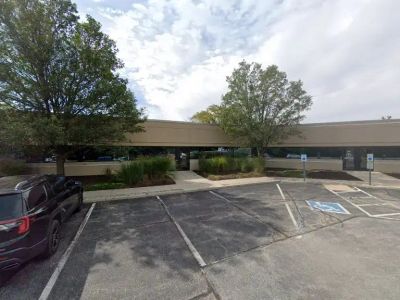
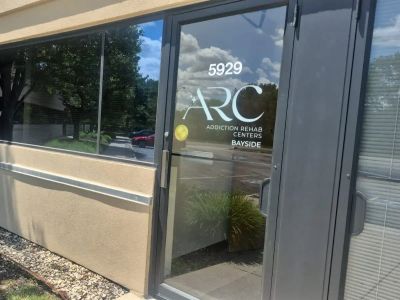

Addiction Rehab Centers - ARC At Bayside | Indianapolis Drug & Alcohol Rehab
Indianapolis, Indiana
5929 Lakeside Blvd, Indianapolis, IN 46278

Hamilton Center Inc: Mathew Maleakal S MD
Terre Haute, Indiana
620 8th Ave, Terre Haute, IN 47804

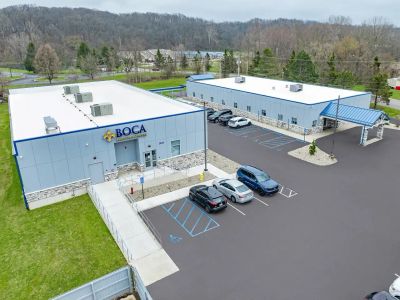

Boca Recovery Center - Fort Wayne, Indiana
Fort Wayne, Indiana
111 W Berry St #211, Fort Wayne, IN 46802
Get Personalized Rehab Matches in 60 Seconds
Tell us a few details and we’ll show a personalized shortlist of verified Indiana rehabs, making it simple to compare options and choose your next step with confidence.


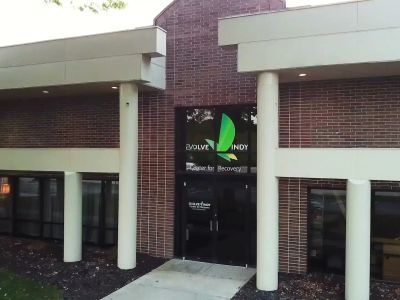
Evolve Indy
Indianapolis, Indiana
8770 Guion Rd, Indianapolis, IN, 46268

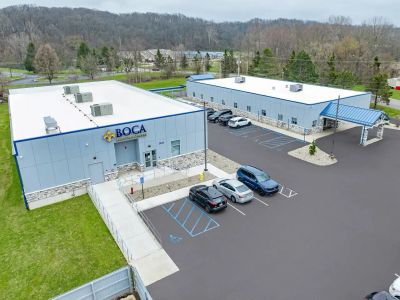

Boca Recovery Center - Indiana Drug and Alcohol Rehab
Huntington, Indiana
3040 W Park Dr, Huntington, IN 46750



First City Recovery Center
Kokomo, Indiana
317 W Jefferson St, Kokomo, IN, 46901



Parkdale Center
Chesterton, Indiana
350 Indian Boundary Rd., Chesterton, IN, 46304


Centerstone Recovery Center
Richmond, Indiana
1811 S 9th St, Richmond, IN 47374



Wooded Glen Recovery Center
Henryville, Indiana
2602 Hebron Church Rd., Henryville, IN, 47126
Ascension Medical Group St Vincent - Pendleton Primary Care
Pendleton, Indiana
3041 W US Highway 36 Pendleton, IN 46064
Ascension Medical Group St Vincent - Yorktown Primary & Specialty Care
Yorktown, Indiana
9730 W Smith St Yorktown, IN 47396
Pinnacle Treatment Centers - 2209 John R Wooden Drive
Martinsville, Indiana
2209 John R Wooden Drive, 3rd Floor Martinsville, IN 46151
Pinnacle Treatment Centers - 581 E. Main Street
Hagerstown, Indiana
581 E. Main Street Hagerstown, IN 47346
Why Trust Indiana Rehabs
As Hoosiers helping Hoosiers, we understand the unique challenges our communities face. Our team meticulously verifies every Indiana treatment center, ensuring you find trusted, local care that truly understands your journey.
About our listingsLevels of Care
Explore popular treatment options by levels of care, from flexible treatment in Outpatient centers to intensive care in Residential rehabs.
Free · 24/7 · Confidential
Talk to a Treatment Specialist
Call now to get matched with Indiana facilities that accept your insurance.
(888) 568-9930
Free
Ins. check
4.9★
Rating
HIPAA
Protected
Can't travel to a facility?
Licensed Indiana therapists via secure video — same-week appointments, evenings & weekends available.
The sirens fade, the flashing lights blur into memory, and suddenly you’re left in a quiet that feels anything but peaceful. That rush of adrenaline has settled, but the weight of everything you’ve seen and done stays behind, hanging in the back of your mind long after the scene is clear. If the noise inside your head lingers, know that you don’t have to navigate it alone, there’s confidential support made just for first responders, designed to help you process what lingers and regain steady ground on and off the job.

RISK FACTORS FOR DEVELOPING PTSD
As a first responder, you're repeatedly exposed to situations that most people will never encounter. Because of this, it's important to understand that post-traumatic stress disorder (PTSD) isn't a sign of weakness, it's a recognized health condition and a completely understandable reaction to the stress of the job[1]. The risk is real, with studies showing that police officers develop PTSD at rates from 6% to 32%, while EMTs and paramedics see rates between 9% and 22%[2].
This high prevalence is tied directly to the nature of the work. You face life-threatening calls, witness severe injuries, and handle tragedies that can leave a lasting mark. It's not always a single, major incident that causes trauma. Often, it's the result of cumulative stress, where the weight of smaller, repeated traumatic events builds up over a career. This can lead to a range of symptoms, including:
- Hypervigilance: Feeling constantly "on alert" or on edge, even when off duty.
- Flashbacks or Intrusive Thoughts: Unwanted memories of past calls that feel like they're happening all over again.
- Avoidance: Staying away from people, places, or activities that remind you of traumatic events.
- Mood and Behavior Changes: Experiencing irritability, anger, guilt, or depression, or losing interest in things you once enjoyed.
Recognizing these signs is the first step. If any of this sounds familiar, know that there are specific therapies for PTSD designed to help you process these experiences and lessen their hold on your life.

TREATMENT CONSIDERATIONS: A PHASE-ORIENTED APPROACH
When you're ready to seek help, it's important to find a path that respects your experiences. Effective first responder trauma counseling often uses a phase-oriented approach. This means treatment doesn't jump straight into processing the most difficult memories. Instead, the first phase focuses on stabilization, helping you build coping skills, manage immediate stress, and create a sense of safety in your daily life. Only after this foundation is built does the therapy move toward processing the trauma itself.
Finding a culturally competent counselor is a critical piece of this puzzle. You need someone who understands the unique stressors, the culture of silence, and the day-to-day realities of police, firefighters, and paramedics. Unfortunately, specialized care can be hard to find. A review of 845 PTSD treatment trials found that only two (a tiny 0.2%) focused specifically on first responders[3]. This research gap highlights why connecting with a program that truly gets it is so vital. Many organizations, including those listed on the SAMHSA portal for disaster responders, are working to improve access to this kind of specialized care.
Counseling and Therapy
Several evidence-based therapies have proven effective for treating trauma. A proper assessment can help determine which approach is the best fit for you. Some of the most common options in programs for first responders include:
- cognitive behavioral therapy (CBT): This therapy helps you identify and change negative thought patterns and behaviors linked to your trauma. It gives you practical tools to manage stress and reframe difficult memories.
- eye movement desensitization and reprocessing (EMDR): EMDR therapy uses bilateral stimulation (like eye movements) to help your brain process and properly store traumatic memories, reducing their emotional impact.
- Exposure Therapy: In a safe and controlled setting, this therapy helps you gradually confront memories, situations, and feelings you've been avoiding, which can reduce the power of triggers over time.
Peer Support Groups
Sometimes, the most powerful first step is talking to someone who’s been there. Peer support groups offer a unique space where you can connect with other responders who understand the job without needing any explanation. This shared experience can break down the profound sense of isolation that often comes with trauma. Knowing you’re not alone can make all the difference. Indiana has even used federal grants to expand peer support programs, recognizing their value in the healing process[4]. These networks, whether formal or informal, supplement professional therapy and create a vital sense of community and understanding for those dealing with first responder trauma.

SPECIAL POPULATION CONSIDERATIONS: FEMALE FIRST RESPONDERS
Female first responders face all the same on-the-job stressors as their male counterparts, but often with additional layers of complexity. Women in these demanding, traditionally male-dominated fields may also navigate gender bias, workplace harassment, and the constant pressure of balancing a high-stress career with family expectations. Research indicates that these factors can contribute to a higher risk for PTSD among female first responders[2].
For these reasons, gender-sensitive and trauma-informed care is essential. This means finding a health professional who recognizes these unique stressors and creates a safe space to address them without judgment. Support networks and mentorship from other women in the field can also be incredibly powerful. Connecting with other female LEOs, firefighters, or paramedics provides a space to share experiences and build resilience. True healing happens when every aspect of your experience is seen and validated.
Take the First Step Toward Healing
At the end of the day, the trauma you’ve experienced is a job injury, not a personal failing. Just as you’d see a doctor for a physical injury, seeking first responder trauma counseling is about taking care of your mental health so you can continue to do the work you love and live a full life off the clock. Reaching out for support is a sign of strength and a critical step toward a long, healthy career.
You don't have to carry this weight by yourself. Confidential, effective therapy and resources are available right here in Indiana. Whether you're looking for individual counseling, peer support, or specialized programs, there are people who understand and are ready to help. You can explore state-specific options through resources like the Indiana First Responder Behavioral Health network. Taking control of your well-being is the most important call you can make.
You’ve dedicated your life to helping others. Now, it’s time to let someone help you. If you’re ready to talk, our team at Indiana Rehabs is here to listen and guide you toward the right care. You can speak with someone confidentially by calling (888) 568-9930 or by reaching out through our contact page to find the support you deserve.
Frequently Asked Questions About First Responder Trauma Counseling
How is counseling for first responders different from regular therapy?
Can trauma counseling for first responders be confidential?
Is PTSD counseling effective for first responders?
What is the difference between trauma counseling and debriefing?
- (11-08-2024). Trauma and violence. Substance Abuse and Mental Health Services Administration. samhsa.gov
- (11-03-2024). First responders: Behavioral health concerns, emergency response, and trauma. Suicide Prevention Resource Center. sprc.org
- (10-01-2020). Federal efforts to address the mental health of first responders. Congressional Research Service. congress.gov
- (04-05-2021). History of trauma in Indiana. Indiana Department of Health. in.gov