
Hate Crime / Identity-Based Violence Treatment in Indiana



Showing 10 of 10 Results (filtered)
Featured Rehab Centers

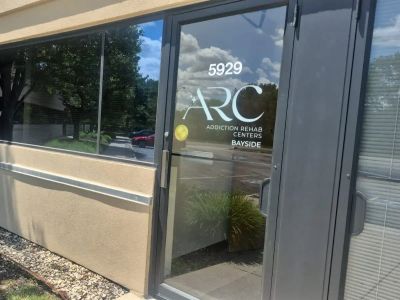

Addiction Rehab Centers - ARC At Bayside | Indianapolis Drug & Alcohol Rehab
Indianapolis, Indiana
5929 Lakeside Blvd, Indianapolis, IN 46278

Hamilton Center Inc: Mathew Maleakal S MD
Terre Haute, Indiana
620 8th Ave, Terre Haute, IN 47804



Evolve Indy
Indianapolis, Indiana
8770 Guion Rd, Indianapolis, IN, 46268
Get Personalized Rehab Matches in 60 Seconds
Tell us a few details and we’ll show a personalized shortlist of verified Indiana rehabs, making it simple to compare options and choose your next step with confidence.



Boca Recovery Center - Indiana Drug and Alcohol Rehab
Huntington, Indiana
3040 W Park Dr, Huntington, IN 46750

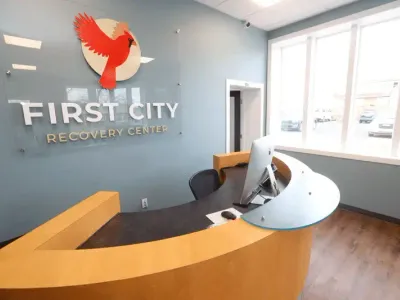

First City Recovery Center
Kokomo, Indiana
317 W Jefferson St, Kokomo, IN, 46901



Parkdale Center
Chesterton, Indiana
350 Indian Boundary Rd., Chesterton, IN, 46304


Centerstone Recovery Center
Richmond, Indiana
1811 S 9th St, Richmond, IN 47374
Ascension Medical Group St Vincent - Pendleton Primary Care
Pendleton, Indiana
3041 W US Highway 36 Pendleton, IN 46064
Pinnacle Treatment Centers - 2209 John R Wooden Drive
Martinsville, Indiana
2209 John R Wooden Drive, 3rd Floor Martinsville, IN 46151
Pinnacle Treatment Centers - 581 E. Main Street
Hagerstown, Indiana
581 E. Main Street Hagerstown, IN 47346
Why Trust Indiana Rehabs
As Hoosiers helping Hoosiers, we understand the unique challenges our communities face. Our team meticulously verifies every Indiana treatment center, ensuring you find trusted, local care that truly understands your journey.
About our listingsLevels of Care
Explore popular treatment options by levels of care, from flexible treatment in Outpatient centers to intensive care in Residential rehabs.
Free · 24/7 · Confidential
Talk to a Treatment Specialist
Call now to get matched with Indiana facilities that accept your insurance.
(888) 568-9930
Free
Ins. check
4.9★
Rating
HIPAA
Protected
Can't travel to a facility?
Licensed Indiana therapists via secure video — same-week appointments, evenings & weekends available.
If you've experienced the sting of a hate-motivated incident, the flood of fear, shock, and solitude can feel overwhelming, like the world has suddenly become colder and less safe. Please know, those reactions are valid and you're not alone, even when it feels like no one could possibly understand. There are caring people and practical resources across Indiana, ready to help you and your loved ones find safety, guidance, and a gentle path to healing. You deserve support, and it's closer than you might think.

What is a hate crime?
At its heart, a hate crime is a criminal offense like assault, vandalism, or threats that is motivated by prejudice. The key difference is the *reason* behind the act. It’s not just a random act of violence; it’s an attack targeting a person because of their perceived race, religion, sexual orientation, disability, or other protected characteristic. For example, spray-painting slurs on a church is different from ordinary graffiti. While offensive words alone might be considered a “hate incident” and not illegal, when it’s tied to a crime like property damage, it becomes a hate crime. The impact of these actions goes far beyond the immediate victims, sending ripples of fear and intimidation throughout an entire community.
Who is most affected by hate crime?
While anyone can be a target of violence, hate crimes disproportionately harm people in marginalized communities. These aren't random acts; they are intended to send a message of hate and intimidation to an entire group. Based on data, those most frequently targeted include individuals and groups associated with a specific:
- Race or ethnicity
- Religion
- Sexual orientation
- Gender identity
- Disability or national origin
What Should I Do If I Become A Victim Of A Hate Crime?
In the moments after an incident, it's completely normal to feel disoriented and unsure of what to do. Your safety and well-being are the top priorities. If you ever find yourself in this situation, here are a few clear steps you can take to care for yourself and document what happened.

- Prioritize Your Safety: First, get to a place where you feel safe. If you are in immediate danger or seriously injured, please call 911 right away. Your physical safety comes before anything else.
- Document Everything: If you feel safe enough to do so, write down every detail you can remember. Note the date, time, and location of the incident. Describe the person or people involved and exactly what happened. Take photos of any injuries or property damage. Save any hateful messages or emails. This information can be valuable later on.
- Seek Medical Attention: Even if your injuries seem minor, it’s a good idea to see a doctor. This creates a medical record of what happened and ensures you're properly cared for.
- Reach Out for Support: You don’t have to carry this burden alone. Emotional and psychological assistance is a crucial part of healing. Contacting a trusted friend, family member, or a support hotline can provide immediate comfort and guidance. There are many resources available for crime victims to help you process the trauma.
How to Report a Hate Crime
Deciding whether to report a hate crime to the police is a deeply personal choice, and you are in control. There is no right or wrong answer, and you can still receive support without filing a report. If you do choose to contact law enforcement, having your documented notes ready can be helpful. You can report the incident to your local police department, the Indiana Civil Rights Commission, or the FBI’s Indianapolis Field Office. They will need information like where the crime occurred, what was said or done, and a description of the perpetrator.
Resources for Victims of Hate Crimes
Finding the right support can feel overwhelming, but you don't have to navigate it alone. In Indiana, there is a strong network of assistance designed to help victims of hate crimes heal and recover. This includes everything from confidential counseling and legal guidance to financial help for expenses resulting from the crime. Advocacy groups and crisis hotlines offer immediate, compassionate victim support, ensuring you have someone to talk to whenever you need it. Many programs are available to provide the specific care and assistance you deserve on your journey to recovery.
Find help near you
Your path to healing starts with finding the right support for you. Our directory can help you locate confidential and effective hate crime support services in your area. You can search for local programs, including trauma-informed counseling, support groups, and other victim assistance programs tailored to your needs. Taking that first step to contact a provider can connect you with compassionate professionals who understand what you’re going through and are ready to help.
Your Path to Healing and Support Starts Here
Experiencing a hate crime is a deeply painful and traumatic event, but it's important to remember that you are not alone and that help is available. Healing is a personal journey, and there is no timeline or correct way to feel. The fear, anger, and sadness you may be feeling are valid. Allow yourself the grace to move at your own pace. Whether your first step is calling a confidential hotline, talking to a counselor, or simply learning more about the community assistance available, taking that step is a sign of strength. Recovery is possible, and a network of support is here to walk alongside you.
You are not alone on this journey. When you’re ready, compassionate help is available. You can browse our resources or call us at (888) 568-9930 to speak with someone who can guide you toward the support you need. The team at Indiana Rehabs is here to help you find a path forward. Please don't hesitate to contact us for guidance.